
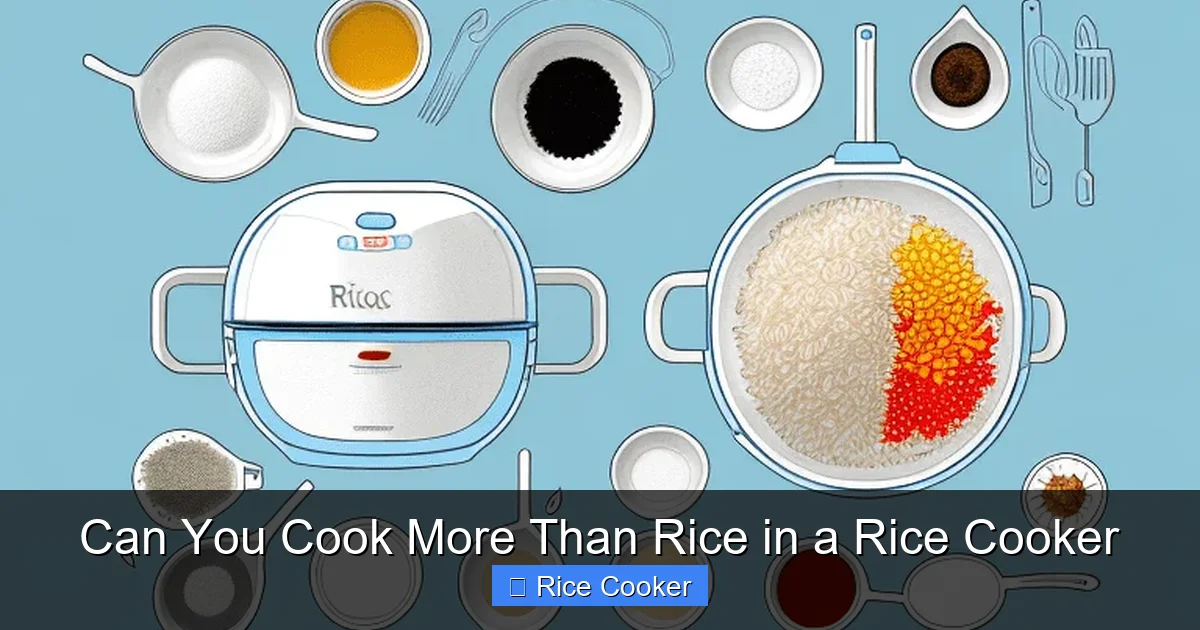
Can you cook more than rice in a rice cooker? Absolutely! Your rice cooker is a versatile kitchen tool that goes far beyond boiling grains. From hearty one-pot meals to fluffy quinoa and even sweet treats, it’s perfect for expanding your cooking repertoire with minimal effort. With the right ingredients and techniques, your rice cooker becomes a multitasking powerhouse for busy weeknights and creative meals alike.
Key Takeaways
- Versatility: A rice cooker can prepare a wide range of dishes beyond plain white or brown rice, including grains, beans, soups, and even desserts.
- Convenience: Most models offer simple “cook” settings, making it easy to set and forget while you focus on other tasks.
- Energy Efficient: Using a rice cooker for non-rice meals saves time and energy compared to using multiple pots and pans.
- Healthy Options: You can easily make nutritious meals like steel-cut oats, lentil stews, or quinoa salads with just one appliance.
- Space Saver: Instead of cluttering your stove with multiple cookware pieces, consolidate your meal prep into one compact device.
- Beginner Friendly: No advanced culinary skills required—just add ingredients, press a button, and enjoy.
- Customizable Cooking: Many modern rice cookers have specialized settings (like slow cook or steam) that enhance recipe possibilities.
[FEATURED_IMAGE_PLACEHOLDER]
Introduction: Beyond the Basics of Rice Cooking
Have you ever looked at your trusty rice cooker and thought, “This thing only makes rice?” If so, you’re not alone. For many of us, the rice cooker remains a glorified rice boiler—a device we use once a week when the pantry runs low on pasta. But what if I told you that this humble kitchen gadget could be your secret weapon for quick, healthy, and delicious meals? Yes, you can definitely cook more than rice in a rice cooker.
Modern rice cookers are designed with more than just rice in mind. Whether you’re preparing a comforting bowl of oatmeal for breakfast, a protein-packed lentil stew for dinner, or even a gooey chocolate cake as dessert, your rice cooker has the capacity and technology to handle it all. With features like programmable timers, keep-warm functions, and multiple cooking modes, these appliances are evolving into true multitaskers.
In this article, we’ll explore the exciting world of rice cooker versatility. You’ll discover creative recipes, practical tips, and clever hacks that will transform how you view this everyday appliance. From grains and legumes to savory mains and sweet treats, your rice cooker is ready to become your new favorite kitchen companion. So, let’s dive in and unlock the full potential of your rice cooker!
The Science Behind Why a Rice Cooker Works for More Than Just Rice
At first glance, it might seem strange that a machine designed to cook rice can handle everything from quinoa to chili. But understanding the science behind rice cookers explains their surprising adaptability.
Most rice cookers operate on the principle of heat transfer and moisture control. They maintain a consistent temperature—usually between 185°F and 200°F—to cook grains evenly. This controlled environment isn’t exclusive to rice; it works equally well for other starchy foods like oats, barley, and even certain vegetables.
The key lies in the rice cooker’s ability to absorb excess water and regulate steam. When you add liquid and heat, the appliance monitors the moisture level. Once the water evaporates, the internal thermostat detects the change and switches off the heating element. This automatic shutoff prevents overcooking and ensures perfectly cooked grains every time.
Additionally, many modern rice cookers come with additional functions like steaming baskets, slow-cook settings, and even yogurt-making modes. These features further expand what you can prepare. For example, the steaming tray lets you cook fish or vegetables while your grain base cooks below. The slow-cook function mimics a crockpot, ideal for stews and braised dishes.
Because rice cookers are sealed environments, they trap heat efficiently. This means ingredients retain flavor, nutrients, and moisture better than if cooked on an open flame. That’s why recipes like pilafs, risottos, and even risottos can turn out so well—even without constant stirring.
So, whether you’re making a pot of jambalaya, a batch of polenta, or a creamy mushroom risotto, the rice cooker’s design supports a variety of textures and cooking styles. It’s not magic—it’s engineering!
Grains and Legumes: Expanding Your Grain Bowl Repertoire
One of the easiest ways to get creative with your rice cooker is by experimenting with different grains and legumes. While rice is the classic choice, there are countless alternatives that cook beautifully in the same appliance.
Quinoa and Ancient Grains
Quinoa is a nutritional powerhouse that cooks quickly and absorbs flavors well. To prepare quinoa in your rice cooker, use a 1:2 ratio of quinoa to water (or broth for extra flavor). Add a pinch of salt, a drizzle of olive oil, and any herbs or spices you like. Press cook and let it steam for 15 minutes. The result? Fluffy, protein-rich quinoa perfect for salads, bowls, or as a side dish.
Ancient grains like farro, barley, and millet also work great. Farro, for instance, takes a bit longer but yields a chewy texture ideal for grain bowls. Barley, especially pearl barley, becomes tender and creamy—perfect for soups or pilafs. Millet adds a nutty flavor and soft bite, great with roasted vegetables.
Beans and Lentils
Who knew your rice cooker could cook beans? Yes, it’s possible—and much easier than traditional stovetop soaking methods. For dried beans, rinse them thoroughly, add water (about two cups per cup of beans), and set the cooker to “slow cook” or “bean” mode if available. Let it cook for 6–8 hours until tender.
Lentils, however, don’t need pre-soaking. Simply add rinsed lentils, water, and seasonings, then cook on high for 30–40 minutes. Red lentils break down faster and are great for dals, while green or brown lentils hold their shape well for salads or curries.
Oats and Porridge
Breakfast lovers, rejoice! Your rice cooker can make creamy overnight oats or hot porridge in minutes. Use rolled oats with a 2:1 ratio of oats to liquid (water, milk, or plant-based alternative). Add cinnamon, nuts, or fruit for flavor. Set it to cook for 20–30 minutes, and you’ll have a warm, comforting bowl ready to eat.
Steel-cut oats take longer—about 45 minutes—but yield a chewier texture. Just increase the liquid slightly to prevent sticking.
Tip: Seasoning and Flavoring
To elevate your grain and legume dishes, experiment with seasonings. Try turmeric and cumin for Indian-inspired dishes, smoked paprika for Mexican flair, or garlic and rosemary for Mediterranean flavors. A splash of soy sauce or lemon juice at the end adds brightness.
Savory One-Pot Meals: From Stews to Casseroles
One of the most underrated uses of a rice cooker is making hearty, one-pot meals. These dishes are perfect for busy weeknights when you want something warm, filling, and easy to clean up.
Lentil and Vegetable Stew
Combine red lentils, diced carrots, celery, onions, garlic, and canned tomatoes. Add vegetable broth and a bay leaf. Season with cumin, coriander, and a pinch of chili flakes. Cook on high for 35–40 minutes. Serve with crusty bread or over quinoa for a complete meal.
Chicken and Rice Casserole
Brown chicken thighs in a skillet, then place them in the rice cooker with rice, chopped bell peppers, peas, and chicken broth. Add a packet of ranch mix or your favorite seasoning blend. Cook for 30 minutes, then let it rest for 10 minutes before serving. The rice absorbs all the juices, creating a rich, flavorful dish.
Jambalaya
A classic Cajun dish that’s surprisingly simple in a rice cooker. Sauté sausage and onions in a pan, then add to the cooker with rice, diced tomatoes, chicken broth, and seasonings like oregano, thyme, and a dash of hot sauce. Stir in shrimp during the last 5 minutes. Cook for 25–30 minutes total. The result is a spicy, smoky, one-pan wonder.
Vegetarian Chili
Layer black beans, kidney beans, corn, diced tomatoes, onions, and bell peppers in the rice cooker. Add chili powder, cumin, garlic powder, and a splash of lime juice. Cook on high for 40 minutes. Top with avocado, cilantro, and a dollop of sour cream for a restaurant-quality meal.
Pro Tip: Browning Before Cooking
For deeper flavor, brown meats or onions in a separate pan before adding them to the rice cooker. This step builds umami and prevents blandness, especially in long-cooking dishes.
Desserts and Baked Goods: Sweet Surprises in Your Rice Cooker
Yes, you read that right—your rice cooker isn’t just for salty meals. With the right recipes, it can whip up delightful desserts and baked goods too.
Rice Pudding
A timeless dessert that’s incredibly easy in a rice cooker. Combine arborio rice, whole milk, sugar, vanilla extract, and a pinch of salt. Cook on high for 45–50 minutes, stirring occasionally. For variation, add raisins, cinnamon, or cardamom. Serve warm with a sprinkle of nutmeg.
Chocolate Mug Cake (Scaled Up)
While mug cakes are typically single-serving, you can adapt the recipe for the rice cooker. Mix flour, sugar, cocoa powder, egg, milk, and melted butter in the inner pot. Cook on high for 10–12 minutes. It won’t rise like a traditional cake, but it will be fudgy and delicious.
Banana Oat Cookies
Mash ripe bananas and mix with oats, a spoonful of peanut butter, a dash of cinnamon, and optional chocolate chips. Drop spoonfuls into the rice cooker and cover. Cook on high for 20–25 minutes. These no-bake cookies are perfect for a quick snack or dessert.
Steamed Puddings and Custards
Use the steaming basket to cook puddings like tapioca or sago. Combine your pudding base (made with milk, sugar, and tapioca pearls) with flavorings, pour into ramekins, and place them in the steamer. Cook for 30–40 minutes until set.
Cautions with Desserts
Avoid sugary liquids that might damage the non-stick coating. Always use the minimum amount of liquid recommended and clean the pot immediately after use.
Healthy and Diet-Friendly Options
If you’re watching your calories, managing diabetes, or following a specific diet, your rice cooker can still support your health goals.
Low-Carb and Keto-Friendly
Swap rice for cauliflower rice or shirataki noodles. Cook cauliflower florets with a little olive oil and garlic for a flavorful side. For keto-friendly grain bowls, try chia seeds, flaxseeds, or almond flour-based mixes.
Gluten-Free
Rice cookers naturally accommodate gluten-free diets. Use certified GF grains like brown rice, quinoa, millet, or buckwheat. Be cautious with pre-mixed seasoning packets—always check labels.
Diabetic-Friendly
Choose low-glycemic grains like barley, quinoa, or farro. Pair them with protein and healthy fats to stabilize blood sugar. Avoid added sugars in recipes.
Portion Control Made Easy
Many rice cookers come with measuring cups and markings inside the pot. Use these to portion out servings accurately, helping you manage calorie intake.
Hydration and Weight Loss
Cooking grains and legumes in broth instead of water increases satiety and reduces calorie density. Add fiber-rich veggies to boost fullness.
Tips for Success: Maximizing Your Rice Cooker’s Potential
Even the best appliance needs a few tricks to perform at its peak. Here are some pro tips to help you get the most out of your rice cooker:
Use the Right Amount of Liquid
Too much water leads to mushy results. Too little causes dryness. Follow standard ratios: 1:2 for most grains, 1:2.5 for oats, and 1:3 for barley. Adjust based on your cooker model.
Preheat the Inner Pot
For sticky grains like sticky rice or oatmeal, lightly grease the inner pot and preheat it with a splash of oil before adding ingredients. This prevents sticking.
Avoid Overfilling
Never exceed the max fill line. Overfilling restricts airflow and can lead to uneven cooking or overflow.
Clean Immediately
Residue from beans, lentils, or sauces can harden and stain the pot. Clean it right after use with warm, soapy water and a soft sponge.
Experiment with Timing
Some recipes benefit from resting time after cooking. Let stews sit for 10–15 minutes before serving to meld flavors.
Upgrade with Accessories
Invest in a steaming basket or trivet. These accessories allow you to cook multiple components simultaneously—like rice and broccoli—saving time and energy.
Read Your Manual
Every rice cooker is different. Check your user guide for specific care instructions, recommended cook times, and safety tips.
Conclusion: Your Rice Cooker Is More Than Meets the Eye
So, can you cook more than rice in a rice cooker? The answer is a resounding yes—and now you know just how far that answer goes. From nutritious grains and hearty stews to decadent desserts, your rice cooker is a versatile, efficient, and surprisingly capable kitchen tool.
Whether you’re preparing a quick weekday dinner, meal-prepping for the week, or satisfying a sweet tooth, the rice cooker offers a hands-off solution that frees up your time and simplifies cleanup. Its ability to cook a wide range of foods—without constant supervision—makes it ideal for students, busy parents, and anyone looking to eat healthier with less stress.
Don’t limit yourself to the same old recipes. Try new grains, experiment with global flavors, and surprise yourself with unexpected dishes. Your rice cooker isn’t just for rice—it’s your gateway to a world of easy, delicious, and diverse meals.
Next time you reach for the appliance, ask yourself: What else can I make here? The possibilities are endless.
This is a comprehensive guide about can you cook more than rice in a rice cooker.
Key Takeaways
- Understanding can you cook more than rice in a rice cooker: Provides essential knowledge
Frequently Asked Questions
Can you cook pasta in a rice cooker?
Yes, you can cook pasta in a rice cooker! Use a pasta-to-water ratio of about 1:3 and cook on high for 10–15 minutes. Stir halfway through to prevent sticking. Note: The pasta won’t be as firm as stovetop cooking, so adjust timing to your preference.
Is it safe to cook beans in a rice cooker?
Absolutely. Most modern rice cookers have a “bean” or “slow cook” setting ideal for dried beans. Rinse the beans, add water, and cook on high for 6–8 hours. For lentils, skip soaking and cook for 30–40 minutes. Always follow recommended liquid ratios to avoid overflow.
Can you make soup in a rice cooker?
Yes, many soups work well in a rice cooker. Add broth, vegetables, protein, and seasonings, then cook on high for 30–60 minutes depending on ingredients. For thicker soups, reduce liquid slightly. Use the keep-warm function to simmer gently without burning.
Do you need to soak grains before cooking in a rice cooker?
No, most grains like rice, quinoa, and oats don’t require soaking. However, ancient grains such as farro or barley may benefit from a short soak (30 minutes) to reduce cooking time and improve digestibility. Always check package instructions.
Can you bake bread in a rice cooker?
Yes, but with limitations. A rice cooker lacks the rising environment of a bread machine, so results are denser and smaller. Use a no-knead dough, place it in the pot, and cook on high for 60–90 minutes. Cover with a towel to trap steam. Not ideal for large loaves, but great for small batches.
How do you clean a rice cooker effectively?
Always unplug and cool the unit before cleaning. Remove the inner pot and wash with warm, soapy water. Avoid abrasive scrubbers that can damage the non-stick coating. Wipe the exterior and lid with a damp cloth. Never submerge electrical parts in water.