
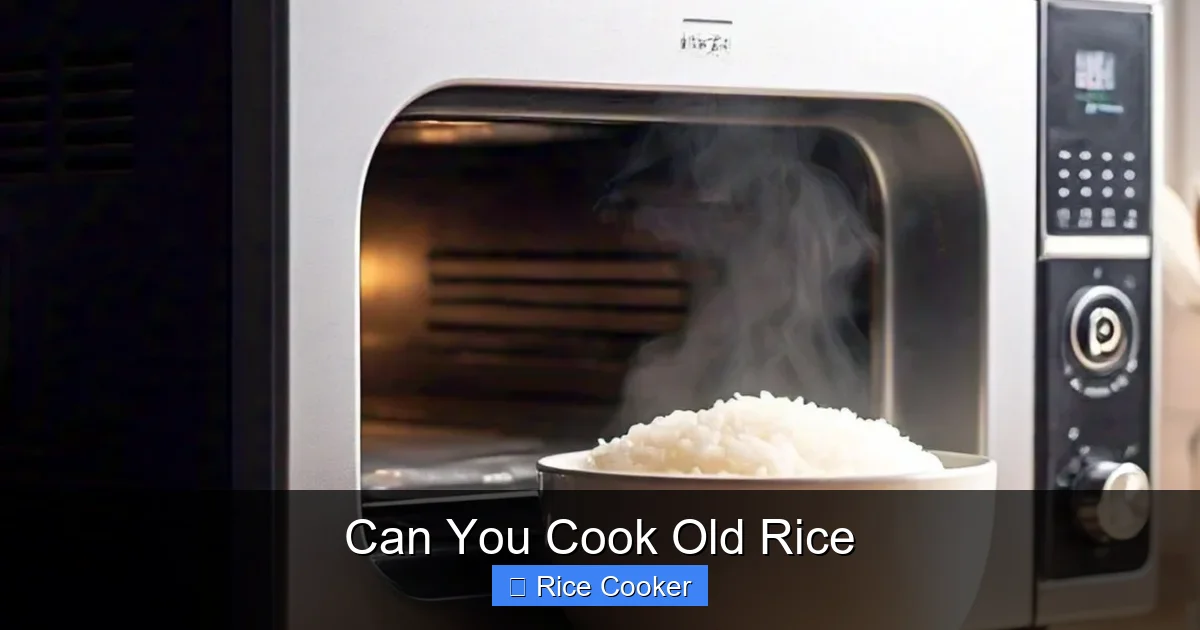
Can you cook old rice? Absolutely—but only if it’s stored properly and handled correctly. With the right techniques, even days-old rice can taste fresh again. Whether you’re reheating leftover dinner or repurposing last week’s batch, a rice cooker makes the process simple and effective. This guide covers everything from safety checks to flavor enhancement, so your old rice becomes a kitchen star once more.
Key Takeaways
- Safety First: Old rice is generally safe to eat as long as it’s stored in airtight containers and kept refrigerated or frozen within two hours of cooking.
- Reheating Matters: Use a rice cooker on the “warm” or “reheat” setting to gently restore moisture without burning—never microwave dry, cold rice directly.
- Flavor Boosters: Add a splash of broth, butter, or soy sauce during reheating to revive blandness caused by age and dryness.
- Texture Tips: Steam old rice for 5–10 minutes before reheating to soften grains and prevent them from turning mushy.
- Best Uses for Old Rice: Ideal for fried rice, rice pudding, casseroles, or stuffing—dishes where texture changes are less noticeable.
- Storage Guidelines: Cool rice completely before storing; use within 4–6 days in the fridge or up to 3 months frozen for best quality.
📑 Table of Contents
Can You Cook Old Rice?
Have you ever found yourself staring at a container of rice that’s been sitting in the back of your fridge for days—maybe even weeks? That familiar sight might spark two thoughts: “Is this still good?” and “Can I actually cook it again?” The short answer? Yes, you absolutely can cook old rice—but doing it right makes all the difference.
Rice is one of the most versatile foods in any kitchen, but like many pantry staples, it doesn’t last forever. Once cooked, rice begins losing moisture and flavor quickly. Yet, contrary to what some myths suggest, old rice isn’t automatically unsafe. In fact, with proper handling and smart reheating techniques, you can bring even aged grains back to life—especially when using a rice cooker.
In this article, we’ll walk through everything you need to know about cooking old rice safely and deliciously. From understanding spoilage signs to transforming stale grains into fluffy, fragrant meals, you’ll learn how to reduce waste and make every grain count. Plus, we’ll share pro tips for storing rice correctly so it stays usable longer. Ready to turn yesterday’s leftovers into tomorrow’s comfort food?
Understanding Rice Shelf Life and Safety
How Long Is Old Rice Still Good?
Let’s start with the basics: how long does cooked rice last? According to food safety experts at the USDA and FDA, cooked white rice should be refrigerated within two hours of cooking. If temperatures are above 90°F (32°C), that window shrinks to just one hour. When stored properly in an airtight container, refrigerated rice remains safe for up to 4–6 days.
Visual guide about Can You Cook Old Rice
Image source: ediblenosh.com
Frozen rice, on the other hand, can keep for much longer—up to three months—though its texture may degrade slightly over time. Brown rice behaves similarly but tends to go stale faster due to its natural oils. So yes, “old rice” is perfectly fine to consume as long as it passes basic safety checks.
Signs Your Old Rice Has Gone Bad
Even if your rice looks okay, here are red flags to watch for:
- Mold: White, gray, or green fuzzy spots mean immediate disposal.
- Unpleasant Odor: A sour or rancid smell indicates bacterial growth or oil spoilage.
- Off Texture: Slimy or overly sticky grains suggest contamination.
- Discoloration: Dark patches or unusual color changes signal deterioration.
If you notice any of these, toss the rice immediately—don’t risk foodborne illness.
The Risk of Bacillus Cereus
One common concern about old rice is the potential presence of Bacillus cereus, a bacteria that produces heat-stable toxins. These spores survive standard cooking and can multiply in warm, moist environments. However, proper refrigeration slows their growth significantly. Reheating rice thoroughly to 165°F (74°C) kills remaining bacteria, making previously stored rice safe again.
So while it’s true that improperly stored rice poses risks, following food safety guidelines eliminates most dangers. Think of it like this: rice itself isn’t dangerous—how you handle it is.
Preparing Old Rice for Cooking
Inspect Before You Start
Before touching your old rice, give it a quick once-over. Pour the grains into a colander or bowl and look for:
– Strange colors or clumps
– Unusual smells when you sniff near the container
– Any visible mold or insects
If everything looks normal, proceed—but always wash your hands and utensils first to avoid cross-contamination.
Fluff and Separate Grains
Cooked rice often sticks together over time, especially if stored uncovered or in humid conditions. Use a fork or rice paddle to gently fluff the grains. This step ensures even heating later and prevents mushy spots when reheating.
Assess Moisture Levels
Old rice typically dries out. Run your fingers through the grains—if they feel brittle or crumbly, they’ll need extra moisture during reheating. Conversely, if they’re clumping tightly, you might want to add a teaspoon of water per cup before cooking.
Reheating Old Rice in a Rice Cooker: Step-by-Step Guide
A rice cooker isn’t just for making new rice—it’s also perfect for reviving old batches. Its gentle heat and controlled settings prevent scorching and help redistribute moisture evenly. Here’s how to do it safely and effectively.
Visual guide about Can You Cook Old Rice
Image source: foodhow.com
Method 1: Using the Warm Setting
If your rice cooker has a “warm” function (not “cook”), this is ideal for short-term reheating.
- Add 1–2 tablespoons of water or broth per cup of rice.
- Place rice in the inner pot and stir lightly.
- Close lid and select “warm.” Wait 10–15 minutes—don’t open lid frequently.
- Check texture; if still dry, repeat with another tablespoon of liquid.
Method 2: Full Reheat Cycle
For drier or older rice, run a full reheat cycle.
- Measure your rice and add liquid (water, broth, or milk for creamy dishes).
- Set ratio: 1 part rice to 1/4–1/3 part liquid (more if very dry).
- Press “cook” and let it complete the cycle—even if it starts “warming.”
- Let sit 5 minutes after shutoff for final tenderness.
Method 3: Steaming First
For extremely stiff or compacted rice, pre-steam to loosen grains.
- Place rice in a steamer basket over boiling water.
- Steam for 5–8 minutes until slightly softened.
- Transfer to rice cooker with added liquid and reheat as usual.
Pro Tips for Best Results
- Don’t Overfill: Leave space in the pot for steam circulation.
- Use Broth Instead of Water: Adds richness and prevents blandness.
- Cover While Heating: Traps steam and speeds up rehydration.
- Stir Gently Midway: Helps distribute heat and moisture evenly.
Creative Ways to Use Old Rice
Sometimes, reheating feels too plain. Why not transform old rice into something exciting? Here are six delicious ideas that mask texture issues and maximize flavor.
1. Classic Fried Rice
Fried rice is arguably the best use for day-old rice because:
- Dry grains crisp up nicely in hot oil
- Veggies, eggs, and sauces hide minor inconsistencies
- It’s fast, filling, and customizable
Recipe shortcut: Sauté diced onions, garlic, carrots, and peas in oil. Push veggies aside, scramble eggs, then mix in rice. Add soy sauce, sesame oil, and optional protein. Cook 3–5 minutes until heated through.
2. Rice Pudding
Perfect for sweet old rice! The slow-cooking method softens even tough grains.
Ingredients: 2 cups cold rice, 2½ cups whole milk, ¼ cup sugar, ½ tsp vanilla, cinnamon to taste.
Instructions: Combine all in saucepan. Simmer 20–25 minutes, stirring often, until thickened. Serve warm with fruit or nuts.
3. Stuffed Peppers or Vegetables
Mix rice with ground meat, beans, herbs, and spices. Stuff into bell peppers, zucchini boats, or tomato halves. Bake at 375°F (190°C) for 30–40 minutes.
4. Rice Casserole
Layer rice with cheese, cream of mushroom soup, and crispy bacon. Top with breadcrumbs. Bake covered 30 minutes, uncovered 10 for browning.
5. Rice Balls or Arancini
Form rice into balls, coat in egg and breadcrumbs, then fry or bake. Serve with marinara or aioli.
6. Grain Bowls
Build bowls with rice, roasted veggies, protein, and dressing. Dry rice adds nice crunch contrast.
Storing Rice Like a Pro
Cooling Down Fast
Never leave cooked rice sitting at room temperature overnight. Spread it on a baking sheet or shallow pan to cool rapidly within 2 hours. Then transfer to airtight containers—glass or BPA-free plastic work well.
Label and Date Everything
Write the date on your container so you remember when it was made. This helps prevent confusion and reduces waste.
Freezing for Long-Term Storage
Portion rice into freezer-safe bags or containers. Squeeze out air before sealing. Label with date and quantity. Thaw overnight in the fridge before reheating.
Avoid Common Mistakes
- Storing rice in metal containers (can cause metallic taste)
- Leaving lids slightly ajar (dries out rice)
- Piling rice directly onto refrigerator shelves (risk of cross-contamination)
Common Myths About Old Rice Debunked
Let’s clear up some misconceptions once and for all.
Myth #1: Old Rice Causes Food Poisoning
Truth: Only if mishandled. Proper cooling, storage, and reheating eliminate most risks. Many cultures regularly eat fermented or aged rice dishes without issue.
Myth #2: Microwaving Is Always Safe
Truth: Microwaving works—but dry, cold rice can create hot spots and uneven texture. A rice cooker offers gentler control.
Myth #3: All Old Rice Must Be Discarded
Truth: As long as it smells, looks, and feels normal, it’s likely fine. Trust your senses—not fear.
Final Thoughts: Make Every Grain Count
Old rice doesn’t have to mean wasted rice. With the right mindset and tools—especially a trusty rice cooker—you can extend its life, cut down on food waste, and enjoy creative meals you’d never think possible.
Remember: safety comes first. Check for spoilage, store promptly, and reheat thoroughly. But don’t let caution stop you from enjoying every last bite. Whether you’re whipping up fried rice for lunch or turning stale grains into comforting pudding, old rice has plenty to offer.
Next time you see a container of yesterday’s rice, smile instead of sigh. Because in your kitchen, old rice isn’t forgotten—it’s just waiting for its next delicious chapter.
Frequently Asked Questions
Is old rice safe to eat?
Yes, old rice is safe as long as it was stored properly in the fridge or freezer within two hours of cooking. Always check for mold, off smells, or sliminess before eating.
How do I reheat old rice without making it mushy?
Add moisture gradually—start with 1–2 tablespoons of water or broth per cup of rice. Use a rice cooker on warm or reheat mode, and avoid over-stirring during cooking.
Can I freeze old rice?
Absolutely. Portion cooled rice into airtight containers or freezer bags, label with the date, and freeze for up to 3 months. Thaw in the refrigerator before reheating.
Why does old rice taste bland?
Over time, rice loses moisture and volatile flavor compounds. Adding a splash of broth, butter, or soy sauce during reheating restores richness and depth.
What’s the best way to store cooked rice?
Cool rice quickly, place in an airtight container, and refrigerate within two hours. Store no longer than 4–6 days in the fridge for optimal texture and safety.
Should I rinse old rice before reheating?
No. Rinsing removes nutrients and can make rice soggy. Just fluff it gently with a fork and add liquid as needed during reheating.