
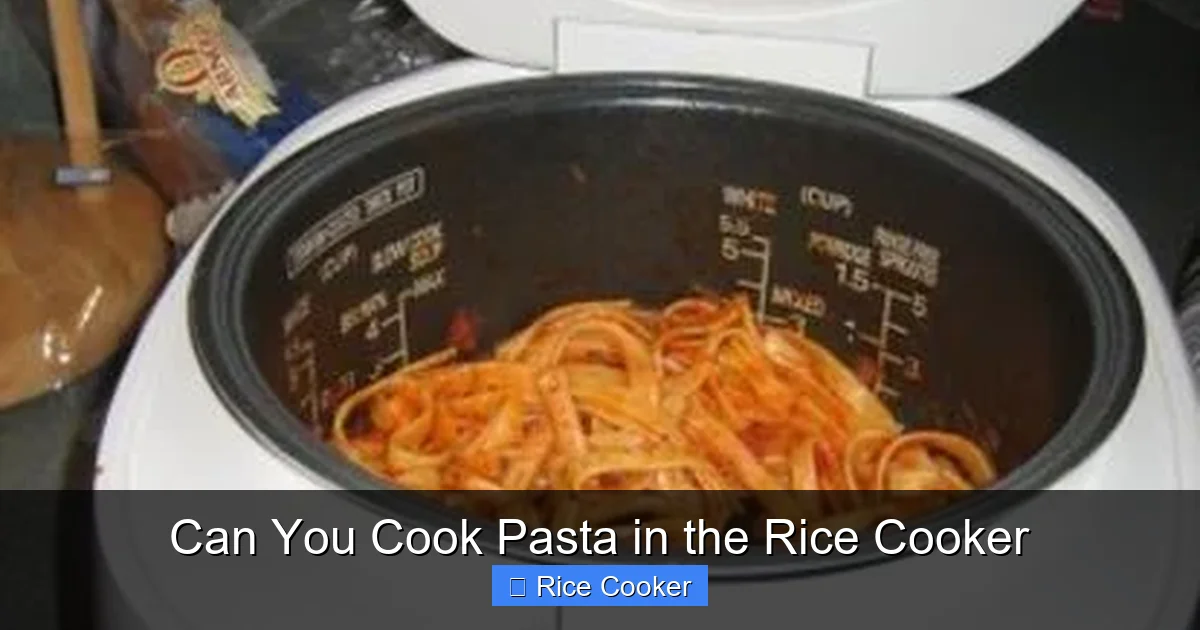
Can you cook pasta in the rice cooker? Absolutely! Using your rice cooker for pasta is not only possible—it’s a game-changer for busy weeknights. With the right technique, you’ll get tender, evenly cooked noodles without the hassle of boiling water on the stove.
This method saves counter space, uses less energy than a pot, and gives consistent results every time. Whether you’re making spaghetti, penne, or elbow macaroni, your rice cooker can do the job just as well. Plus, cleanup is easier since everything happens in one pot.
Key Takeaways
- Yes, you can cook pasta in a rice cooker: It’s a simple and effective alternative to traditional boiling methods.
- You don’t need special settings: Most rice cookers work using the “Cook” function like you would for white rice.
- Pre-soaking isn’t always necessary: While soaking helps, many modern recipes skip this step and still yield great results.
- It saves time and energy: No need to monitor a pot or clean a separate bowl after draining.
- Perfect for meal prep: Cook large batches of pasta ahead of time and reheat easily.
- Great for gluten-free options: Rice cookers work well with quinoa pasta and other grain-based alternatives.
- Customize with sauces and toppings: Add sauce directly into the cooker after cooking for flavorful, one-pot meals.
📑 Table of Contents
- Can You Cook Pasta in the Rice Cooker? The Ultimate Guide to Effortless One-Pot Meals
- Why Use a Rice Cooker for Pasta?
- What Types of Pasta Work Best?
- Step-by-Step: How to Cook Perfect Pasta in a Rice Cooker
- Troubleshooting Common Issues
- Advanced Techniques & Creative Uses
- Comparing Rice Cooker vs. Traditional Boiling
- Frequently Asked Questions About Cooking Pasta in a Rice Cooker
- Final Thoughts: Embrace the Versatility of Your Rice Cooker
Can You Cook Pasta in the Rice Cooker? The Ultimate Guide to Effortless One-Pot Meals
Have you ever come home exhausted after a long day, opened your pantry, and realized you have pasta but no time to stand over a bubbling pot of water? Or maybe you’re trying to minimize kitchen clutter during a busy week? If so, your rice cooker might just be the unsung hero of your kitchen.
Yes—you read that right. You can absolutely cook pasta in the rice cooker. In fact, it’s one of the most underutilized tricks for simplifying dinner prep. Instead of heating up a large pot, waiting for it to boil, adding salt, stirring occasionally, and then cleaning up afterward, you can let your rice cooker handle it all in one go. All you need are three ingredients: pasta, water, and a pinch of salt. That’s it.
This method isn’t just a gimmick—it’s backed by real-world success from home cooks and even some chefs. Whether you’re a college student, a parent juggling multiple tasks, or someone who simply loves easy cleanup, learning how to cook pasta in the rice cooker could change the way you think about quick meals forever.
Why Use a Rice Cooker for Pasta?
If you’re wondering why anyone would use a rice cooker to cook pasta, let me break down the benefits:
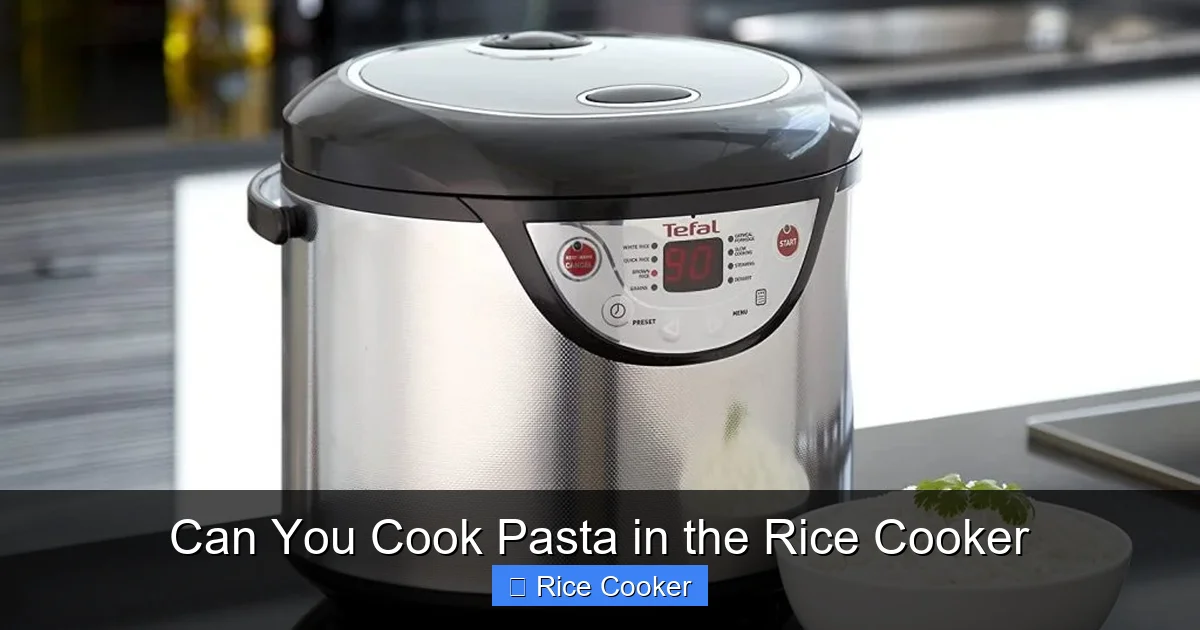
Visual guide about Can You Cook Pasta in the Rice Cooker
Image source: thewhiskingkitchen.com
- Convenience: One appliance, one pot, one step.
- Energy Efficiency: A rice cooker uses less electricity than a stove burner.
- Less Mess: No overflowing pots or stuck-on starchy residue.
- Consistent Results: Your rice cooker maintains a steady temperature, preventing burnt bottoms.
- Hands-Off Cooking: Once you press start, you can focus on chopping veggies, setting the table, or relaxing.
And here’s a fun fact: rice cookers were originally designed to mimic stovetop cooking conditions—so they’re naturally suited for grains and starches. Pasta is essentially just dried wheat (or other grain) that absorbs water and swells when heated. Since rice cookers are built to cook rice by submerging it in water, the same principle applies to pasta.
The Science Behind It: How Rice Cookers Cook
Rice cookers work by heating water through an internal heating plate at the base of the inner pot. As the water heats, it transfers heat to the food inside. Unlike stovetops, which rely on direct flame and convection currents, rice cookers use conduction and steam to cook evenly.
This means the entire pot of water stays at a consistent temperature—usually around 100°C (212°F), the boiling point at sea level. That steady heat is perfect for pasta, which needs consistent simmering to soften without turning mushy.
Modern rice cookers also come with sensors that detect when the water has evaporated or when the food is done. Some models even switch to “warm” mode automatically, which helps keep your pasta ready until you’re ready to eat.
What Types of Pasta Work Best?
Not all pasta is created equal—and not all will perform the same in your rice cooker. Here’s what works best:
Visual guide about Can You Cook Pasta in the Rice Cooker
Image source: ricearray.org
- Dried Short Pasta: Think penne, rotini, rigatoni, elbow macaroni, and ziti. These shapes hold their structure well and cook evenly.
- Dried Long Pasta: Spaghetti, fettuccine, linguine—these can work too, but may require slightly more liquid or extra stirring to prevent sticking.
- Fresh Pasta: Generally not recommended. Fresh pasta cooks much faster than dried and can become mushy if left unattended.
- Gluten-Free Pasta: Yes! Brands like Banza (made from chickpeas) or Ancient Harvest quinoa pasta work surprisingly well. Just check the package directions for water ratios.
Avoid hollow tubes like farfalle or ravioli unless you’re okay with them floating to the top. Also, avoid very thin noodles like capellini—they tend to clump together.
Tips for Choosing the Right Pasta
- Go for dried pasta labeled “extra firm” or “high protein”—they hold up better during longer cook times.
- If using gluten-free pasta, look for ones specifically designed to mimic wheat texture.
- Stick to small to medium-sized pasta for even cooking.
Step-by-Step: How to Cook Perfect Pasta in a Rice Cooker
Ready to try it yourself? Follow these simple steps for foolproof pasta every time:
Ingredients & Tools You’ll Need
- Your favorite dried pasta (about 8–10 oz)
- Water (use a ratio of roughly 3 cups water per 1 cup pasta)
- Salt (1 teaspoon per 4 cups water)
- Optional: Olive oil (1–2 tablespoons, though it’s not required)
- A rice cooker with a non-stick inner pot
Instructions
- Add water first. Pour the measured water into the rice cooker pot. Add salt and optional olive oil.
- Add pasta. Gently place the dry pasta into the water. Do not stir yet—just let it sink.
- Close and press “Cook.” Secure the lid and turn on the rice cooker. Let it run its full cycle.
- Wait for natural release. Once the cooker shuts off, wait 5–10 minutes before opening. This allows residual heat to finish cooking any uncooked bits.
- Stir gently. Open the lid and stir the pasta with a fork or tongs. If it looks too wet, leave the lid off for a few minutes to let steam escape.
- Add sauce and serve. Toss with your favorite marinara, pesto, Alfredo, or olive oil and Parmesan.
Pro Tips for Success
- Don’t overcrowd: Too much pasta can lead to clumping. Stick to the recommended ratio.
- Use a timer: Even if your rice cooker doesn’t auto-detect doneness, most dried pasta takes 10–15 minutes.
- Test for al dente: Taste a strand after 12 minutes. It should be tender but still have a slight bite.
- Save pasta water: If you plan to add sauce, reserve some starchy cooking water to help bind the sauce.
Troubleshooting Common Issues
Even with the best techniques, things can go wrong. Here’s how to fix common problems:
Pasta Sticks Together
This usually happens when there’s not enough water or the pasta wasn’t stirred occasionally. Next time, increase your water ratio slightly (try 4:1 water-to-pasta) and give the pot a gentle swirl halfway through cooking.
Pasta Is Too Soft or Mushy
Overcooking is the culprit. Rice cookers sometimes run longer than expected. To prevent this, set a timer after the cooker starts. For most dried pasta, 12–14 minutes is ideal.
Pasta Floats to the Top
Lighter shapes like farfalle or penne can float due to air pockets. Try breaking them slightly or using a heavier pasta like rigatoni instead.
No Sauce Sticks to the Pasta
Starchy pasta water is key! When draining (if applicable), save a ladleful of hot water and mix it into your sauce before adding the pasta.
The Cooker Doesn’t Turn On
Make sure the inner pot is properly seated and the lid is closed securely. Some models won’t activate unless both are locked in place.
Advanced Techniques & Creative Uses
Once you master basic pasta cooking, your rice cooker opens up a world of culinary possibilities.
One-Pot Pasta Dishes
Cook pasta, vegetables, and protein all together in one pot. For example:
- Mediterranean Pasta: Add diced tomatoes, spinach, black olives, and chicken breast along with the pasta.
- Vegetable Medley: Toss in zucchini, bell peppers, mushrooms, and garlic for a hearty vegetarian meal.
- Meatball Pasta:: Place frozen meatballs at the bottom, cover with pasta and water, and let everything steam together.
Just remember to adjust cooking time—veggies and proteins may need extra minutes. Consider pre-cooking meats or blanching veggies separately if needed.
Batch Cooking & Meal Prep
Want to make 10 servings of spaghetti for the week? No problem. Simply double or triple your recipe and store in airtight containers. Reheat individual portions in the microwave with a splash of water to restore moisture.
Gluten-Free & Vegan Options
Swap regular pasta for:
- Banza chickpea pasta (higher fiber, lower carb)
- Quinoa or brown rice pasta
- Corn or buckwheat varieties
These often require a bit more water and longer cook times. Always follow package instructions.
Comparing Rice Cooker vs. Traditional Boiling
Let’s put this method side-by-side with the classic stove-top approach:
| Method | Time | Cleanup | Energy Use | Ease of Use |
|---|---|---|---|---|
| Rice Cooker | 10–15 min | Very easy (one pot) | Low | Extremely hands-off |
| Stove + Pot | 8–12 min + monitoring | Harder (multiple dishes) | Higher | Requires attention |
As you can see, the rice cooker wins on convenience and efficiency. You’re saving time, energy, and effort—all while getting equally tasty results.
Frequently Asked Questions About Cooking Pasta in a Rice Cooker
Do I need to soak the pasta before cooking?
No, soaking isn’t necessary and actually counterproductive. Soaking softens pasta prematurely and leads to uneven cooking. Dry pasta absorbs water as it cooks, which is exactly what you want.
Can I use fresh pasta in the rice cooker?
Generally, no. Fresh pasta cooks in just 2–3 minutes on the stove. In a rice cooker, it can turn into a gluey mess. Stick to dried pasta for best results.
How much water do I need?
A good rule of thumb is 3–4 cups of water per 1 cup of dry pasta. Start with 3:1 and adjust based on your results. More water = less sticking, but don’t go overboard—too much will dilute flavors.
Will my rice cooker burn the pasta?
Unlikely. Most rice cookers have automatic shutoff and maintain consistent heat. However, if you notice burning, it may mean the water level was too low or the inner pot wasn’t clean. Always ensure proper water levels and rinse the pot before use.
Can I cook pasta and sauce together?
Yes! After the pasta is fully cooked, open the lid, add your sauce, and stir gently. The residual heat will warm the sauce without overcooking the pasta. Just be careful not to add cold sauce directly—it can stop the cooking process.
Is this method safe for electric rice cookers?
Absolutely. Electric rice cookers are designed for cooking starchy foods. Just avoid metal utensils that could scratch the non-stick coating. Wooden spoons or silicone tools work best.
Final Thoughts: Embrace the Versatility of Your Rice Cooker
Cooking pasta in the rice cooker isn’t just a clever hack—it’s a practical solution that fits seamlessly into modern, fast-paced lifestyles. Whether you’re feeding a family, meal-prepping for the week, or simply craving a quick bowl of spaghetti, this method delivers consistent, delicious results with minimal fuss.
And the beauty of it? Your rice cooker is probably already sitting in a cabinet, gathering dust. Now you know how to put it to real use beyond just fluffy white rice. From whole-grain pastas to creative one-pot meals, the possibilities are endless.
So next time you reach for the pasta, skip the pot. Grab your rice cooker instead—your future self will thank you.
Frequently Asked Questions
Do I need to soak the pasta before cooking?
No, soaking isn’t necessary and actually counterproductive. Dry pasta absorbs water as it cooks, leading to even texture. Soaking can cause uneven cooking and mushy results.
Can I use fresh pasta in the rice cooker?
Generally, no. Fresh pasta cooks too quickly and can become gluey or overdone in a rice cooker. Stick to dried pasta for best results.
How much water do I need?
A good rule of thumb is 3–4 cups of water per 1 cup of dry pasta. Adjust based on your rice cooker size and desired consistency—more water reduces sticking.
Will my rice cooker burn the pasta?
Unlikely. Most rice cookers have automatic temperature control and shutoff features. Burning usually occurs only if water levels are too low or the pot isn’t clean.
Can I cook pasta and sauce together?
Yes! After the pasta finishes cooking, add your sauce and stir gently. The residual heat will warm the sauce without overcooking the pasta.
Is this method safe for electric rice cookers?
Absolutely. Electric rice cookers are designed for cooking grains and starches. Just avoid scratching the inner pot with metal utensils.