

Can you cook pearled barley in a rice cooker? Absolutely! With the right ratio and a few simple steps, your rice cooker makes cooking pearled barley quick, consistent, and hassle-free. This method yields tender, fluffy grains—perfect as a side dish, salad base, or in soups.
Key Takeaways
- Rice cookers work great for pearled barley: They offer even heat distribution and automatic shut-off, ensuring consistent results.
- Use the correct water-to-barley ratio: Typically 2:1 (water to barley) for most rice cookers, but check specific instructions for best results.
- Pre-rinse the barley: Rinsing removes excess starch and prevents clumping, leading to fluffier grains.
- Cooking time varies: Most pearled barley takes 45–60 minutes in a rice cooker, depending on the model and desired texture.
- Let it rest after cooking: Resting allows steam to distribute evenly, making the barley more digestible and easier to serve.
- Versatile uses: Cooked pearled barley is ideal for pilafs, grain bowls, soups, salads, and even desserts.
- Storage and reheating tips: Store leftovers in the fridge for up to 5 days and reheat with a splash of water or broth.
📑 Table of Contents
- Can You Cook Pearled Barley in a Rice Cooker? Yes—Here’s How!
- Why Choose a Rice Cooker for Cooking Barley?
- How to Cook Pearled Barley in a Rice Cooker: Step-by-Step Guide
- Tips for Perfect Pearled Barley in a Rice Cooker
- Common Mistakes to Avoid
- Health Benefits of Pearled Barley
- Cooking Pearled Barley Beyond the Basics
- Storing and Reheating Leftover Barley
- Comparing Barley to Other Grains in a Rice Cooker
- Troubleshooting: What to Do If Your Barley Doesn’t Turn Out Right
- Final Thoughts: Why You Should Try Cooking Barley in a Rice Cooker
Can You Cook Pearled Barley in a Rice Cooker? Yes—Here’s How!
Imagine this: It’s a busy weeknight, and you want a healthy, filling side dish that doesn’t require babysitting the stove. Or maybe you’re meal prepping for the week and need something that cooks quickly and stores well. Enter pearled barley—a nutrient-rich ancient grain with a mild, nutty flavor and chewy texture that pairs beautifully with vegetables, herbs, and proteins.
But can you cook pearled barley in a rice cooker? The short answer is yes, and it might just become your new go-to method. Unlike other grains, pearled barley doesn’t require constant stirring or careful timing—your rice cooker handles it all. Whether you’re new to grain cooking or a seasoned home cook, this method is simple, reliable, and delivers restaurant-quality results with minimal effort.
Why Choose a Rice Cooker for Cooking Barley?
If you’ve ever cooked barley on the stovetop, you know it can be a bit fussy. It needs to simmer slowly, and if you walk away for too long, it might stick or burn. Plus, getting the right consistency—tender but not mushy—can be tricky. That’s where the rice cooker shines.

Visual guide about Can You Cook Pearled Barley in a Rice Cooker
Image source: ediblenosh.com
Rice cookers are designed to automate the cooking process. They use precise temperature control and often have settings specifically for grains like barley. Once you add the ingredients and press start, you don’t have to worry about stirring or watching the pot. After cooking, many models keep the rice warm automatically, so your barley stays ready to eat until you’re done.
Another advantage? Consistency. Every batch comes out the same way—fluffy, fully cooked, and ready to use. No more guessing whether it’s undercooked or overdone. And because pearled barley absorbs liquid slowly and steadily, it’s ideal for the closed environment of a rice cooker.
The Science Behind the Method
Pearled barley has been processed to remove its outer hull, which makes it cook faster than whole barley but still retains most of its fiber and nutrients. When placed in a rice cooker, the enclosed space traps steam, creating a moist, even-heated environment perfect for gelatinizing the starches inside the grain.
This process transforms the hard, dense kernels into soft, tender morsels. The rice cooker’s heating element cycles on and off to maintain a steady temperature, preventing scorching while ensuring thorough cooking. It’s essentially like slow-cooking, but without the long wait or constant attention.
How to Cook Pearled Barley in a Rice Cooker: Step-by-Step Guide
Ready to try it? Here’s a foolproof method that works for most rice cooker models—standard or digital, with or without fuzzy logic. This recipe serves 3–4 people and takes less than an hour from start to finish.
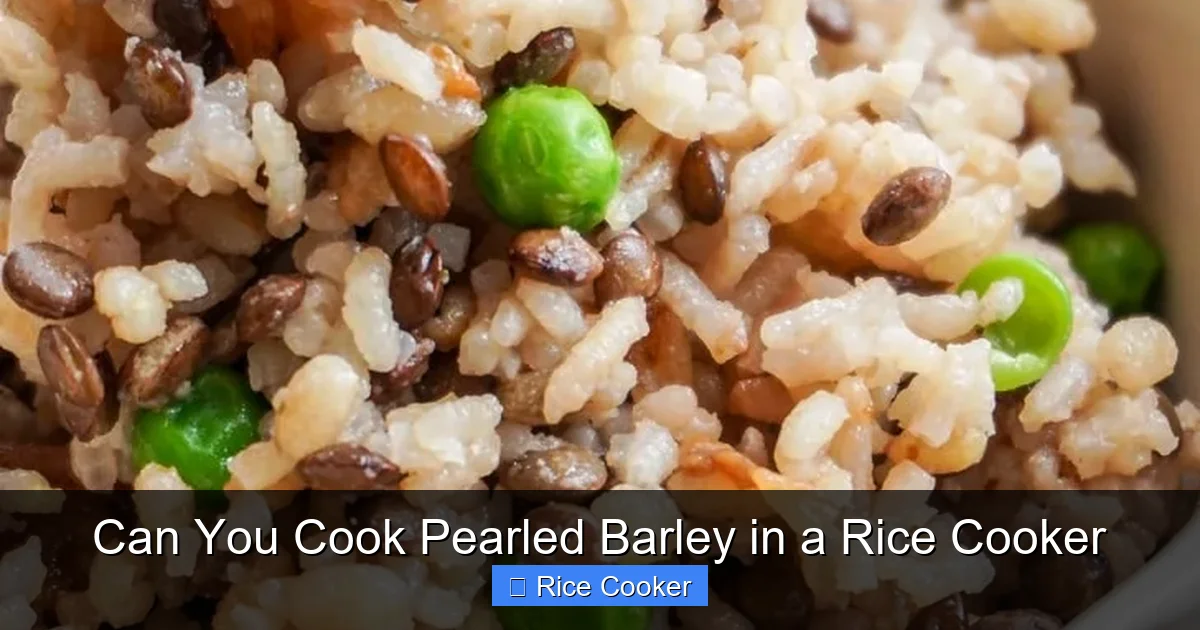
Visual guide about Can You Cook Pearled Barley in a Rice Cooker
Image source: thevietvegan.com
What You’ll Need
- 1 cup pearled barley (uncooked)
- 2 cups water (or broth for extra flavor)
- Optional: pinch of salt, 1 tablespoon olive oil or butter
Step 1: Rinse the Barley
Place the barley in a fine-mesh strainer and rinse under cold running water for about 30 seconds. This removes surface starch, which helps prevent clumping and improves texture. Skipping this step can result in gummy or sticky grains.
Step 2: Add Ingredients to the Rice Cooker
Add the rinsed barley, water, and any optional seasonings to the inner pot of your rice cooker. Stir gently to combine. Don’t skip the stir—it ensures even cooking from the beginning.
Step 3: Start Cooking
Close the lid and select the “White Rice” or “Grain” setting if your cooker has one. If not, simply press “Cook” or “Start.” Most rice cookers will take between 45 and 60 minutes to complete the cycle.
Step 4: Let It Rest
Once the cycle ends, let the barley sit, covered, for 10–15 minutes. This resting period allows the moisture to redistribute and the grains to firm up slightly. It also makes the barley easier to fluff and serve.
Step 5: Fluff and Serve
Open the lid and fluff the barley gently with a fork. Add more water or broth if it seems dry, then serve warm. Enjoy it plain, with butter and herbs, or as part of a hearty grain bowl.
Tips for Perfect Pearled Barley in a Rice Cooker
Even with a simple method, small adjustments can make a big difference. Here are some pro tips to help you nail every batch.
Use the Right Water Ratio
The standard ratio is 2 parts water to 1 part barley. However, if your rice cooker tends to absorb more or less liquid, adjust slightly. For example, if you notice leftover water after cooking, next time try reducing to 1.75 cups of water per cup of barley.
Try Broth Instead of Water
For extra flavor, replace half or all of the water with chicken, vegetable, or beef broth. This adds richness and depth, especially good in soups or savory dishes.
Don’t Overfill the Pot
Most rice cookers have a maximum fill line. Never exceed it—barley expands during cooking, and overcrowding can lead to uneven results.
Experiment with Add-ins
During cooking, you can toss in garlic cloves, bay leaves, or dried herbs for subtle flavor infusion. Just remove them before serving.
Check Doneness Before Finishing
If your rice cooker has a “Keep Warm” function, don’t rely solely on that. Taste a few grains to ensure they’re tender but still have a slight chew. If needed, return the pot to cook for 5–10 more minutes.
Common Mistakes to Avoid
Even experienced cooks can run into issues with barley. Here are the most common pitfalls and how to fix them.
Mistake 1: Not Rinsing the Barley
Unrinsed barley can be sticky and clumpy. Always rinse before cooking to achieve a light, fluffy texture.
Mistake 2: Using Too Much Water
Too much liquid leads to mushy barley. Stick to the 2:1 ratio unless you’ve tested your cooker’s absorption rate.
Mistake 3: Skipping the Resting Period
Rushing the process by opening the lid immediately can cause the barley to cool unevenly and lose moisture. Give it time to settle.
Mistake 4: Overcooking
If you leave barley on “Keep Warm” for too long, it can dry out or become tough. Use it within a few hours or refrigerate promptly.
Health Benefits of Pearled Barley
Beyond being easy to cook, pearled barley is a nutritional powerhouse. It’s naturally gluten-free (though always check packaging for cross-contamination), high in fiber, and packed with essential minerals like selenium, manganese, and magnesium.
The fiber in barley supports digestive health and helps regulate blood sugar levels. It’s also rich in antioxidants, which may reduce inflammation and support heart health. Including barley in your diet regularly can contribute to better satiety and weight management.
One cup of cooked pearled barley provides about 238 calories, 4 grams of protein, and 6 grams of fiber—making it a great addition to vegetarian or plant-based meals.
Cooking Pearled Barley Beyond the Basics
While plain cooked barley is delicious, there are countless ways to elevate it. Try these creative ideas to keep your meals interesting.
Barley Pilaf
Sauté onions and garlic in olive oil, add the rinsed barley, toast it for a minute, then pour in broth. Cook as usual, then stir in diced carrots, celery, and fresh parsley. Serve with grilled chicken or roasted vegetables.
Hearty Grain Bowl
Top cooled barley with black beans, corn, avocado slices, salsa, and a squeeze of lime. Drizzle with tahini or Greek yogurt for creaminess.
Barley Soup Base
Cook barley with onions, leeks, and garlic. Add diced tomatoes, spinach, and vegetable broth. Simmer until everything is tender. Season with thyme and a touch of lemon juice.
Sweet Barley Porridge
Replace water with milk or almond milk. Add cinnamon, a pinch of nutmeg, and a dash of vanilla. Sweeten with honey or maple syrup. Top with fresh berries and nuts.
Storing and Reheating Leftover Barley
Barley keeps well when stored properly. Transfer cooled cooked barley to an airtight container and refrigerate for up to 5 days. It can also be frozen for up to 3 months—just thaw in the fridge overnight before reheating.
To reheat, place barley in a microwave-safe bowl with a splash of water or broth. Cover and microwave in 30-second intervals, stirring in between, until heated through. Alternatively, warm it in a saucepan over low heat with a bit of liquid to prevent drying out.
Comparing Barley to Other Grains in a Rice Cooker
Many people wonder how barley compares to other grains when cooked in a rice cooker. Here’s a quick comparison:
- Brown rice: Cooks in about 45–50 minutes; slightly chewier than barley.
- Quinoa: Ready in 15–20 minutes; lighter and fluffier.
- Farro: Similar to barley but firmer; may need longer soaking.
- Millet: Quick-cooking at 15–20 minutes; mild flavor and soft texture.
Barley stands out for its heartiness and nutritional density. While it takes longer to cook than quinoa or millet, its versatility and satisfying texture make it worth the wait.
Troubleshooting: What to Do If Your Barley Doesn’t Turn Out Right
Even with the best methods, things don’t always go as planned. Here’s how to handle common issues.
Problem: Barley is Gummy or Sticky
This usually happens when not rinsed or when too much water is used. Next time, rinse thoroughly and reduce water slightly.
Problem: Barley is Still Hard in the Center
It may not have cooked long enough. Return the pot to cook for 10–15 more minutes, checking frequently.
Problem: Barley is Dry and Crunchy
Your rice cooker may absorb less liquid. Add ¼ cup more water next time and monitor closely.
Problem: Flavor is Bland
Use broth instead of water, and consider adding herbs or spices during cooking. A splash of lemon juice at the end can brighten the flavor.
Final Thoughts: Why You Should Try Cooking Barley in a Rice Cooker
Cooking pearled barley in a rice cooker isn’t just convenient—it’s transformative. This humble grain becomes effortlessly tender, flavorful, and versatile, fitting into everything from breakfast bowls to comforting soups. With minimal prep and no constant monitoring, it’s perfect for busy lifestyles.
And the best part? You don’t need special equipment or advanced skills. Just a rice cooker, some barley, and water. Once you try it, you’ll wonder why you didn’t start sooner. Whether you’re feeding a family, meal prepping, or exploring plant-based eating, pearled barley is a smart, nutritious choice.
So go ahead—grab that bag of barley, fire up your rice cooker, and discover the ease of cooking one of nature’s oldest and healthiest grains. You won’t regret it.
Frequently Asked Questions
Can I substitute water with broth when cooking pearled barley in a rice cooker?
Absolutely! Using broth adds flavor and nutrients. Replace water with vegetable, chicken, or beef broth for a richer taste. Just remember that broth may alter the color slightly.
How do I know when my pearled barley is fully cooked?
Pearled barley is done when it’s tender but still has a slight chew. Taste a few grains during the final minutes of cooking. If they’re soft yet spring back slightly when bitten, it’s ready.
Can I cook barley in a rice cooker if I have a gluten intolerance?
Yes, pearled barley is naturally gluten-free. However, always check the packaging to ensure it hasn’t been processed in a facility that handles wheat or barley varieties containing gluten.
Do I need to soak pearled barley before cooking it in a rice cooker?
No soaking is required for pearled barley. Unlike whole barley, it’s already been polished and can cook directly in the rice cooker without pre-soaking.
Can I cook barley in a rice cooker along with other grains?
You can mix barley with compatible grains like brown rice or quinoa, but cooking times may vary. It’s best to cook each separately or adjust timing carefully. Some rice cookers have multi-grain settings for this purpose.
Is cooked pearled barley safe to eat cold in salads?
Yes, cooked barley holds up well when chilled. Let it cool completely before storing, and add a bit of lemon juice or vinegar to prevent it from absorbing excess moisture from the salad dressing.