
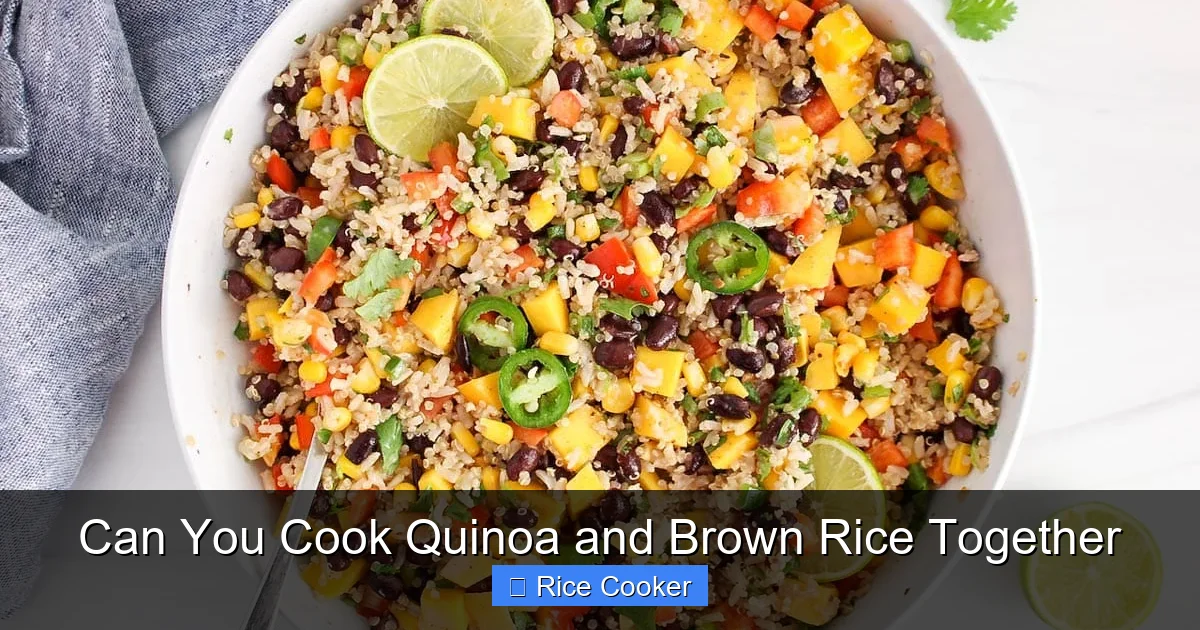
Can you cook quinoa and brown rice together? Absolutely—and doing so is easier than you think. By using the right water-to-grain ratio and cooking method, you can create a balanced, nutritious side dish or main that’s both fluffy and flavorful. This guide walks you through step-by-step instructions, troubleshooting tips, and creative ways to elevate your grain bowl game.
Key Takeaways
- Compatibility: Quinoa and brown rice can be cooked together because they have similar moisture needs and cooking times, making them ideal partners in a rice cooker.
- Proper Ratios: Use 1 cup of each grain with 2 cups of water per cup of grain total (so 2 cups water for 1 cup quinoa + 1 cup brown rice) to prevent undercooking or sogginess.
- Rinse Required: Always rinse quinoa before cooking to remove saponins, which can leave a bitter taste and help ensure even texture when mixed with brown rice.
- Cook Time Adjustment: Brown rice takes longer to cook than quinoa, so starting it first or using a timer ensures both grains finish at the same time.
- Flavor Boost: Add herbs, broth, or a splash of olive oil to enhance taste without extra effort—perfect for busy weeknight meals.
- Storage & Reheating: Cooked mixtures keep well in the fridge for up to 5 days; reheat gently with a splash of water to restore moisture.
- Customization Ideas: Mix in beans, roasted veggies, or spices to turn this simple combo into a complete, satisfying meal.
📑 Table of Contents
- Can You Cook Quinoa and Brown Rice Together?
- The Science Behind Cooking Grains Together
- Step-by-Step Guide: Cooking Quinoa and Brown Rice Together
- Common Mistakes and How to Avoid Them
- Flavor Enhancements and Creative Serving Ideas
- Health Benefits of Combining Quinoa and Brown Rice
- Tips for Perfect Texture Every Time
- Storing and Reheating Leftovers
- Conclusion: Why This Grain Combo Belongs in Every Kitchen
Can You Cook Quinoa and Brown Rice Together?
Have you ever stood in your kitchen, staring at two separate pots, wondering if there’s a smarter way to make dinner? You’re not alone. Many home cooks love the nutritional benefits of both quinoa and brown rice—quinoa for its protein and complete amino acid profile, and brown rice for its fiber and complex carbs—but cooking them separately feels like unnecessary work. The good news? Yes, you absolutely can cook quinoa and brown rice together, and doing so in a rice cooker makes it almost foolproof.
Cooking these two grains together isn’t just possible—it’s practical. With a few simple adjustments, you can enjoy a perfectly textured, nutrient-packed grain blend that’s ready in under 40 minutes. Whether you’re meal prepping for the week or whipping up a quick side dish, combining quinoa and brown rice saves time, reduces cleanup, and adds variety to your plate. In this guide, we’ll walk you through everything you need to know: how to balance cooking times, adjust water ratios, avoid common pitfalls, and even turn your grain mix into a gourmet bowl.
The Science Behind Cooking Grains Together
Why Do People Ask This Question?
At first glance, quinoa and brown rice seem like unlikely bedfellows. Quinoa cooks quickly—in about 15 minutes—while brown rice can take up to 50 minutes. One is a seed, the other a whole grain. Yet, their cooking behaviors overlap enough to make them great companions in the kitchen. Both absorb water, swell during cooking, and develop a chewy-yet-fluffy texture when done right. And since they’re both gluten-free and packed with fiber, pairing them amplifies their health benefits.
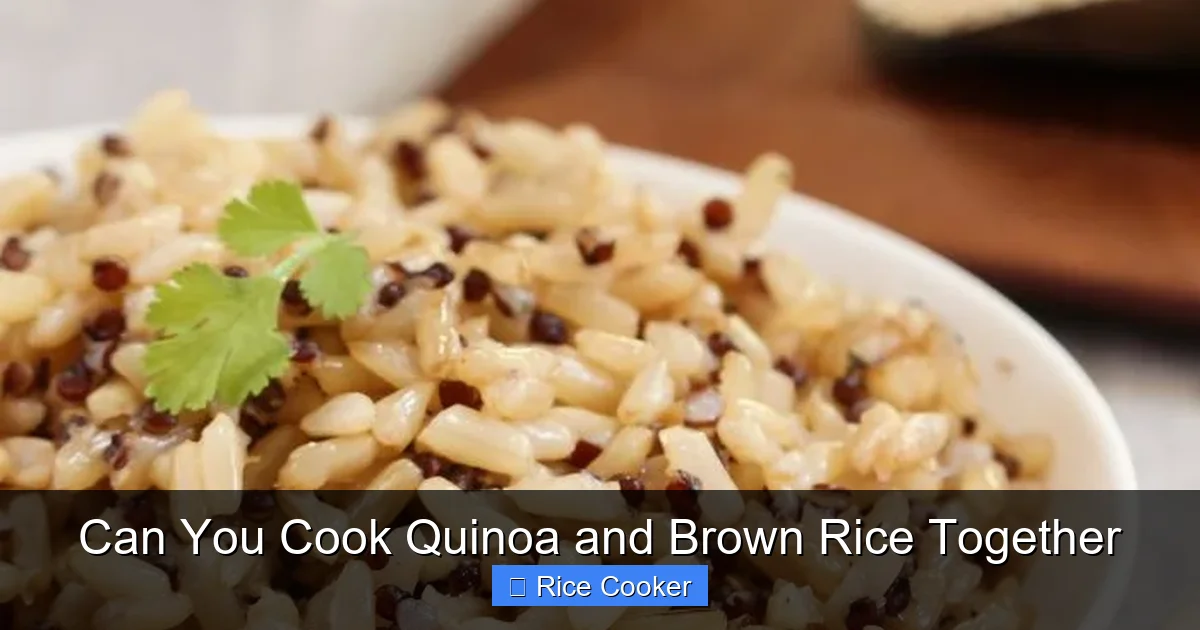
Visual guide about Can You Cook Quinoa and Brown Rice Together
Image source: theeatdown.com
How Rice Cookers Make It Easy
Rice cookers are designed to automate the cooking process, maintaining consistent heat and monitoring moisture levels. This means you don’t have to babysit two separate pots. Just add your ingredients, press start, and let the machine do the rest. Most modern rice cookers also come with settings like “brown rice” or “multigrain,” which can further simplify things. But even basic models work beautifully for this duo.
Step-by-Step Guide: Cooking Quinoa and Brown Rice Together
Gather Your Ingredients
Before you begin, make sure you have:
- 1 cup uncooked quinoa
- 1 cup uncooked long-grain brown rice
- 2 cups water (or low-sodium vegetable broth for added flavor)
- Optional: ½ teaspoon salt, 1 tablespoon olive oil, or fresh herbs
Prep the Quinoa First
Unlike brown rice, quinoa requires rinsing to wash away natural compounds called saponins. These can give your final dish a bitter, soapy taste. Here’s how to rinse properly:
- Place quinoa in a fine-mesh strainer.
- Run cool water over it for 30–60 seconds until the water runs clear.
- Dry it slightly with a clean towel or paper towel—this helps prevent clumping later.
Skipping this step might not ruin your meal, but it could affect flavor and texture—especially when combined with brown rice.
Combine Everything in the Rice Cooker
Open your rice cooker and add:
- The rinsed quinoa
- The brown rice
- Water (or broth)
- Optional seasonings
Give everything a gentle stir so the grains don’t stick together. If your rice cooker has a measuring cup, use it to ensure accuracy. Consistency is key!
Cook and Wait Patiently
Close the lid and select the appropriate setting. If your machine has a “brown rice” mode, use that. Otherwise, the standard “white rice” setting usually works fine. Most rice cookers will automatically switch to “warm” once cooking is complete—don’t panic if it seems too soft at first glance. Let the mixture sit for 5–10 minutes off-heat; this allows steam to redistribute and grains to firm up slightly.
Common Mistakes and How to Avoid Them
Mistake #1: Using Too Much Water
Too much liquid leads to mushy, soupy grains. While brown rice needs more water than white rice, quinoa doesn’t require nearly as much. The general rule is 2 cups water per 1 cup grain total—not per grain. So for 1 cup quinoa + 1 cup brown rice, use exactly 2 cups water. Overdoing it results in a sticky mess that’s hard to fluff.
Mistake #2: Skipping the Rinse
As mentioned earlier, skipping the rinse on quinoa introduces bitterness. Even if you’re mixing it with brown rice, the flavor imbalance stands out. A quick rinse solves this problem instantly.
Mistake #3: Stirring During Cooking
Once the rice cooker starts, avoid opening the lid or stirring inside. Opening disrupts the internal temperature, and stirring breaks up the structure of the grains before they’ve had time to cook evenly. Trust the machine—let it work its magic.
Mistake #4: Not Letting It Rest
Just like pasta or oatmeal, resting allows residual heat to finish cooking any slightly underdone grains and equalizes moisture. Skipping this step often leaves some grains crunchy while others are soft.
Flavor Enhancements and Creative Serving Ideas
Add Flavor Without Extra Effort
Want to take your grain blend from plain to delicious? Try these easy upgrades:
- Herbs: Toss in fresh parsley, cilantro, or thyme before cooking.
- Broth instead of water: Use vegetable or chicken broth for deeper flavor.
- Olive oil or butter: A tablespoon boosts richness and helps bind flavors.
- Spices: Cumin, turmeric, or smoked paprika add warmth and color.
Serving Suggestions
This versatile grain mix pairs beautifully with:
- Grilled chicken or fish for a complete protein meal.
- Roasted vegetables like sweet potatoes, broccoli, or bell peppers.
- Beans and lentils to increase fiber and plant-based protein.
- Avocado slices or feta cheese for creamy, tangy contrast.
Serve warm in bowls or pack it into containers for grab-and-go lunches. It reheats surprisingly well—just add a splash of water when microwaving to revive moisture.
Health Benefits of Combining Quinoa and Brown Rice
Nutrient Synergy
When you eat quinoa and brown rice together, you get a powerhouse of nutrients. Quinoa contains all nine essential amino acids, making it a rare plant-based complete protein. Brown rice offers magnesium, manganese, and B vitamins, plus insoluble fiber that supports digestion. Together, they provide sustained energy, support heart health, and help regulate blood sugar—ideal for active lifestyles or those managing diabetes.
Digestive Health
Both grains are rich in dietary fiber. Quinoa has about 5 grams per cooked cup; brown rice provides around 3.5 grams. Combined, they promote regular bowel movements and feed beneficial gut bacteria. However, introduce this combo gradually if you’re not used to high-fiber foods to avoid bloating.
Sustainability Angle
Choosing whole grains over refined options reduces glycemic load and supports long-term metabolic health. Plus, growing quinoa and brown rice uses fewer pesticides than many other crops, and both are generally more sustainable choices than processed grains.
Tips for Perfect Texture Every Time
Use the Right Rice Cooker
Not all rice cookers are created equal. For best results, choose one with:
- A heavy-duty inner pot (non-stick or ceramic-coated)
- A reliable thermostat and timer
- A “keep warm” function that doesn’t overcook
Cheap models may scorch or undercook, especially with denser grains like brown rice. Mid-range cookers ($30–$70) typically offer the best balance of performance and value.
Measure Accurately
Use dry measuring cups, not liquid ones. Level off the top for precision. Moisture content varies by brand, so always measure dry grains unless the package specifies otherwise.
Experiment with Ratios
Once you’ve mastered the 1:1:2 ratio (1 cup each grain + 2 cups water), try tweaking it:
- For chewier grains: Reduce water by ¼ cup.
- For softer texture: Increase water slightly.
- Try ¾ quinoa + 1¼ brown rice if you prefer more rice.
Keep notes on what works best for your cooker and taste preferences.
Storing and Reheating Leftovers
Refrigeration
Store cooled grain blends in an airtight container in the fridge for up to 5 days. They hold up well in salads, wraps, or reheated bowls.
Freezing
Portion into freezer-safe bags or containers. Label with date and contents. Frozen, they last up to 3 months. Thaw overnight in the fridge before reheating.
Reheating Tips
Never microwave straight from cold—add 1–2 tablespoons of water per cup, cover, and heat on medium power in 30-second intervals. Stir between bursts. This prevents drying out and ensures even heating.
Conclusion: Why This Grain Combo Belongs in Every Kitchen
Cooking quinoa and brown rice together isn’t just convenient—it’s smart. It maximizes nutrition, minimizes effort, and opens doors to endless meal variations. Whether you’re feeding a family, meal prepping for busy days, or exploring plant-based eating, this duo delivers on taste, texture, and wholesomeness.
With the right technique—rinse the quinoa, use the correct water ratio, trust your rice cooker—you’ll never look back. Next time you reach for pantry staples, consider mixing these two powerhouse grains. Your body will thank you, and your dinner routine will feel less like work and more like cooking with confidence.
Frequently Asked Questions
Can I substitute white rice for brown rice when cooking with quinoa?
Yes, you can use white rice instead of brown rice. White rice cooks faster and requires less water, so adjust the recipe accordingly. For 1 cup quinoa + 1 cup white rice, use about 2¼ cups water. Keep in mind that the texture and nutritional profile will differ slightly—white rice is milder but lower in fiber.
Do I need a special rice cooker to cook quinoa and brown rice together?
No, a standard rice cooker works perfectly fine. Look for one with a “brown rice” or “multigrain” setting if available, as it helps manage the longer cooking time of brown rice. Even basic models handle this combination well as long as you follow the proper water-to-grain ratio.
How do I fix undercooked quinoa in a rice cooker?
If your quinoa is still hard after the cycle ends, add 2–3 tablespoons of water to the pot, close the lid, and press “Cook” again for 5–10 minutes. Alternatively, transfer the grains to a covered saucepan and simmer over low heat until tender. Avoid overcooking to prevent mushiness.
Can I cook quinoa and brown rice in an Instant Pot?
Absolutely! Use the “Manual” or “Pressure Cook” setting on high pressure for 10 minutes. Allow a 10-minute natural release, then quick-release any remaining pressure. Follow the same water ratio: 2 cups water for 1 cup each of quinoa and brown rice. Be sure to rinse the quinoa first.
Is it safe to eat quinoa raw?
While technically edible, raw quinoa is difficult to digest and lacks the pleasant texture and flavor of cooked quinoa. Cooking also activates enzymes that improve nutrient availability. Always cook quinoa thoroughly, especially when mixing with other grains.
How much protein does a serving of quinoa and brown rice provide?
A 1-cup cooked serving of quinoa provides about 8 grams of protein, while brown rice offers roughly 5 grams. When combined, you get approximately 13 grams per cup—comparable to lean meat or legumes. This makes the blend a great option for vegetarians and athletes alike.