
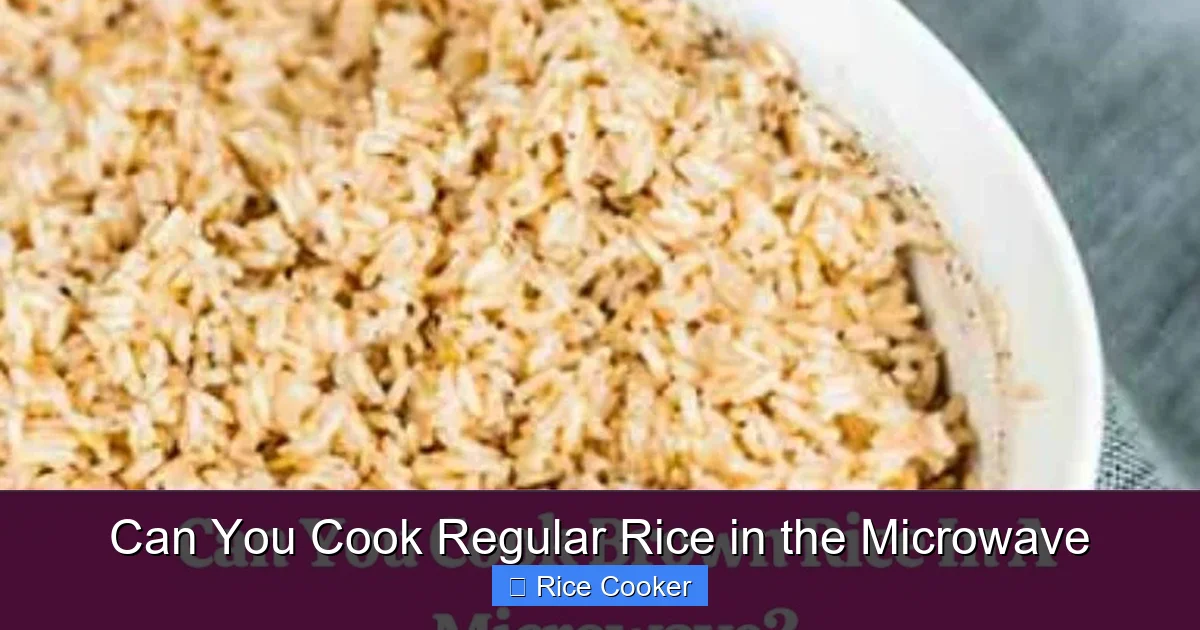
Yes, you absolutely can cook regular rice in the microwave—and it’s easier than you might think! With the right technique, you can achieve fluffy, evenly cooked grains in just minutes, making it a great option for busy days or when you don’t have a rice cooker on hand. This method saves time and energy while delivering consistent results every time.
Can You Cook Regular Rice in the Microwave?
If you’ve ever found yourself staring into your pantry at 7 p.m., standing over a pot of boiling water, wondering if there’s an easier way to get dinner on the table—this article is for you. Life gets busy. Sometimes you’re tired, sometimes you’re short on time, and other times your rice cooker is already in use. The good news? Yes, you can absolutely cook regular rice in the microwave. In fact, it’s one of the quickest, most hands-off methods available—especially when you’re cooking small batches like a single serving or side dish.
Cooking rice in the microwave isn’t just a backup plan; it’s a legitimate technique used by many home cooks who value speed and convenience. Whether you’re reheating leftover rice or preparing a last-minute side for tacos, fried rice, or grain bowls, mastering this method will save you time and reduce cleanup. Plus, with a few simple tweaks, you can avoid common pitfalls like mushy or undercooked grains. Let’s walk through exactly how to do it right.
Why Choose the Microwave Method?
There are several reasons why microwaving rice has become a popular alternative to stovetop or rice cooker methods:
– Speed: Most types of rice cook fully in under 20 minutes.
– Energy efficiency: Microwaves use less electricity than boiling water on the stove.
– Less mess: Fewer pots and pans to scrub afterward.
– Portability: Great for dorm rooms, offices, or camping trips where full kitchen setups aren’t available.
Of course, there are trade-offs. Traditional methods often yield more consistent textures over large quantities, and some purists argue that stovetop cooking allows better control over heat levels. But for everyday needs—especially with short-grain, jasmine, basmati, or instant rice—the microwave delivers surprisingly reliable results.
What Kind of Rice Works Best?
Not all rice is created equal when it comes to microwaving. While most common varieties work fine, certain types respond better to this method than others:
White Rice: This is your go-to for microwave success. Short-grain white rice (like sushi rice) and long-grain varieties such as Jasmine or Basmati both cook beautifully using this technique. They absorb water well and develop a soft yet distinct texture.
Brown Rice: It’s possible to microwave brown rice, but it requires longer cooking times and slightly more water due to its bran layer. Expect around 18–20 minutes instead of 10–12. If you’re new to microwaving rice, start with white rice first.
Instant/Quick-Cooking Rice: These are designed for speed and usually only require standing time rather than active cooking. Follow package instructions closely—they often skip the water altogether!
Avoid Parboiled or Wild Rice: These can be tricky because they’re denser and harder to monitor for doneness. Stick to standard store-bought white rice unless you’re experienced.
Choosing the Right Container
One of the biggest mistakes people make is using the wrong kind of dish. Your container must be:
– Microwave-safe: Look for labels like “microwave-safe” or check manufacturer guidelines. Never use metal, aluminum foil, or non-microwave-approved plastics.
– Lidless or vented: Covering the dish helps trap steam, which cooks the rice evenly. However, if you cover tightly, leave a small gap or use a microwave-safe plate to allow steam to escape.
– Wide and shallow: A flat, wide bowl allows even heating and prevents overflow from splashing water.
– Heat-resistant: Glass, ceramic, or thick plastic containers are ideal.
Avoid narrow mugs or tall glasses—they increase the risk of hot spots and uneven cooking.
The Perfect Water-to-Rice Ratio
Getting the balance right between rice and water is crucial. Too little water leads to dry, chalky grains; too much results in soggy, gluey rice. Here’s a simple starting point:
| Rice Type | Cups Water per 1 Cup Rice |
|——————|—————————-|
| White Rice | 2 |
| Brown Rice | 2.25–2.5 |
| Instant Rice | As directed on package |
Start with the white rice ratio (1:2). After your first few attempts, adjust based on personal preference. Some prefer slightly firmer rice; others like it softer. Keep notes so next time is even better.
Step-by-Step Guide: How to Cook Rice in the Microwave
Ready to try it? Follow these steps for foolproof results:
1. **Rinse the Rice (Optional but Recommended):**
Place 1 cup of uncooked rice in a fine-mesh strainer and rinse under cold running water for 30 seconds. This removes excess starch, reducing stickiness.
2. **Combine Rice and Water:**
Transfer rinsed rice to a microwave-safe bowl. Add 2 cups of water (or adjusted amount for brown rice). Stir once.
3. **Cover the Bowl:**
Use a microwave-safe plate or lid to cover the bowl. Leave a small opening if using a tight-fitting lid to prevent pressure buildup.
4. **Microwave on High:**
Cook uncovered (if using a loose cover) or covered. Start with 8 minutes for white rice. Pause halfway (around 4 minutes) to stir gently with a fork. This breaks up clumps and ensures even cooking.
5. **Check Doneness:**
After initial time, carefully remove the bowl (it will be hot!). Lift the cover and peek inside. The rice should be tender with minimal visible water. If not quite done, add 30-second intervals until perfect.
6. **Rest and Fluff:**
Cover again and let sit for 3–5 minutes. Then uncover and fluff with a fork. This final step separates the grains and improves texture.
7. **Season and Serve:**
Add a pinch of salt, a pat of butter, or herbs if desired. Toss gently before serving.
Troubleshooting Common Issues
Even seasoned cooks run into hiccups now and then. Here’s how to fix the most frequent problems:
Mushy or Sticky Rice: Overcooking causes this. Reduce cooking time by 1–2 minutes next time. Also, avoid covering too tightly—excess trapped steam softens the grains excessively.
Undercooked or Hard Center: This happens when stirring is skipped or the microwave power fluctuates. Always stir halfway and verify doneness near the end. For brown rice, extend time by 3–5 minutes.
Overflow or Messy Spillage: Using too much water or a poorly fitting cover can cause boiling over. Measure precisely and ensure your lid allows steam release.
Uneven Cooking (Hot Spots):** Microwaves heat inconsistently. Stirring halfway solves this. Also, rotating the bowl every couple of minutes helps, though many modern microwaves minimize this issue.
Advanced Tips for Better Results
Once you’ve nailed the basics, consider these pro tips:
– **Use a Microwave Rice Cooker:** Small electric devices exist specifically for this purpose. They combine microwave speed with precise timing.
– **Add Fat for Flavor:** A teaspoon of oil or butter in the water adds richness and prevents sticking.
– **Try the “Boil First” Method:** Bring water to a boil on the stove briefly, then transfer to the microwave. This jumpstarts the process and cuts total time by a few minutes.
– **Store Leftovers Properly:** Cool completely before refrigerating in an airtight container. Reheat with a splash of water and 30 seconds in the microwave to restore moisture.
How Does Microwave Rice Compare to Other Methods?
Let’s compare microwave cooking to stovetop and electric rice cookers:
| Method | Time | Energy Use | Ease of Cleanup | Texture Control |
|—————–|————|————|——————|——————|
| Stovetop | 15–25 min | Moderate | Medium | High |
| Electric Cooker | 20–30 min | Low | Easy | Very High |
| Microwave | 8–20 min | Low | Easy | Moderate |
Each has strengths. Electric rice cookers offer automation and perfect consistency, especially for large batches. Stovetop gives you tactile feedback and better browning options. But for quick, single servings—microwave wins on speed and simplicity.
Safety Considerations
Microwaving rice is generally safe, but keep these points in mind:
– **Never microwave raw meat or poultry with rice.** Bacteria like *Bacillus cereus* can survive and grow if rice is left at room temperature too long.
– **Always cool rice within two hours** if planning to store it. Refrigerate promptly.
– **Wash hands and surfaces** after handling raw rice to avoid cross-contamination.
Creative Ways to Use Microwaved Rice
Don’t limit yourself to plain white rice! Once you’ve mastered the method, experiment:
– **Fried Rice:** Cook rice, cool completely, then sauté with veggies, egg, soy sauce, and protein.
– **Rice Pudding:** Mix cooked rice with milk, sugar, cinnamon, and vanilla. Microwave in 1-minute bursts until creamy.
– **Sushi Rice:** Perfect texture for rolls—just rinse thoroughly and cook carefully.
– **Pilaf:** Toast rice lightly in butter before adding water for deeper flavor.
Final Thoughts
So, can you cook regular rice in the microwave? Absolutely. With just a few adjustments and attention to detail, you can produce tender, flavorful rice faster than you’d believe. It’s ideal for small batches, dorm kitchens, meal prep shortcuts, or simply when inspiration strikes for something warm and comforting.
The key lies in preparation: choosing the right container, measuring accurately, and allowing time for resting. Over time, you’ll develop a feel for timing and texture that rivals traditional methods—all without the fuss.
Give it a try tonight. Skip the pot, grab your favorite bowl, and discover how convenient homemade rice can truly be.
Key Takeaways
- Microwave-safe container is essential: Always use a heat-resistant bowl or dish that fits comfortably in your microwave without tipping over.
- Water-to-rice ratio matters: A general rule is 1:2 (one cup of rice to two cups of water), but adjustments may be needed based on rice type.
- Cooking time varies by rice: White rice typically takes 8–10 minutes; brown rice may need 15–20 minutes due to its higher fiber content.
- Let it rest after cooking: Allowing the rice to sit covered for 3–5 minutes helps steam distribute evenly and fluff up the grains.
- Stirring halfway prevents sticking: For best results, pause midway to stir gently and break up any clumps.
- Cooling prevents mushiness: Once done, uncover and let the rice cool slightly before fluffing with a fork to maintain texture.
- Experiment with seasonings: Add salt, butter, or herbs during cooking to enhance flavor without extra effort.
Frequently Asked Questions
Is it safe to cook rice in the microwave?
Yes, cooking rice in the microwave is safe as long as you use a microwave-safe container and follow proper food safety guidelines. Always cool cooked rice within two hours if storing it to prevent bacterial growth.
Do I need to soak rice before microwaving?
No, soaking is not necessary for most rice types when using the microwave. Rinsing the rice before cooking is sufficient to remove excess starch and improve texture.
Can I cook brown rice in the microwave?
Yes, but it requires longer cooking times—typically 18–20 minutes—and slightly more water (about 2.25–2.5 cups per cup of rice). Be sure to stir halfway through and check for doneness near the end.
Why is my microwaved rice sticky?
Sticky rice usually results from overcooking or too much water. Try reducing cooking time by 1–2 minutes and ensure you rinse the rice before cooking to remove excess starch.
Can I reheat leftover rice in the microwave?
Absolutely. Place cooled leftover rice in a microwave-safe dish, add a splash of water, cover, and heat in 30-second intervals, stirring in between, until warmed through.
What’s the best type of rice for microwaving?
White rice—especially short-grain or long-grain varieties like Jasmine and Basmati—works best due to their consistent texture and reliable absorption of water. Brown rice is possible but trickier.