
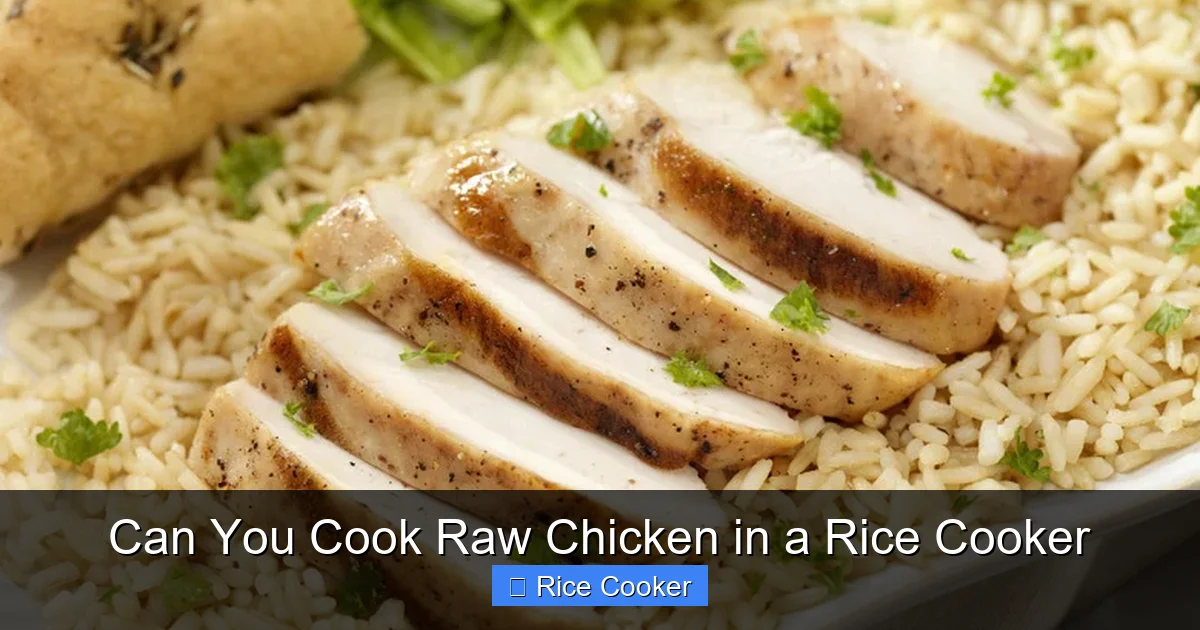
You absolutely can cook raw chicken in a rice cooker, and it’s a surprisingly effective way to prepare tender, juicy meals with minimal effort. This method works best when you follow food safety guidelines and use the right techniques. Whether you’re meal prepping or making a quick dinner, your rice cooker can do more than just cook rice.
Key Takeaways
- Safety First: Always thaw frozen chicken completely and cook to an internal temperature of 165°F (74°C) to avoid foodborne illness.
- Moist Cooking Environment: The sealed lid traps steam and moisture, helping keep chicken tender without drying it out.
- Time-Saving Method: Cooking chicken in a rice cooker takes less active attention than stovetop or oven methods, freeing up your time.
- Versatile Use: You can cook whole chickens, chicken breasts, thighs, or even shredded chicken in a rice cooker with excellent results.
- Flavor Enhancement: Add herbs, garlic, broth, or soy sauce to infuse flavor while cooking for delicious homemade meals.
- Cleanup Is Easy: Most parts of a rice cooker are dishwasher-safe, making post-meal cleanup simple and stress-free.
📑 Table of Contents
- Can You Cook Raw Chicken in a Rice Cooker?
- The Science Behind Cooking Chicken in a Rice Cooker
- Food Safety: Essential Guidelines for Safe Chicken Cooking
- Step-by-Step Guide: How to Cook Raw Chicken in a Rice Cooker
- Creative Recipes Using Rice Cooker Chicken
- Troubleshooting Common Issues
- Comparing Rice Cooker vs. Other Cooking Methods
- Tips for Maximizing Flavor and Efficiency
- Conclusion: Embrace the Versatility of Your Rice Cooker
Can You Cook Raw Chicken in a Rice Cooker?
Imagine this: It’s late, you’re hungry, and you’ve got some leftover raw chicken in the fridge—but no oven, slow cooker, or stove burner ready. What now? If you own a rice cooker, the answer might surprise you. Yes, you can cook raw chicken in a rice cooker, and it’s not only possible but also efficient, safe, and surprisingly tasty. In fact, many home cooks swear by this method for preparing everything from shredded pulled chicken to whole roasted chickens.
A rice cooker is designed to cook grains by heating water and maintaining consistent temperatures—perfect conditions for gently cooking chicken. Unlike frying or grilling, the enclosed environment keeps moisture locked in, resulting in juicy, tender meat. Plus, once the chicken is cooked, you can shred it and use it in tacos, soups, salads, or casseroles. The convenience factor alone makes the rice cooker a kitchen powerhouse worth exploring beyond just rice.
In this complete guide, we’ll walk you through everything you need to know about cooking raw chicken in a rice cooker—from safety precautions and step-by-step instructions to creative recipe ideas and troubleshooting tips. Whether you’re a beginner or a seasoned cook looking to simplify your routine, this article will help you turn your rice cooker into a multitasking culinary tool.
The Science Behind Cooking Chicken in a Rice Cooker
Understanding how heat and moisture interact inside your rice cooker helps explain why it works so well for chicken. When you add water or broth to the inner pot, close the lid, and turn on the cook cycle, steam builds up gradually. This creates a humid, sealed environment that cooks food evenly without direct flame or high heat.
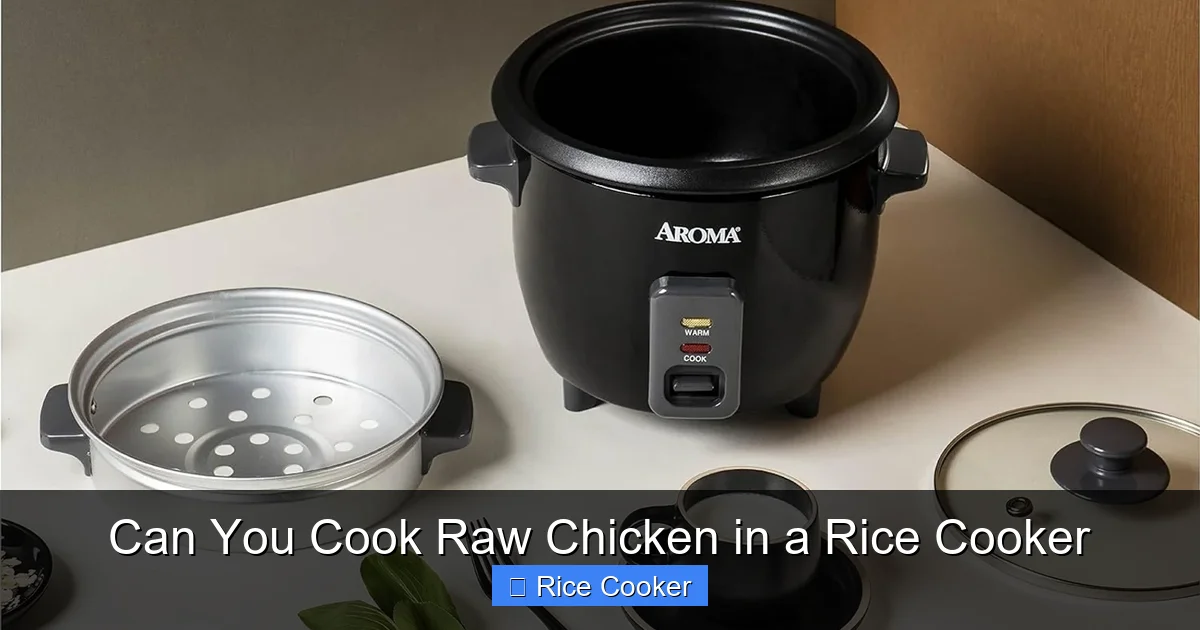
Visual guide about Can You Cook Raw Chicken in a Rice Cooker
Image source: mashed.com
The Role of Steam and Temperature Control
Rice cookers are engineered to maintain precise temperatures during cooking cycles. For rice, this means simmering at around 200°F (93°C). When cooking chicken, the same principles apply. As long as you use enough liquid and allow sufficient time, the internal temperature of the chicken will rise steadily until it reaches the safe minimum of 165°F (74°C), which is the USDA-recommended threshold for destroying harmful bacteria like Salmonella.
Unlike boiling, where water sits at 212°F (100°C) and can toughen proteins, steam-cooking gently transfers heat through condensation. This prevents overcooking and keeps the chicken moist. Think of it like steaming vegetables—only instead of greens, you’re cooking poultry.
Why Moisture Matters
Chicken is mostly muscle tissue, and prolonged exposure to dry heat causes it to shrink and lose fluid. But in a rice cooker, the constant release of steam condenses back onto the meat, acting like a natural basting process. That’s why chicken cooked this way often comes out juicier than when roasted in an open pan.
To maximize this effect, always use a small amount of liquid—usually ½ to 1 cup per pound of chicken. Too much water can dilute flavors; too little risks drying out the meat. A good rule of thumb is to aim for enough liquid to create visible steam without submerging the chicken entirely.
Food Safety: Essential Guidelines for Safe Chicken Cooking
No matter how convenient a cooking method sounds, food safety must come first. Raw chicken carries pathogens that can cause serious illness if not handled properly. Fortunately, following a few key steps ensures your rice cooker chicken is both delicious and safe.
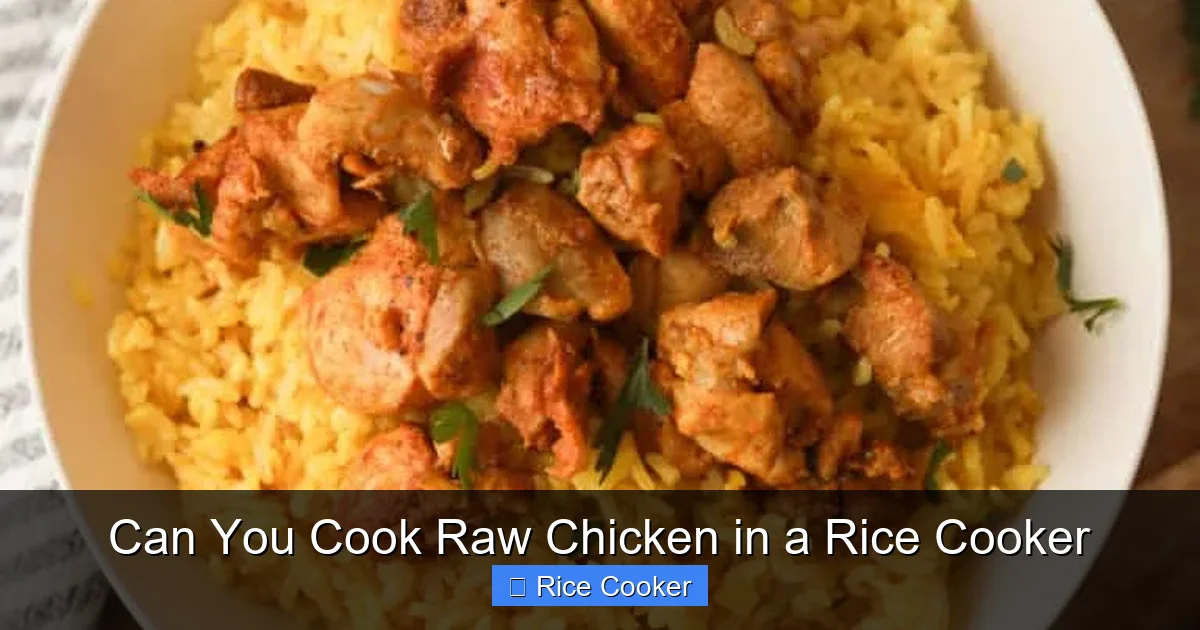
Visual guide about Can You Cook Raw Chicken in a Rice Cooker
Image source: apeachyplate.com
Thawing Frozen Chicken Correctly
Never attempt to cook frozen chicken directly in your rice cooker. Doing so may leave cold spots inside the meat where bacteria survive, and the outer layers may overcook before the center thaws. Instead, thaw chicken safely by placing it in the refrigerator overnight, using cold water (changing water every 30 minutes), or microwaving with the defrost setting.
Using a Food Thermometer
The most reliable way to confirm doneness is with a digital instant-read thermometer. Insert it into the thickest part of the chicken breast or thigh—avoid touching bone, fat, or gristle. At 165°F (74°C), the chicken is safe to eat and fully cooked. If the temperature reads below that, return the pot to the cooker and continue for another 5–10 minutes.
Cross-Contamination Prevention
Always use separate cutting boards, utensils, and plates for raw chicken and ready-to-eat foods. Wash hands thoroughly after handling raw poultry, and sanitize surfaces before preparing other ingredients. After cooking, transfer the chicken immediately to clean serving dishes to prevent recontamination.
Cooking Time Adjustments
Different cuts require different cooking times. Boneless, skinless breasts cook faster than bone-in thighs or whole birds. As a general estimate:
- Boneless chicken breast: 30–40 minutes
- Bone-in chicken thighs: 45–60 minutes
- Whole chicken (3–4 lbs): 1.5–2 hours
Keep in mind that rice cookers vary slightly in performance. Some models have “keep warm” settings that automatically kick in after cooking—this is fine for holding chicken but should never be used as the primary cooking phase.
Step-by-Step Guide: How to Cook Raw Chicken in a Rice Cooker
Ready to give it a try? Follow these simple steps for foolproof results every time.
Gather Your Ingredients and Tools
Before starting, make sure you have:
- A clean rice cooker with a nonstick inner pot
- Fresh or thawed raw chicken (cut into even-sized pieces for uniform cooking)
- Water, broth, or a flavorful liquid (like chicken stock or coconut milk)
- Seasonings (salt, pepper, garlic, paprika, etc.)
- A sharp knife and cutting board
- A food thermometer
Prepare the Chicken
Trim excess fat and pat the chicken dry with paper towels. Season generously on all sides with salt, pepper, and any desired spices. For extra flavor, marinate for 30 minutes to 2 hours beforehand (optional but recommended).
Add Liquid and Chicken to the Pot
Place the inner pot in the rice cooker. Pour in ½ to 1 cup of liquid per pound of chicken. Then arrange the chicken pieces in a single layer—don’t overcrowd. If needed, add more liquid to ensure the bottom of the pot isn’t dry.
Set the Timer and Start Cooking
Close the lid securely and select the “Cook” or “White Rice” setting (most standard models work best). Avoid using “Quick Cook” or “Pressure Cook” modes unless your rice cooker specifically supports them for meat (check your manual). Let the cycle run uninterrupted until completion.
Check for Doneness
When the rice cooker switches to “Keep Warm,” carefully lift the lid and insert a thermometer into the center of the largest piece. If it reads 165°F or higher, the chicken is done. If not, replace the lid and continue cooking in 5-minute increments until safe.
Rest and Shred
Once cooked, remove the chicken from the pot and let it rest for 5–10 minutes. This allows juices to redistribute. Then shred with forks or chop into bite-sized pieces. Discard any bones and fat if desired.
Creative Recipes Using Rice Cooker Chicken
The beauty of rice cooker chicken is its adaptability. Once you master the basics, you can customize meals to suit any taste or dietary need. Here are three popular ways to use your cooked chicken:
1. Creamy Garlic Chicken and Rice
After cooking chicken in chicken broth with minced garlic, return the cooked rice and chicken to the pot. Stir in a splash of heavy cream, grated Parmesan, and chopped parsley. Let it sit for 5 minutes off-heat to absorb flavors. Serve with steamed broccoli on the side.
2. Spicy Thai Curry Chicken
Brown diced onions and ginger in a skillet, then transfer to the rice cooker with cubed chicken, coconut milk, red curry paste, and bamboo shoots. Cook until chicken is done, then stir in lime juice and cilantro. Over jasmine rice, this becomes a restaurant-quality meal in under an hour.
3. Slow-Cooked BBQ Pulled Chicken
Simmer chicken with barbecue sauce, apple cider vinegar, smoked paprika, and brown sugar for 60 minutes. Once tender, shred and mix with extra sauce. Toast brioche buns and top with coleslaw for gourmet sandwiches.
These recipes showcase how versatile your rice cooker can be—not just for grains, but for entire meals.
Troubleshooting Common Issues
Even experienced cooks run into hiccups sometimes. Here’s how to fix common problems:
Chicken Is Dry or Tough
This usually happens when cooking time is too long or liquid is insufficient. To prevent it next time, reduce cooking time by 10% and increase liquid slightly. Also, avoid opening the lid frequently during cooking, as this releases steam and slows heat transfer.
Burnt or Stuck-on Food
If residue sticks to the pot after cooking, don’t scrub aggressively. Instead, fill the pot with warm water and let it soak for 15–20 minutes. Then use a soft sponge or nonabrasive pad. Most modern rice cooker pots are coated with anti-stick materials designed to minimize sticking.
Uneven Cooking
Overcrowding leads to uneven doneness. Always cut chicken into similar sizes and avoid stacking pieces too high. If one piece seems undercooked, remove it and continue cooking separately.
Lid Won’t Seal Properly
Check the rubber gasket around the lid for cracks or debris. Clean it gently with soap and water, then reassemble. A loose seal reduces steam pressure and affects cooking performance.
Comparing Rice Cooker vs. Other Cooking Methods
While rice cookers are fantastic for chicken, it’s helpful to compare them to other appliances to understand their strengths and limitations.
Rice Cooker vs. Instant Pot
An Instant Pot uses pressure cooking, which significantly reduces cooking time—sometimes under 30 minutes for chicken. However, it requires careful monitoring and venting. A rice cooker offers gentler, more hands-off cooking ideal for beginners or those wanting consistent results without complexity.
Rice Cooker vs. Oven Roasting
Roasting gives crispier skin and bolder flavor, but it demands preheating, flipping, and oven space. A rice cooker is quieter, uses less energy, and produces moist meat—perfect for busy households.
Rice Cooker vs. Slow Cooker
Slow cookers excel at tenderizing tough cuts over many hours, but they lack precise temperature control. Rice cookers cook faster and offer better texture for boneless breasts, though slow cookers win for hands-off all-day meals.
Ultimately, choosing between them depends on your priorities: speed, convenience, or specific flavor profiles.
Tips for Maximizing Flavor and Efficiency
Want your rice cooker chicken to taste amazing? Try these pro tips:
- Deglaze the Pot: After browning onions or garlic in a bit of oil before adding chicken, deglaze with broth to capture fond (the tasty brown bits) for deeper flavor.
- Layer Flavors: Add aromatics like bay leaves, lemongrass, or ginger near the bottom of the pot to infuse subtle notes throughout cooking.
- Use Broth Instead of Water: Chicken, vegetable, or mushroom broth adds richness and avoids plain-tasting meat.
- Finish with Fresh Herbs: Stir in cilantro, basil, or parsley after cooking for brightness.
- Store Leftovers Properly: Refrigerate within 2 hours and consume within 3–4 days, or freeze for up to 3 months.
Conclusion: Embrace the Versatility of Your Rice Cooker
Cooking raw chicken in a rice cooker isn’t just possible—it’s practical, safe, and delicious. With proper technique and a dash of creativity, your appliance becomes a secret weapon for weeknight dinners, batch cooking, and flavorful leftovers. No special skills required, just a willingness to experiment.
Whether you’re making creamy rice bowls, hearty soups, or spicy curries, the humble rice cooker proves it belongs in every modern kitchen. Next time you’re short on time or equipment, remember: yes, you can absolutely cook raw chicken in a rice cooker. And the results might just surprise you.
Frequently Asked Questions
Is it safe to cook raw chicken in a rice cooker?
Yes, as long as you cook the chicken to an internal temperature of 165°F (74°C) and follow food safety guidelines like proper thawing and avoiding cross-contamination. The sealed environment of a rice cooker helps eliminate cold spots where bacteria can survive.
How long does it take to cook chicken in a rice cooker?
Cooking times vary by cut: boneless breasts take 30–40 minutes, bone-in thighs 45–60 minutes, and a whole chicken 1.5–2 hours. Always use a food thermometer to check for doneness rather than relying solely on time.
Do I need to add oil or butter?
Not necessarily. Since the rice cooker relies on steam, oil isn’t required for cooking. However, lightly sautéing aromatics like garlic or onions in a bit of oil before adding chicken can enhance flavor.
Can I cook frozen chicken in a rice cooker?
No, it’s unsafe to cook frozen chicken directly in a rice cooker. Thaw it completely in the refrigerator, under cold running water, or in the microwave before cooking to ensure even heating and food safety.
What type of rice cooker works best for chicken?
Any standard automatic rice cooker with a nonstick inner pot will work. Avoid models with only “quick cook” settings unless specified for meat. Fuzzy logic or induction heaters offer more precise temperature control, but aren’t essential.
Can I use the keep-warm function to finish cooking chicken?
No. The keep-warm setting maintains temperature but doesn’t raise it further, so it won’t cook raw chicken. Only use it after the chicken has reached 165°F (74°C) to hold it until serving.