
Can you cook rice and beans in the same pot? Yes—but only if you know the right method. When done correctly, combining rice and beans creates a complete protein meal that’s both nutritious and satisfying. However, because they cook at different rates, timing and liquid ratios are crucial for success. With a little planning, you can save time, use fewer dishes, and enjoy delicious, wholesome meals every day.
Key Takeaways
- Rice and beans can be cooked together, but only if one is added after the other has partially finished cooking.
- Using a rice cooker simplifies the process by automating timing and heat control.
- Different bean types require different prep; dried beans need soaking, while canned beans do not.
- Liquid ratios must be adjusted since beans absorb moisture differently than rice.
- This method saves time and cleanup by reducing the number of pots needed.
- The result is a complete protein dish rich in fiber, vitamins, and minerals.
- Experiment with flavors by adding herbs, spices, or sautéed vegetables during cooking.
📑 Table of Contents
- Can You Cook Rice and Beans in the Same Pot?
- The Science Behind Cooking Rice and Beans Together
- Step-by-Step Guide: Cooking Rice and Beans in One Pot
- Best Beans and Rice Combinations
- Common Mistakes to Avoid
- Benefits of Cooking Rice and Beans Together
- Creative Variations and Global Inspirations
- Equipment Tips: Should You Use a Rice Cooker?
- Storage and Reheating Tips
- Final Thoughts: Yes, You Can Cook Rice and Beans in the Same Pot
Can You Cook Rice and Beans in the Same Pot?
Imagine coming home after a long day, wanting a hearty, nutritious meal—without spending hours in the kitchen. Enter the magic combo: rice and beans. These two humble staples form the foundation of countless cuisines around the world, from Spanish paella to Tex-Mex refried beans, and everything in between. But here’s a question many home cooks ask: can you cook rice and beans in the same pot? The short answer? Yes—but with some smart timing and technique.
At first glance, it seems like a no-brainer. Both are grains or legumes, both need water (or broth), and both become tender when cooked. But rice and beans have very different cooking behaviors. Rice swells and absorbs liquid steadily, while beans expand rapidly once hydrated and can take much longer to soften. If you try to cook them together from scratch, you risk ending up with mushy rice and undercooked beans—or worse, a burnt bottom and unevenly cooked grains.
The good news? With a few simple adjustments, you can absolutely cook rice and beans in the same pot and end up with a flavorful, balanced meal. Whether you’re using a traditional stovetop pot or a modern rice cooker, this method saves time, reduces cleanup, and delivers impressive results when done right.
The Science Behind Cooking Rice and Beans Together
Why They Don’t Always Play Nice
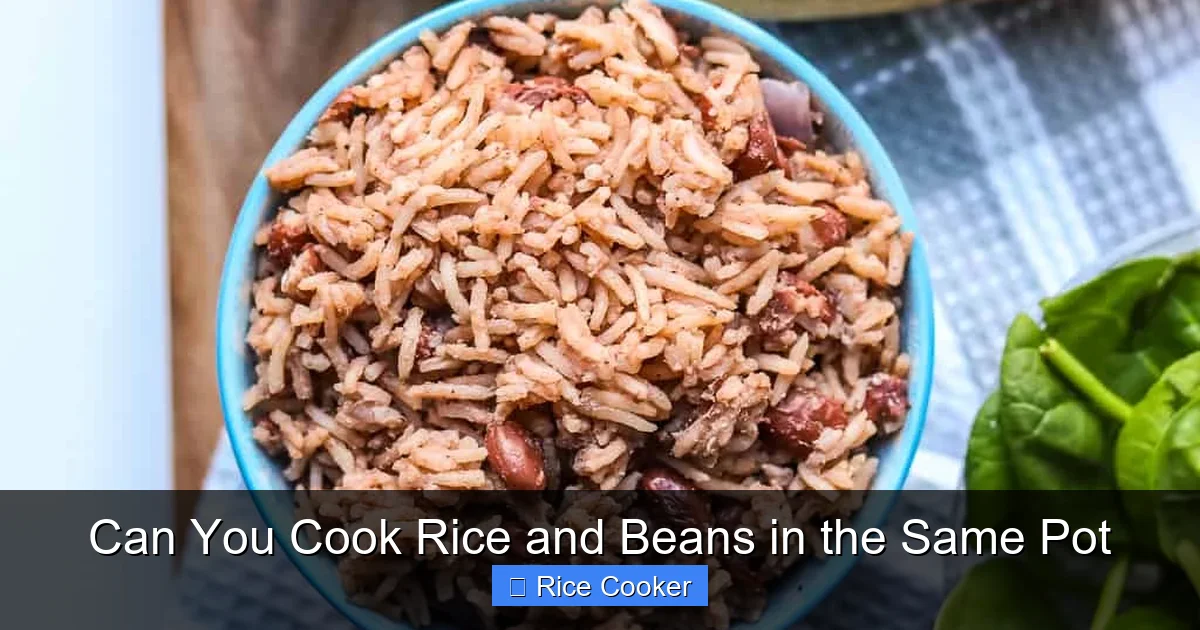
Rice and beans don’t always get along in the same pot because of their differing hydration and cooking timelines. White rice typically takes 15–20 minutes to cook, while black beans might need 45–60 minutes on the stove. Brown rice even longer—up to 45 minutes. If you start them together, the rice will finish before the beans are tender. On the flip side, if you add beans too late, the rice may dry out or stick to the bottom of the pot.
Visual guide about Can You Cook Rice and Beans in the Same Pot
Image source: savorythoughts.com
Additionally, beans release starches as they cook, which can thicken the cooking liquid. This can affect the texture of the rice, making it gummy or overly sticky if not managed properly.
How to Balance Their Needs
The key lies in layering the ingredients and adjusting the liquid ratio. Most successful recipes involve starting with rice, letting it cook partially, then adding beans (either soaked and boiled first or pre-soaked) toward the end. Alternatively, you can use a rice cooker, which handles timing automatically and ensures even heat distribution.
Another trick? Using broth instead of water. Not only does it boost flavor, but broth helps keep both ingredients moist without overcooking one at the expense of the other.
Step-by-Step Guide: Cooking Rice and Beans in One Pot
Method 1: Stovetop Approach
Ingredients:
Visual guide about Can You Cook Rice and Beans in the Same Pot
Image source: crunchycreamysweet.com
- 1 cup long-grain rice (white or brown)
- 1.5 cups cooked beans (black, pinto, kidney, etc.) OR 1 cup dried beans, soaked overnight
- 2 cups broth (vegetable or chicken)
- 1 teaspoon olive oil or butter
- Salt and pepper to taste
- Optional: garlic, onion, cumin, smoked paprika
Instructions:
- Start the rice: In a medium pot, heat oil over medium heat. Add diced onions or minced garlic and sauté for 2 minutes.
- Add rice and stir: Pour in the rice and toast for 1–2 minutes to enhance flavor.
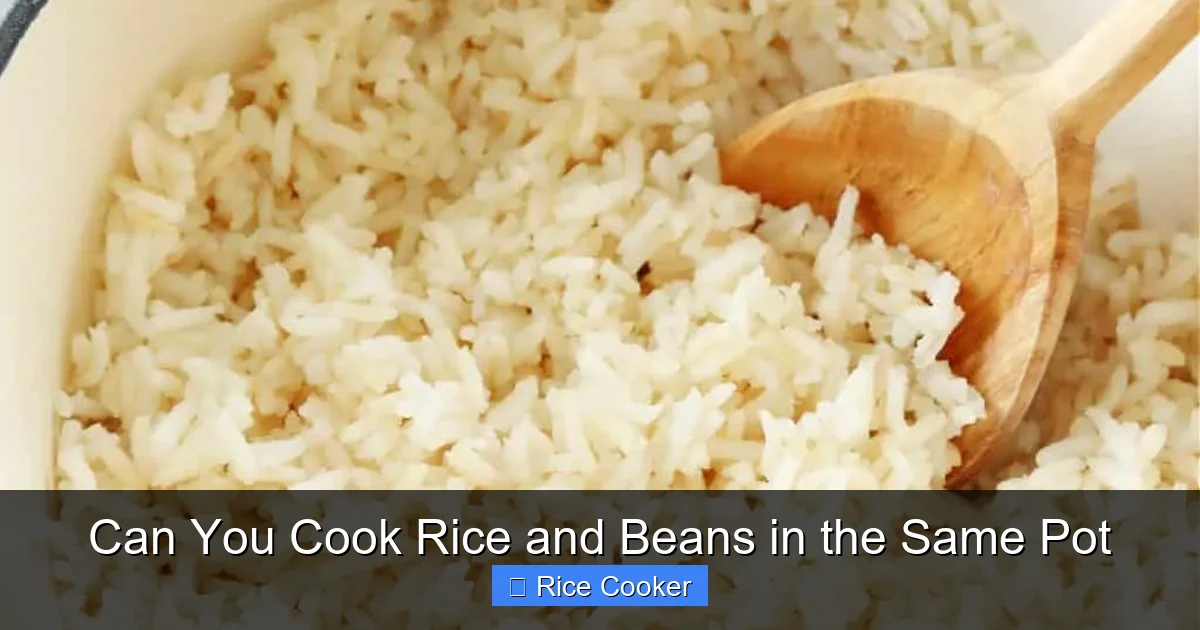
- Bring to a boil: Add broth and salt. Bring to a rolling boil, then reduce heat to low, cover, and simmer for 10 minutes (for white rice) or 15 minutes (for brown rice).
- Add the beans: Stir in the cooked beans. If using dried beans, add them now only if they’ve been simmering separately for at least 20 minutes. Cover again and cook for another 10–15 minutes, or until rice is tender and beans are creamy.
- Rest and fluff: Turn off heat, let sit covered for 5 minutes, then fluff with a fork.
Method 2: Rice Cooker Magic
If you own a rice cooker, this becomes even easier. Many models have a “brown rice” or “multigrain” setting, but you can adapt any mode.
Steps:
- Rinse rice and add to the inner pot with 2 cups broth.
- Cook according to your rice cooker’s instructions (usually 20–30 minutes).
- Once the rice is half-cooked, open the lid and stir in 1.5 cups of cooked beans (or pureed beans for creamier texture).
- Close the lid and continue cooking until the cycle completes.
- Let it sit for 5 minutes before serving.
The rice cooker’s sealed environment and precise timing prevent overcooking and ensure both components finish evenly.
Best Beans and Rice Combinations
Classic Pairings That Work Wonders
Not all bean and rice combos are created equal. Some pairs simply complement each other better due to flavor, texture, and cooking time.
- Black Beans + Long-Grain Rice: A staple in Central American cuisine. The mild, earthy flavor of black beans pairs beautifully with fluffy white rice.
- Pinto Beans + Brown Rice: Hearty and filling, this combo works great for meal prep. Brown rice adds extra fiber and a nutty crunch.
- Red Kidney Beans + Jasmine Rice: Popular in Indian and Caribbean dishes. The slightly sweet jasmine rice balances the robust kidney beans.
- Lentils + Wild Rice: Though not technically beans, lentils cook quickly and blend well with wild rice for a protein-rich side.
Tips for Flavor Boosting
Don’t just dump beans into plain rice. Elevate the dish with these tricks:
- Sauté aromatics: Garlic, onion, and bell peppers before adding rice.
- Use smoked paprika or cumin: Adds warmth and depth—especially great for Mexican or Southwestern flavors.
- Add a bay leaf: Infuses subtle herbal notes as the rice simmers.
- Finish with fresh cilantro or lime juice: Brightens the dish and cuts through richness.
Common Mistakes to Avoid
Overcrowding the Pot
Too much rice or beans in one pot can lead to uneven cooking. Stick to a 1:1.5 ratio of rice to beans by volume for best results.
Skipping Soak Time for Dried Beans
Dried beans must be soaked to reduce cooking time and improve digestibility. Overnight soaking is ideal, but quick-soak (boil for 2 minutes, rest 1 hour) works too.
Using Too Much Liquid
Rice needs more liquid than beans, but adding too much can make the dish soggy. Start with 2 cups per cup of rice, then adjust if needed.
Ignoring Altitude Adjustments
At high altitudes, water boils faster, so rice and beans may cook quicker. Reduce heat slightly and monitor closely.
Not Letting It Rest
Just like cooked rice, resting allows steam to redistribute moisture. Skipping this step can leave your dish lumpy or dry.
Benefits of Cooking Rice and Beans Together
A Complete Protein Source
Rice and beans together form a complete protein—meaning they provide all nine essential amino acids. This makes the combo especially valuable for vegetarians and vegans.
Nutritional Powerhouse
This duo is packed with fiber, complex carbs, iron, folate, and B vitamins. It supports digestion, stabilizes blood sugar, and keeps you full longer.
Time and Cost Savings
Preparing rice and beans together reduces active cooking time and uses fewer pots. Plus, dried beans are far cheaper than canned ones and last for months when stored properly.
Great for Meal Prep
Batch-cook a large pot of rice and beans on Sunday, then portion into containers for easy lunches or dinners throughout the week.
Creative Variations and Global Inspirations
Tex-Mex Rice and Black Bean Skillet
Sauté onions, garlic, and jalapeños. Add rice, broth, and a drained can of black beans. Simmer until rice is done. Stir in corn, shredded cheese, and sour cream before serving.
Spanish Arroz con Frijoles
Incorporate saffron or smoked paprika for a bold, rustic flavor. Add diced tomatoes and bell peppers for extra body.
Vegan Coconut Curry with Red Lentils
Use coconut milk instead of broth for a creamy texture. Add turmeric, ginger, and green peas for a vibrant, plant-based meal.
Breakfast Option: Savory Oatmeal with Beans
Swap oats for rice and cook with beans, spinach, and a fried egg on top for a protein-packed breakfast.
Equipment Tips: Should You Use a Rice Cooker?
If you’re serious about cooking rice and beans together, a rice cooker is your best friend. Unlike stovetops, rice cookers maintain consistent temperatures and automatically switch to “warm” mode, preventing scorching. Many modern models even have programmable timers and multiple settings for different grains.
For stovetop users, an instant pot (pressure cooker) is another excellent option. It drastically reduces cooking time for dried beans and keeps everything contained in one pot.
No fancy equipment? A heavy-bottomed pot with a tight-fitting lid works just fine—just keep an eye on the heat and stir occasionally.
Storage and Reheating Tips
Cooked rice and beans can be stored in the fridge for up to 5 days. For longer storage, freeze portions in airtight containers for up to 3 months.
Reheat gently on the stovetop with a splash of broth to restore moisture. Avoid microwaving without covering, as it can cause uneven heating.
Final Thoughts: Yes, You Can Cook Rice and Beans in the Same Pot
So, can you cook rice and beans in the same pot? Absolutely. With the right technique, timing, and a bit of patience, you can create a delicious, nutritious meal that’s both efficient and satisfying. Whether you’re feeding a family, meal-prepping for the week, or just craving something comforting, this method proves that simple ingredients can come together in powerful ways.
Remember: it’s not about rushing the process—it’s about understanding how each ingredient behaves and working with nature, not against it. Start with a trusted recipe, tweak to your taste, and soon you’ll be cooking rice and beans like a pro.
Frequently Asked Questions
Can you cook rice and beans together in a rice cooker?
Yes, you can cook rice and beans together in a rice cooker. Add the rice and liquid first, let it cook halfway through, then stir in the beans and continue cooking until done. This method ensures even cooking and prevents burning.
Do rice and beans need to be cooked separately?
They don’t have to be cooked separately, but doing so gives you more control over texture. Cooking them together works well if you adjust timing—like starting rice first, then adding beans near the end.
What happens if you cook rice and beans together without adjusting timing?
If you cook them together from the start, the rice may become mushy while the beans remain hard. Rice finishes quickly, but beans take much longer, leading to inconsistent results.
Can I use canned beans instead of dried beans when cooking with rice?
Yes, use canned beans, but rinse and drain them first to remove excess sodium. Add them during the last 10–15 minutes of cooking so they warm through without turning to mush.
Is it safe to cook rice and beans together?
Absolutely. As long as both ingredients reach proper internal temperatures and are cooked thoroughly, the combination is safe and nutritious. Just avoid leaving cooked food at room temperature for too long.
Does cooking rice and beans together make a complete protein?
Yes! When combined, rice and beans provide all essential amino acids, forming a complete protein. This makes the dish especially valuable for vegetarians, vegans, and anyone looking to diversify protein sources.