
Can you cook rice and broccoli together in a rice cooker? Absolutely! With the right technique, you can create a nutritious, hands-off meal that’s both tender and flavorful. This method saves time, uses minimal cleanup, and delivers a balanced dinner packed with fiber, vitamins, and plant-based goodness.
Key Takeaways
- Yes, it’s possible: Rice and broccoli can be cooked together in most standard rice cookers without issues.
- Timing is key: Broccoli takes less time to cook than rice, so adjusting the order or timing ensures both are perfectly done.
- Texture matters: Overcooking broccoli makes it mushy; steaming it slightly longer after rice is done helps retain nutrients and crunch.
- Flavor enhancement: Adding seasonings, oil, or broth early improves taste while cooking in the same vessel.
- Cleaning made easy: One-pot cooking reduces dishes, making cleanup faster and more efficient.
- Nutritional benefits: Combining whole grains with green vegetables creates a complete, nutrient-dense meal.
- Customizable recipes: Add protein, spices, or other veggies for variety without changing the basic method.
📑 Table of Contents
- Can You Cook Rice and Broccoli Together in a Rice Cooker?
- The Science Behind Cooking Rice and Broccoli Together
- Step-by-Step Guide: How to Cook Rice and Broccoli Together
- Tips for Perfect Results Every Time
- Variations and Creative Twists
- Common Mistakes to Avoid
- Health Benefits of Rice and Broccoli Combo
- Cleanup Made Simple
- Is This Method Suitable for Everyone?
- Final Thoughts
Can You Cook Rice and Broccoli Together in a Rice Cooker?
Imagine this: It’s a busy weekday evening, and you’re juggling work emails, laundry, and dinner plans. Your kids are hungry, your partner is craving something hearty but light, and you just want to throw everything into one pot and be done with it. That’s when the idea hits—why not cook rice and broccoli together in the rice cooker? It sounds almost too good to be true, but yes, you absolutely can! In fact, many home cooks swear by this method for its simplicity, speed, and delicious results.
Cooking rice and broccoli together isn’t just about saving time—it’s about creating a balanced, wholesome meal with minimal effort. Broccoli adds vibrant color, essential nutrients like vitamin C and folate, and a satisfying crunch, while rice provides energy and structure. When combined in a rice cooker, these ingredients cook in harmony, producing a dish that’s both comforting and nutritious. Plus, using a rice cooker means you don’t have to stand over the stove, stir constantly, or worry about burning anything.
The Science Behind Cooking Rice and Broccoli Together
Why It Works
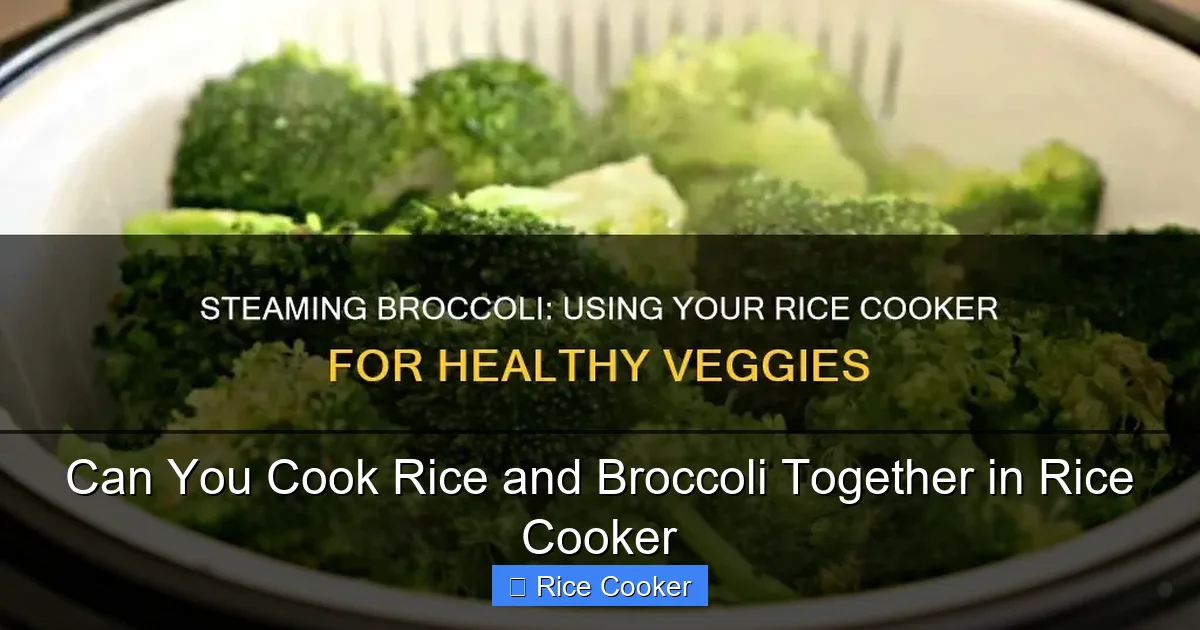
At first glance, combining rice and broccoli might seem like a recipe for disaster—rice takes 15–40 minutes depending on type, while broccoli only needs 3–5 minutes to steam. But here’s the secret: broccoli doesn’t need to be fully boiled to cook through. When added at the beginning, it steams along with the rice, absorbing moisture and flavors while retaining its bright green color and crisp-tender texture.
Visual guide about Can You Cook Rice and Broccoli Together in Rice Cooker
Image source: cycookery.com
Moisture Transfer
Rice cookers rely on water absorption to cook grains evenly. As the rice absorbs liquid, it releases steam, which gently cooks the broccoli above it. This process mimics traditional steaming, preserving broccoli’s nutrients better than boiling. Because the cooker maintains consistent heat, there’s no risk of scorching—just steady, reliable cooking.
Texture Balance
One concern people often raise is whether broccoli will become soggy. The key is timing. If you add broccoli too early, especially if using long-grain rice that cooks longer, it may overcook. However, if you add it just before the rice finishes—or even after—you can control the outcome. Many rice cookers have a “keep warm” function that lets you finish steaming broccoli separately if needed.
Step-by-Step Guide: How to Cook Rice and Broccoli Together
Gather Your Ingredients
Start with these basics:
Visual guide about Can You Cook Rice and Broccoli Together in Rice Cooker
Image source: realisticplantbasedmama.com
- 1 cup uncooked rice (white, brown, or wild)
- 1–1.5 cups fresh or frozen broccoli florets
- 1.5–2 cups water (adjust based on rice type)
- 1 tablespoon olive oil or butter
- Salt and pepper to taste
- Optional: garlic powder, onion powder, or soy sauce for extra flavor
Prepare the Rice Cooker
Begin by rinsing your rice under cold water until the water runs clear. This removes excess starch and prevents gumminess. Place the rinsed rice in the inner pot of the rice cooker. Add water according to your rice cooker’s instructions—usually 1:1.5 ratio for white rice, slightly more for brown rice.
Add Broccoli and Seasonings
Now comes the fun part: adding broccoli. Chop fresh broccoli into bite-sized florets (about 1-inch pieces). If using frozen, no need to thaw—just toss it in with the rice. Drizzle with oil or melt butter over the mixture, then sprinkle with salt, pepper, and any desired seasonings. Stir gently to distribute flavors.
Cook and Finish
Close the lid and press the “Cook” button. For most rice cookers, this starts automatic heating and switching to “warm” once done. Once the cycle completes, let the cooker sit for 5–10 minutes to allow residual heat to finish steaming the broccoli. Then, fluff the rice with a fork and check the broccoli. If it’s not tender enough, you can pop the lid and set the cooker to “Steam” mode for another 2–3 minutes.
Tips for Perfect Results Every Time
Choose the Right Rice Type
White rice works best for beginners because it cooks quickly and pairs well with broccoli’s mild flavor. Brown rice is nuttier and more fiber-rich but requires longer cooking time—so add broccoli halfway through if your model allows manual timing.
Don’t Overload the Pot
Most rice cookers hold 6–10 cups of cooked rice. Adding too much broccoli can displace rice and lead to uneven cooking. Stick to about half the volume of broccoli compared to rice.
Use Fresh or Frozen Broccoli Equally Well
Frozen broccoli is already blanched, so it cooks faster. Fresh broccoli has a brighter color and firmer texture. Both are nutritious—just adjust cooking times slightly.
Boost Flavor Without Extra Steps
Add minced garlic or ginger to the rice-water mix before cooking. A splash of low-sodium vegetable broth instead of water adds depth. For umami lovers, a teaspoon of tamari or coconut aminos enhances savory notes.
Keep Broccoli Vibrant Green
If your broccoli turns dull gray-green after cooking, it likely overcooked. To prevent this, reduce cooking time by 2–3 minutes or use the “steam” function post-rice completion.
Variations and Creative Twists
Add Protein for a Complete Meal
Make it a full dinner by tossing in chickpeas, diced chicken, or tofu cubes along with the broccoli. These proteins absorb the rice’s steam and flavor, creating a satisfying, protein-packed bowl.
Try Different Vegetables
Mix in carrots, peas, bell peppers, or zucchini for a colorful medley. Each adds unique texture and nutrition. Just remember softer veggies like peas may need less time than broccoli.
Infuse with Spices
For bold flavors, toast cumin, coriander, or turmeric in the oil before adding rice. Serve with a squeeze of lime or sprinkle of sesame seeds for brightness.
Make It Grain-Free
Skip rice entirely and cook quinoa or cauliflower rice instead. Quinoa absorbs liquid beautifully and holds up well with broccoli, creating a gluten-free, high-protein option.
Common Mistakes to Avoid
Adding Too Much Water
Too much water dilutes flavor and can make rice mushy. Always follow recommended ratios and avoid stirring mid-cook unless necessary.
Skipping the Rinse
Rinsing rice removes surface starch that causes clumping. Even quick-rinse models benefit from this step.
Not Letting It Rest
Pushing the “cancel” button immediately after cooking leads to uneven textures. Always let the cooker rest for 5–10 minutes.
Using Low-Quality Broccoli
Browning or slimy broccoli won’t improve with cooking. Choose firm, bright-green florets for best results.
Health Benefits of Rice and Broccoli Combo
This simple dish packs a nutritional punch. Broccoli is rich in antioxidants, fiber, and vitamins K and C, supporting immune health and bone strength. Rice—especially brown rice—provides complex carbohydrates for sustained energy and B vitamins for metabolism. Together, they form a balanced macronutrient profile ideal for weight management and digestive health.
Because everything cooks in one pot, you’re also reducing sodium intake by avoiding pre-made sauces or canned goods. And since there’s no frying involved, the meal stays low-fat and heart-healthy.
Cleanup Made Simple
One of the biggest perks of cooking rice and broccoli together is how easy it is to clean up. Most modern rice cookers have non-stick inner pots that wipe clean with warm, soapy water. No pots, pans, or scrubbing required. Just rinse the pot, dry it, and store it away—done!
Is This Method Suitable for Everyone?
Absolutely! Whether you’re a college student living off ramen, a busy parent, or a health-conscious individual, this method fits. Gluten-free? Use brown rice or quinoa. Vegan? Skip the butter. Diabetic-friendly? Control portion sizes and choose lower-glycemic grains like barley or farro.
Final Thoughts
Cooking rice and broccoli together in a rice cooker isn’t just possible—it’s practical, delicious, and adaptable. With a few simple tweaks, you can turn a basic staple into a gourmet-style meal that rivals takeout. The next time you’re short on time or inspiration, reach for your rice cooker and try this foolproof combo. Your taste buds—and your schedule—will thank you.
Frequently Asked Questions
Can I cook brown rice and broccoli together?
Yes! Brown rice takes longer to cook, so add broccoli about halfway through the cooking cycle or use the “keep warm” setting afterward to avoid mushy greens. Adjust water slightly higher than usual—about 1.75 cups per cup of rice.
Will broccoli lose its nutrients when cooked with rice?
Steaming preserves more nutrients than boiling. Since rice cookers use indirect steam, broccoli retains most of its vitamin C and fiber. For maximum retention, avoid overcooking and skip adding lemon juice before cooking, as acidity can degrade some vitamins.
What if my rice cooker doesn’t have a “steam” function?
No problem! Just remove broccoli after rice is done, cover it with a damp paper towel, and microwave for 1–2 minutes. Alternatively, transfer to a steamer basket over boiling water briefly.
Can I use instant rice?
Instant rice cooks in 3–5 minutes, so add broccoli at the very end. Mix them in after rice is done, close the lid, and let sit for 5 minutes to steam broccoli. Watch closely to prevent overcooking.
How do I prevent soggy rice?
Don’t stir during cooking, and avoid opening the lid frequently. Also, ensure proper water-to-rice ratio and use a clean, dry measuring cup. Soggy rice usually results from excess moisture or poor drainage.
Can I freeze leftovers?
Yes, but broccoli loses texture upon reheating. Store rice and broccoli separately if freezing for more than 2 weeks. Reheat rice thoroughly and steam fresh broccoli alongside it when serving.