
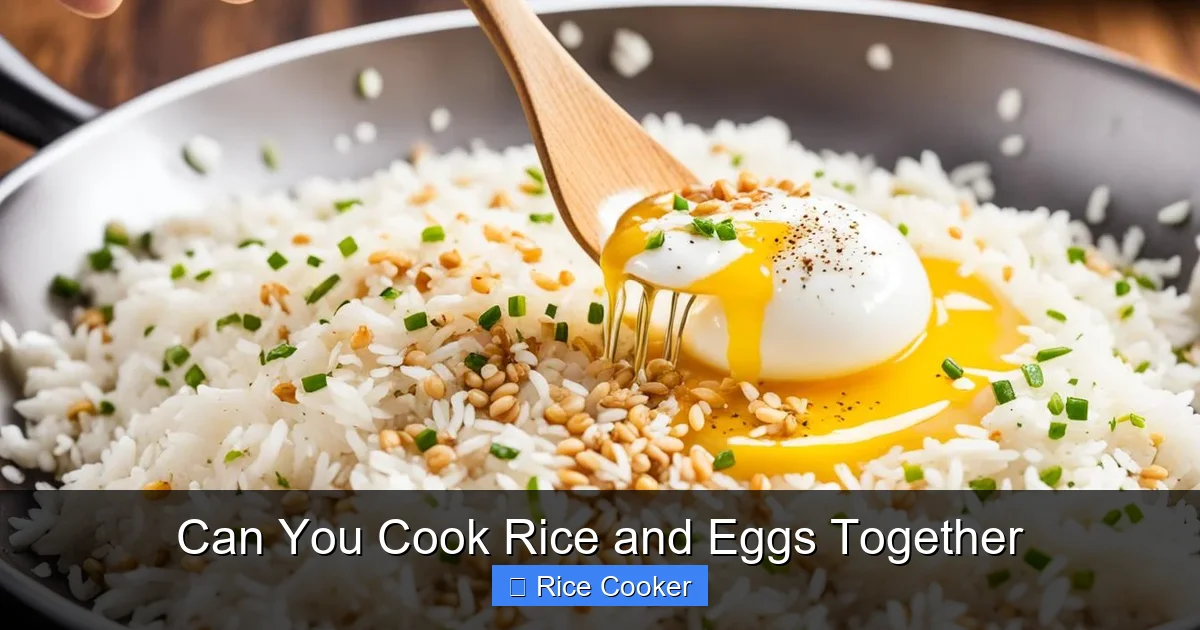
Can you cook rice and eggs together? Yes—and it’s easier than you think! Using a rice cooker, you can combine rice and eggs into one delicious, protein-packed meal in under 30 minutes. This method is perfect for busy mornings or quick dinners, offering a hassle-free way to enjoy balanced nutrition without extra dishes.
Key Takeaways
- Yes, they work together: Rice and eggs can be cooked simultaneously in a rice cooker, saving time and effort.
- Simple steps: Add rice and water first, then gently pour beaten eggs over the top before cooking.
- Texture matters: Eggs cook differently than rice—so timing and layering are key to avoid mushy results.
- Customizable flavors: Add veggies, spices, or cheese to elevate your rice-and-egg dish.
- Ideal for beginners: No advanced cooking skills needed; great for students or first-time rice cooker users.
- Nutritionally balanced: Combines complex carbs from rice with high-quality protein from eggs.
- Saves cleanup: One-pot meals mean fewer dishes to wash after dinner.
📑 Table of Contents
- Can You Cook Rice and Eggs Together?
- The Science Behind Cooking Rice and Eggs Together
- Step-by-Step Guide: How to Cook Rice and Eggs Together
- Tips for Perfect Rice and Eggs Every Time
- Variations: Beyond Basic Rice and Eggs
- Common Mistakes to Avoid
- Is Cooking Rice and Eggs Together Healthy?
- Equipment Matters: Choosing the Right Rice Cooker
- Storage and Leftovers
- Final Thoughts: Why This Method Wins
Can You Cook Rice and Eggs Together?
Imagine waking up to the smell of fluffy jasmine rice and perfectly scrambled eggs—all coming from a single pot. Sounds like breakfast magic, right? Well, it’s not magic—it’s science, and it’s totally doable with the right tools. If you’ve ever wondered, “Can you cook rice and eggs together?”, the answer is a resounding yes—especially if you own a rice cooker. In fact, combining these two staples isn’t just possible; it’s one of the most efficient ways to prepare a complete, satisfying meal with minimal fuss.
Cooking rice and eggs together leverages the gentle, consistent heat of a rice cooker to cook both ingredients simultaneously. The rice provides hearty carbs and fiber, while eggs contribute lean protein, healthy fats, and essential vitamins like B12 and choline. When done right, this duo creates a dish that’s not only nutritious but also incredibly comforting. Whether you’re feeding yourself after a long day or prepping meals for the week, mastering this technique can transform your kitchen routine.
The Science Behind Cooking Rice and Eggs Together
Before we dive into recipes, let’s talk about why this pairing works so well—and what could go wrong if you rush it.
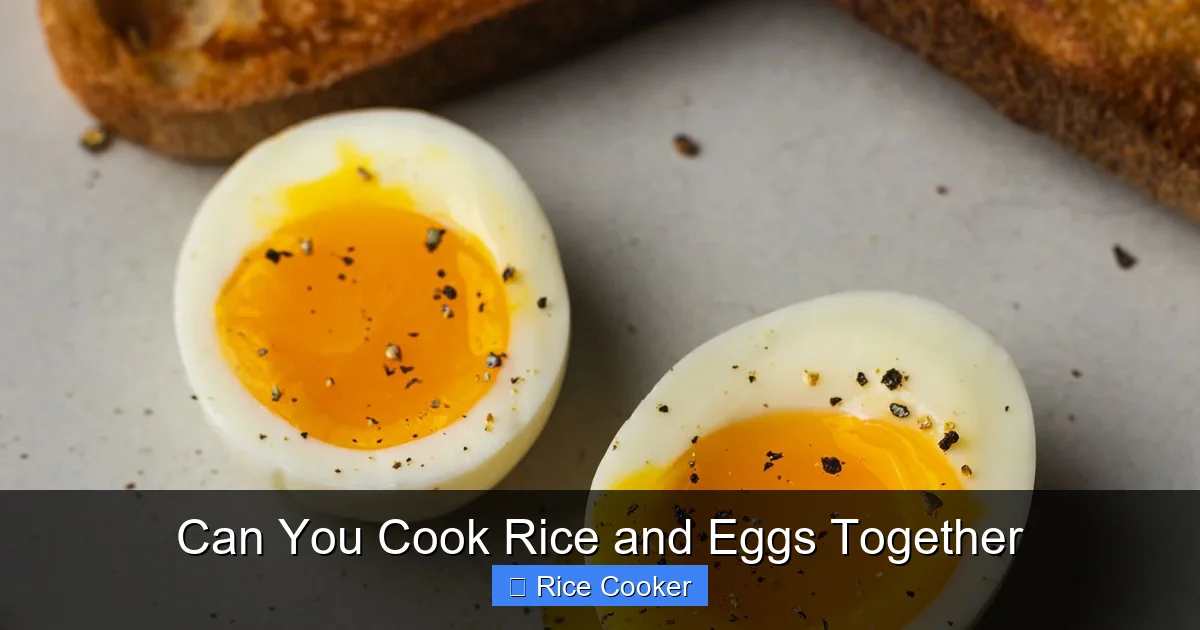
Visual guide about Can You Cook Rice and Eggs Together
Image source: seriouseats.com
How Heat Affects Rice vs. Eggs
Rice needs sustained, even heat to absorb liquid and swell into fluffy grains. It typically cooks at temperatures between 185°F (85°C) and 212°F (100°C), depending on the type. Eggs, on the other hand, denature (coagulate) around 149°F (65°C) for whites and 158°F (70°C) for yolks. That means eggs require lower temperatures and shorter exposure to avoid becoming rubbery or overcooked.
This difference is crucial when cooking them together. If you add raw eggs directly to boiling water or high heat, they’ll scramble instantly into a solid mass—not ideal. But in a rice cooker, which maintains steady heat without scorching, you can layer the ingredients smartly to let each do its job.
Why Use a Rice Cooker?
A rice cooker is designed to automate the cooking process: it heats water to cook rice, then automatically switches to “warm” mode once done. This keeps food at a safe temperature without drying it out. For eggs, this is a game-changer. Instead of frying or scrambling them separately, you can incorporate them into the rice cycle with careful timing.
Modern rice cookers often have multiple settings—like “quick cook,” “porridge,” or “steam”—that can help fine-tune how your eggs turn out. Even basic models will get the job done if you follow the right steps.
Step-by-Step Guide: How to Cook Rice and Eggs Together
Ready to try it yourself? Here’s a foolproof method that works with most standard rice cookers.
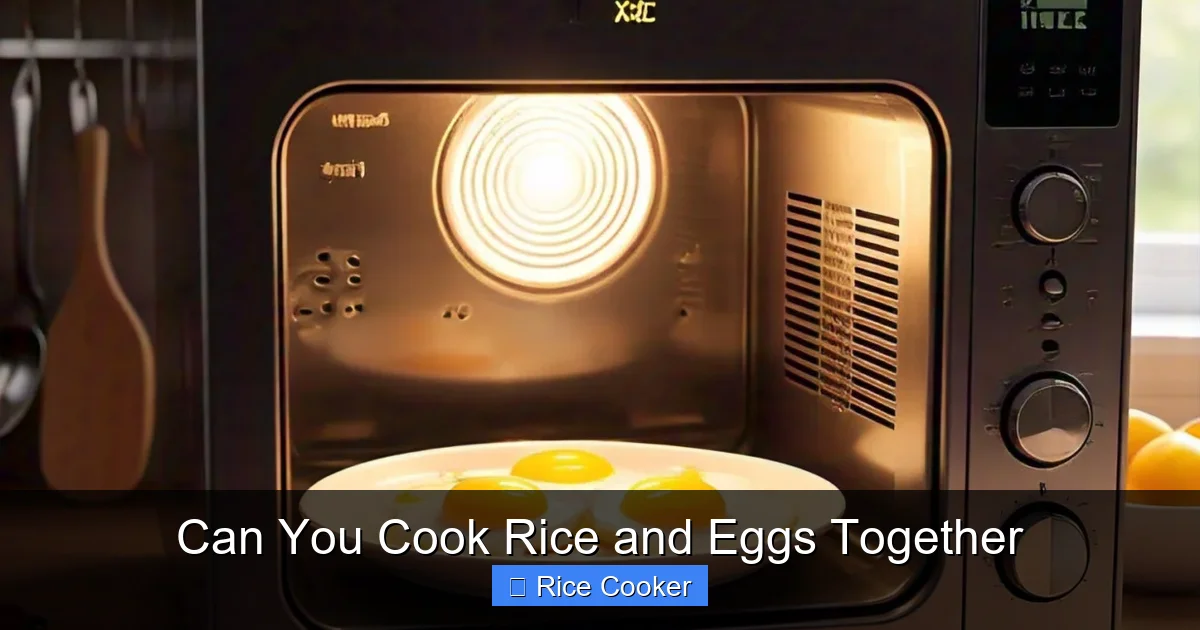
Visual guide about Can You Cook Rice and Eggs Together
Image source: canyoumicrowavewiki.com
What You’ll Need
- 1 cup uncooked white or brown rice
- 1.5 to 2 cups water (adjust based on rice type)
- 2 large eggs
- Optional: salt, pepper, butter, or oil
- Optional add-ins: diced onions, bell peppers, spinach, shredded cheese
Step 1: Rinse and Add Rice
Start by rinsing your rice under cold water until the water runs clear. This removes excess starch and prevents gummy texture. Transfer the rinsed rice to the inner pot of your rice cooker and add the appropriate amount of water. For white rice, use a 1:1.5 ratio (1 cup rice to 1.5 cups water). For brown rice, go with 1:2.
Step 2: Optional Prep Work
If you’re adding vegetables or herbs, chop them finely and set aside. Lightly sautéing onions or mushrooms beforehand can deepen flavor, but skip this step if you want a quicker meal.
Step 3: Beat the Eggs
In a small bowl, whisk 2 eggs with a pinch of salt and pepper until smooth. If you like fluffier eggs, add a splash of milk or water—but this isn’t necessary since the steam from the rice will help them cook gently.
Step 4: Layer the Ingredients
Here’s the trick: don’t pour the eggs directly onto the dry rice. Instead, once you’ve added water and started the cook cycle, wait about 5–7 minutes—until the water begins to boil and steam rises. Then, gently pour the beaten eggs into the center of the pot, avoiding the sides where heat is strongest.
Step 5: Continue Cooking
Let the rice cooker do its thing. The rising steam will envelop the eggs, cooking them softly without direct contact with hot surfaces. Once the cycle finishes and the cooker switches to “warm,” open the lid carefully—you might see slightly runny egg pockets. That’s normal!
Step 6: Fluff and Serve
Use a fork to gently mix the eggs into the rice, breaking up any large clumps. Fluff the rice with a rice paddle, then fold in the eggs until everything is evenly combined. Taste and adjust seasoning if needed.
Tips for Perfect Rice and Eggs Every Time
Even with a good recipe, small tweaks can make a big difference. Here are pro tips to ensure success:
Use Room-Temperature Eggs
Eggs taken straight from the fridge won’t distribute as evenly in the steaming environment. Let them sit out for 10–15 minutes before beating to improve consistency.
Don’t Overfill the Pot
Most rice cookers have volume markers. Stick to them—overfilling can lead to uneven cooking or overflow during the steam phase.
Experiment with Texture
Want softer eggs? Pour them earlier in the cycle (after 3–4 minutes). Prefer firmer pieces? Wait until the last 5 minutes. Play around to find your favorite style.
Add Flavor Without Extra Steps
Drizzle a teaspoon of soy sauce or sesame oil over the eggs before pouring. Or sprinkle in some grated Parmesan after cooking for a savory kick.
Clean-Up Hack
Line the inner pot with parchment paper or silicone baking mat if you’re worried about sticking. It makes cleanup a breeze and protects non-stick coatings.
Variations: Beyond Basic Rice and Eggs
The beauty of cooking rice and eggs together is how easy it is to customize. Try these fun twists:
Japanese-Inspired Donburi
Top your finished dish with a soft-boiled egg, sliced green onions, nori strips, and a drizzle of teriyaki sauce. Serve hot for a restaurant-quality bowl.
Mediterranean Style
Add sun-dried tomatoes, Kalamata olives, feta cheese, and fresh parsley. Swap water for chicken broth to boost umami flavor.
Spicy Southeast Asian Version
Mix in chopped cilantro, lime zest, crushed red pepper flakes, and a splash of fish sauce. Garnish with sliced jalapeños.
Vegetarian Power Bowl
Pile roasted sweet potatoes, black beans, avocado slices, and cumin-spiced chickpeas on top. Drizzle with tahini dressing.
Breakfast All Day
Swap afternoon rice for leftover quinoa or cauliflower rice. Add crumbled bacon, cheddar, and sour cream for an elevated brunch twist.
Common Mistakes to Avoid
New to rice cookers? You might run into a few hiccups. Don’t worry—they’re fixable!
Eggs Are Too Rubbery
This usually happens when eggs are exposed to too much direct heat or cooked too long. Solution: pour eggs later in the cycle and avoid opening the lid frequently.
Rice Is Undercooked or Mushy
Check your water ratios. Also, never stir the rice during cooking—it breaks apart the grains. Only fluff it at the end.
Eggs Don’t Mix Well
If the eggs stay in separate chunks, gently mash them with a fork after the cycle ends. The residual warmth will help blend them.
Smells Like Burnt Egg
This suggests the eggs were near the heating element. Next time, pour them away from the center and ensure there’s enough water for proper steam.
Is Cooking Rice and Eggs Together Healthy?
Absolutely! When prepared mindfully, this combo offers a balanced macronutrient profile:
- Carbohydrates: From whole-grain or brown rice, providing sustained energy and fiber.
- Protein: Two large eggs deliver about 12 grams of high-quality protein, supporting muscle repair and satiety.
- Fats: Eggs contain healthy unsaturated fats, beneficial for brain health.
- Micronutrients: Iron, zinc, folate, and vitamin D all make appearances—especially if you add veggies.
To keep it light, avoid heavy creams or excessive oils. Opt for olive oil spray or a pat of butter instead. And if you’re watching sodium, use low-sodium broth and skip added salt.
Equipment Matters: Choosing the Right Rice Cooker
Not all rice cookers are created equal—especially when it comes to handling delicate proteins like eggs.
Basic Models vs. Advanced Ones
Standard rice cookers work fine for this recipe. Look for one with a “keep warm” function that maintains temperature without reheating aggressively. Higher-end models with fuzzy logic or induction heating offer more precision, but aren’t required.
Capacity Tips
A 3-cup model suits one person; a 6-cup handles 2–3 servings. Larger pots allow more room for mixing ingredients post-cook.
Non-Stick Coating
Choose pots with PTFE (Teflon)-free ceramic or stainless steel interiors if you’re health-conscious. They’re safer and last longer than traditional non-stick.
Storage and Leftovers
Got extras? No problem! Store cooled rice and egg mixtures in airtight containers in the fridge for up to 4 days. Reheat gently in the microwave with a splash of water to prevent drying.
For best texture, avoid freezing—rice tends to become soggy upon thawing. But if you must, portion into freezer-safe bags and defrost overnight in the fridge.
Final Thoughts: Why This Method Wins
Cooking rice and eggs together isn’t just convenient—it’s smart. It reduces active cooking time, cuts down on dirty dishes, and delivers a nutritious meal in under half an hour. Plus, it’s adaptable to dietary preferences, whether you’re vegan (use tofu scramble), gluten-free, or following a keto plan (skip rice, double the eggs).
And honestly? There’s something deeply satisfying about knowing you made a wholesome meal from scratch—with almost zero stress. So next time you’re staring into the abyss of “what’s for dinner?”, reach for your rice cooker. Whip up a batch of rice, crack in some eggs, and let technology do the rest.
You’ve got this. And your future self will thank you.
Frequently Asked Questions
Can you cook rice and eggs together in a rice cooker?
Yes, you can cook rice and eggs together in a rice cooker. By adding beaten eggs after the rice has started cooking and letting them cook gently with the steam, you create a fluffy, protein-rich meal in one pot.
Will the eggs cook properly with the rice?
Yes, eggs will cook through using the steam produced during rice cooking. The key is timing—adding the eggs toward the end of the cycle ensures they stay tender rather than rubbery.
Do I need special equipment to cook rice and eggs together?
No special equipment is needed beyond a standard rice cooker. Just make sure your pot is large enough and clean before starting.
Can I add vegetables when cooking rice and eggs together?
Absolutely! Finely chopped onions, bell peppers, spinach, or mushrooms can be mixed into the rice before adding water, or added along with the eggs for extra nutrition and flavor.
How long does it take to cook rice and eggs together?
Total cooking time is typically 20–30 minutes, depending on your rice cooker model and rice type. White rice usually takes 15–20 minutes, while brown rice may need 35–40 minutes.
Is it safe to eat raw eggs in this method?
While the eggs will be fully cooked by the end of the cycle, it’s still recommended to use pasteurized eggs if you’re concerned about food safety, especially if serving young children or pregnant individuals.