
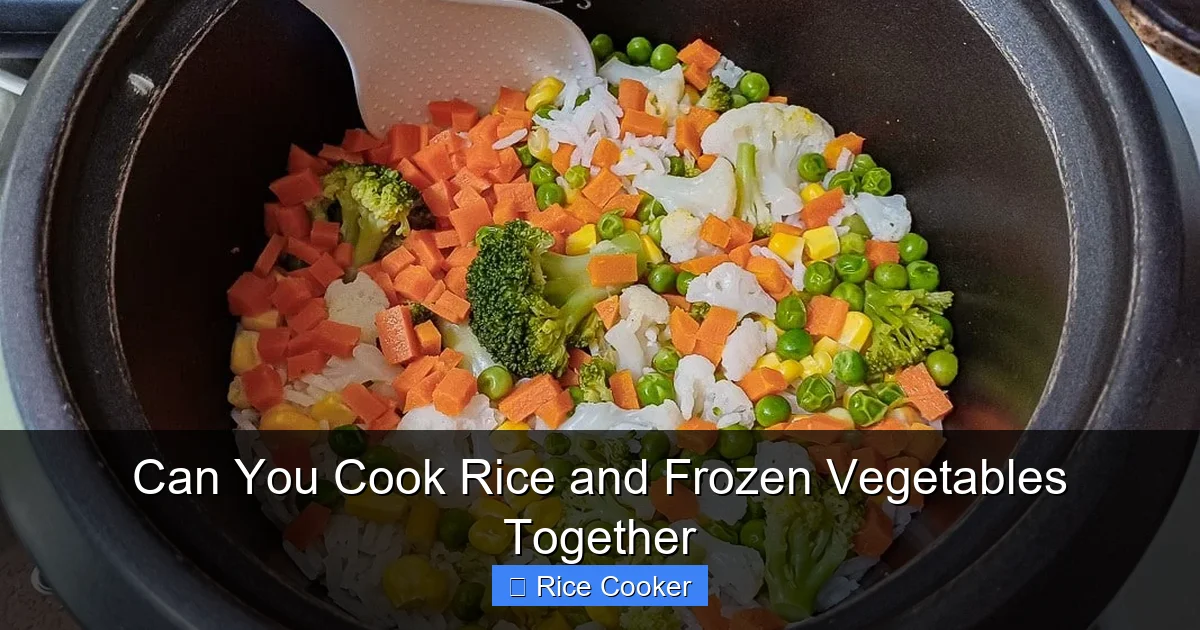
You absolutely can cook rice and frozen vegetables together—and it’s easier than you think! Using a rice cooker, you can create a balanced, nutritious meal in one pot without constant stirring or watching the stove. This method saves time, preserves nutrients, and results in perfectly fluffy rice with tender veggies. Whether you’re meal-prepping or cooking for a busy weeknight dinner, combining rice and frozen vegetables is a smart, efficient choice.
Key Takeaways
- Yes, they can be cooked together: Rice and frozen vegetables work well in a rice cooker when prepared correctly, delivering a complete meal in one go.
- Timing matters: Frozen vegetables need extra time to thaw and cook through, so adjusting water levels and cooking times ensures both ingredients are ready simultaneously.
- Nutrition stays intact: Cooking frozen vegetables with rice locks in vitamins and fiber, making the dish healthier than eating them separately.
- No pre-soaking required: Unlike some grains, rice doesn’t need soaking, so you can toss everything into the cooker right away.
- Customizable and flavorful: Add spices, broth, or protein to enhance taste and make the dish more satisfying.
- Perfect for meal prep: Batch-cooking rice and veggies together makes storing and reheating easy throughout the week.
📑 Table of Contents
- Can You Cook Rice and Frozen Vegetables Together?
- The Science Behind Cooking Rice and Frozen Veggies Together
- Choosing the Right Rice and Vegetable Combination
- Step-by-Step Guide: How to Cook Rice and Frozen Vegetables Together
- Troubleshooting Common Issues
- Health Benefits of Cooking Rice and Frozen Vegetables Together
- Creative Ways to Elevate Your Rice and Veggie Mix
- Best Rice Cooker Settings for Mixed Ingredients
- Storage and Reheating Tips
- Conclusion
Can You Cook Rice and Frozen Vegetables Together?
Cooking rice and frozen vegetables together might sound like a modern kitchen hack, but it’s actually one of the most practical ways to prepare a full, nutritious meal in under 30 minutes. If you’ve ever found yourself staring at an empty pantry on a busy weekday night, wondering how to make something both healthy and fast, this method is your new best friend. The idea isn’t just possible—it’s brilliant. By using a rice cooker, you eliminate the need for multiple pots, constant stirring, or risk of burning food. Instead, you get perfectly cooked rice and tender vegetables with minimal effort.
But before you start tossing frozen peas and brown rice into the cooker, it’s important to understand how these ingredients interact during the cooking process. Frozen vegetables release moisture as they thaw, which affects the overall liquid balance in your rice cooker. Similarly, different types of rice absorb water at varying rates. So while combining rice and frozen vegetables is absolutely doable, success depends on knowing the right ratios, timing, and techniques. With a few simple adjustments, you can turn a basic staple into a flavorful, complete dish that satisfies hunger and supports a healthy lifestyle.
The Science Behind Cooking Rice and Frozen Veggies Together
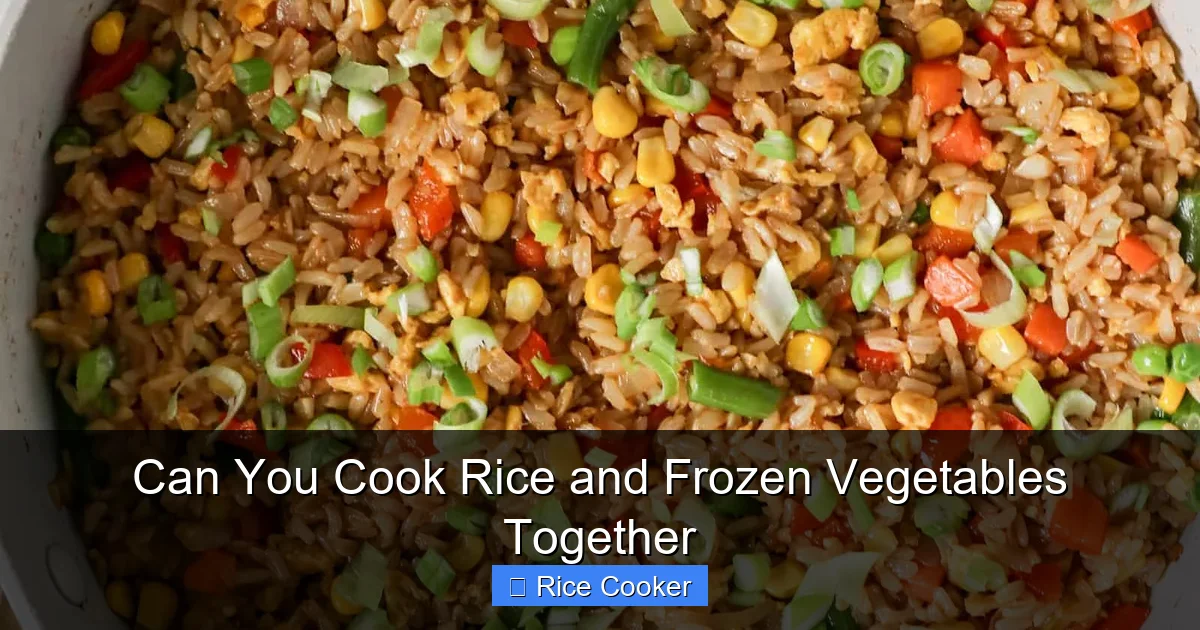
Visual guide about Can You Cook Rice and Frozen Vegetables Together
Image source: marshaeileen.com
At first glance, cooking rice and frozen vegetables together seems straightforward: add water, throw in the ingredients, press “cook,” and wait. But behind that simplicity lies a bit of science. Rice absorbs liquid and swells as it cooks, transforming from hard grains into fluffy bites. Frozen vegetables, on the other hand, are flash-frozen to preserve nutrients and texture. When added to boiling water or heated in a rice cooker, they begin to thaw and cook almost instantly.
The challenge arises because frozen vegetables release a significant amount of water as they thaw. If you simply mix them with rice and add the usual amount of water, the result could be mushy rice or undercooked veggies. That’s why understanding how moisture levels change during cooking is crucial. Most rice cookers are calibrated for dry grains and standard water-to-rice ratios (usually 1:1.5 or 1:2). Adding frozen vegetables increases the total liquid content, which means you may need to reduce the water slightly to avoid a soggy mess.
Additionally, different vegetables have varying densities and cooking speeds. For example, broccoli florets cook faster than carrots or green beans. If all your frozen vegetables are added at once, some may end up overcooked and mushy while others remain crunchy. To solve this, consider grouping similar vegetables together or choosing blends that cook at the same rate.
Choosing the Right Rice and Vegetable Combination
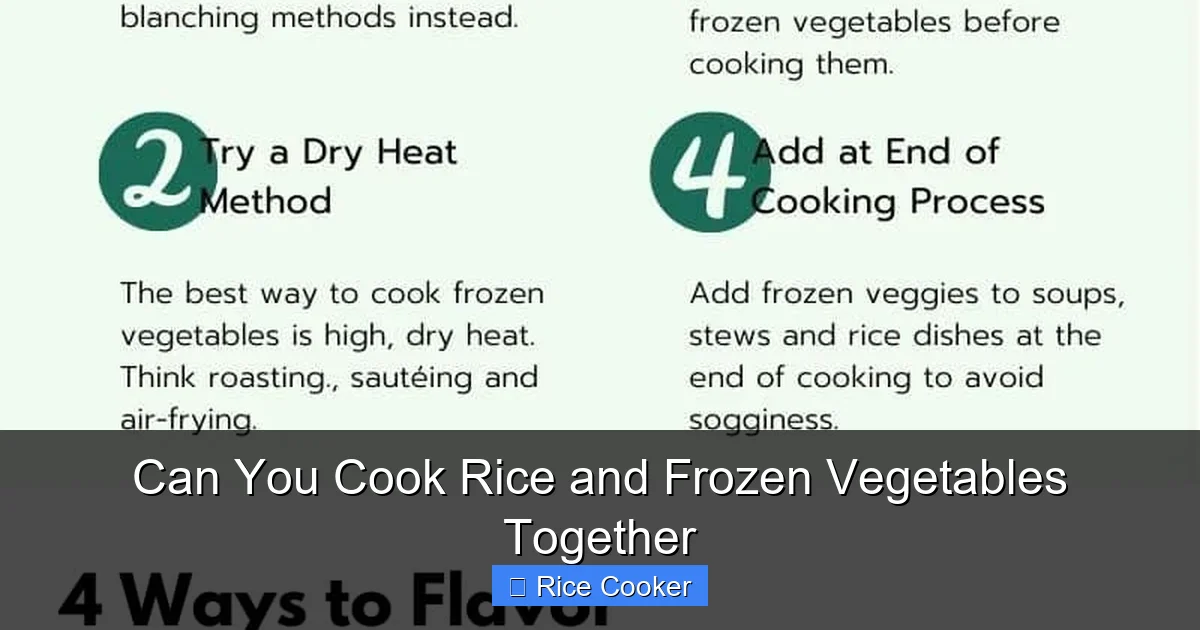
Visual guide about Can You Cook Rice and Frozen Vegetables Together
Image source: gozzinutrition.com
Not all rice and vegetable combinations are created equal—some work better together than others. The key is selecting rice varieties and frozen vegetable mixes that complement each other in texture, flavor, and cooking time. For instance, long-grain white rice tends to stay separate and fluffy, making it ideal for pairing with mixed frozen vegetables. Short-grain rice, while stickier, can also work well if you prefer a creamier consistency.
When it comes to vegetables, opt for blends that include a mix of textures—like peas, corn, carrots, and bell peppers—so your meal feels balanced. Avoid overly dense vegetables like sweet potatoes or zucchini unless you’re willing to adjust cooking times. Most grocery stores sell pre-mixed frozen vegetable packs designed for stir-fries or side dishes, and these are excellent choices for rice cooker recipes.
Another tip: check the packaging on your frozen vegetables. Some brands include salt or seasonings that can affect the final taste of your dish. If you want full control over flavor, choose plain frozen vegetables and add your own herbs, spices, or sauces after cooking.
Step-by-Step Guide: How to Cook Rice and Frozen Vegetables Together
Ready to try it? Follow this simple, foolproof method to cook rice and frozen vegetables together in your rice cooker:
1. Measure Your Ingredients
For every 1 cup of uncooked rice, use about 1.5 cups of water (adjust based on rice type) and 1 to 1.5 cups of frozen vegetables. A general rule is 1 part rice, 1 part frozen vegetables, and 1.5 parts water. If you’re adding protein like cooked chicken or tofu, reserve it until the end to keep it from getting soggy.
2. Rinse the Rice (Optional)
Rinsing removes excess starch and prevents clumping. Place the rice in a fine-mesh strainer and rinse under cold water until the water runs clear. This step is especially helpful with jasmine or basmati rice.
3. Add Everything to the Rice Cooker
Put the rinsed rice into the inner pot of the rice cooker. Add the frozen vegetables directly on top. Then pour in the measured water. Stir gently to combine, but don’t overmix—this helps maintain the rice’s structure.
4. Season (Optional)
Add a pinch of salt, garlic powder, onion powder, or your favorite spice blend. You can also use vegetable or chicken broth instead of water for extra flavor. Just remember that broth often contains sodium, so adjust accordingly if you’re watching salt intake.
5. Start Cooking
Close the lid and select the “White Rice” or “Normal” setting. Most rice cookers will automatically shut off when done, then switch to “Keep Warm” mode. Let it sit for 5–10 minutes after cooking to allow residual heat to finish steaming the vegetables.
6. Fluff and Serve
Use a fork to gently fluff the rice, then fold in any additional ingredients like cheese, fresh herbs, or a drizzle of soy sauce. Serve immediately for the best texture and flavor.
Troubleshooting Common Issues
Even with the right recipe, things can go wrong. Here’s how to fix common problems when cooking rice and frozen vegetables together:
Problem: Mushy Rice
This usually happens when too much water is used or the vegetables release too much liquid. Solution: Reduce water by ¼ cup and avoid overfilling the cooker. Also, try draining excess liquid from the frozen vegetables before adding them.
Problem: Undercooked Vegetables
If your veggies are still icy or crunchy, they likely didn’t have enough time to thaw and cook. Solution: Pre-thaw the vegetables in the microwave for 1–2 minutes before adding them to the rice cooker. Or, increase cooking time by 5–10 minutes on the “Cook” cycle.
Problem: Burnt Bottom Layer
This occurs when there’s not enough liquid or the rice sticks to the bottom. Make sure the inner pot is clean and free of residue. Use non-stick spray or a thin layer of oil if needed, especially with brown rice.
Problem: Too Much Steam Buildup
Some rice cookers seal tightly and trap steam, which can lead to excess moisture. Solution: Leave the vent open slightly or prop the lid ajar during the last few minutes of cooking to release steam.
Health Benefits of Cooking Rice and Frozen Vegetables Together
One of the biggest advantages of combining rice and frozen vegetables is the nutritional boost. Rice provides complex carbohydrates that fuel your body with sustained energy, while frozen vegetables deliver essential vitamins, minerals, and fiber. Studies show that freezing preserves up to 90% of nutrients compared to fresh produce, especially when frozen soon after harvest.
By cooking them together, you create a balanced meal that includes all four food groups: grains, vegetables, and often protein if you add extras like beans, eggs, or lean meat. This makes it perfect for people following diets like Mediterranean, vegetarian, or low-calorie plans. Plus, since everything cooks in one pot, there’s less risk of nutrient loss due to overcooking.
Another benefit is convenience. Frozen vegetables require no washing, chopping, or peeling—saving you time and reducing food waste. And because they’re already prepped, they cook faster than fresh alternatives, making them ideal for quick meals.
Creative Ways to Elevate Your Rice and Veggie Mix
Once you master the basics, the possibilities are endless. Try these creative twists to turn your rice and frozen vegetable combo into something special:
Add Protein
Include cooked chicken, shrimp, tofu, or black beans to make it a full meal. Toss in a handful of shredded cheese at the end for extra richness.
Infuse Flavor with Broth or Stock
Instead of plain water, use vegetable, chicken, or even miso broth to deepen the taste. Add a bay leaf or sprig of thyme for aromatic depth.
Make It Spicy
Stir in diced jalapeños, chili flakes, or a splash of hot sauce before cooking. Top with cilantro and lime juice for a vibrant finish.
Try Different Rice Types
Swap white rice for brown, wild, or quinoa for added nutrition and chewiness. Each variety brings its own texture and flavor profile.
Serve as a Base for Bowls
Cook a big batch and use it as a base for grain bowls with avocado, pickled onions, and a tahini dressing. Perfect for meal prep!
Best Rice Cooker Settings for Mixed Ingredients
Every rice cooker is a little different, but most come with preset modes that work well for mixed ingredients. Here’s how to choose the right setting:
White Rice Setting
Great for short- to medium-grain rice paired with mild vegetables like peas and carrots. This mode uses high heat to cook quickly and evenly.
Brown Rice Setting
Use this for whole grains, which take longer to cook. Brown rice pairs beautifully with hearty vegetables like corn, broccoli, and zucchini.
Sushi Rice Setting
Ideal for sticky rice varieties like Calrose or Japanese short grain. Best combined with delicate veggies like edamame or spinach.
Cake or Porridge Mode
Less common, but useful for very soft rice or oatmeal-like textures. Not recommended for most rice-and-veggie combos.
Always consult your rice cooker manual for specific instructions, but in general, stick to the default settings unless you notice issues with texture or cooking time.
Storage and Reheating Tips
Leftovers can be stored in an airtight container in the refrigerator for up to 4 days. To reheat, add a splash of water or broth to prevent drying out, cover loosely, and microwave in 30-second intervals until warm. Alternatively, warm in a skillet over low heat with a lid on.
Freezing is also possible—just portion into containers and store for up to 3 months. Thaw overnight in the fridge before reheating.
Avoid reheating in the rice cooker unless it has a reheat function. Otherwise, use stovetop or microwave methods to preserve quality.
Conclusion
Cooking rice and frozen vegetables together isn’t just possible—it’s a game-changer for anyone looking to eat healthier, save time, and reduce kitchen cleanup. With the right technique, even beginners can whip up a nutritious, satisfying meal in under 30 minutes. Whether you’re feeding a family, prepping lunches for the week, or just want a stress-free dinner option, this method delivers consistent results every time.
Remember, the secret lies in balancing liquids, choosing compatible ingredients, and trusting your rice cooker to do the heavy lifting. Once you get the hang of it, you’ll find yourself reaching for frozen veggies more often—not because you have to, but because it works so well.
So next time you open your freezer and see those colorful bags of mixed vegetables, don’t hesitate. Grab some rice, fire up your rice cooker, and enjoy a delicious, wholesome meal that proves healthy eating doesn’t have to be complicated.
Frequently Asked Questions
Can you put frozen vegetables in a rice cooker with rice?
Yes, you can definitely add frozen vegetables to your rice cooker along with rice. Just make sure to account for the extra moisture they release by slightly reducing the water or pre-thawing the vegetables. This method saves time and creates a complete, balanced meal.
Do frozen vegetables need to be thawed before cooking with rice?
Not necessarily, but pre-thawing helps ensure even cooking. If you skip this step, the vegetables may take longer to cook through. Microwave-thawing for 1–2 minutes is a quick and effective solution.
What type of rice works best with frozen vegetables?
Long-grain white rice, brown rice, and jasmine rice all work well. Long-grain stays fluffy, while brown rice adds fiber and heartiness. Choose based on your texture preference and dietary needs.
How much water should I use when cooking rice and frozen vegetables together?
Use about 1.5 cups of water per 1 cup of rice, but reduce by ¼ to ½ cup if using frozen vegetables, as they add moisture. Always check your rice cooker’s manual for model-specific guidelines.
Can I add protein like chicken or beans to the mix?
Yes! Add cooked chicken, beans, tofu, or scrambled eggs after the rice and vegetables are done. Avoid adding raw meat directly into the cooker, as it may not cook evenly.
Will the rice cooker burn if I add frozen vegetables?
It’s unlikely if you follow the correct water ratio and stir gently. However, always ensure the inner pot is clean and not overfilled. If you notice sticking, add a small amount of oil or broth.