
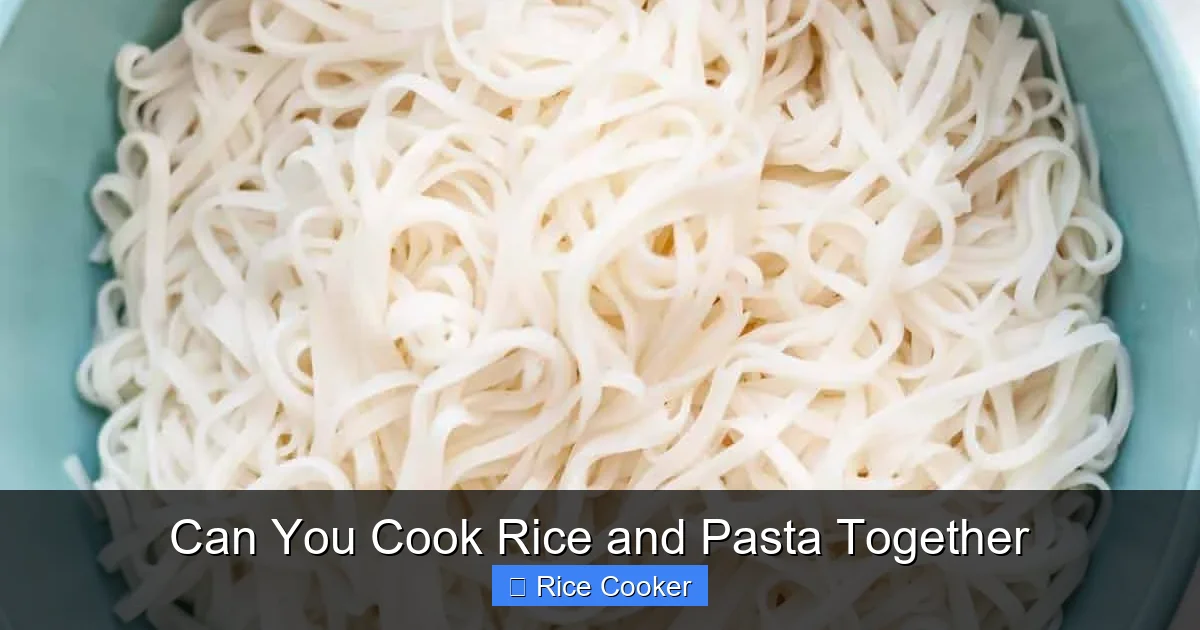
Yes, you can cook rice and pasta together—but it requires careful timing and the right technique. While both are starches, they have different cooking times and textures, so success depends on layering them properly and using a large enough pot or rice cooker. With the right method, you’ll save time and create a balanced meal with minimal cleanup.
Key Takeaways
- Different Cooking Times: Rice usually takes 15–40 minutes, while pasta cooks in just 8–12 minutes. This difference means you need to adjust your cooking strategy.
- Layering Works Best: Add the quicker-cooking ingredient (like pasta) on top of the slower rice to prevent overcooking.
- Use a Large Pot or Rice Cooker: A big enough vessel prevents overcrowding and ensures even heat distribution.
- Adjust Liquid Amounts: Combine rice and pasta requires more water than usual—typically 3:1 liquid-to-grain ratio.
- Consider Texture and Flavor: Mixing alters taste and mouthfeel; pair ingredients that complement each other well.
- Experiment with Recipes: Try risotto-style dishes or grain-based casseroles for foolproof combinations.
- Clean-Up Matters: One-pot meals reduce dishes, but be ready for extra scrubbing if starch mixes.
📑 Table of Contents
- Can You Cook Rice and Pasta Together? Here’s What You Need to Know
- Understanding Rice and Pasta: Why They’re Not Perfect Bedfellows
- Step-by-Step Guide: How to Cook Rice and Pasta Together
- Best Practices for Success
- Creative Recipes Using Combined Rice and Pasta
- Potential Pitfalls and How to Avoid Them
- Frequently Asked Questions
- Final Thoughts: Embrace the Experiment
Can You Cook Rice and Pasta Together? Here’s What You Need to Know
We’ve all been there—standing in the kitchen with limited time, a fridge full of ingredients, and a craving for something warm and filling. Maybe you grabbed a box of brown rice and a bag of penne pasta on the same grocery trip. And now you’re wondering: Can I just cook them together?
The short answer is yes—you absolutely can cook rice and pasta together. But like most things in cooking, it’s not as simple as tossing everything into the pot and hitting “start.” Rice and pasta behave differently under heat, absorb liquids at varying rates, and reach doneness at completely different times. That’s why understanding how to combine them properly can make the difference between a delicious, cohesive dish and a mushy mess.
In this guide, we’ll walk you through everything you need to know about cooking rice and pasta together—whether you’re using a standard pot, a rice cooker, or experimenting with new recipes. We’ll cover timing, techniques, flavor pairings, and even some creative ideas to turn this simple combo into something special. So grab your measuring cup, fire up your stove, and let’s dive in!
Understanding Rice and Pasta: Why They’re Not Perfect Bedfellows
The Science Behind Starch Absorption
Rice and pasta are both made from starches, but they come from different sources and cook very differently. Rice, especially long-grain types like white or brown rice, needs to fully absorb water and swell during cooking. It’s a slow process—usually 15 to 40 minutes depending on the variety. Brown rice, for example, takes longer because its bran layer slows down water absorption.
Visual guide about Can You Cook Rice and Pasta Together
Image source: cookingtipsblog.com
Pasta, on the other hand, is typically dried durum wheat and reacts quickly to heat. When submerged in boiling water, pasta swells rapidly and becomes tender in just 8 to 12 minutes. Unlike rice, pasta doesn’t keep cooking much after it’s removed from heat—it stops once it hits the pan. This contrast makes direct co-cooking tricky.
Another key factor is texture. Rice tends to become fluffy and separate when cooked correctly. Pasta, especially al dente, should retain a firm bite. If you cook them together for too long, the rice might turn mushy while the pasta loses its structure.
Common Misconceptions
Many home cooks assume that since both rice and pasta are grains, they’ll play nicely in the same pot. But here’s the truth: not all grains cook the same way. Some people try boiling them together in the same batch of water, thinking it’s efficient. But this often results in unevenly cooked batches—the pasta gets soft while the rice is still hard, or vice versa.
Another myth is that any type of rice will work with any pasta. While you can technically mix them, certain combinations just don’t taste good together. For instance, sticky sushi rice mixed with chewy rigatoni may not deliver the best flavor or mouthfeel.
When Is It Worth Trying?
Despite their differences, there are situations where cooking rice and pasta together makes sense—especially when you’re aiming for a budget-friendly, one-pot meal. Think of it like building layers in a casserole or creating a hearty grain bowl base. With the right approach, you can get a satisfying result without sacrificing flavor or texture.
Let’s look at practical methods next.
Step-by-Step Guide: How to Cook Rice and Pasta Together
Method 1: Layered Cooking in a Large Pot
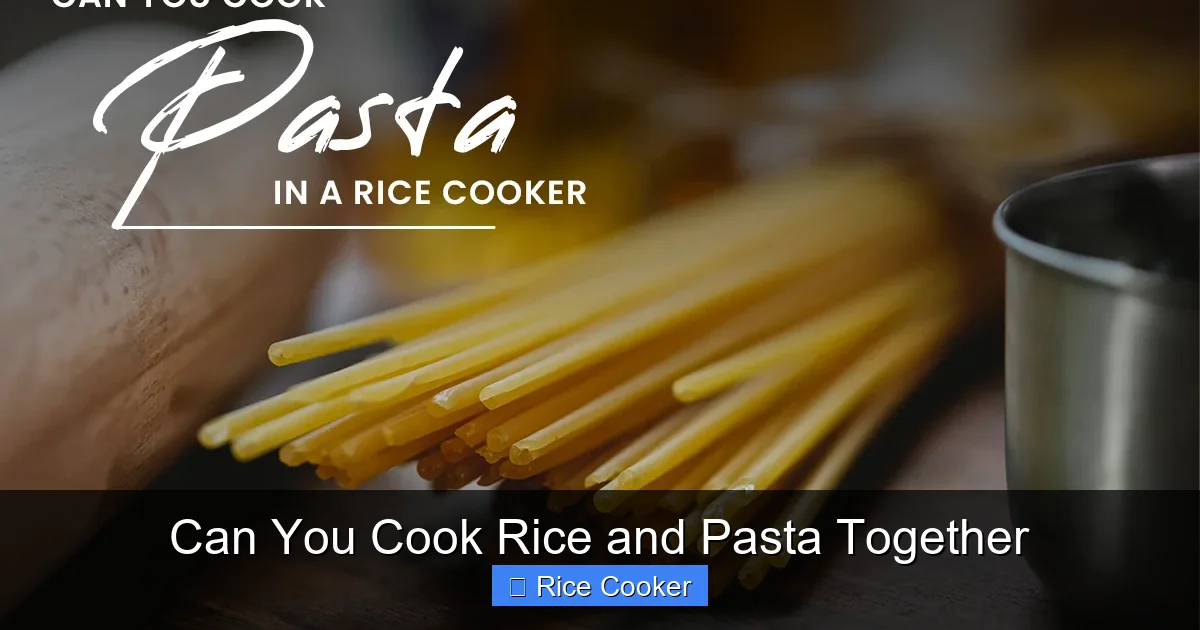
This is the most common and effective way to combine rice and pasta. The idea is to cook the rice first, then add the pasta on top toward the end of the rice’s cooking time.
Visual guide about Can You Cook Rice and Pasta Together
Image source: recipemarker.com
Here’s how to do it:
- Start with Rice: In a large pot (at least 6 quarts), bring 3 cups of water (or broth) to a boil. Add salt and your chosen rice. Reduce heat to low, cover, and simmer according to package instructions (usually 15–20 minutes for white rice).
- Add Pasta Near the End: About 8 minutes before the rice is done, uncover the pot and carefully stir in your dry pasta. Use a fork to gently fluff the rice and make space for the pasta.
- Test Doneness: Taste both components near the end of the rice’s timer. The rice should be tender with no hard kernels; the pasta should be al dente but not crunchy.
- Drain Excess Water: If there’s leftover liquid, drain it off using a colander. This prevents sogginess and helps achieve better texture.
- Fluff and Serve: Gently fold everything together with a fork. Add butter, olive oil, cheese, or herbs if desired.
Pro Tip: For added flavor, cook the rice in vegetable or chicken broth instead of plain water. Then toss the finished mixture with garlic-infused oil or pesto before serving.
Method 2: Using a Rice Cooker
Modern rice cookers aren’t just for rice anymore! Many models have settings for steaming or warming, which makes them useful for multi-ingredient dishes.
How to use a rice cooker for rice + pasta:
- Follow the same layered approach: Cook rice first using the regular setting.
- Once the rice cooker switches to “warm” mode, open the lid and place the dry pasta directly on top of the rice.
- Cover and let the residual heat steam the pasta for about 5–7 minutes. Keep an eye on it—overdoing it leads to mush.
- Stir gently and check texture. Drain any excess moisture if needed.
Note: Not all rice cookers handle high heat well, so avoid using the “cook” setting again once pasta is added. Stick to steaming or warming modes.
Method 3: One-Pot Casserole Style
If you’re making a main course (like a grain bowl or casserole), you can bake rice and pasta together in the oven. This method works especially well with short-grain rice and small pasta shapes like orzo or farfalle.
Recipe outline:
- Preheat oven to 375°F (190°C).
- Toast rice and pasta briefly in olive oil until lightly golden (optional, adds nuttiness).
- Add broth, tomatoes, beans, spinach, or protein of choice.
- Bake covered for 25–30 minutes, then uncover and bake 10 more minutes until liquid is absorbed.
- Let rest 5 minutes before serving.
This approach gives you a cohesive, rustic dish perfect for meal prep or family dinners.
Best Practices for Success
Choose Compatible Ingredients
Not every rice meets every pasta. Here are safe pairings:
- White Rice + Small Pasta: White rice and orzo work great together. Both cook relatively fast and blend well.
- Brown Rice + Short Pasta: Brown rice pairs nicely with penne or fusilli. Just remember to increase water and cooking time.
- Avoid mixing sushi rice (too sticky) with delicate angel hair pasta (too fragile).
Watch Your Ratios
As a general rule:
- Use 1 part rice to 1.5 parts pasta by volume.
- Liquid should be roughly double the total volume of dry ingredients.
- Example: 1 cup rice + 1.5 cups pasta = ~5–6 cups liquid.
Timing Is Everything
Set a timer. Most rice cookers have audible alerts, but if you’re stovetop cooking, start checking 2–3 minutes early. Overcooked pasta = gummy disaster.
Don’t Skip Stirring
Gently stir once or twice during cooking to prevent sticking—especially important with pasta, which can clump when wet.
Season Thoughtfully
Since you’re combining two starches, season generously. Salt, garlic powder, smoked paprika, or nutritional yeast can elevate both components.
Creative Recipes Using Combined Rice and Pasta
1. Mediterranean Grain Bowl
Combine cooked white rice and whole-wheat fusilli with canned chickpeas, cherry tomatoes, cucumber, red onion, olives, and feta. Dress with lemon-herb vinaigrette.
2. Creamy Mushroom Risotto-Stuffed Shells (Rice-Pasta Hybrid)
Use leftover rice as a risotto base, stuff jumbo shells with ricotta and spinach, bake with tomato sauce, and serve alongside the rice-pasta mix.
3. One-Pot Chicken & Grain Skillet
Sauté chicken, add rice, pasta, diced carrots, peas, and chicken broth. Simmer until rice is tender, then stir in Parmesan and fresh parsley.
4. Vegan Power Bowl
Toss brown rice and spiralized zucchini noodles (or lentil pasta) with avocado, roasted sweet potatoes, black beans, and tahini dressing.
These recipes show how flexible the concept can be—once you master the basics, the possibilities expand.
Potential Pitfalls and How to Avoid Them
Mushy Rice or Gummy Pasta
This happens when either ingredient cooks too long. Solution: Always test for doneness before finishing the other component.
Uneven Texture
If rice is underdone and pasta is overdone, blame poor layering. Fix: Place pasta on top so it finishes last.
Excess Moisture
Too much liquid creates a soupy mess. Drain thoroughly or simmer uncovered to evaporate excess.
Weak Flavor
Starches soak up flavors—so don’t skimp on seasoning or use flavorless broth.
Sticking or Clumping
Oil the pot slightly or use parchment paper underneath the pasta layer to prevent adhesion.
Frequently Asked Questions
Is it safe to eat rice and pasta cooked together?
Yes, it’s perfectly safe as long as both ingredients reach proper internal temperatures and are fully cooked. Just ensure the mixture isn’t left sitting at room temperature for too long to avoid bacterial growth.
Can I cook instant rice and pasta together?
Instant rice (like Minute Rice) cooks in about 1 minute. You can add dry pasta to it after the rice is done, but be cautious—it may overcook quickly. Better to cook rice first, then add pasta off-heat.
Does cooking rice and pasta together affect nutrition?
Nutritionally, combining them doesn’t change much—both provide carbohydrates and some fiber. However, blending complex carbs can help stabilize blood sugar compared to eating either alone.
What’s the best container for cooking them together?
A heavy-bottomed stainless steel or enameled pot works best due to even heat distribution. Avoid nonstick pans if cooking pasta first, as high heat can damage the coating.
Can I freeze cooked rice and pasta mixtures?
Absolutely! Portion into containers and freeze for up to 3 months. Thaw overnight in the fridge and reheat gently on the stove or microwave.
Do I need special equipment?
No—just a large pot or rice cooker. If using a rice cooker, make sure it has a steaming function for best results.
Final Thoughts: Embrace the Experiment
Cooking rice and pasta together isn’t about replacing traditional methods—it’s about flexibility. Life happens. Sometimes you want dinner ready in 20 minutes. Other times, you’re cleaning up a pantry and want to use what’s on hand. That’s where this technique shines: it saves time, reduces dishes, and opens the door to creative, economical meals.
Remember, cooking is as much art as science. Don’t be afraid to tweak ratios, swap ingredients, or adjust timing based on your taste. Keep notes if you’re trying something new—your future self will thank you.
And who knows? You might discover your new favorite comfort food. Whether it’s a savory grain skillet, a colorful veggie-packed bowl, or a cozy one-pot stew, combining rice and pasta can lead to delicious surprises. So go ahead—mix it up, taste as you go, and enjoy the journey of finding what works for you.
Frequently Asked Questions
Is it safe to eat rice and pasta cooked together?
Yes, it’s perfectly safe as long as both ingredients reach proper internal temperatures and are fully cooked. Just ensure the mixture isn’t left sitting at room temperature for too long to avoid bacterial growth.
Can I cook instant rice and pasta together?
Instant rice (like Minute Rice) cooks in about 1 minute. You can add dry pasta to it after the rice is done, but be cautious—it may overcook quickly. Better to cook rice first, then add pasta off-heat.
Does cooking rice and pasta together affect nutrition?
Nutritionally, combining them doesn’t change much—both provide carbohydrates and some fiber. However, blending complex carbs can help stabilize blood sugar compared to eating either alone.
What’s the best container for cooking them together?
A heavy-bottomed stainless steel or enameled pot works best due to even heat distribution. Avoid nonstick pans if cooking pasta first, as high heat can damage the coating.
Can I freeze cooked rice and pasta mixtures?
Absolutely! Portion into containers and freeze for up to 3 months. Thaw overnight in the fridge and reheat gently on the stove or microwave.
Do I need special equipment?
No—just a large pot or rice cooker. If using a rice cooker, make sure it has a steaming function for best results.