
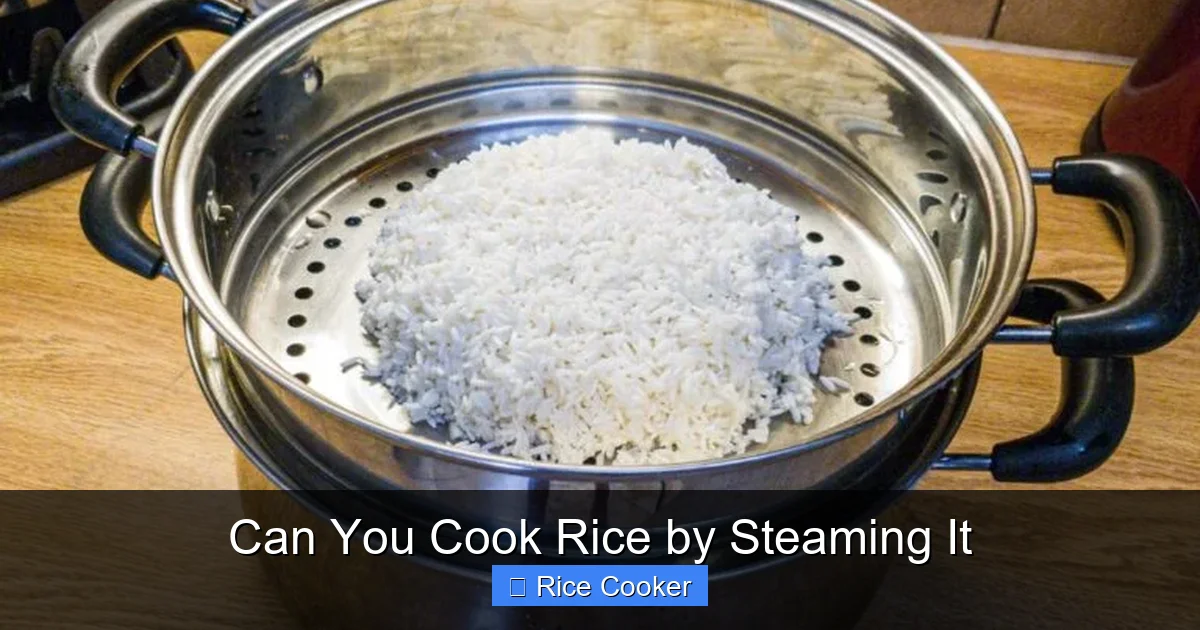
Steaming is one of the healthiest and most reliable ways to cook rice, preserving nutrients and creating fluffy, flavorful grains. Whether you use a pot with a steamer basket or your rice cooker’s built-in steaming function, this method ensures even cooking without added fat. With the right technique, steamed rice rivals any traditional boiling method in texture and taste.
Key Takeaways
- Yes, you can cook rice by steaming it: Steaming is a gentle, moisture-based cooking method that produces tender, non-sticky rice.
- It preserves nutrients better than boiling: Since rice isn’t submerged, vitamins and minerals aren’t lost as quickly into water.
- You don’t need special equipment: A simple pot with a steamer basket or a rice cooker works just fine.
- Different rice types require different steaming times: Basmati, jasmine, brown rice, and sushi rice each have unique needs.
- Steamed rice is lower in calories and fat: Ideal for healthy diets and weight management.
- Proper water-to-rice ratio is essential: Too much water leads to mushy rice; too little results in dryness.
- Steaming helps control sodium intake: No added salt in water means less sodium overall.
📑 Table of Contents
- Can You Cook Rice by Steaming It?
- The Science Behind Steaming Rice
- How to Steam Rice: Step-by-Step Guide
- Using a Rice Cooker to Steam Rice
- Different Types of Rice and Their Steaming Needs
- Tips for Perfect Steamed Rice Every Time
- Health Benefits of Steamed Rice
- Troubleshooting Common Steaming Issues
- Creative Ways to Serve Steamed Rice
- Conclusion: Why Steaming Deserves a Spot in Your Kitchen
Can You Cook Rice by Steaming It?
Have you ever wondered if there’s a better way to cook rice than boiling it? While boiling has long been the go-to method, steaming offers a cleaner, healthier alternative—especially if you’re watching your calorie or sodium intake. And the best part? Yes, you can definitely cook rice by steaming it. In fact, many home cooks and professional chefs consider it the gold standard for achieving fluffy, aromatic, and nutritious rice every time.
Steaming rice involves cooking it indirectly using hot, moist air rather than submerging it in water. This gentle heat transfer allows the rice to absorb moisture slowly, resulting in evenly cooked grains without sticking or burning. Whether you’re making a side dish for dinner, preparing sushi, or cooking up a batch of brown rice for meal prep, steaming delivers consistent results. Plus, it’s surprisingly easy—no fancy gadgets required. Let’s dive into how to do it right, why it matters, and which tools make the process even smoother.
The Science Behind Steaming Rice
To understand why steaming works so well, let’s look at what happens during the process. When rice absorbs water and heat, its starches gelatinize, turning hard kernels into soft, edible grains. Boiling rice causes rapid starch release, often leading to mushiness if overdone. Steaming, however, uses controlled steam pressure and temperature to gently hydrate the rice from the inside out.
Visual guide about Can You Cook Rice by Steaming It
Image source: gocookyummy.com
This method reduces leaching of water-soluble vitamins like B1 and B3, which tend to dissolve into boiling water. Studies suggest that steamed white rice retains up to 30% more folate and thiamine compared to boiled rice. Additionally, because the rice never touches standing water, there’s no risk of overcooking or developing off-flavors. The result? Clean, light, and subtly flavored grains every single time.
Why Choose Steaming Over Other Methods?
While boiling, frying, and microwaving are common techniques, steaming stands out for several reasons:
- Nutrient Retention: Less vitamin loss due to minimal contact with liquid.
- No Added Fat or Oil: Unlike fried rice, steaming keeps calories low.
- Even Cooking: Steam circulates uniformly around the container, reducing hot spots.
- Flavor Preservation: Natural aroma of rice shines through without dilution.
If you’re aiming for a healthier, cleaner plate, steaming is your best bet.
How to Steam Rice: Step-by-Step Guide
Ready to try steaming rice at home? Here’s a foolproof method using basic kitchen tools:
Visual guide about Can You Cook Rice by Steaming It
Image source: omnivorescookbook.com
What You’ll Need
- Pot with a tight-fitting lid (at least 2–3 inches taller than the rice)
- Steamer basket or metal colander that fits inside
- Measuring cup
- Rice of your choice (white, brown, basmati, etc.)
- Filtered water
- Towel or oven mitt
Step 1: Rinse the Rice
Place your rice in a fine-mesh strainer and rinse under cold running water until the water runs clear. This removes excess starch, preventing stickiness. Skipping this step can lead to clumpy rice, especially with short-grain varieties.
Step 2: Measure Water Correctly
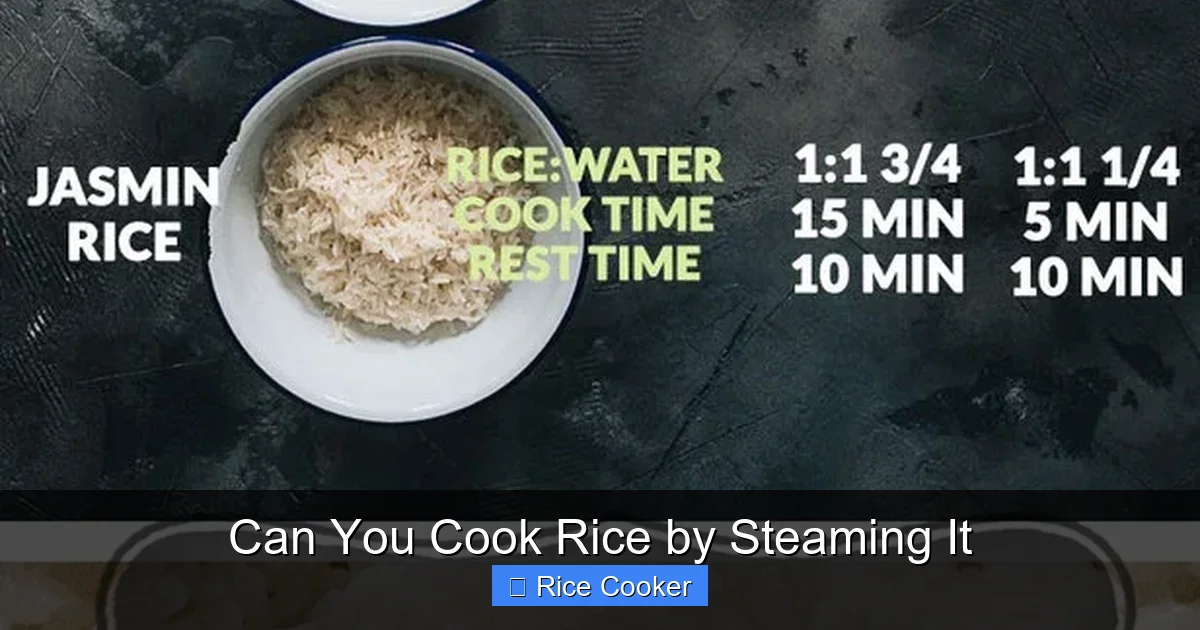
The magic number depends on the rice type. For most white rice, use a 1:1.5 ratio (1 cup rice to 1.5 cups water). Brown rice needs slightly more—try 1:2. For jasmine or basmati, go for 1:1.75. Always double-check package instructions, but these ratios are solid starting points.
Step 3: Assemble Your Setup
Fill the bottom of your pot with about an inch of water. Place the steamer basket inside so it floats freely above the water level. Add your rinsed rice and measured water to the basket. Cover with a lid—this traps steam and speeds up cooking.
Step 4: Bring to a Boil, Then Simmer
Turn the heat to high until the water in the pot boils. Once boiling, reduce to medium-low and let it simmer gently. Avoid lifting the lid frequently—every time you do, steam escapes and slows down the process.
Step 5: Check for Doneness
After 15–20 minutes (adjust based on rice type), check if the top layer looks dry and the grains are tender. If needed, add another tablespoon of water and cover again. Total time usually ranges from 18–25 minutes for white rice and 30–40 for brown.
Step 6: Rest and Fluff
Once done, remove from heat and let it sit, covered, for 5–10 minutes. This final steam phase equalizes moisture. Then fluff with a fork before serving.
Pro tip: Use a timer and keep a towel handy to shield yourself from escaping steam when opening the lid.
Using a Rice Cooker to Steam Rice
Modern rice cookers come with a secret weapon: a steaming tray. Most models have a dedicated “steam” or “keep warm” setting, though not all support full steaming. But those that do make life incredibly easy.
How to Use Your Rice Cooker as a Steamer
First, ensure your rice cooker has a removable steaming tray. Fill the inner pot with 1–2 inches of water (not touching the bottom of the tray). Place the tray inside, add your rinsed rice, and close the lid. Select the “steam” function if available, or manually set it to “cook” mode. The rice cooker will regulate temperature automatically.
Timing remains key—check after 18–25 minutes depending on grain type. Because rice cookers maintain precise heat, you’re less likely to overcook. Plus, the non-stick surface makes cleanup a breeze.
Best Rice Cookers for Steaming
- Cuckoo CRP-DH1021F: High-end model with fuzzy logic and dual heating elements.
- Zojirushi NS-ZCC10: Reliable, durable, and excellent for small families.
- Aroma Housewares ARC-801DC: Budget-friendly with a built-in steam tray.
Look for models labeled “multi-cooker” or “steaming function” when shopping. Even older rice cookers often support basic steaming with manual settings.
Different Types of Rice and Their Steaming Needs
Not all rice behaves the same under steam. Here’s how to adapt your method for popular varieties:
White Rice (Long-Grain)
Examples: Basmati, Jasmine, American long-grain. These cook quickly and become light and separate. Use a 1:1.5 water ratio and steam for 18–22 minutes. They’re perfect for pilafs, stir-fries, or as a base for curries.
Brown Rice
Branny outer layer makes it chewier and denser. Requires longer soaking (15–30 mins pre-steaming) and a 1:2 water ratio. Steam for 30–40 minutes. Great for salads or fiber-rich meals.
Sushi Rice
Short-grain Japanese rice must be sticky but not mushy. Rinse thoroughly, use 1:1.2 water, and steam for 20 minutes. After resting, mix with seasoned vinegar while still warm.
Glutinous Rice
Used in desserts like mochi or Chinese mooncakes. Soak overnight, then steam for 35–45 minutes. Very absorbent—watch closely to avoid drying out.
Always refer to specific guidelines for heirloom or specialty rices, as they may vary.
Tips for Perfect Steamed Rice Every Time
Practice makes progress—but here are some pro tricks to skip the guesswork:
- Don’t Rush the Soak: For brown or glutinous rice, soak beforehand to soften hulls.
- Use Room-Temperature Water: Prevents shocking the grains during heating.
- Cover Gently but Tightly: A folded cloth over the lid can help seal in steam if your lid isn’t perfect.
- Fluff Before Serving: Never leave rice sitting in its own steam too long—it reabsorbs moisture and becomes soggy.
- Store Leftovers Properly: Cool completely, refrigerate in airtight containers, and reheat with a splash of water.
Also, consider using a thermometer near the steamer basket—ideal steam temperature is around 100°C (212°F).
Health Benefits of Steamed Rice
Beyond taste and texture, steaming offers real nutritional advantages:
- Lower Glycemic Index (GI): Steamed whole grains release sugar more slowly, helping stabilize blood glucose.
- Reduced Phytic Acid: Soaking and steaming partially breaks down phytic acid, improving mineral absorption.
- No Added Sodium: Unlike canned or instant versions, homemade steamed rice contains zero extra salt.
- Easy Digestion: Gentle cooking aids those with sensitive stomachs or GERD.
For diabetics or anyone managing cholesterol, choosing brown rice steamed properly provides sustained energy without spikes.
Troubleshooting Common Steaming Issues
Even experienced cooks run into hiccups. Here’s how to fix them:
Rice Sticks to the Bottom
Solution: Ensure your steamer basket doesn’t touch the water. Also, don’t overcrowd—use only half the basket’s capacity for airflow.
Rice Is Mushy or Soupy
Cause: Too much water or too long cooking. Fix: Reduce water by 10%, check doneness earlier, and avoid peeking.
Grains Are Undercooked
Try adding 1 tbsp water, covering again, and steaming 3–5 more minutes. Or pre-soak next time.
Steam Leaks Around Lid
Use a rubber gasket or wrap the rim with foil to seal gaps. Alternatively, switch to a pot with a tighter lid.
Most issues stem from timing or measurement—so patience pays off!
Creative Ways to Serve Steamed Rice
Steamed rice isn’t just a side dish—it’s versatile enough for global cuisines:
- Fried Rice Base: Cool steamed rice, stir-fry with veggies, eggs, and soy sauce.
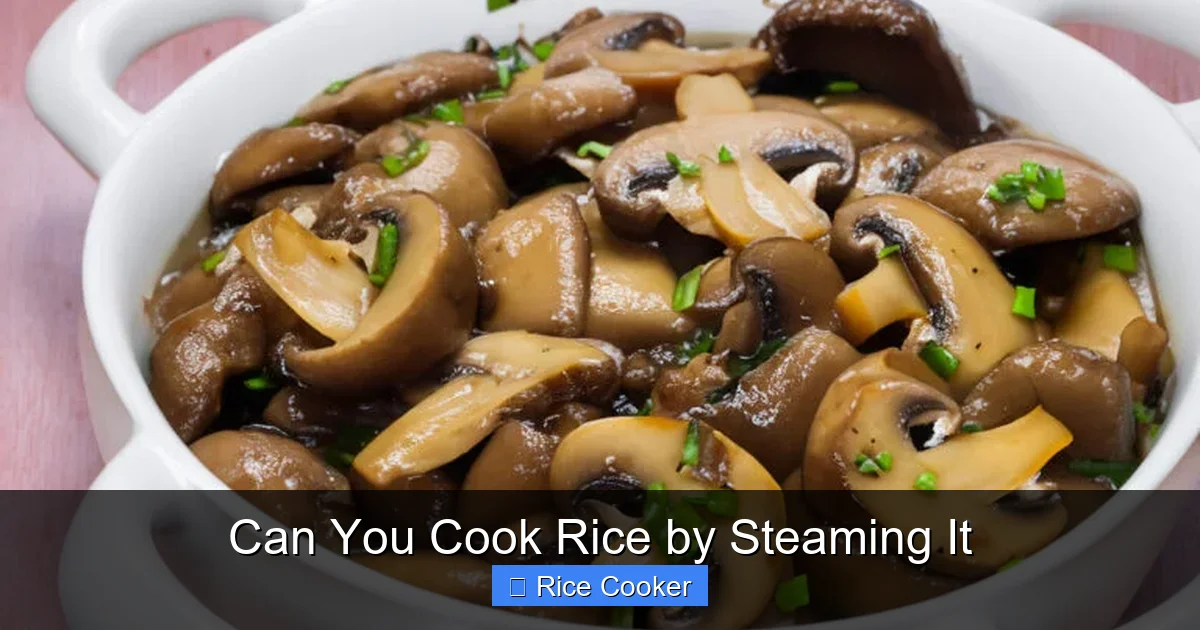
- Mushroom & Herb Pilaf: Sauté onions and mushrooms first, then add rice and steam together.
- Congee Alternative: Mix cooled steamed rice with broth for a lighter porridge.
- Sushi Prep: Season while warm for authentic flavor.
- Dessert Rice Pudding: Combine with milk, cinnamon, and raisins post-steam.
Get creative—your steamed rice is the foundation for countless meals.
Conclusion: Why Steaming Deserves a Spot in Your Kitchen
In a world of quick fixes and processed foods, taking the time to steam your rice might seem old-fashioned. But trust us—once you taste perfectly cooked, nutrient-rich grains made with care, you’ll never go back. Steaming rice is simple, healthy, and delicious. Whether you’re using a trusty pot or a smart rice cooker, this method delivers consistent, restaurant-quality results with minimal effort.
So next time you reach for the pot of boiling water, pause and consider steaming instead. Your body (and taste buds) will thank you. And who knows? You might discover your new favorite way to enjoy rice—fluffy, fragrant, and full of goodness.
Frequently Asked Questions
Is steamed rice healthier than boiled rice?
Yes, steamed rice generally retains more nutrients because it isn’t submerged in water, reducing vitamin leaching. It also avoids added fats or sodium, making it ideal for heart-healthy diets.
Can I steam rice in a microwave?
Absolutely. Use a microwave-safe bowl with a lid pierced with holes, add rice and water, cover, and cook on high for 12–18 minutes, checking halfway.
Do I need a special pot to steam rice?
No. Any pot with a tight-fitting lid and a compatible steamer basket works. Even a large saucepan can do the job.
How much water should I use for steamed rice?
Typically, 1 cup rice to 1.5 cups water for white rice, and 1 cup to 2 cups for brown rice. Adjust based on grain type and desired texture.
Does steaming change the taste of rice?
Steaming enhances natural flavors without diluting them. Unlike boiling, it doesn’t wash away aromatic compounds, so rice tastes fresher and more authentic.
Can I steam rice without a steamer basket?
Yes. Use a heatproof bowl placed inside a larger pot with simmering water (like a double boiler), ensuring the bowl doesn’t touch the water.