
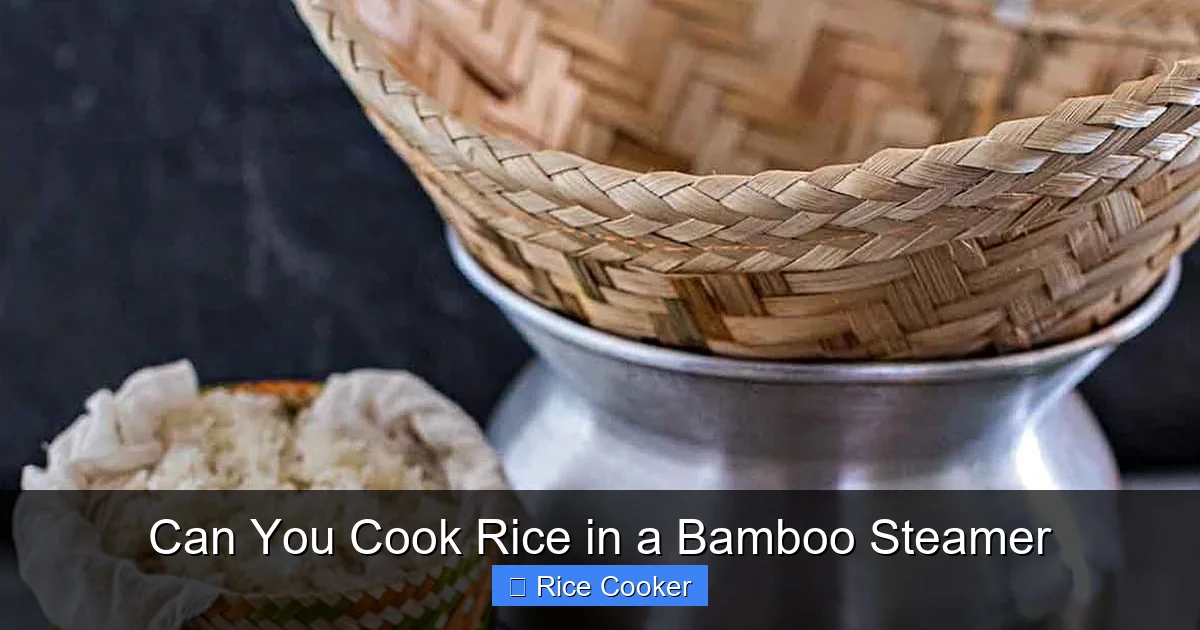
Cooking rice in a bamboo steamer is not only possible but also delivers delicious, evenly steamed grains with minimal effort. Unlike boiling or frying, steaming preserves nutrients and texture, making it ideal for both everyday meals and gourmet dishes. With the right preparation—like pre-soaking rice and using a heat-safe container—you’ll get perfectly cooked rice every time, whether you’re making plain white rice or infused varieties like coconut jasmine.
Key Takeaways
- Bamboo steamers are effective for cooking rice when paired with a heatproof vessel to prevent direct contact with water.
- Pre-soaking rice improves texture and reduces cooking time, ensuring tender, fluffy results.
- Using a double-boiler setup mimics professional steaming conditions, preventing scorching and uneven heat.
- Different rice types require adjusted soaking times and water ratios; short-grain works best for most steaming methods.
- Seasoning or flavoring the rice during steaming adds depth, such as with herbs, citrus zest, or broth instead of water.
- Cleaning and maintaining your bamboo steamer extends its lifespan and keeps it safe for food use.
📑 Table of Contents
- Can You Cook Rice in a Bamboo Steamer? The Ultimate Guide to Steamed Perfection
- Understanding Bamboo Steamers: How They Work
- Step-by-Step: How to Cook Rice in a Bamboo Steamer
- Tips for Perfect Steamed Rice Every Time
- Common Mistakes and How to Fix Them
- Beyond Plain White Rice: Creative Uses for Bamboo Steamers
- Health Benefits of Steamed Rice vs. Other Methods
- Frequently Asked Questions About Cooking Rice in a Bamboo Steamer
- Conclusion: Embrace Tradition with Modern Ease
Can You Cook Rice in a Bamboo Steamer? The Ultimate Guide to Steamed Perfection
Imagine waking up to the gentle aroma of fragrant jasmine rice wafting through your kitchen—soft, fluffy, and just slightly moist, each grain intact and separate. That dreamy breakfast scene isn’t reserved for fancy restaurants or special occasions. In fact, you can recreate it at home using a humble kitchen tool: the bamboo steamer. Yes, you read that right—you can cook rice in a bamboo steamer, and it might just become your new favorite method.
While rice cookers dominate modern kitchens with their automated precision, there’s something deeply satisfying about using traditional tools like bamboo steamers. They connect us to centuries-old culinary practices from East Asia, where steaming has long been prized for preserving nutrients and enhancing natural flavors. But let’s be honest—steaming rice sounds tricky. Is it even possible? Can you really get perfectly cooked rice without a pot on the stove or an electric appliance?
The answer is yes—with a few simple adjustments and the right technique. This guide walks you through everything you need to know: from preparing your rice correctly to setting up your steamer, choosing the best type of rice, and even adding subtle flavors. Whether you’re a busy parent looking for quick weeknight dinners, a health-conscious eater wanting nutrient-rich meals, or someone who simply loves experimenting with traditional cooking methods, learning how to cook rice in a bamboo steamer opens up a world of possibilities. Let’s dive in!
Understanding Bamboo Steamers: How They Work
A bamboo steamer is more than just a trendy kitchen accessory—it’s a functional piece of culinary technology rooted in tradition. Made from interwoven bamboo strips, these steamers typically come in two parts: a bottom tray (or basket) that sits inside a pot of boiling water, and one or more stacked baskets above it. As water boils beneath, steam rises through small holes in each layer, gently cooking food without submerging it in liquid.
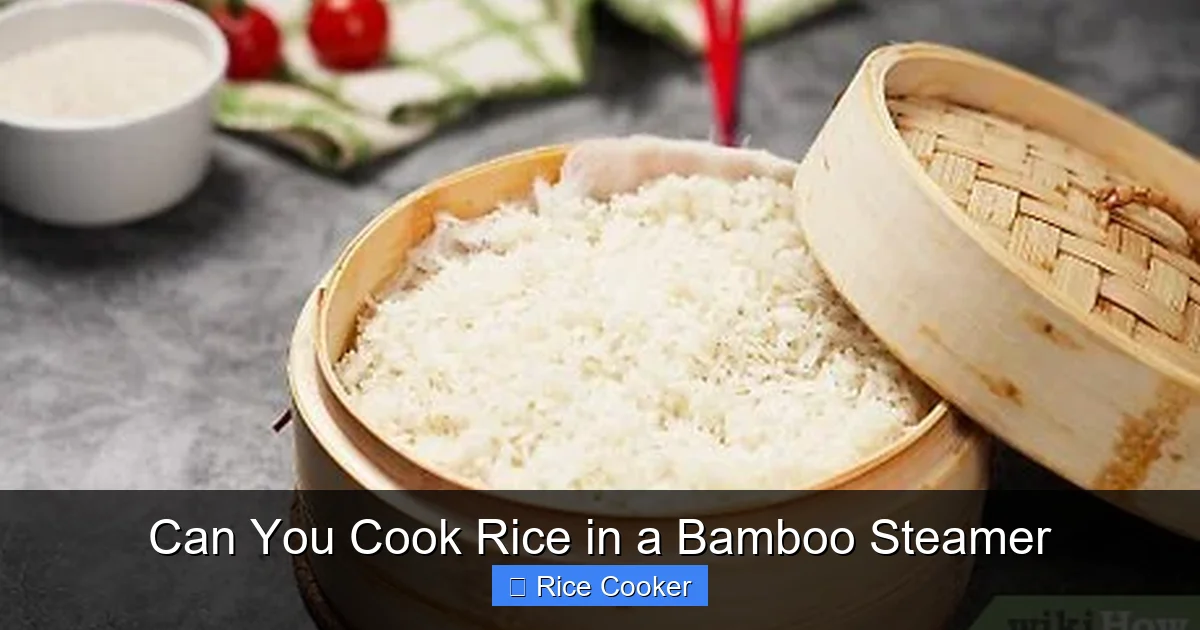
Visual guide about Can You Cook Rice in a Bamboo Steamer
Image source: wikihow.com
The Science Behind Steaming Rice
Steaming rice differs dramatically from boiling. When you boil rice, it absorbs a lot of water, which can lead to mushiness if overdone or dryness if undercooked. Steaming, on the other hand, uses moist heat to cook the grains evenly while retaining their structure. The key advantage? Less starch leaching into the water means fluffier, more distinct grains.
But here’s the catch: rice needs some form of moisture to cook. So even though you’re not submerging the rice in water, you still need to introduce enough humidity for the grains to absorb and gelatinize properly. That’s why most recipes recommend placing the rice in a heatproof bowl or another steamer basket lined with cheesecloth or parchment paper.
Types of Bamboo Steamers You Might Use
Not all bamboo steamers are created equal. Some are single-tiered, others have three or four levels. For cooking rice, a single large steamer basket works best because it gives the rice room to expand and allows steam to circulate freely. If you have multiple tiers, you can cook rice on one level while steaming dumplings or vegetables on another—great for meal prep!
Also consider the size of your steamer relative to your pot. A well-fitted steamer fits snugly inside a standard 4- or 5-quart pot with about an inch of space between the steamer and the pot’s sides. This ensures consistent steam flow and prevents splashing.
Step-by-Step: How to Cook Rice in a Bamboo Steamer
Ready to try it yourself? Follow this foolproof process for perfectly steamed rice every time.
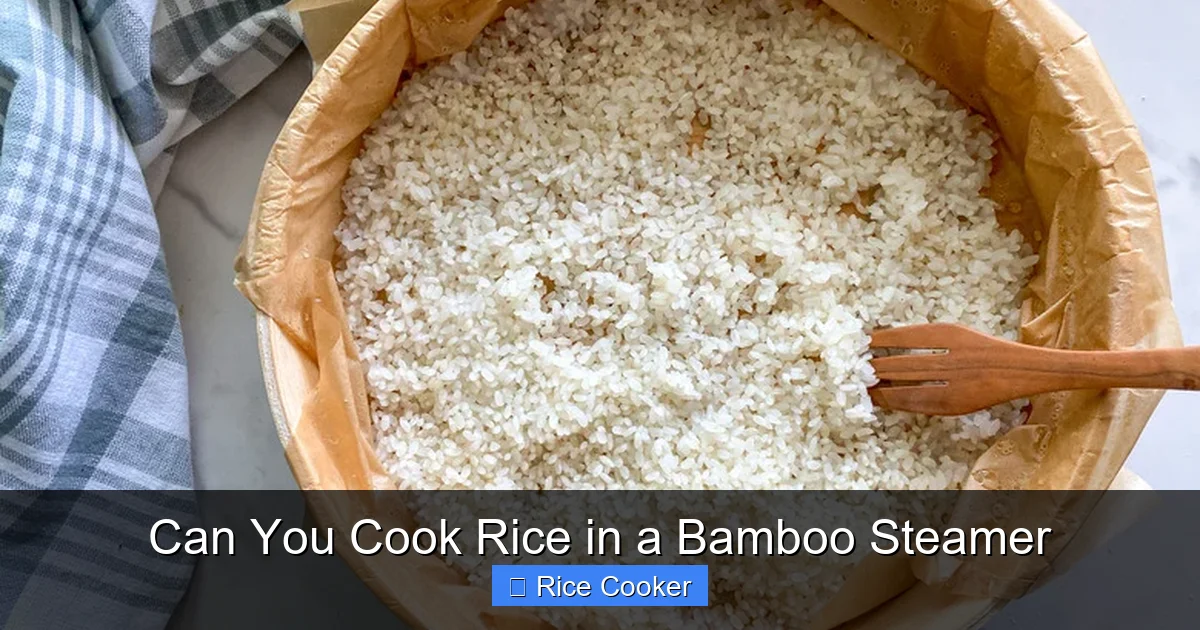
Visual guide about Can You Cook Rice in a Bamboo Steamer
Image source: tastingtable.com
1. Choose the Right Rice
Not all rice is made equal when it comes to steaming. Short-grain rice (like sushi rice or Calrose) is ideal because it has a higher starch content that helps bind the grains together without becoming gluey. Medium-grain works too, but long-grain (such as basmati or jasmine) tends to stay more separate—which can be good or bad depending on your preference.
Avoid instant or parboiled rice unless specifically labeled for steaming, as they often contain additives that affect texture.
2. Rinse and Soak the Rice
Rinsing removes excess starch and any impurities, resulting in cleaner-tasting rice. Place your rice in a fine-mesh strainer and rinse under cold running water until the water runs clear—usually 3–4 rinses.
Next, soak the rinsed rice. This step is crucial. Soaking softens the outer bran layer, allowing the grain to absorb moisture more evenly during steaming. For best results:
- Short-grain rice: Soak for 30 minutes to 1 hour
- Long-grain rice: Soak for 20–30 minutes
- Drain thoroughly before cooking
3. Prepare Your Cooking Vessel
Since rice shouldn’t sit directly in water while steaming, you’ll need a container that can hold it safely. Options include:
- A heatproof glass or ceramic bowl
- A smaller bamboo steamer basket placed inside your main steamer
- A metal colander lined with cheesecloth
Line whichever vessel you choose with a damp cloth or parchment paper to prevent sticking and help trap moisture.
4. Set Up the Double-Boiler System
Fill your pot with about 2 inches of water—not so much that it touches the bottom of your rice container. Bring the water to a rolling boil, then reduce to medium-low heat to maintain steady steam.
Place your prepared rice container inside the bamboo steamer basket. If using multiple tiers, leave space between them for steam circulation.
5. Steam the Rice
Cover the pot tightly with a lid to keep steam contained. Here’s where timing matters:
- Short-grain rice: 20–25 minutes after steam appears
- Long-grain rice: 25–30 minutes
Check doneness by poking a grain with your finger—it should be tender but not mushy. If needed, add another 3–5 minutes, but avoid lifting the lid frequently, as this releases precious steam.
6. Rest and Fluff
Once done, turn off the heat and let the rice rest for 5–10 minutes with the lid on. Then carefully remove the container, fluff gently with a fork, and serve immediately.
Tips for Perfect Steamed Rice Every Time
Even seasoned cooks make mistakes. Here are pro tips to ensure success:
Use Fresh Water
Always use fresh, cold water for soaking and steaming. Stale or chlorinated tap water can affect taste and texture.
Don’t Overfill the Container
Leave at least 1 inch of space around the rice in its container. Overfilling blocks steam access and leads to uneven cooking.
Adjust for Altitude
At high elevations, water boils at lower temperatures, which slows steaming. Increase cooking time by 5–10 minutes or use a pressure cooker setup instead.
Flavor Infusions Are Easy
Swap plain water with chicken or vegetable broth, coconut milk, or even a splash of rice wine for added complexity. Add bay leaves, ginger slices, or star anise directly into the rice for aromatic depth.
Keep It Clean
After each use, wash your bamboo steamer with mild soap and warm water. Avoid soaking it overnight, as prolonged exposure to moisture can warp or split the bamboo. Dry completely before storing.
Common Mistakes and How to Fix Them
If your first attempt doesn’t go smoothly, don’t worry! These common issues usually have simple fixes:
Mushy or Gummy Rice
This happens when the rice gets too wet or overcooked. Solution: Soak less next time (especially for short-grain), reduce steaming time slightly, and never stir the rice once it starts steaming—stirring breaks apart the delicate grain structure.
Dry or Undercooked Grains
Usually due to insufficient steam or too little soaking. Ensure your pot has enough boiling water and that the lid seals tightly. Also verify your rice was fully drained before steaming.
Rice Sticking to the Bottom
Without proper lining or too much moisture trapped underneath, rice can scorch. Always use a breathable cloth or parchment paper, and don’t overcrowd the container.
Lid Fogging Too Much
If condensation drips back onto the rice, lift the lid slightly to release excess moisture. Alternatively, place a clean towel under the lid to absorb extra steam.
Beyond Plain White Rice: Creative Uses for Bamboo Steamers
Once you master basic steamed rice, the possibilities expand. Try these ideas to elevate your meals:
- Coconut Jasmine Rice: Mix soaked jasmine rice with coconut milk and a pinch of salt. Steam as usual for a tropical twist.
- Herbed Brown Rice: Combine brown rice with chopped parsley, thyme, and a bay leaf. Soak longer (1–2 hours) due to its denser texture.
- Saffron Pilaf: Stir saffron threads into warm broth before adding to rice. The golden hue and earthy flavor are stunning.
- Stuffed Tomatoes with Rice Filling: Hollow out cherry tomatoes, fill with seasoned rice mixture, and steam alongside dumplings.
These methods showcase how versatile bamboo steamers truly are—not just for rice, but as a gateway to healthier, more flavorful cooking overall.
Health Benefits of Steamed Rice vs. Other Methods
Steaming isn’t just convenient—it’s nutritious. Compared to boiling, which washes away soluble vitamins (especially B-complex), steaming preserves more nutrients within the grain. And unlike frying, which adds unnecessary fats and calories, steaming keeps the rice light and clean.
For people managing blood sugar (like those with diabetes), unprocessed, well-cooked rice—whether steamed or boiled—is generally better tolerated than raw or undercooked varieties. Just watch portion sizes and pair with protein and fiber-rich sides.
Frequently Asked Questions About Cooking Rice in a Bamboo Steamer
Do I really need to soak the rice before steaming?
Yes, soaking is highly recommended. It softens the grain and helps achieve uniform texture. Without soaking, especially with short-grain rice, you risk uneven cooking or a gritty mouthfeel.
Can I use a microwave-safe bowl instead of a steamer basket?
Technically, yes—but it’s not ideal. Microwave bowls don’t allow proper steam circulation, and microwaving won’t replicate the gentle, even heat of real steam. Stick to a double-boiler setup for best results.
What if I don’t have a bamboo steamer?
You can improvise! Use a metal colander inside a pot, or buy a collapsible silicone steamer basket. Both work nearly as well, though bamboo retains heat slightly better and is more traditional.
Is it safe to reuse old bamboo steamers?
Only if they’re in good condition. Cracked or moldy bamboo poses food safety risks. Discard any steamer showing signs of rot or deep splitting. Proper cleaning and drying prevent most problems.
How do I store leftover steamed rice?
Let it cool completely, then transfer to an airtight container. Refrigerate for up to 3 days or freeze for longer storage. Reheat gently in a steamer or microwave with a splash of water to restore moisture.
Can I steam rice directly in the bamboo basket without a second container?
It’s possible, but not recommended. Rice needs airflow and moisture control. Placing it directly on the bamboo mesh can lead to uneven cooking and potential charring if water pools underneath.
Conclusion: Embrace Tradition with Modern Ease
Cooking rice in a bamboo steamer isn’t just about replicating an ancient technique—it’s about reconnecting with simplicity, mindfulness, and flavor. In a world of flashy gadgets and instant solutions, there’s quiet joy in watching steam curl gently over perfectly cooked grains, knowing every bite honors centuries of culinary wisdom.
Whether you’re feeding a family, hosting guests, or treating yourself to a peaceful solo meal, mastering this method empowers you. It teaches patience, attention to detail, and respect for ingredients. Plus, the results speak for themselves: tender, aromatic rice that pairs beautifully with curries, stir-fries, soups, and more.
So next time you reach for your rice cooker, pause and ask: Could I do this the old-fashioned way? With a little practice—and maybe a new bamboo steamer—the answer might surprise you. And who knows? You could discover your new favorite kitchen ritual.
Frequently Asked Questions
Do I really need to soak the rice before steaming?
Yes, soaking is highly recommended. It softens the grain and helps achieve uniform texture. Without soaking, especially with short-grain rice, you risk uneven cooking or a gritty mouthfeel.
Can I use a microwave-safe bowl instead of a steamer basket?
Technically, yes—but it’s not ideal. Microwave bowls don’t allow proper steam circulation, and microwaving won’t replicate the gentle, even heat of real steam. Stick to a double-boiler setup for best results.
What if I don’t have a bamboo steamer?
You can improvise! Use a metal colander inside a pot, or buy a collapsible silicone steamer basket. Both work nearly as well, though bamboo retains heat slightly better and is more traditional.
Is it safe to reuse old bamboo steamers?
Only if they’re in good condition. Cracked or moldy bamboo poses food safety risks. Discard any steamer showing signs of rot or deep splitting. Proper cleaning and drying prevent most problems.
How do I store leftover steamed rice?
Let it cool completely, then transfer to an airtight container. Refrigerate for up to 3 days or freeze for longer storage. Reheat gently in a steamer or microwave with a splash of water to restore moisture.
Can I steam rice directly in the bamboo basket without a second container?
It’s possible, but not recommended. Rice needs airflow and moisture control. Placing it directly on the bamboo mesh can lead to uneven cooking and potential charring if water pools underneath.