
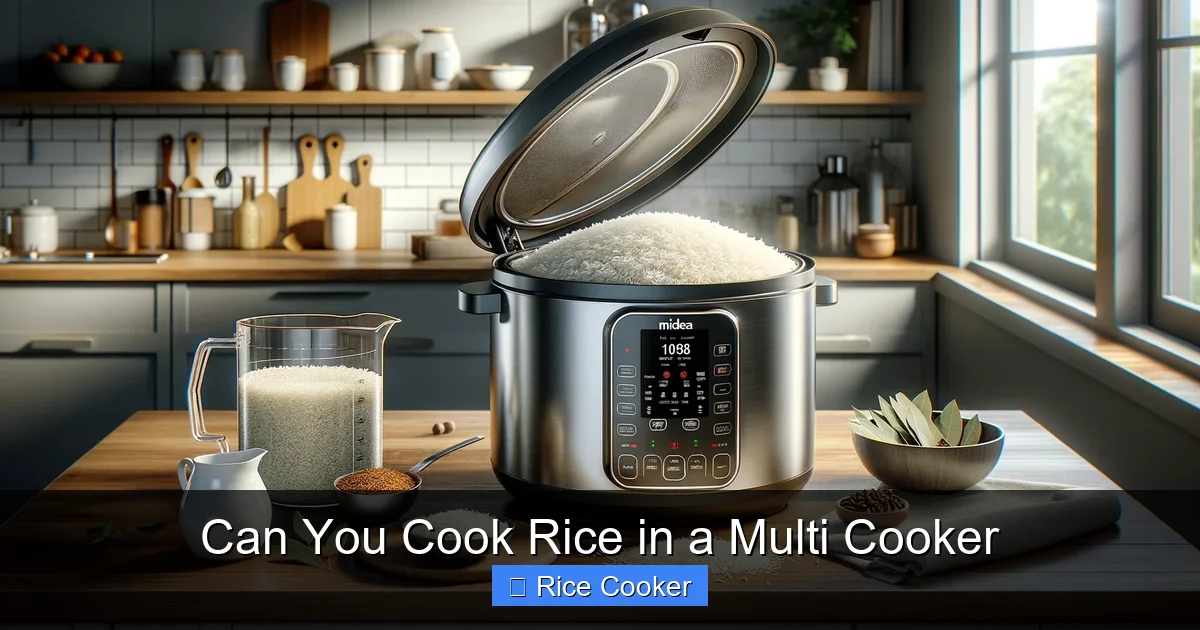
Cooking rice in a multi cooker is not only possible but also incredibly simple and convenient. With the right ratio of water to rice and a few quick steps, you can achieve fluffy, flavorful results without extra equipment. This versatile kitchen tool saves time and effort while delivering consistent, delicious rice every single time.
Cooking rice in a multi cooker might sound too good to be true—after all, why buy a rice cooker when you already own a multi cooker? But here’s the truth: you absolutely can cook rice in a multi cooker, and it often turns out better than on the stove. Whether you’re making fluffy jasmine rice for stir-fry or hearty brown rice for a bowl, your multi cooker handles it with ease. In fact, many home cooks now rely on their multi cookers as their go-to method for preparing rice—because it’s hands-off, consistent, and surprisingly foolproof.
If you’ve ever struggled with burnt rice, uneven heat, or sticky pots on the stovetop, you’re not alone. Traditional rice cooking methods require constant attention, careful timing, and a good eye to avoid overcooking. But with a multi cooker, you press a button, walk away, and come back to perfectly cooked rice every time. It’s no wonder this appliance has become a kitchen staple for busy families, college students, and anyone who loves home-cooked meals without the hassle.
In this article, we’ll walk you through everything you need to know about cooking rice in a multi cooker—from choosing the right grains to mastering the water ratio, and even tips for cleaning up afterward. By the end, you’ll feel confident that your multi cooker isn’t just for soups and stews—it’s a full-fledged rice-making powerhouse.
Key Takeaways
- Multi cookers are fully capable of cooking rice: They have dedicated settings like “Rice” or “White Rice” for optimal results.
- Proper water-to-rice ratio is essential: Most recipes use 1:1.5 (rice to water), but this can vary by grain type.
- Pre-soaking rice improves texture: Soaking short-grain or brown rice for 20–30 minutes leads to fluffier outcomes.
- Natural pressure release works best: Let the cooker sit after cooking to avoid mushy rice.
- Cleanup is fast and easy: The non-stick pot means minimal scrubbing—just rinse and wipe.
- You’re not limited to white rice: Try brown, jasmine, basmati, or even wild rice in your multi cooker.
- Energy efficient and time-saving: Multi cookers cook faster than stovetop methods and use less energy.
📑 Table of Contents
- Why Use a Multi Cooker Instead of a Rice Cooker?
- Choosing the Right Rice for Your Multi Cooker
- Perfect Water-to-Rice Ratios for Every Grain
- Step-by-Step Guide: How to Cook Rice in a Multi Cooker
- Common Mistakes and How to Fix Them
- Beyond Basic Rice: Creative Uses for Your Multi Cooker
- Cleaning and Maintenance Tips
- Conclusion: Embrace the Versatility of Your Multi Cooker
Why Use a Multi Cooker Instead of a Rice Cooker?
Let’s start with the big question: why bother cooking rice in a multi cooker when you could just use a dedicated rice cooker? After all, rice cookers are specifically designed for one job—and they do it well. But multi cookers offer something rice cookers can’t: versatility. You can sauté onions, slow-cook stews, steam vegetables, and yes—make perfect rice—all in the same pot. This means fewer appliances cluttering your countertop and more space in your cabinet.
Another advantage is speed. While a rice cooker typically takes 20–30 minutes to cook white rice, many multi cookers cut that time down significantly, especially with high-pressure modes. For example, using the “Pressure Cook” setting on a multi cooker can reduce cooking time by up to 70%, meaning you get tender, fluffy rice in under 15 minutes. That’s especially helpful on busy weeknights when dinner needs to be ready fast.
And let’s talk about consistency. Multi cookers maintain a steady temperature throughout the cooking process, which is key to avoiding undercooked grains or scorched bottom layers. Unlike stovetop cooking, where heat fluctuates and requires babysitting, a multi cooker does all the work for you. Plus, most models come with non-stick inner pots that prevent rice from sticking—something even some rice cookers struggle with.
Of course, rice cookers still have their place. If you eat rice multiple times a day or want ultra-specialized functions like fuzzy logic or delay timers, a rice cooker might be worth the investment. But for most people, the convenience and multi-functionality of a multi cooker make it the smarter choice. And honestly? Cooking rice in it feels almost magical—like having a personal chef in your kitchen.
Choosing the Right Rice for Your Multi Cooker
Visual guide about Can You Cook Rice in a Multi Cooker
Image source: m.media-amazon.com
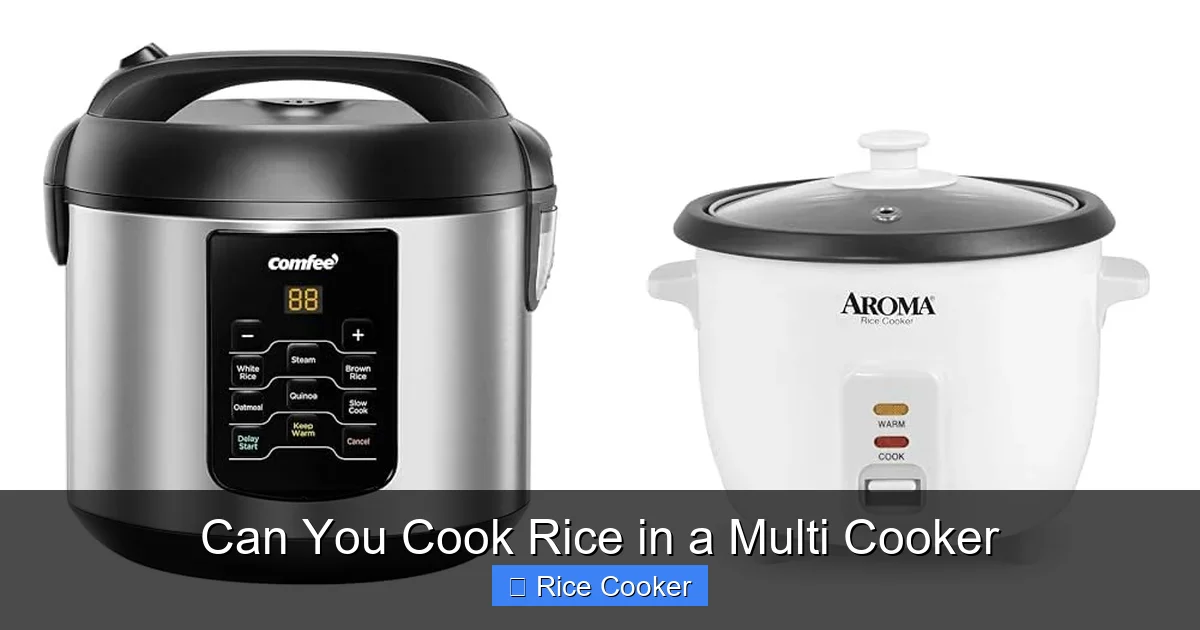
Not all rice is created equal, and not all rice performs the same way in a multi cooker. The type of rice you choose affects everything from texture to cooking time. Here’s a quick guide to help you pick the perfect grain:
White Rice (Short-Grain)
This is the classic rice for sushi, risotto, or creamy side dishes. Short-grain white rice has a starchy texture that becomes soft and slightly sticky when cooked—ideal for absorbing flavors. It’s also quick to cook and works well in pressure mode. Just remember to rinse it thoroughly to remove excess starch before cooking.
Jasmine Rice
Known for its fragrant aroma and slightly sticky texture, jasmine rice is a favorite in Southeast Asian cuisine. It holds up well in multi cookers, especially when soaked briefly before cooking. Jasmine rice tends to be a bit longer than short-grain, so adjust your water ratio slightly if needed.
Basmati Rice
Long-grain basmati is prized for its delicate flavor and separate, fluffy grains. It’s perfect for biryanis or pilafs. Because it doesn’t stick together as much as other types, it’s forgiving even if you’re new to multi cooker rice. Rinse well before cooking to prevent gumminess.
Brown Rice
Nutrient-rich and chewy, brown rice takes longer to cook than white varieties. In a multi cooker, use the “Brown Rice” or “Slow Cook” setting for best results. Since it contains bran, it absorbs more water and needs longer soaking time—about 20–30 minutes—to soften properly.
Wild Rice
A mix of several grass species, wild rice is nutty and chewy. It expands significantly during cooking, so don’t be alarmed if your pot looks half-full at first. Use the “Brown Rice” setting and allow natural pressure release to keep it intact.
Instant Rice
Quick-cooking instant rice is convenient but less flavorful. It’s best used when you need a backup plan or are short on time. Just follow package directions and avoid overcooking.
When selecting rice, always check the packaging for recommended cooking methods. Some brands are pre-treated for specific appliances, but most standard rices work beautifully in multi cookers with minor adjustments.
Perfect Water-to-Rice Ratios for Every Grain
Visual guide about Can You Cook Rice in a Multi Cooker
Image source: happymuncher.com
One of the trickiest parts of cooking rice—whether on the stove or in a multi cooker—is getting the water right. Too little, and your rice is dry and hard; too much, and it’s mushy. Fortunately, multi cookers simplify this process with preset programs, but knowing the ratios helps you troubleshoot if things go wrong.
Here’s a general guide:
- White Rice (short-grain): 1 cup rice to 1.25–1.5 cups water
- Jasmine Rice: 1 cup rice to 1.25–1.5 cups water
- Basmati Rice: 1 cup rice to 1.75–2 cups water
- Brown Rice: 1 cup rice to 1.75–2 cups water (with soaking)
- Wild Rice: 1 cup rice to 2.5–3 cups water
For most multi cookers, the default “Rice” setting uses around 1.5 cups of water per cup of rice. If you’re using the “Pressure Cook” function, reduce water slightly—about 0.25 cups less—since pressure builds moisture inside the pot.
Always measure rice and water precisely using dry measuring cups and liquid measuring cups. Rinsing rice beforehand removes surface starch, which prevents clumping and ensures even cooking. Simply place rice in a strainer and rinse under cold water until the water runs clear.
If you find your rice is consistently too firm, increase water by 0.25 cups next time. If it’s too wet, reduce water slightly and let the rice rest with the lid off for 5 minutes after cooking to absorb excess moisture.
Step-by-Step Guide: How to Cook Rice in a Multi Cooker
Now that you’ve got your rice selected and your ratios dialed in, let’s walk through the actual cooking process. Follow these steps for foolproof results every time:
Step 1: Prep Your Ingredients
Start by rinsing 1 cup of your chosen rice under cold running water in a fine-mesh strainer. Shake gently to remove excess water. Then transfer the rinsed rice to the multi cooker’s inner pot. Add the appropriate amount of water based on the grain type.
Step 2: Choose the Right Setting
Most multi cookers have a dedicated “Rice” button. Press it and select “White Rice” or “Brown Rice” depending on what you’re making. If your model doesn’t have a rice setting, use “Manual” or “Pressure Cook” at high pressure for 3–4 minutes (white rice) or 12–15 minutes (brown rice).
Step 3: Close and Lock the Lid
Ensure the sealing ring is properly placed and the lid is locked. Double-check that the pressure valve is set to “Sealing” (not Venting).
Step 4: Start Cooking
Press “Start” and wait. Total time will depend on the setting—usually between 10 and 25 minutes. Avoid opening the lid during cooking unless absolutely necessary.
Step 5: Natural Pressure Release (NPR)
Once cooking finishes, let the pressure release naturally for 10–15 minutes. This is crucial for preventing mushy rice. After NPR, carefully turn the valve to “Venting” to release any remaining steam, then open the lid.
Step 6: Fluff and Serve
Use a fork to gently fluff the rice, separating any clumps. Let it sit covered for 5 minutes to finish steaming. Now it’s ready to serve!
Pro tip: Add a pinch of salt or a pat of butter during the last minute of cooking for extra flavor and shine.
Common Mistakes and How to Fix Them
Even experienced cooks run into issues now and then. Here are some common pitfalls when cooking rice in a multi cooker—and how to fix them fast:
Mushy Rice
This usually happens when too much water is used or the pressure release is rushed. Solution: Reduce water by 0.25 cups next time and always use natural pressure release. Don’t stir the rice immediately after cooking—let it rest.
Undercooked or Gummy Rice
If your rice is still hard in the center, it may not have cooked long enough. Try increasing cooking time by 2–3 minutes next batch. Also, ensure you’re using fresh rice—old rice loses moisture and doesn’t cook evenly.
Rice Sticking to the Pot
Even with a non-stick pot, improper prep causes sticking. Always rinse rice and avoid overcrowding the pot. A thin layer of oil or butter on the bottom can also help prevent adhesion.
Watery or Soupy Rice
Too much water plus poor draining equals disaster. Drain leftover water after cooking and fluff gently. Future fix: Measure water more carefully and consider using a rice paddle instead of a spoon.
Burnt Bottom Layer
This occurs when the pot overheats or rice isn’t stirred occasionally. If your multi cooker has a “Keep Warm” function, avoid leaving rice on it too long. Also, ensure the inner pot is clean and level.
By paying attention to these details, you’ll dramatically improve your rice game—and impress anyone who tastes your homemade meals.
Beyond Basic Rice: Creative Uses for Your Multi Cooker
Once you’ve mastered plain white rice, there’s no limit to what you can make. Multi cookers are excellent for preparing a wide variety of grain-based dishes:
- Risotto: Use the “Sauté” function to toast Arborio rice, then add warm broth gradually in the multi cooker.
- Couscous: Steam couscous with broth and lemon zest for a light, flavorful side.
- Quinoa Pilaf: Sauté onions, add quinoa and water, then pressure cook for 8 minutes.
- Bread Pudding: Combine rice, milk, eggs, sugar, and spices, then slow-cook for a comforting dessert.
- Rice Porridge (Congee): Cook white rice with extra water or broth for hours until it reaches a creamy, soothing consistency.
You can even bake desserts like rice pudding or savory casseroles using the “Bake” or “Slow Cook” settings. The possibilities are endless once you see your multi cooker as more than just a rice maker.
Cleaning and Maintenance Tips
After cooking rice, cleanup should be a breeze—thanks to the non-stick interior of most multi cooker pots. Here’s how to keep yours in top shape:
- Wait Before Washing: Let the pot cool completely before washing. Hot surfaces can warp non-stick coatings.
- Hand Wash Recommended: Though some pots are dishwasher-safe, hand washing preserves longevity.
- Remove Residue Gently: Soak stuck-on rice in warm water for 10 minutes, then scrub with a soft sponge. Avoid metal utensils.
- Check Sealing Ring Regularly: Inspect for cracks or odors. Replace if damaged—otherwise, food can leak during cooking.
- Store Properly: Keep the lid off to prevent mold buildup in the sealing ring.
With proper care, your multi cooker will last years and continue producing perfect rice night after night.
Conclusion: Embrace the Versatility of Your Multi Cooker
So, can you cook rice in a multi cooker? Absolutely. And not only can you—you should. It’s faster, more reliable, and easier than traditional methods. Whether you’re making everyday white rice or experimenting with wild grains, your multi cooker delivers consistent, delicious results with minimal effort.
No more guessing games, no more burnt batches, no more wasted ingredients. Just perfect, fluffy rice—every single time. And the best part? You’re not limited to rice. From soups to sauces to entire meals, your multi cooker is a kitchen superhero waiting to be unleashed.
Next time you reach for that rice cooker box in the store, think twice. Your multi cooker already has this covered—and so much more. Give it a try, and you might just fall in love with your kitchen appliance all over again.
Frequently Asked Questions
Can I cook different types of rice in a multi cooker?
Yes, you can cook various types of rice including white, brown, jasmine, basmati, and wild rice. Each type may require slightly different water ratios and cooking times, but most multi cookers have preset settings to make it easy.
Do I need to soak rice before cooking it in a multi cooker?
Soaking is optional but recommended for certain grains like brown rice or short-grain varieties. Soaking helps them cook more evenly and results in fluffier texture. Aim for 20–30 minutes before cooking.
What if my rice comes out mushy?
Mushy rice usually results from too much water or rushing the pressure release. Try reducing water by 0.25 cups next time and always let the multi cooker do a natural pressure release for 10–15 minutes after cooking.
Can I cook rice without using the “Rice” setting?
Absolutely. Many people use the “Pressure Cook” or “Manual” settings for better control. Just follow the correct water-to-rice ratio and cooking time for your specific grain.
How do I prevent rice from sticking to the pot?
Rinse rice thoroughly before cooking and avoid overcrowding the pot. Adding a small amount of oil or butter to the water can also help prevent sticking.
Is it safe to leave rice sitting in the multi cooker after cooking?
Yes, but only if the “Keep Warm” function is used. Leaving rice on keep warm for extended periods can dry it out or encourage bacterial growth, so consume it within a few hours.