
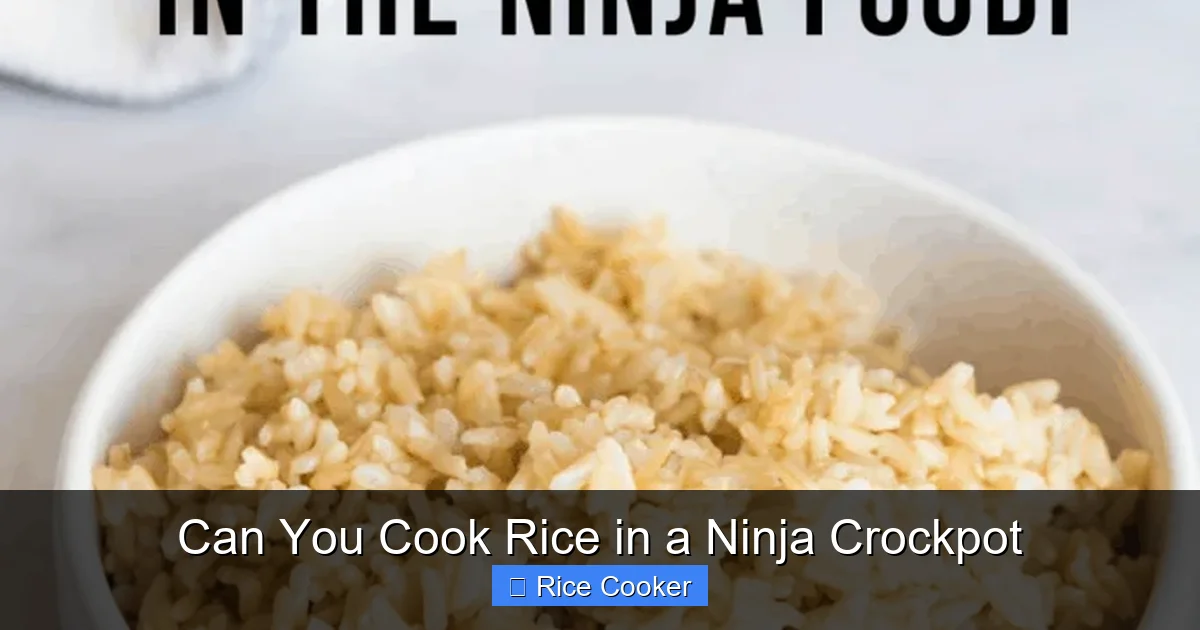
Yes, you can absolutely cook rice in a Ninja Crockpot! With the right water-to-rice ratio and settings, this versatile kitchen tool delivers consistent, fluffy results. Whether you’re making jasmine, brown, or sushi rice, your Ninja Multi Cooker can do it all—no dedicated rice cooker required.
Key Takeaways
- Ninja Crockpots are versatile: They function as slow cookers, pressure cookers, and more—including rice cooking—thanks to precise temperature control.
- Proper water ratio is essential: For every cup of uncooked rice, use 1.5 to 2 cups of water, depending on grain type.
- Use the “Steam” or “Slow Cook” setting: These modes mimic traditional rice cooking by maintaining steady heat without overcooking.
- Rinse rice beforehand: Removing excess starch prevents mushiness and improves texture.
- Let rice rest after cooking: A 5–10 minute pause allows steam to distribute evenly for fluffier grains.
- Clean-up is easy: Most Ninja models have removable ceramic inserts that go in the dishwasher.
- Experiment with flavors: Add broth, herbs, or coconut milk for creative rice variations.
📑 Table of Contents
- Can You Cook Rice in a Ninja Crockpot? Absolutely—Here’s How!
- The Science Behind Cooking Rice
- Which Ninja Models Work Best for Rice?
- Step-by-Step Guide: Cooking Rice in Your Ninja Crockpot
- Tips for Perfect Rice Every Time
- When Ninja Crockpot Isn’t Ideal (And What to Do Instead)
- Creative Ways to Use Your Ninja Crockpot Beyond Plain Rice
- Common Mistakes to Avoid
- Comparing Ninja Crockpot vs. Dedicated Rice Cooker
- Final Thoughts: Is It Worth It?
Can You Cook Rice in a Ninja Crockpot? Absolutely—Here’s How!
If you’ve ever stood over a pot of simmering rice on the stove, watching the water bubble away until your kitchen fills with that comforting aroma, you know how satisfying—and sometimes stressful—it can be. But what if there was a smarter, easier way? Enter the Ninja Crockpot: a multi-functional kitchen powerhouse that does everything from slow-simmering stews to pressure-cooking beans… and yes, even cooking rice.
You might be wondering: Can you really cook rice in a Ninja Crockpot? The short answer is yes. While traditional rice cookers are designed specifically for this task with their precise steaming cycles, modern Ninja models—especially the Ninja Foodi series—are engineered to handle rice with impressive accuracy. Their ability to maintain steady temperatures, control moisture levels, and switch between modes makes them surprisingly effective rice makers.
In this guide, we’ll walk you through exactly how to cook perfect rice using your Ninja Crockpot, why it works so well, and when it might not be the best option. Whether you’re a beginner cook or a seasoned home chef looking to simplify meal prep, you’ll find practical tips and tricks to make rice day a breeze.
The Science Behind Cooking Rice
Before diving into Ninja Crockpot techniques, it helps to understand why rice cooks the way it does. Rice is essentially a grain made up of starches that absorb water and swell when heated. As the water evaporates (or rather, transforms into steam), the starches gelatinize, turning the raw grain into fluffy, edible kernels.
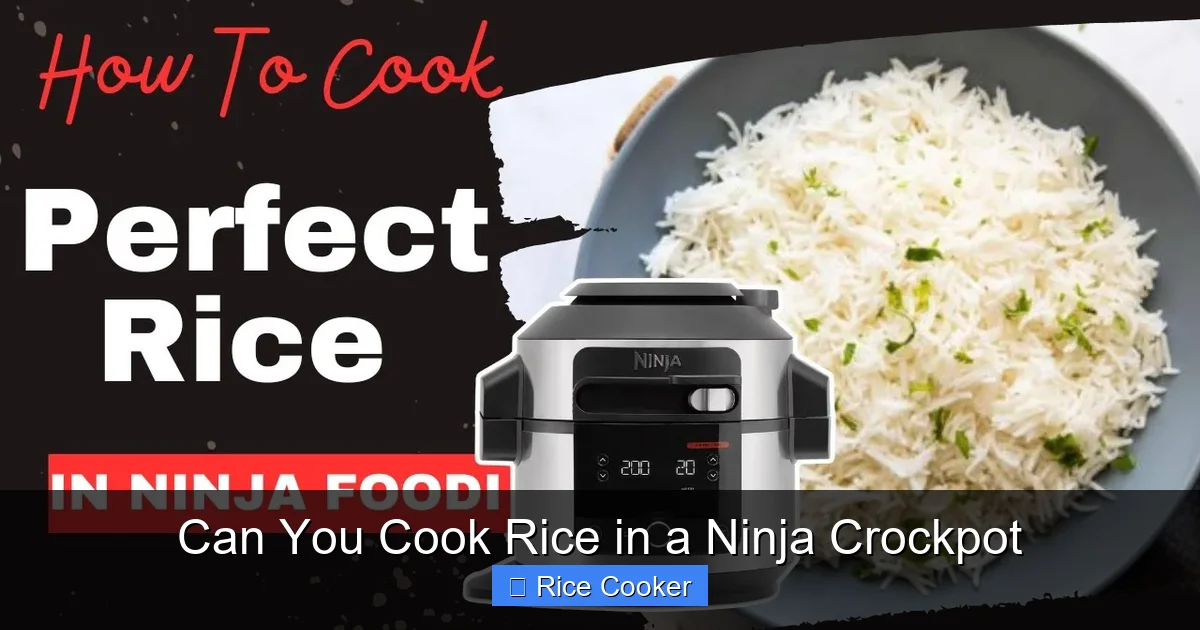
Visual guide about Can You Cook Rice in a Ninja Crockpot
Image source: i.ytimg.com
Starch Transformation Explained
There are two main types of starch in rice: amylose and amylopectin. Long-grain varieties like jasmine or basmati are high in amylose, which gives them that classic separate-grain texture. Short-grain or sticky rice, such as sushi rice, contains more amylopectin and tends to clump together when overcooked.
This is why timing and heat control matter so much. Too little heat, and the rice remains hard and undercooked. Too much or inconsistent heat, and it becomes mushy or burns at the bottom. That’s where a device like the Ninja Crockpot shines—its ability to maintain a steady, controlled environment mimics the gentle simmering process ideal for rice.
Which Ninja Models Work Best for Rice?
Not all Ninja Crockpots are created equal. Some models come with built-in rice functions, while others require manual mode selection. Here’s a quick breakdown of popular Ninja Foodi models and their rice-cooking capabilities:
Visual guide about Can You Cook Rice in a Ninja Crockpot
Image source: pastimebarandgrill.com
- Ninja Foodi 8-Quart Digital Air Fry Slow Cooker: Offers a dedicated “Rice” setting in some regions; otherwise, use “Slow Cook” with lid on.
- Ninja Foodi 6.5-Quart XL 7-in-1: Includes a “Steam” function ideal for rice; also supports manual slow cooking.
- Ninja Foodi 6-in-1 5-Quart: Lacks a preset rice button but excels in “Slow Cook” mode.
- Ninja Foodi MAX 8-in-1: Features both “Steam” and “Slow Cook” options—great flexibility.
Even if your model doesn’t have a rice-specific button, don’t worry! Most can still produce excellent results with minor adjustments. Just remember: the key is consistent heat and proper liquid ratios.
Step-by-Step Guide: Cooking Rice in Your Ninja Crockpot
Ready to try it yourself? Follow these simple steps to cook perfectly fluffy rice every time—no guesswork needed.
Gather Your Ingredients & Equipment
Start with these essentials:
- 1 cup uncooked white, brown, or wild rice (adjust amounts as needed)
- 1.5 to 2 cups water (or broth for extra flavor)
- Optional: salt, butter, or oil
- Fine-mesh strainer (for rinsing)
- Measuring cup
- Wooden spoon or spatula
Prepare the Rice Properly
Rinsing removes excess surface starch that can lead to gummy or clumpy rice. Here’s how:
- Place rice in a fine-mesh strainer.
- Rinse under cold running water for 30–60 seconds, gently stirring with your fingers.
- Drain completely—any leftover water will throw off your ratio.
Set Up Your Ninja Crockpot
Depending on your model, choose one of these approaches:
Option 1: Use the “Steam” Function (Best for White Rice)
- Add rinsed rice and water to the inner pot.
- Close the lid securely.
- Select “Steam” mode and set timer for 20–25 minutes.
- Once done, let it sit sealed for 5 minutes before opening.
Option 2: Use “Slow Cook” Mode (Great for Brown or Wild Rice)
- Add rice and water to the pot.
- Switch to “Slow Cook” (Low setting recommended).
- Cook for 45–60 minutes, then turn off and let rest covered for 10 minutes.
Fluff and Serve
After resting, gently fluff the rice with a fork. If it seems too dry, add a splash of hot water or broth. If too wet, return to “Steam” for 2–3 minutes with the lid slightly ajar.
Tips for Perfect Rice Every Time
Cooking rice may seem straightforward, but small details make a big difference. Try these pro tips to elevate your results:
Master the Water Ratio
White rice typically uses 1:1.5 (rice:water), while brown rice needs 1:2. Wild rice? Go with 1:3. Always measure carefully—your Ninja Crockpot won’t compensate for wrong ratios.
Don’t Skip the Rest
Just like after boiling pasta, letting rice sit helps redistribute moisture. This step alone can turn slightly underdone rice into something light and airy.
Add Flavor Subtly
Instead of plain water, try vegetable or chicken broth. A teaspoon of butter or a drizzle of olive oil adds richness. For sushi rice, mix in rice vinegar, sugar, and salt after cooking.
Avoid Opening the Lid Mid-Cook
Each time you lift the lid, steam escapes—that means lost heat and uneven cooking. Keep it closed until the cycle finishes.
Clean Immediately After Use
Grains stick best when warm and dry. Rinse the insert right after cooking to prevent residue buildup. Most Ninja pots are dishwasher-safe, but hand-washing preserves non-stick coatings longer.
When Ninja Crockpot Isn’t Ideal (And What to Do Instead)
While Ninja Crockpots are capable rice makers, they aren’t perfect for every scenario:
- Overnight rice batches: Not recommended—slow cooking for 6+ hours can over-dry or toughen grains.
- Sticky rice varieties (like glutinous): May benefit from specialized steaming baskets or bamboo mats to allow airflow.
- Large quantities (>4 cups): Even the largest Ninja models struggle with uniform heating at scale. Consider using a dedicated rice cooker for big meals.
In those cases, a traditional rice cooker with its automatic keep-warm feature or an electric steamer might be better suited. But for everyday servings, your Ninja Crockpot handles rice like a champ.
Creative Ways to Use Your Ninja Crockpot Beyond Plain Rice
Once you’ve mastered basic rice, unlock new possibilities:
Risotto-Style Creamy Bowls
Sauté Arborio rice in the Crockpot with garlic and onion first. Then add warm broth gradually over 20 minutes, stirring occasionally. Finish with Parmesan and thyme.
Fried Rice Leftovers
Toast leftover cooked rice in a bit of oil with soy sauce, peas, carrots, and scrambled eggs. Crispy on the outside, tender inside.
Jambalaya Base
Cook long-grain rice with smoked sausage, bell peppers, onions, and tomatoes. Simmer until rice absorbs all the juices—one-pot magic.
Sweet Rice Pudding
Combine rice, milk, cinnamon, sugar, and raisins in the Crockpot. Slow cook on low for 2 hours until thickened. Top with nuts or fruit.
These recipes show how versatile your Ninja Crockpot truly is—turning simple grains into gourmet dishes with minimal effort.
Common Mistakes to Avoid
Even experienced cooks stumble. Watch out for these pitfalls:
- Using cold water instead of room-temperature: Cold water slows absorption; warm liquid speeds things up slightly.
- Skipping rinsing for pre-washed brands: Even labeled “rinseless” rice benefits from a quick rinse.
- Opening the lid during cooking: Causes temperature drops and uneven texture.
- Using the wrong pot size: Overfilling leads to spills; underfilling wastes energy.
- Neglecting to level the rice: Packed rice cooks unevenly—spread it loosely in the pot.
Comparing Ninja Crockpot vs. Dedicated Rice Cooker
So why choose a Ninja Crockpot over a rice cooker? Let’s compare:
| Feature | Ninja Crockpot | Dedicated Rice Cooker |
|---|---|---|
| Primary Functions | Multiple (slow cook, steam, pressure, etc.) | Focused on rice (and sometimes porridge) |
| Ease of Use | Requires mode selection and timing | One-touch operation |
| Consistency | Very good with practice | Excellent out-of-the-box |
| Space Efficiency | One appliance replaces several | Dedicated counter space |
| Cost | Higher upfront, multi-use | Lower cost for single purpose |
Bottom line: If you want maximum kitchen versatility, the Ninja Crockpot wins. If you cook rice dozens of times a week and prioritize perfection, a rice cooker may be worth the trade-off.
Final Thoughts: Is It Worth It?
Cooking rice in a Ninja Crockpot isn’t just possible—it’s practical, efficient, and delicious. While dedicated rice cookers offer convenience, today’s Ninja models deliver reliable results that rival traditional methods. With the right technique, your daily bowl of rice becomes effortless.
So go ahead: ditch the pot on the stove. Fill your Ninja Crockpot, hit “Steam,” and let technology do the work. Your taste buds (and busy schedule) will thank you.
Frequently Asked Questions
Can you really cook rice in a Ninja Crockpot?
Yes! Most Ninja Foodi models—especially those with Steam or Slow Cook functions—can cook rice perfectly. Just follow the right water ratio and cooking time for best results.
What type of rice works best in a Ninja Crockpot?
All common types work: white (jasmine, basmati), brown, wild, and even sushi rice. Adjust water amounts based on grain variety—brown rice needs more liquid than white.
Do I need a special setting to cook rice in my Ninja Crockpot?
Some models have a built-in “Rice” button, but most don’t. In those cases, use “Steam” (for white rice) or “Slow Cook” (for brown/wild rice) instead.
How much water should I use per cup of rice?
For white rice: 1.5 cups water. For brown rice: 2 cups. For wild rice: 3 cups. Always rinse rice first and measure precisely.
Why is my rice mushy when cooked in a Ninja Crockpot?
Mushiness usually comes from too much water, overcooking, or opening the lid mid-cycle. Check your ratios, avoid lifting the lid, and ensure proper resting time.
Can I cook rice in a Ninja Crockpot overnight?
Not recommended. Extended slow cooking dries out rice. Stick to shorter cycles (20–60 minutes) and use the keep-warm feature only after cooking is complete.