
You absolutely can cook rice in a nonstick pan, but success depends on heat control, proper prep, and the type of rice you’re using. While it’s possible with medium to low heat and constant attention, a dedicated rice cooker often yields better, hands-off results. This guide walks you through everything you need to know to make fluffy, non-sticky rice in your favorite nonstick skillet.
Key Takeaways
- Nonstick pans are viable for short-grain and jasmine rice: These types release more starch and benefit from even cooking without scorching.
- Use low to medium heat and stir gently: High heat can damage the nonstick coating or cause uneven cooking.
- Proper water-to-rice ratio is crucial: Too much water leads to mushy rice; too little makes it dry. Stick to 1:1.5 or 1:2 depending on rice type.
- Pre-soaking rice improves texture: Soaking for 30 minutes to an hour helps grains cook evenly and stay separate.
- Cover and let steam undisturbed: Once boiling, reduce heat, cover, and let the rice rest for 10–15 minutes before fluffing.
- Clean your nonstick pan gently: Avoid metal utensils and abrasive scrubbers to preserve the coating.
- Consider a rice cooker for convenience: While a nonstick pan works, a rice cooker ensures consistent results with minimal effort.
📑 Table of Contents
- Can You Cook Rice in a Nonstick Pan? Yes—But Here’s How to Do It Right
- Why People Ask: Is a Nonstick Pan Safe for Cooking Rice?
- Choosing the Right Rice for Your Nonstick Pan
- The Perfect Water-to-Rice Ratio for Nonstick Pans
- Step-by-Step: How to Cook Rice in a Nonstick Pan
- Common Mistakes and How to Avoid Them
- When to Use a Rice Cooker Instead
- Cleaning and Maintaining Your Nonstick Pan
- Flavor Enhancements: Beyond Plain White Rice
- Final Thoughts: Is It Worth It?
Can You Cook Rice in a Nonstick Pan? Yes—But Here’s How to Do It Right
Ever stared into your cupboard, grabbed your favorite nonstick skillet, and wondered, “Can I actually cook rice in this thing?” The short answer? Absolutely. But before you start tossing uncooked rice into the pan like popcorn, let’s talk about what really matters—heat, water, timing, and a little bit of patience.
Cooking rice on the stovetop isn’t rocket science, but it does require attention, especially if you’re using a nonstick pan. Unlike a heavy-bottomed pot or a dedicated rice cooker, a nonstick skillet has limitations—mainly its smaller size and sensitivity to high heat. That said, with the right technique, you can achieve perfectly cooked, fluffy rice that holds together without sticking to the bottom or sides.
In this guide, we’ll walk through everything you need to know: from choosing the right rice to cleaning your pan afterward. Whether you’re in a pinch, don’t own a rice cooker, or just love experimenting in the kitchen, this method will help you master rice in a nonstick pan—every single time.
Why People Ask: Is a Nonstick Pan Safe for Cooking Rice?
Before diving into techniques, let’s address a common concern: Is it safe to cook rice in a nonstick pan? The short answer is yes, as long as you follow basic care guidelines. Nonstick coatings—usually made from Teflon or ceramic—are designed to prevent food from sticking, which is great for delicate foods like eggs or fish. But rice? It’s a bit different.
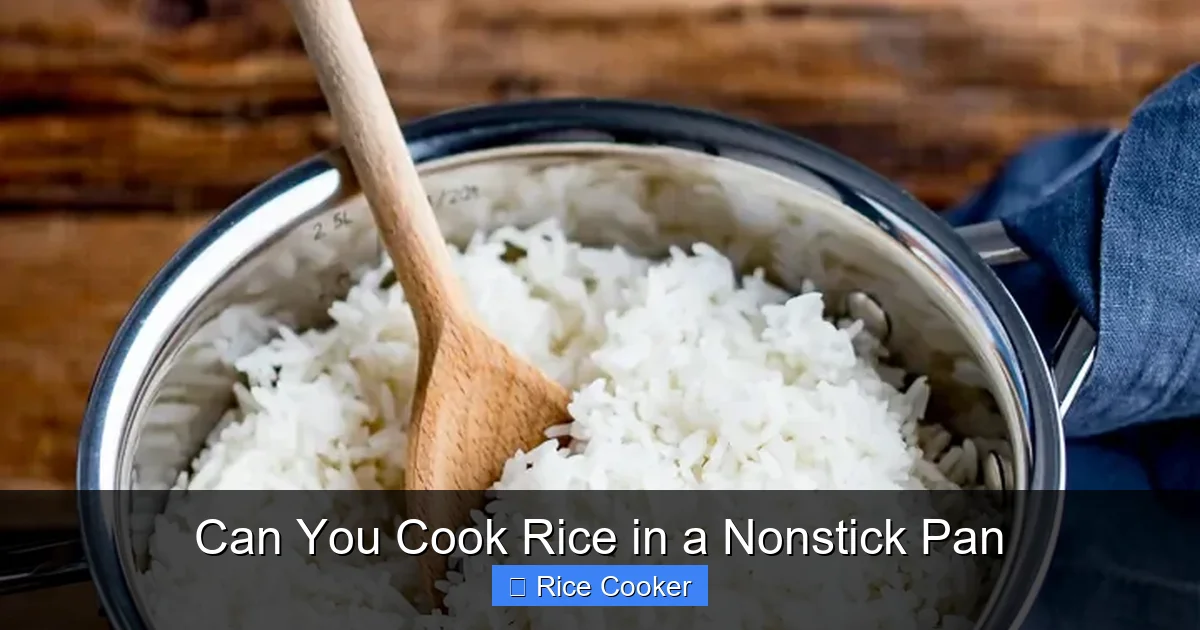
Visual guide about Can You Cook Rice in a Nonstick Pan
Image source: metrocookingdallas.com
Rice contains starches that can adhere to any surface if not monitored properly. If you crank up the heat or forget to stir, you risk burning rice at the bottom—even in a nonstick pan. And burned rice isn’t just unappetizing; it can also damage the coating over time, especially if it chars and sticks.
So, while it’s safe to cook rice in a nonstick pan, it’s not ideal for every situation. For example, if you’re cooking large batches or want foolproof results every time, a rice cooker might be a smarter investment. But for quick meals, side dishes, or when you’re out of your usual cookware, a nonstick skillet can definitely do the job—with the right approach.
Choosing the Right Rice for Your Nonstick Pan
Not all rice is created equal, and some work better in a nonstick pan than others. The key factor? Grain type and starch content.
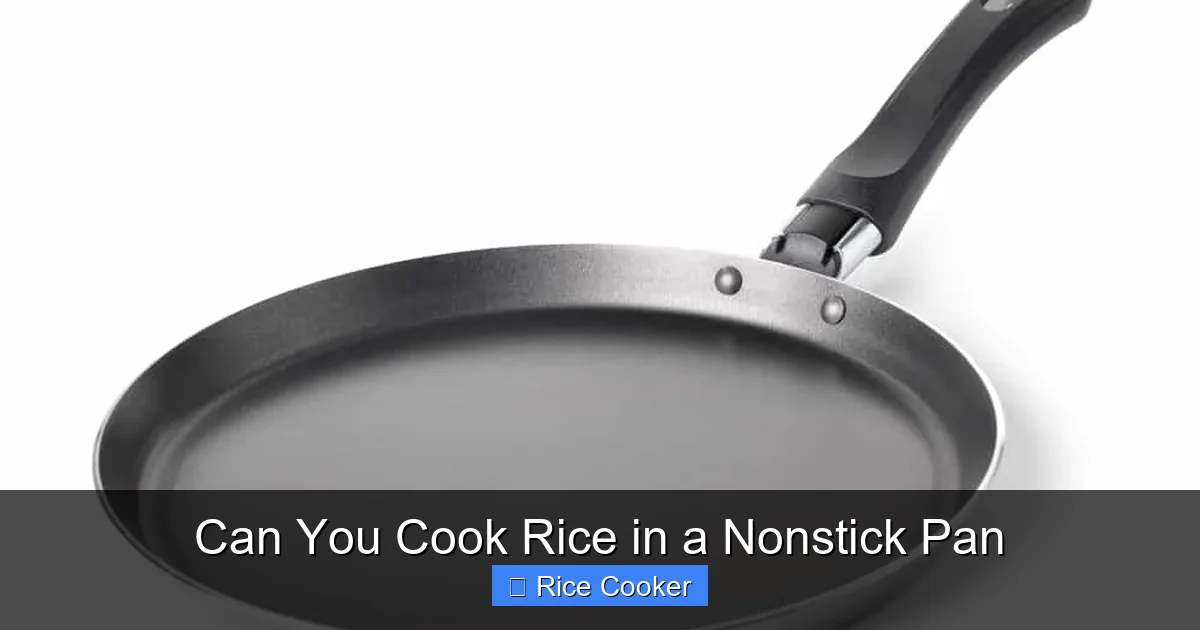
Visual guide about Can You Cook Rice in a Nonstick Pan
Image source: preparedcooks.com
Short-Grain and Jasmine Rice Work Best
Short-grain rice, like sushi rice or jasmine rice, has a higher starch content, which means it becomes sticky and creamy when cooked. This stickiness isn’t a problem in a nonstick pan—in fact, it helps the rice cling together without burning. Because these varieties release more starch during cooking, they benefit from even heat distribution and gentle handling.
Long-grain rice, such as basmati or American long grain, has less starch and tends to stay separate. While you can cook these in a nonstick pan, they require more careful monitoring to prevent clumping or drying out.
Avoid Starchy Varieties Like Glutinous Rice
Rice that’s meant to be sticky, like glutinous rice (also called mochi rice), can be tricky in a nonstick pan. Its ultra-high starch content makes it prone to forming a crust at the bottom if not stirred constantly. If you’re using a nonstick pan, consider using a traditional heavy pot instead.
Porridge Rice? Not Ideal
If you’re thinking of making rice porridge (like congee), skip the nonstick pan. Congee requires constant stirring and low, slow cooking—conditions that can warp the coating or leave residue that’s hard to clean. A wide, shallow pot is a much better choice here.
The Perfect Water-to-Rice Ratio for Nonstick Pans
One of the biggest mistakes people make when cooking rice on the stove is guessing the water amount. Too much? Your rice becomes soupy and mushy. Too little? It dries out and sticks to the bottom—even in a nonstick pan.
Here’s a simple rule of thumb:
- Short-grain rice (jasmine, sushi): 1 cup rice to 1.5 cups water
- Long-grain rice (basmati, long grain): 1 cup rice to 1.75–2 cups water
- Brown rice: 1 cup rice to 2–2.5 cups water (requires longer soaking and cooking)
For best results, rinse your rice first. Rinsing removes excess starch and prevents the rice from becoming overly gummy. Just place the rice in a fine-mesh strainer and rinse under cold water until the water runs clear.
Pro tip: Use a measuring cup specifically for rice. Standard cups vary in volume, so investing in a rice measuring cup ensures accuracy.
Step-by-Step: How to Cook Rice in a Nonstick Pan
Ready to try it? Follow this foolproof method for perfect rice every time—even in a nonstick skillet.
Step 1: Prep Your Rice
Start by rinsing 1 cup of rice under cold running water for about 30 seconds. Then, let it soak for 30 minutes to an hour. Soaking softens the grains and helps them cook evenly. After soaking, drain well—excess moisture can throw off the water ratio.
Step 2: Heat the Pan
Place your nonstick pan on the stove over medium heat. Add a splash of oil or butter (about 1 teaspoon) to prevent sticking. Let it heat up for 30 seconds—you should see a slight shimmer, but not smoke.
Step 3: Toast the Rice (Optional)
For extra flavor, toast the rinsed rice in the hot oil for 1–2 minutes, stirring frequently. This step is especially useful for basmati or long-grain rice and helps create a nutty aroma.
Step 4: Add Water and Bring to Boil
Add the measured water (using the correct ratio above) and stir once. Bring to a boil over medium-high heat. You’ll hear a rolling boil—this is normal. Once boiling, reduce heat to low immediately.
Step 5: Cover and Simmer
Cover the pan with a tight-fitting lid. Let the rice simmer undisturbed for 15–20 minutes, depending on the type. Don’t peek! Every time you lift the lid, steam escapes, and the rice can dry out.
Step 6: Rest and Fluff
After cooking, turn off the heat and let the rice sit, covered, for 10–15 minutes. This resting period allows the steam to finish cooking the rice and makes it easier to fluff without breaking the grains. Use a fork to gently separate the grains.
Step 7: Serve Immediately
Your rice should be tender, light, and slightly moist. If it’s too wet, spread it on a baking sheet and let it sit uncovered for 5 minutes to evaporate excess moisture. If it’s too dry, sprinkle a few drops of warm water and cover again for 5 minutes.
Common Mistakes and How to Avoid Them
Even experienced cooks run into issues when making rice on the stovetop. Here are the most common pitfalls—and how to fix them.
Mistake #1: Using High Heat
High heat causes the bottom layer of rice to scorch before the top is fully cooked. Always start with medium heat, then reduce to low after boiling. If your pan gets too hot, remove it from the burner for 30 seconds and stir the rice briefly.
Mistake #2: Not Covering the Pan
Steam is essential for cooking rice evenly. Leaving the lid off lets moisture escape, resulting in dry, uneven grains. Make sure your lid fits snugly.
Mistake #3: Peeking During Cooking
Every time you lift the lid, you lose steam. This disrupts the cooking process and can lead to uneven texture. Resist the urge to check—unless you’re checking for boil-over or scorching.
Mistake #4: Overfilling the Pan
Nonstick pans are small. Filling them beyond halfway can lead to splatters and uneven cooking. Stick to 1–2 cups of rice maximum.
Mistake #5: Using Metal Utensils
Metal scrapes and scratches nonstick coatings. Use silicone, wood, or bamboo utensils when stirring or fluffing. Even a metal fork can leave tiny marks over time.
When to Use a Rice Cooker Instead
While a nonstick pan can get the job done, there are times when a rice cooker is the better choice. Let’s compare the two.
Advantages of a Rice Cooker
- Consistent results: No guesswork with heat or timing.
- Hands-off cooking: Set it and forget it—perfect for busy days.
- Better for large batches: Most rice cookers hold 6+ cups, ideal for families.
- Built-in keep-warm function: Keeps rice warm for hours without drying it out.
- Multiple settings: Some models offer brown rice, congee, or steaming options.
When a Nonstick Pan Still Makes Sense
- You only have 1–2 cups of rice to cook.
- You’re in a rush and don’t want to wait for a rice cooker to heat up.
- You’re making a dish where timing matters—like stir-fry with rice already cooked.
- You’re testing a new recipe and want full control over the process.
Hybrid Approach: Use Both Wisely
Some chefs swear by using a nonstick pan for certain rice dishes—like fried rice or rice pudding—while relying on a rice cooker for everyday white rice. Experiment and find what works best for your kitchen.
Cleaning and Maintaining Your Nonstick Pan
After cooking rice, proper cleanup protects your nonstick surface and extends the life of your pan.
Let It Cool Completely
Never clean a hot nonstick pan with cold water. Sudden temperature changes can warp the aluminum core and damage the coating. Let it cool completely before washing.
Hand Wash Only
Dishwashers can degrade nonstick coatings over time. Always wash by hand with mild soap and a soft sponge or cloth.
Avoid Abrasives
No steel wool, scrub pads, or harsh scouring powders. Even small scratches can harbor bacteria and affect performance.
Store Properly
If your pan comes with a lid, store it with the lid on. This prevents dust buildup and keeps the surface intact. Avoid stacking heavy pots on top of it.
Flavor Enhancements: Beyond Plain White Rice
Plain rice is delicious, but a few tweaks can elevate your dish to restaurant quality. Try these ideas next time you cook in your nonstick pan.
Add Aromatics
Instead of plain water, use broth—chicken, vegetable, or even coconut milk for a tropical twist. Sauté garlic, ginger, or onions in the oil before adding rice for extra depth.
Infuse with Herbs or Spices
Toast whole spices like cumin or coriander seeds in the oil before adding rice. Or add a bay leaf or a strip of orange peel during cooking.
Toss in Veggies or Proteins
Once the rice is half-cooked, stir in frozen peas, diced carrots, or shredded chicken. The residual heat will finish cooking everything evenly.
Finish with Butter or Coconut Oil
Right before serving, drizzle a tablespoon of melted butter or coconut oil over the rice and fluff. This adds richness and shine.
Final Thoughts: Is It Worth It?
Cooking rice in a nonstick pan is totally doable—and sometimes necessary when you’re out of your usual cookware. With the right rice, proper ratios, and gentle heat, you can enjoy fluffy, flavorful rice without sticking to the pan or ruining the coating.
That said, if you cook rice often, a dedicated rice cooker is worth the investment. It takes the guesswork out of the equation and delivers consistent results every time. But if you’re just making a side dish or testing a new recipe, your nonstick skillet is a reliable ally.
Remember: patience is key. Let the rice simmer, don’t peek, and give it time to rest. With practice, you’ll develop a feel for the process—and soon, you’ll be making restaurant-quality rice on the stovetop, no rice cooker required.
Frequently Asked Questions
Can I cook rice in a nonstick pan without a lid?
It’s not recommended. Without a lid, steam escapes, leading to dry, unevenly cooked rice. Covering the pan traps moisture and ensures even cooking.
Will cooking rice damage my nonstick pan?
If done correctly, no. However, high heat, metal utensils, or prolonged exposure to burnt residue can wear down the coating over time.
How do I prevent rice from sticking in a nonstick pan?
Use low to medium heat, rinse the rice, and ensure proper water ratios. Stirring occasionally and covering the pan also helps prevent sticking.
Can I cook brown rice in a nonstick pan?
Yes, but it requires longer soaking (up to 2 hours) and more water. Brown rice needs gentler, longer cooking to become tender.
What type of rice works best in a nonstick pan?
Short-grain and jasmine rice work best due to their higher starch content, which helps them cook evenly without scorching.
How long should I soak rice before cooking?
Soak for 30 minutes to 1 hour. This softens the grains and promotes even cooking. Long-grain rice may not need soaking, but short-grain rice benefits greatly.