
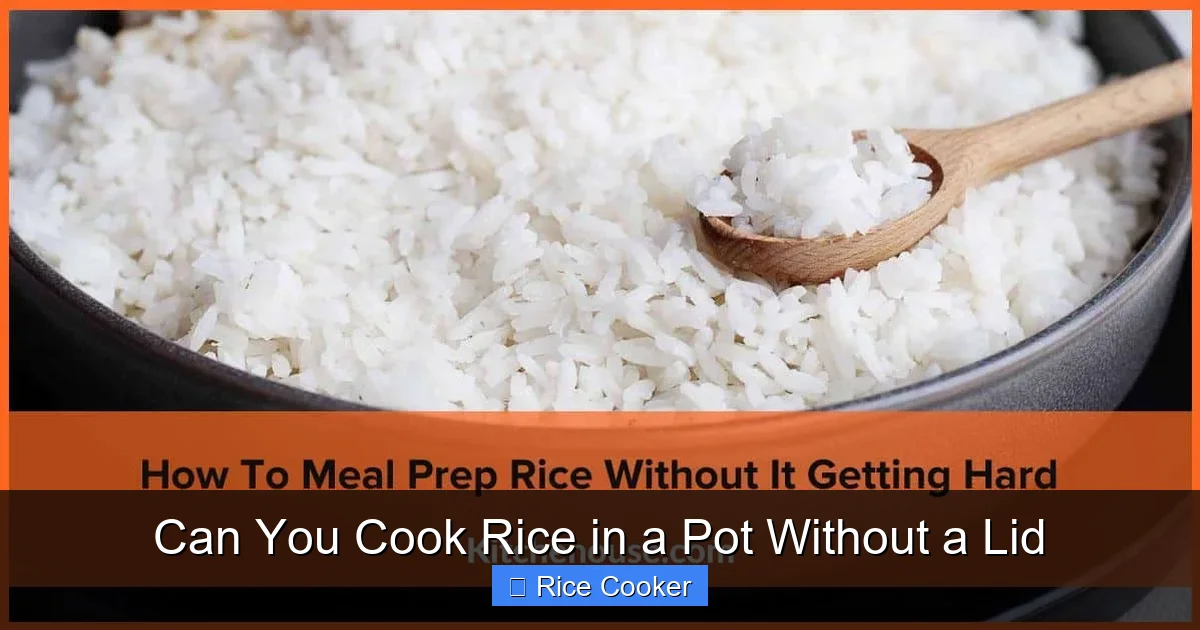
Can you cook rice in a pot without a lid? Absolutely—though it’s not ideal. Without a lid, steam escapes, requiring more liquid and constant attention. With the right technique, you can still make fluffy, delicious rice using just a pot and your stove.
Key Takeaways
- Yes, it’s possible: You can cook rice in a pot without a lid, but it takes more water and vigilance.
- More water is needed: Without condensation from a lid, up to 20% more water may be required to prevent dryness.
- Stirring helps: Frequent stirring prevents sticking and promotes even cooking.
- Heat control matters: Use medium-low heat and keep the pot uncovered to monitor moisture levels closely.
- Time increases: Cooking times are longer due to evaporation; expect 15–30% more time than covered methods.
- Rinse before cooking: Washing rice removes excess starch, reducing clumping even without a lid.
- Use a tight-fitting lid as backup: If available, cover briefly during the last few minutes to trap steam and finish cooking.
📑 Table of Contents
- Can You Cook Rice in a Pot Without a Lid? The Truth Behind Uncovered Cooking
- Why Do People Use Lids When Cooking Rice?
- Can You Cook Rice Without a Lid? Yes—But Here’s How
- Best Types of Rice to Cook Without a Lid
- Step-by-Step Guide: Cooking Rice in a Pot Without a Lid
- Common Mistakes When Cooking Rice Without a Lid
- Can You Use a Lid Substitute?
- Tips for Perfect Rice Every Time (Even Without a Lid)
- Conclusion: Yes, You Can Cook Rice Without a Lid—But Do It Right
Can You Cook Rice in a Pot Without a Lid? The Truth Behind Uncovered Cooking
You’ve probably seen it happen in kitchens across the world: someone starts cooking rice on the stovetop, grabs a pot, adds rice and water, stirs it once, and leaves it uncovered while they answer the door or scroll through their phone. When they return, the rice is either burnt at the bottom or bone-dry. Or worse—it’s mushy and overcooked. So the burning question remains: can you cook rice in a pot without a lid?
The short answer is yes—you absolutely can cook rice in a pot without a lid. But it’s not like using a rice cooker or covering the pot with a lid. The absence of that tight seal changes everything. Steam escapes. Water evaporates faster. And without careful monitoring, your once-promising batch of rice turns into a disaster. However, with the right technique, patience, and a few smart adjustments, you can still achieve perfectly cooked, fluffy rice—even without that trusty lid.
In this comprehensive guide, we’ll walk through everything you need to know about cooking rice in a pot without a lid. From understanding why lids matter, to practical tips for success, and even troubleshooting common mistakes, you’ll be equipped to handle any rice-cooking challenge—even when you forget the lid at home.
Why Do People Use Lids When Cooking Rice?
The Science of Steam and Condensation
When you cook rice in a covered pot, the lid traps steam inside. This creates a humid environment that allows the water to circulate around the grains, ensuring even absorption and preventing them from drying out. The trapped steam also helps cook the rice gently, mimicking the pressure and moisture found in a rice cooker.
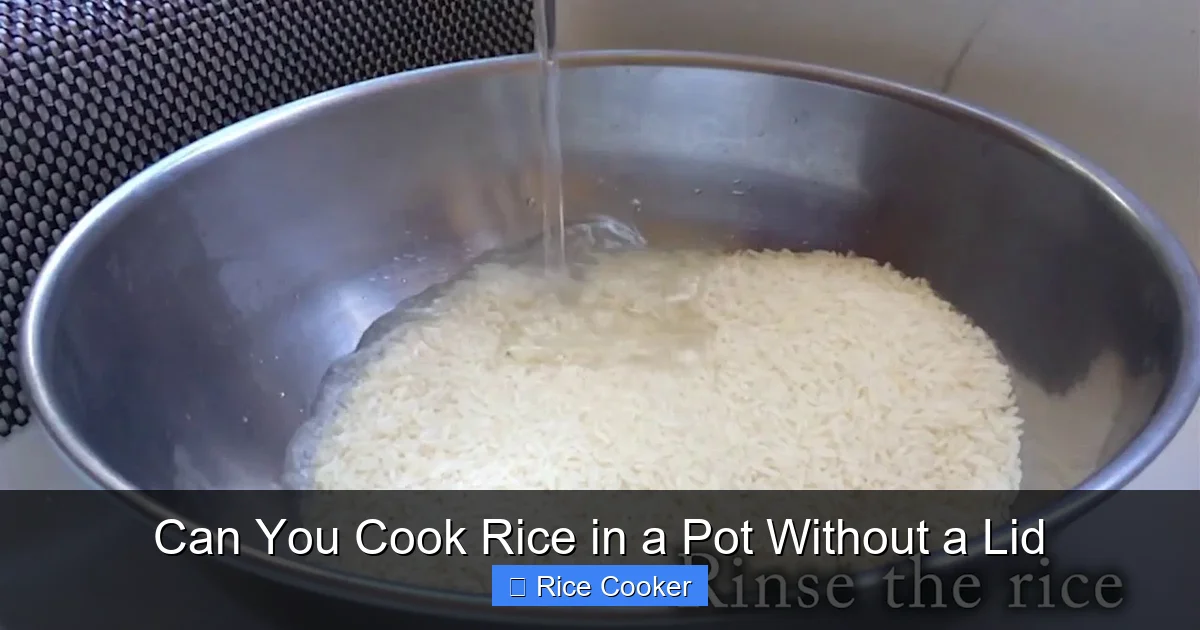
Visual guide about Can You Cook Rice in a Pot Without a Lid
Image source: i.ytimg.com
Without a lid, that steam escapes into the air. The water level drops faster because it’s evaporating instead of being recycled back into the rice. This means your rice can dry out or stick to the bottom of the pot if you’re not careful. That’s why many traditional rice recipes emphasize using a lid—especially for long-grain varieties like jasmine or basmati.
The Role of Heat Distribution
A covered pot also helps maintain consistent heat. The lid acts as an insulator, keeping the temperature stable. Without it, heat fluctuates more, especially on stovetops that aren’t perfectly calibrated. This inconsistency can lead to unevenly cooked rice—some grains soft, others hard.
Additionally, uncovered cooking exposes the rice to direct airflow from the burner. While this might seem like it would help dry things out, it often does the opposite: it causes rapid evaporation and scorching at the bottom.
Can You Cook Rice Without a Lid? Yes—But Here’s How
Despite the challenges, cooking rice in a pot without a lid is not only possible—it’s something many home cooks do daily, especially when they don’t have access to a rice cooker or lid. The key lies in adjusting your method to compensate for the lack of steam retention.
Visual guide about Can You Cook Rice in a Pot Without a Lid
Image source: metrocookingdallas.com
Increase Water by 10–20%
Since water evaporates faster without a lid, you’ll need more of it. For every cup of uncooked rice, use an additional ¼ to ½ cup of water. So instead of the standard 2 cups of water for 1 cup of rice, try using 2.25 to 2.5 cups.
This extra water compensates for what would otherwise escape as steam. It ensures the rice has enough moisture to absorb properly and avoids a dry, crunchy result.
Stir Frequently
Stirring is your best friend when cooking rice uncovered. Every 5–7 minutes, give the pot a gentle stir—especially around the edges and bottom. This prevents the rice from sticking and helps distribute heat evenly.
Be cautious not to mash the grains. Use a wooden spoon or silicone spatula and lift the rice rather than scraping the bottom. Over-stirring can break the delicate structure of the grains, leading to a gummy texture.
Use Medium-Low Heat
High heat causes the water to boil too quickly and violently, which leads to splattering and uneven cooking. Instead, set your burner to medium-low and let the water simmer gently.
A rolling boil will drive off moisture too fast. A gentle simmer allows the rice to absorb water steadily, even without a lid. Think of it like slow cooking—patience pays off.
Monitor Moisture Levels Closely
With no lid, you lose the ability to see the steam condensing back onto the rice. That means you have to watch the pot constantly. After bringing the water to a boil, reduce the heat and begin checking every few minutes.
If the surface looks dry and the rice is still firm, add a tablespoon or two of hot water. Cover briefly with a clean kitchen towel or aluminum foil if you want to trap some steam temporarily—this mimics the effect of a lid for just a minute or two.
Best Types of Rice to Cook Without a Lid
Not all rice is created equal when it comes to uncovered cooking. Some types are more forgiving than others.
Long-Grain White Rice (Jasmine, Basmati)
These varieties are ideal for uncovered cooking because they’re less sticky and absorb water well. Their elongated shape also reduces the risk of clumping. Jasmine rice, in particular, becomes fragrant and fluffy—even when cooked without a lid, as long as you stir occasionally.
Short-Grain Rice (Sushi Rice)
Sushi rice is more prone to sticking, so it’s trickier to cook uncovered. However, if you rinse it thoroughly and stir frequently, it can still turn out well. Just be extra careful about moisture levels.
Brown Rice
Brown rice takes longer to cook and retains more fiber, so it needs even more water. Without a lid, it’s easy to end up with undercooked, chewy kernels. Consider using 1¾ to 2 times the water compared to white rice, and stir every 8–10 minutes.
Instant or Parboiled Rice
These types are pre-treated and cook faster. They’re more tolerant of uncovered methods because they’re designed to absorb water quickly. Still, they benefit from gentle heat and occasional stirring.
Step-by-Step Guide: Cooking Rice in a Pot Without a Lid
Ready to try it yourself? Follow this simple process for foolproof results—even without a lid.
- Measure and Rinse: For 1 cup of rice, use 2.25 cups of water. Rinse the rice under cold water until the water runs clear. This removes excess starch and prevents gummy rice.
- Combine in Pot: Add rice and water to a heavy-bottomed pot. Stir once to mix.
- Bring to Boil: Place on high heat and bring to a rolling boil. Stir once to prevent sticking.
- Reduce Heat: Once boiling, lower the heat to medium-low. Let it simmer uncovered.
- Stir Every 5 Minutes: Gently stir the rice, especially near the bottom, to prevent scorching.
- Add Water if Needed: If the top layer dries out before the rice is tender, add 1–2 tablespoons of hot water.
- Check Doneness: After about 15–20 minutes (depending on rice type), most of the water should be absorbed. The rice should be tender but slightly firm.
- Rest Covered (Optional): Turn off the heat, cover with a clean towel or lid for 5 minutes to let residual steam finish cooking.
This method works for most long-grain rices. Adjust timing based on your specific variety and desired texture.
Common Mistakes When Cooking Rice Without a Lid
Using Too Little Water
This is the number one cause of failed rice. Without a lid, you lose moisture rapidly. If you stick to the standard 2:1 ratio, your rice will likely be dry and hard.
Skipping the Rinse
Rinsing removes excess starch, which causes rice to become gluey when overcooked. Even without a lid, rinsing helps ensure fluffy results.
Over-Stirring
While stirring is necessary, too much of it breaks the grains. Aim for gentle, intermittent stirring—not constant agitation.
Ignoring Heat Levels
High heat leads to scorching. Keep the flame low after boiling to maintain a steady, gentle simmer.
Not Monitoring
Leaving the pot unattended is a recipe for disaster. Rice cooks quickly, and without a lid, it can dry out in minutes.
Can You Use a Lid Substitute?
If you don’t have a lid, here are some creative alternatives:
- Aluminum Foil: Tear a piece slightly larger than the pot opening. Drape it over the pot and weigh it down with a spoon. This traps steam briefly when you need it.
- Clean Kitchen Towel: Fold a dry towel and place it over the pot. It won’t seal tightly, but it can catch some steam and prevent splatter.
- Another Pot (Upside Down): Place a smaller pot upside down over the rice pot. This creates a makeshift lid using gravity and contact.
Use these only for short periods—just long enough to let the rice finish steaming. Prolonged use defeats the purpose of cooking uncovered.
Tips for Perfect Rice Every Time (Even Without a Lid)
- Use a Heavy-Bottomed Pot: Prevents hot spots and scorching. Stainless steel or cast iron works well.
- Let Rice Rest After Cooking: Cover with a towel for 5 minutes. This allows steam to redistribute moisture.
- Fluff with a Fork: Don’t use a blender or food processor. A fork gently separates the grains.
- Store Leftovers Properly: Cool rice quickly and refrigerate in an airtight container. Reheat with a splash of water to revive texture.
Conclusion: Yes, You Can Cook Rice Without a Lid—But Do It Right
Cooking rice in a pot without a lid isn’t ideal, but it’s far from impossible. With the right adjustments—more water, frequent stirring, low heat, and close monitoring—you can produce fluffy, delicious rice using just your stovetop and a pot. The key is understanding how the lack of a lid affects the cooking process and compensating accordingly.
Whether you’ve lost your favorite lid, don’t own a rice cooker, or simply prefer stovetop cooking, this method gives you flexibility without sacrificing quality. Just remember: patience, attention, and a little extra liquid are your best tools.
So next time you realize your lid is missing, don’t panic. Grab a spoon, add a bit more water, and get ready to master the art of uncovered rice cooking. Your taste buds (and your family) will thank you.
Frequently Asked Questions
Can you cook rice in a pot without a lid at all?
Yes, you can cook rice in a pot without a lid, but it requires more water, frequent stirring, and careful monitoring. Without a lid, steam escapes, increasing evaporation and the risk of dry or burnt rice.
How much more water do I need when cooking rice without a lid?
You typically need 10–20% more water than the standard ratio. For example, use 2.25 to 2.5 cups of water for every 1 cup of uncooked rice, depending on the type and desired tenderness.
Does stirring rice without a lid improve the result?
Absolutely. Stirring prevents sticking, promotes even heat distribution, and helps the rice cook uniformly. Do it gently every 5–7 minutes to avoid breaking the grains.
Is it better to use a rice cooker or a pot without a lid?
A rice cooker is superior because it maintains consistent temperature and humidity automatically. However, a pot without a lid can work well with manual adjustments—especially for experienced cooks.
Can I cover the rice briefly while cooking without a lid?
Yes! If you have a lid or even aluminum foil, cover the pot for the last 3–5 minutes of cooking to trap steam and finish the rice gently. Remove it before the end to let excess water evaporate.
What happens if you leave rice uncovered for too long?
Without a lid, water evaporates quickly, leaving the rice dry, hard, or burnt at the bottom. It may also stick to the pot, making cleanup difficult and ruining the texture.