
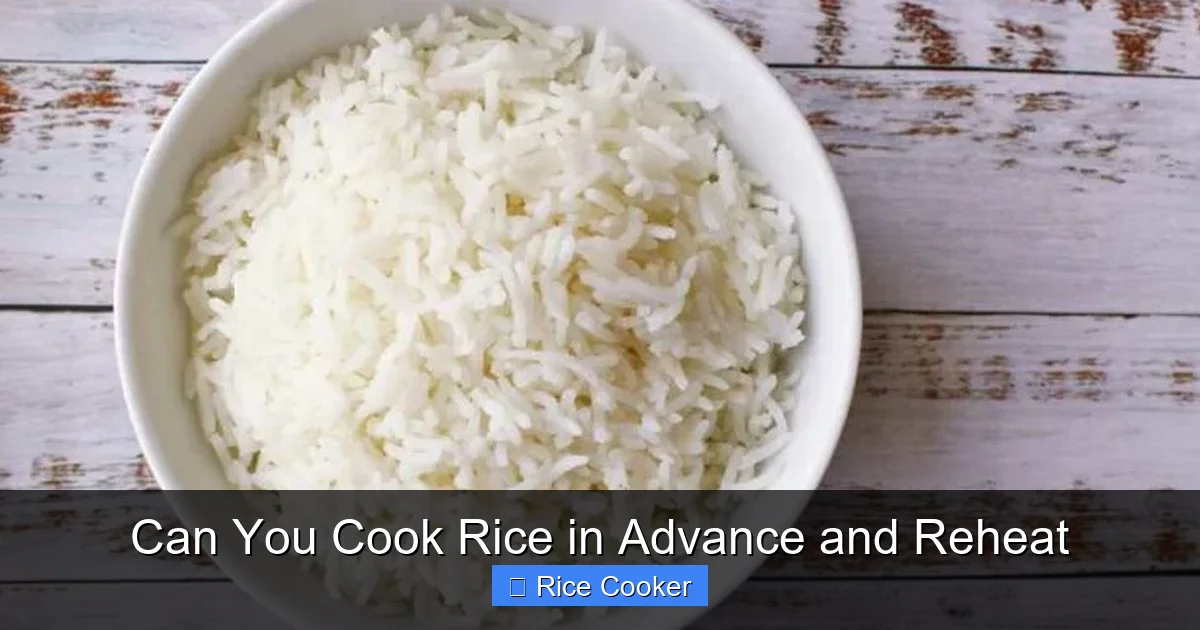
Can you cook rice in advance and reheat? Absolutely — with the right steps, leftover rice can be just as tasty as fresh. The key is proper cooling, safe storage, and gentle reheating techniques. Whether you’re meal prepping or saving leftovers, mastering this skill saves time and reduces waste. In this guide, we’ll walk you through everything you need to know about cooking rice ahead of time, storing it safely, and bringing it back to life when it’s time to eat.
Key Takeaways
- Yes, you can cook rice in advance and reheat it safely — just follow food safety guidelines to avoid risks like bacterial growth.
- Proper cooling and storage are essential — let rice cool quickly, then refrigerate within two hours to prevent spoilage.
- Reheat rice thoroughly and evenly — use a microwave with moisture or steam it on the stovetop for best results.
- Freezing extends shelf life up to 6 months — ideal for bulk prep, but thaw slowly and reheat properly.
- Texture matters — add liquid when reheating — dry out rice often results from not adding enough water during reheating.
- Rice types behave differently — jasmine, basmati, brown, and sushi rice each have unique textures and best practices for reheating.
- Meal prepping with rice saves time and money — cook a big batch once and enjoy meals throughout the week.
📑 Table of Contents
- Introduction: The Rice Revolution – Why Advance Cooking Matters
- Understanding Rice: Why It Behaves This Way
- Cooking Rice in Advance: Step-by-Step Guide
- Best Methods for Reheating Rice
- Food Safety: Protect Yourself and Your Family
- Different Types of Rice and How They Handle Storage
- Meal Prep Magic: Why Cooking Rice Ahead Saves Time
- Common Myths About Leftover Rice Debunked
- Expert Tips for Perfect Reheated Rice Every Time
- Conclusion: Master the Art of Advanced Rice Cooking
Introduction: The Rice Revolution – Why Advance Cooking Matters
Rice is one of the most versatile and widely consumed staple foods across the globe. From biryanis in India to risotto in Italy, stir-fries in China, and simple side dishes everywhere in between, rice plays a starring role in countless meals. But what happens when you cook too much? Or better yet, what if you want to prepare a large batch today and enjoy it over the next few days? Can you cook rice in advance and reheat? The short answer is yes — absolutely. But doing it right makes all the difference.
Many people assume that reheated rice is dry, mushy, or just plain bad. That fear is understandable — leftover rice can go wrong fast, especially if not handled properly. However, with the right techniques, you can enjoy perfectly cooked, fluffy rice even after it’s been stored and reheated multiple times. This isn’t just convenient; it’s practical. Imagine having perfectly cooked jasmine rice ready for fried rice, or fragrant basmati waiting for a curry. With meal prepping becoming more popular, learning how to cook rice in advance is a game-changer.
In this article, we’ll dive deep into the science and art of making, storing, and reviving rice. You’ll learn why certain methods work better than others, how different types of rice respond to storage and reheating, and practical tips to keep your rice tasting fresh no matter the method. Whether you’re using a rice cooker, stove, or even an Instant Pot, these insights apply universally. So grab a cup of tea, sit back, and let’s explore how to master the art of advanced rice cooking.
Understanding Rice: Why It Behaves This Way
Before we talk about cooking ahead, it’s important to understand the basics of rice itself. Rice is essentially a grain made up of starch molecules, primarily amylose and amylopectin. These starches absorb water during cooking, expand, and become soft. When rice cools, the starches recrystallize — a process called retrogradation — which causes the texture to firm up and sometimes feel slightly chewy or dry.
Visual guide about Can You Cook Rice in Advance and Reheat
Image source: trainingexpress.org.uk
The Science Behind Texture Changes
When rice is freshly cooked, the starch granules are fully swollen and gelatinized. But as it cools, the structure reforms, making the rice denser. This is why cold rice sticks together and hot rice flakes apart. Reheating helps reverse some of this process by rehydrating the grains and softening them again. However, repeated heating and cooling cycles can degrade quality over time.
Types of Rice and Their Unique Traits
Not all rice is created equal. Short-grain rice (like sushi rice) has high amylopectin content, making it sticky and ideal for rolls and desserts. Long-grain varieties like basmati and jasmine have more amylose, leading to fluffier, separate grains. Brown rice takes longer to cook and retains more fiber, but also dries out faster due to its bran layer.
Each type responds differently to storage and reheating. For example, sushi rice should never be microwaved without adding moisture, while basmati can handle a quick steam reheat better. Understanding these differences helps you choose the best method for your needs.
Cooking Rice in Advance: Step-by-Step Guide
So, can you cook rice in advance? Yes — and it’s easier than you think. The secret lies in controlling temperature, timing, and storage conditions. Follow these steps to ensure your rice stays safe and delicious.
Visual guide about Can You Cook Rice in Advance and Reheat
Image source: hungryhuy.com
Step 1: Cook Like You Normally Would
Start by cooking your rice using your preferred method — whether that’s a rice cooker, pot on the stove, or pressure cooker. Use the correct water-to-rice ratio: generally, 1 part rice to 1.5 to 2 parts water for white rice, slightly more for brown. Don’t overmix or stir aggressively after cooking — gentle folding preserves fluffiness.
Step 2: Cool Quickly and Evenly
This is crucial. Letting rice sit at room temperature for too long invites bacteria, especially Bacillus cereus, which can produce toxins that survive normal reheating. Spread the cooked rice in a thin layer on a baking sheet or shallow dish to cool it rapidly. Stir occasionally to speed things up. Aim to cool it to under 40°F (4°C) within two hours.
Step 3: Store Properly
Once cooled, transfer the rice to airtight containers. Leave a little headspace so expansion during freezing won’t cause leaks. Label containers with the date — cooked rice lasts 3 to 4 days in the fridge and up to 6 months in the freezer. Freezing is especially useful if you’re prepping for the week.
Step 4: Reheat with Care
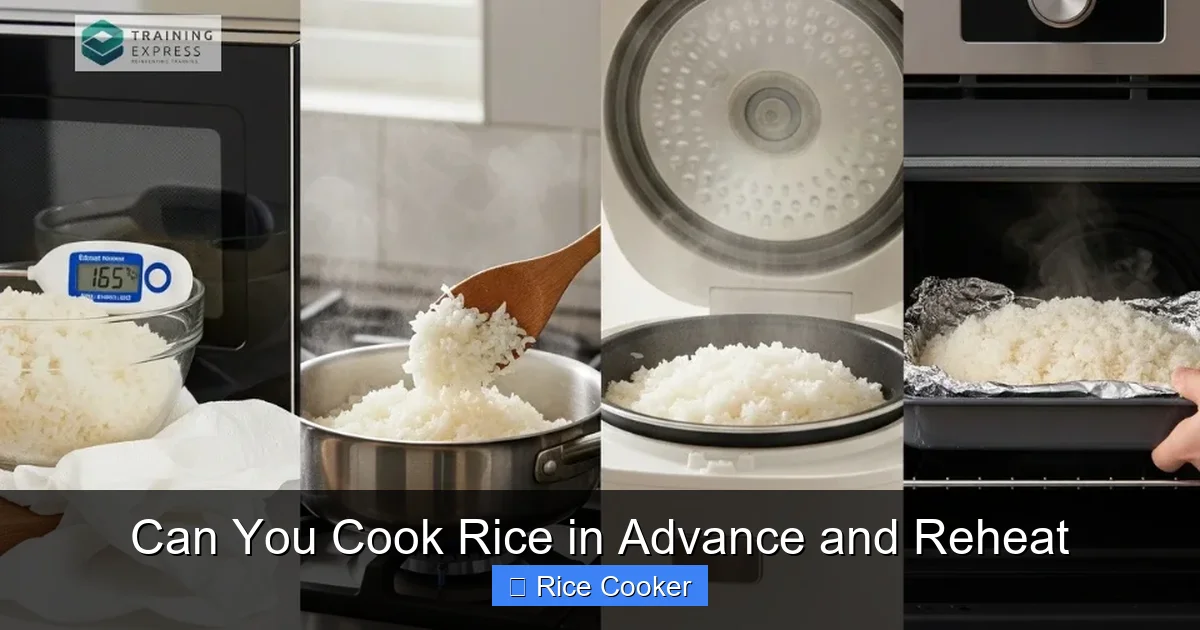
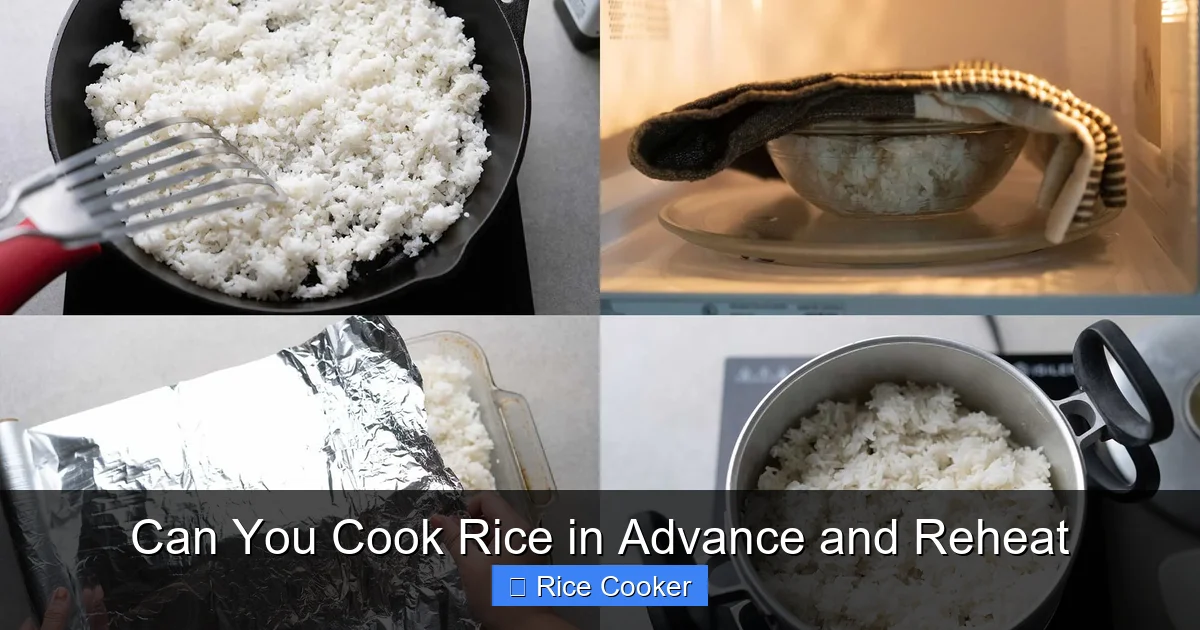
When it’s time to eat, don’t just throw frozen rice into the microwave. Thaw overnight in the fridge or use the defrost setting. Then, add a tablespoon of water per cup of rice and cover with a damp paper towel or lid. Microwave in 30-second bursts, stirring between each, until heated through. Alternatively, steam on the stove for even heat distribution.
Best Methods for Reheating Rice
Reheating is where many people fail. Dry, rubbery rice ruins an otherwise perfect meal. But with the right technique, you can bring even old rice back to life.
Microwave Method (Most Common)
The microwave is fast and convenient, but it requires attention. Place rice in a microwave-safe bowl, add a splash of water or broth, cover loosely, and heat in 30-second intervals. Stir well after each burst to redistribute heat and moisture. A damp paper towel on top helps trap steam and prevent drying.
Stovetop Steaming (Best for Fluffiness)
For restaurant-quality results, reheat rice on the stove. Bring a small amount of water or stock to a simmer in a saucepan. Add rice, cover tightly, and let it steam for 5 to 7 minutes. Keep an eye on it — overcooking leads to mushiness. This method works especially well for jasmine or sushi rice.
Oven Reheating (For Large Batches)
If you’ve frozen a big tray of rice, the oven can help. Preheat to 300°F (150°C). Spread rice on a baking sheet, sprinkle with water, cover with foil, and warm for 15 to 20 minutes. Flip halfway through for even heating. Great for casseroles or fried rice prep.
Avoid These Mistakes
- Don’t reheat rice in a sealed container — steam builds pressure and can explode.
- Never use the same plate without washing it — raw rice can contaminate surfaces.
- Avoid high-power microwave bursts — they create hot spots and dry patches.
Food Safety: Protect Yourself and Your Family
One of the biggest concerns with reheating rice is food safety. Unlike other leftovers, rice is particularly vulnerable to Bacillus cereus — a bacterium that grows in cooked grains when left at room temperature. While cooking kills the bacteria, their spores can survive and multiply in cool environments, producing heat-stable toxins that won’t be destroyed by reheating.
Safe Storage Timeline
- Refrigeration: Up to 4 days. Always check for off smells, sliminess, or unusual odors before eating.
- Freezing: Up to 6 months. Use freezer-safe containers and remove excess air to prevent freezer burn.
- Room Temperature: Never leave cooked rice out for more than 2 hours (or 1 hour if above 90°F/32°C).
Signs Your Rice Has Gone Bad
- Strong sour or foul odor
- Unusual sliminess or mold
- Discoloration (dark spots or gray film)
If any of these appear, discard the rice immediately. Better safe than sorry — rice poisoning symptoms include nausea, vomiting, and diarrhea, and can occur even with minimal exposure.
Different Types of Rice and How They Handle Storage
Not all rice behaves the same when stored and reheated. Here’s a breakdown of popular varieties and their quirks.
White Rice (Long-Grain)
Basmati and jasmine fall into this category. They’re fluffy, aromatic, and hold up well to refrigeration. Best reheated with added liquid and covered steaming. Avoid overcooking — they dry out fast.
Sushi Rice (Short-Grain)
High in starch, sushi rice sticks together when cold. Ideal for nigiri, but tricky to reheat without turning mushy. Add water generously and steam gently. Never microwave dry sushi rice — it will turn gluey.
Brown Rice
Denser and chewier, brown rice takes longer to cook and absorbs less moisture. It tends to dry out faster when stored. To revive, use extra liquid and consider adding a pat of butter or oil to restore richness.
Wild Rice
A mix of grains, wild rice is nutty and hearty. Best reheated with broth for flavor infusion. Its irregular shape means uneven heating — stir frequently.
Pilaf and Fried Rice Leftovers
If your rice includes veggies, meat, or seasonings, treat it as a mixed dish. Reheat thoroughly to ensure all components reach 165°F (74°C). These are great candidates for freezer storage — just portion into individual servings.
Meal Prep Magic: Why Cooking Rice Ahead Saves Time
Meal prepping isn’t just for smoothie bowls and salads — rice is a powerhouse base. Imagine waking up to perfectly cooked basmati for lunch, or having fluffy jasmine ready for a stir-fry dinner. By cooking a large batch on Sunday, you eliminate daily cooking time and reduce kitchen stress.
Batch-Cooking Tips
- Cook in multiples of 2 cups — it’s easier to portion and store.
- Use a rice cooker with timer settings to auto-start in the morning.
- Divide into single-serving containers for grab-and-go meals.
- Label with dates and contents (e.g., “Jasmine rice – Day 3”).
Creative Uses for Stored Rice
- Fried rice with eggs, peas, and soy sauce
- Rice bowls with grilled chicken, avocado, and tahini
- Risotto (yes, really — add hot broth slowly while stirring)
- Stuffed peppers or baked ziti bases
- Rice pudding (sweet version, reheated gently with milk and cinnamon)
With a little planning, your rice becomes a culinary Swiss Army knife — ready for sweet or savory, quick or elaborate meals.
Common Myths About Leftover Rice Debunked
Let’s clear up some misconceptions that stop people from enjoying their leftovers.
Myth 1: “All Rice Is Dangerous After One Day”
False. As long as rice is cooled and stored properly, it’s safe for 3–4 days in the fridge. Freezing extends this further. The danger comes from improper handling, not age alone.
Myth 2: “You Must Eat Rice Within 24 Hours”
Also false. Many cultures eat rice daily, even days later. The key is refrigeration or freezing. Just don’t leave it out overnight.
Myth 3: “Microwaving Destroys Nutrients”
Not really. While some vitamins degrade with heat, reheating doesn’t significantly reduce nutritional value compared to fresh cooking. Plus, you’re likely eating it sooner if it’s reheated, preserving more nutrients overall.
Myth 4: “Rice Can’t Be Frozen”
Completely untrue. Rice freezes beautifully. Just use airtight containers and label clearly. Thaw in the fridge overnight for best texture.
Myth 5: “You Should Rinse Rice Before Reheating”
No — that removes starch needed for texture. Only rinse if cooking from raw. Leftover rice is already clean and safe to eat.
Expert Tips for Perfect Reheated Rice Every Time
Want to impress yourself (and guests)? Try these pro-level tricks.
- Add a splash of broth or milk — it boosts moisture and flavor, especially for brown rice.
- Use a damp cloth instead of a lid — it prevents condensation from making rice soggy.
- Fluff with a fork before serving — even reheated rice benefits from gentle aeration.
- Toast rice lightly in a pan — dry heat helps restore crispness in fried rice applications.
- Store in glass containers — they’re non-reactive and easy to clean, plus look nice on the counter.
Small changes make a big difference. Experiment with these to find your favorite method.
Conclusion: Master the Art of Advanced Rice Cooking
So, can you cook rice in advance and reheat? The answer is a resounding yes — provided you follow food safety rules and use smart techniques. With proper cooling, storage, and reheating, your rice can remain delicious, nutritious, and convenient for days or even months. Whether you’re meal prepping for the week, reducing food waste, or simply saving time, mastering this skill empowers you to eat smarter, not harder.
Remember: the goal isn’t just to survive leftovers — it’s to thrive with them. From fragrant basmati to sticky sushi rice, every variety has a place in your kitchen. Use a rice cooker, freeze portions, steam gently, and always prioritize safety. Soon, you’ll wonder how you ever lived without knowing how to cook rice in advance and reheat like a pro.
Now go ahead — cook that big batch. Your future self will thank you.
Frequently Asked Questions
Is it safe to reheat rice multiple times?
Yes, but only if stored and reheated properly each time. Each cycle should involve thorough reheating to 165°F (74°C). Avoid leaving rice at room temperature between cycles.
Why does my reheated rice taste dry?
Dryness usually comes from insufficient liquid during reheating. Always add a splash of water, broth, or milk and cover to trap steam.
Can I reheat rice in the microwave without it getting soggy?
Yes — use a damp paper towel or cloth to cover the dish, not a tight seal. This allows steam to circulate without pooling.
How do I prevent rice from sticking together when stored?
Spread rice thinly while cooling, and store in airtight containers with parchment paper between layers if stacking.
Can I reheat frozen rice directly in the microwave?
It’s possible, but thawing in the fridge first gives better texture. If microwaving frozen, increase time and add more liquid.
Does the type of rice affect how well it reheats?
Absolutely. Short-grain rice (like sushi) sticks more; long-grain (like basmati) fluffs better. Adjust liquid and method accordingly.