
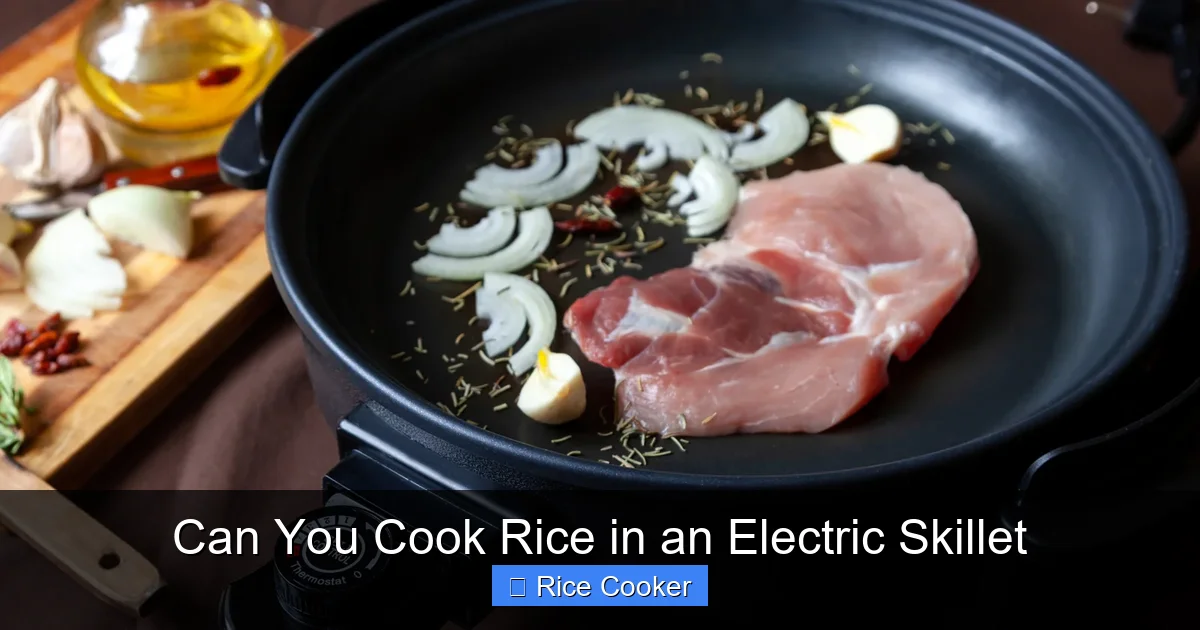
Absolutely! You can cook perfectly fluffy rice in an electric skillet—no rice cooker needed. With the right water ratio, heat control, and a bit of patience, your electric skillet becomes a versatile kitchen tool. This guide walks you through everything from prep to cleanup, so you’ll master the art of skillet-cooked rice with confidence.
Key Takeaways
- Yes, it’s possible: An electric skillet works well for cooking rice when used correctly, offering even heat and consistent results.
- Proper water ratio is key: Use about 1.5 cups of water per cup of rice to avoid mushy or undercooked grains.
- Heat control matters: Start high to bring water to a boil, then reduce to low to simmer gently and prevent scorching.
- A lid helps significantly: Covering the skillet traps steam, helping rice cook faster and more evenly.
- Flavor boosts are easy: Add oil, butter, salt, or broth to enhance taste and texture—just like with stovetop rice.
- Cleanup is simple: Most electric skillets have nonstick surfaces that make washing up a breeze.
- It’s great for small batches: Perfect for individuals or couples who don’t need large quantities regularly.
📑 Table of Contents
- Can You Cook Rice in an Electric Skillet?
- Understanding Your Electric Skillet
- Choosing the Right Rice for Your Electric Skillet
- Step-by-Step Guide: How to Cook Rice in an Electric Skillet
- Tips for Perfect Skillet Rice Every Time
- Common Mistakes and How to Fix Them
- Beyond Basic White Rice: Creative Uses for Your Electric Skillet
- Cleaning and Maintaining Your Electric Skillet After Cooking Rice
- Is an Electric Skillet Worth It for Cooking Rice?
Can You Cook Rice in an Electric Skillet?
If you’re standing in your kitchen wondering whether your electric skillet can handle something as simple yet essential as cooking rice, the short answer is: yes, absolutely! While many people associate rice cooking with dedicated rice cookers, electric skillets are surprisingly capable tools—especially if you know how to use them properly. Whether you’re meal prepping, feeding a small household, or just don’t own a rice cooker, your electric skillet can deliver fluffy, evenly cooked rice that rivals the best stovetop methods.
Electric skillets come in all shapes and sizes, but they share one core feature: a heating element at the bottom and often a glass or ceramic cooking surface. This setup provides consistent, even heat across the entire cooking area—something that makes them surprisingly effective for tasks beyond frying eggs or making pancakes. When it comes to rice, the key lies not just in the skillet itself, but in understanding how to mimic the gentle simmer and moisture retention that a rice cooker offers.
In this comprehensive guide, we’ll walk you through everything you need to know about cooking rice in an electric skillet—from choosing the right grain to mastering timing and texture. Whether you’re using jasmine, basmati, brown rice, or wild rice, you’ll learn practical tips, common mistakes to avoid, and pro-level tricks to elevate your skillet-cooked rice game.
Understanding Your Electric Skillet
Before diving into the rice-making process, let’s take a moment to understand what makes an electric skillet tick—and why it’s such a great candidate for cooking rice.
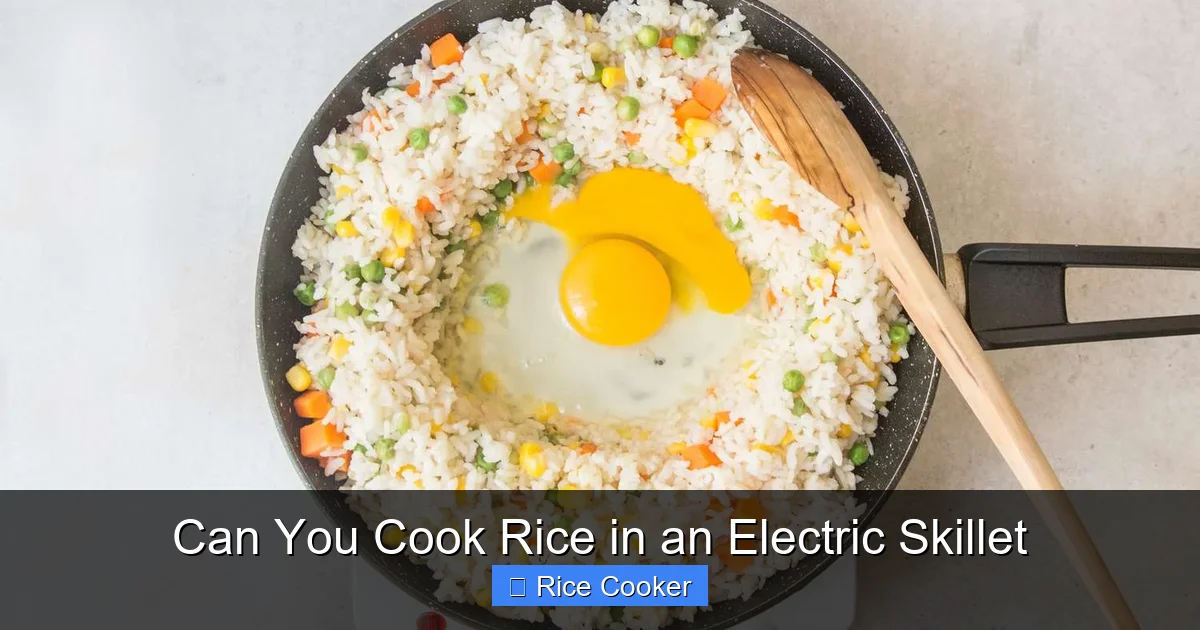
Visual guide about Can You Cook Rice in an Electric Skillet
Image source: recipes.net
The Science Behind Even Cooking
Unlike traditional stovetops that rely on open flames or gas burners (which can create hot spots), electric skillets use radiant heat from below. This means the bottom of the food is heated directly, promoting even conduction and reducing the risk of burning. For rice, which needs consistent moisture and temperature to gelatinize its starches properly, this uniformity is a big plus.
Most modern electric skillets also come with adjustable thermostats. This allows you to dial in the exact heat level needed for different recipes—crucial when cooking rice, where too much heat leads to boiling over, and too little results in gummy, undercooked grains.
Nonstick vs. Stainless Steel Surfaces
The type of cooking surface affects both performance and cleanup. Nonstick electric skillets are ideal for rice because they prevent grains from sticking, making flipping and stirring easier. However, if you’re cooking larger batches or prefer stainless steel for durability, just be extra careful not to scrape the surface.
Size Matters
Standard electric skillets typically range from 10 to 12 inches in diameter. A 10-inch skillet is perfect for cooking two cups of uncooked rice (about four servings), while larger models can handle bigger portions. Keep in mind that overfilling reduces circulation and increases the chance of uneven cooking.
Choosing the Right Rice for Your Electric Skillet
Not all rice is created equal—and some types work better in an electric skillet than others. Let’s break down the most popular varieties and their ideal uses.
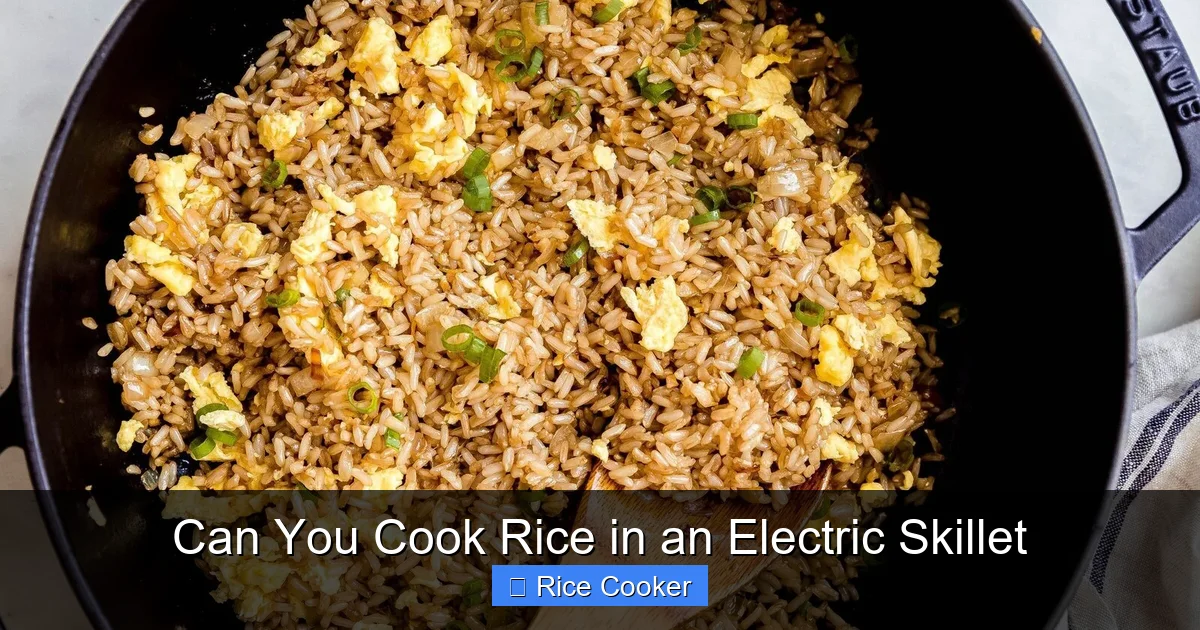
Visual guide about Can You Cook Rice in an Electric Skillet
Image source: storables.com
White Rice (Short & Medium Grain)
White rice, especially short- or medium-grain varieties, is the easiest to cook in an electric skillet due to its starch content. It absorbs water quickly and forms a tender, slightly sticky texture when cooked properly. Jasmine and sushi rice fall into this category and are excellent choices for beginners.
Basmati and Long-Grain White Rice
Basmati rice has a fragrant aroma and long, slender grains that stay separate after cooking. While it requires slightly more attention during the final stages, it still cooks well in an electric skillet when rinsed and drained beforehand.
Brown Rice
Brown rice takes longer to cook because the bran layer slows water absorption. But with patience and the right water ratio, you can achieve perfectly chewy, nutty-tasting grains. Brown rice needs about 1.75 to 2 cups of water per cup of rice.
Pregluten-Free and Instant Rice
Instant rice varieties (like Minute® brand) are pre-steamed and require only hot water—making them ideal for quick meals. They cook almost instantly in an electric skillet and are great for last-minute side dishes.
Wild and Brown Rice Blends
These blends combine different grains and often include wild rice, which adds a nutty flavor and firm bite. They may require longer soaking times and higher water ratios, but the result is worth it for variety in your meals.
Step-by-Step Guide: How to Cook Rice in an Electric Skillet
Ready to make your first batch? Follow these simple steps for foolproof, restaurant-quality rice every time.
Step 1: Measure and Rinse Your Rice
Start by measuring your rice accurately. For most white rice types, use a 1:1.5 ratio—one cup rice to 1.5 cups water. For brown rice, increase to 1:2. Rinse the rice under cold running water using a fine-mesh strainer until the water runs clear. This removes excess starch and prevents clumping.
Step 2: Add Oil or Butter (Optional but Recommended)
Drizzle 1 teaspoon of vegetable oil or a pat of butter into the skillet. This adds richness and helps prevent sticking. Swirl it around to coat the bottom evenly.
Step 3: Add Rice and Toast Lightly
Add the rinsed rice to the skillet and spread it out. Turn the heat to medium-high and let it toast for about 30 seconds to 1 minute. Stir occasionally to develop flavor and color. This step isn’t mandatory, but it enhances aroma and texture.
Step 4: Pour in Water and Bring to a Boil
Carefully pour in the measured water. If your skillet doesn’t have a lid, consider placing a tight-fitting lid or parchment paper over the top to trap steam. Turn the heat to high until the water reaches a rolling boil. You’ll hear bubbling—this is good!
Step 5: Reduce Heat and Simmer Covered
Once boiling, reduce the heat to low. If your skillet has a thermostat setting, choose “low” or around 180–200°F (82–93°C). Cover the skillet completely with its lid or a secondary lid. Let the rice simmer undisturbed for 15–20 minutes for white rice, or 35–40 minutes for brown rice.
Step 6: Rest and Fluff
After cooking, turn off the heat and let the rice rest for 5–10 minutes with the lid on. This allows residual steam to finish cooking the grains evenly. Then, remove the lid and fluff gently with a fork. Avoid stirring too vigorously—just lift and turn lightly.
Tips for Perfect Skillet Rice Every Time
Even experienced cooks make mistakes when adapting stovetop methods to electric skillets. Here are expert-backed tips to ensure success.
Use a Lid—Seriously!
Rice needs steam to cook through. Without a lid, much of the moisture escapes, leading to dry or partially cooked grains. If your skillet’s lid is loose, try wrapping the edges with foil to seal it better.
Don’t Open the Lid Too Often
Every time you lift the lid, you release steam and lower the internal temperature. Wait until the very end before checking. Use a timer—rice cooks fast!
Adjust Water Based on Altitude
At higher elevations, water boils at a lower temperature, so rice may need more time or slightly more water. Increase water by 2 tablespoons per cup and add 2–3 extra minutes of cooking time.
Season After Cooking
While you can add salt during cooking, many chefs prefer adding it after. Sprinkle salt over the finished rice and fold it in while fluffing. This gives you control over the final flavor.
Try Broth Instead of Water
For extra flavor, substitute half or all of the water with chicken, vegetable, or beef broth. This adds depth without extra effort.
Clean Immediately
Rice tends to stick and harden if left sitting. Clean your skillet right after use while the surface is still warm. Use a soft sponge and mild detergent—never abrasive scrubbers on nonstick coatings.
Common Mistakes and How to Fix Them
Even with the best intentions, things can go wrong. Here’s how to troubleshoot the most common issues.
Mushy or Gluey Rice
This usually happens from too much water or not enough heat reduction. Always measure water carefully and simmer on low after boiling. Also, don’t stir during the last 10 minutes.
Gritty or Undercooked Grains
If your rice feels sandy or chewy, it wasn’t cooked long enough or had insufficient water. Brown rice especially needs patience. Try increasing water by ¼ cup and adding 5 extra minutes next time.
Rice Sticking to the Bottom
This suggests either no oil/butter was added, or the heat was too high early on. Always start with a light coating of fat and avoid letting the rice sit without movement during toasting.
Bubbling Over
Too much heat or too much liquid causes overflow. Lower the heat immediately and remove the lid to vent excess steam. If it’s already splattered, wipe the interior before continuing.
Beyond Basic White Rice: Creative Uses for Your Electric Skillet
Cooking rice in an electric skillet opens up more than just plain white bowls. Get creative with these delicious ideas.
Fried Rice
Cook leftover rice (cold works best) in your skillet with oil, soy sauce, garlic, and veggies. Add scrambled eggs toward the end for a classic stir-fry base.
Risotto
Yes—you can make creamy risotto in an electric skillet! Toast Arborio rice, add warm broth gradually while stirring constantly. The skillet’s even heat mimics professional induction cooking.
Arroz con Pollo
Combine rice with chicken thighs, saffron, olives, and bell peppers. Simmer covered until chicken is tender and rice is fluffy—a Latin-American favorite.
Paella-Style Rice
Use a wide skillet to create layers of seafood, chorizo, peas, and paprika-infused rice. The flat surface helps achieve that signature crispy bottom (soffritto).
Sweet Rice Pudding
Simmer glutinous rice with milk, sugar, cinnamon, and raisins. Thickens beautifully in an electric skillet and makes a comforting dessert.
Cleaning and Maintaining Your Electric Skillet After Cooking Rice
Proper care extends the life of your skillet and ensures hygienic cooking next time.
- Wait Before Washing: Let the skillet cool completely before cleaning. Sudden temperature changes can warp plastic handles or damage nonstick coatings.
- Hand Wash Preferred: While some models are dishwasher-safe, hand washing preserves the nonstick surface longer.
- Use Gentle Tools: Opt for wooden spoons or silicone spatulas instead of metal utensils that scratch surfaces.
- Check the Heating Element: Occasionally wipe away any residue near the base to maintain efficiency.
- Store Properly: Place a paper towel between stacked skillets to prevent scratching.
Is an Electric Skillet Worth It for Cooking Rice?
If you already own one, definitely yes. There’s no extra cost involved, and it fills a useful niche when you need rice but lack a dedicated appliance. It’s particularly handy for dorm rooms, RVs, or small apartments where counter space is limited. Plus, it doubles as a portable grill for camping trips or tailgating—talk about multitasking!
However, if you cook rice daily in large quantities, a rice cooker might offer greater convenience with features like programmable timers and automatic keep-warm functions. But for occasional use, versatility, and simplicity, the humble electric skillet shines.
Frequently Asked Questions
Can I cook instant rice in an electric skillet?
Yes! Instant rice only needs hot water and a few minutes in the skillet. Just follow package instructions and adjust timing slightly—usually 2–3 minutes after boiling.
Do I need to soak brown rice before cooking?
Soaking isn’t required but helps reduce cooking time and improve texture. Soak for 20–30 minutes before rinsing and cooking as usual.
Can I use a regular pot instead of an electric skillet?
Absolutely. Many people cook rice on the stovetop using pots. The main difference is heat consistency—electric skillets tend to distribute heat more evenly.
What if my electric skillet doesn’t have a lid?
You can cover it with aluminum foil or parchment paper tightly sealed around the edges. Alternatively, transfer the rice to a covered casserole dish after adding water.
How do I store leftover rice cooked in an electric skillet?
Let it cool completely, then refrigerate in an airtight container for up to 4 days. Reheat with a splash of water to restore moisture.
Can I cook other grains like quinoa or barley in an electric skillet?
Yes! Adjust water ratios accordingly: quinoa uses 2 cups water per 1 cup grain; barley uses 3 cups. Follow similar steps as white rice.