
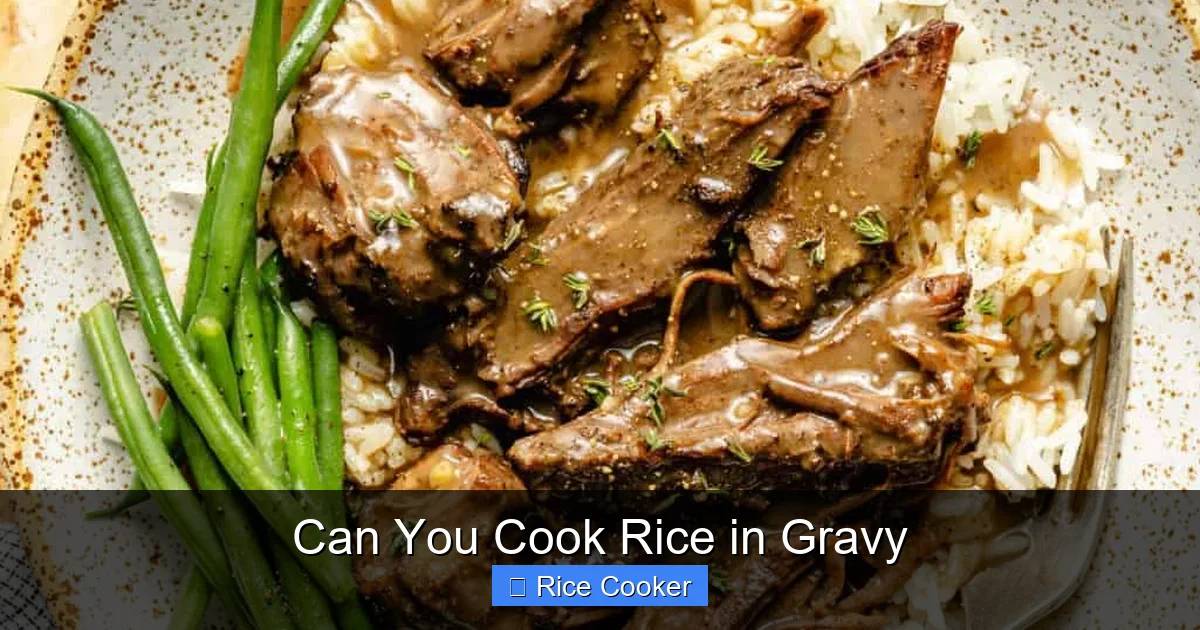
Yes, you can absolutely cook rice in gravy! This method infuses your grains with rich, savory flavors while reducing cleanup. It’s a game-changer for busy weeknights and one-pot meals. Whether you’re using leftover gravy or making a new sauce, this technique saves time and boosts taste.
Key Takeaways
- Flavor Infusion: Cooking rice directly in gravy allows the grains to absorb bold, savory flavors from the liquid, creating a more complex dish than plain boiled rice.
- Time-Saving: Using gravy as your cooking liquid eliminates the need for separate steps, making meal prep faster and more efficient.
- Versatility: This method works with chicken, beef, mushroom, or even vegetarian gravies, offering endless recipe possibilities.
- Texture Control: Adjust cooking time and liquid ratio to achieve fluffy, tender, or slightly firm rice depending on your preference.
- Rice Cooker Friendly: Many rice cookers can handle gravy-based cooking if the liquid isn’t too thick or oily, though caution is needed to avoid clogging.
- Clean-Up Bonus: One-pot cooking means fewer dishes, especially helpful when serving family meals or hosting dinner parties.
- Safety Tip: Always use low heat and stir occasionally to prevent sticking or scorching when cooking rice in thicker gravies.
📑 Table of Contents
- Can You Cook Rice in Gravy? The Surprising Truth (And Why It Works)
- The Science Behind Cooking Rice in Gravy
- Types of Gravies Perfect for Cooking Rice In
- Step-by-Step Guide: How to Cook Rice in Gravy
- Using a Rice Cooker for Gravy-Based Rice
- Creative Ways to Serve Gravy-Cooked Rice
- Troubleshooting Common Issues
- Nutritional Benefits of Cooking Rice in Gravy
- Environmental and Economic Perks
- Frequently Asked Questions About Cooking Rice in Gravy
- Final Thoughts: Embrace the Flavor Revolution
Can You Cook Rice in Gravy? The Surprising Truth (And Why It Works)
Have you ever looked at a pot of rich, savory gravy and thought, “I wish that rice could just soak up all this flavor?” Well, guess what? You don’t have to settle for plain white rice anymore. Yes, you can cook rice in gravy—and it turns out deliciously better than the usual method. This technique might sound unconventional at first, but once you try it, you’ll wonder why no one told you sooner.
Cooking rice in gravy isn’t just a clever trick; it’s a flavor revolution in the making. Instead of boiling water or broth separately, you use that tasty, seasoned liquid to do double duty. The result? A bowl of rice that’s not only tender and perfectly cooked but also packed with deep, meaty notes. Whether you’re making a creamy mushroom gravy, a hearty beef drippings sauce, or even a spicy chili-based stew, adding rice to the mix creates a complete, satisfying meal in one pan.
The Science Behind Cooking Rice in Gravy
So, how does this work? When you cook rice in any liquid, the grains absorb moisture and slowly swell, turning soft and fluffy. But when that liquid is a rich gravy instead of plain water, something magical happens. The rice soaks up not just water, but also proteins, fats, herbs, spices, and umami from the sauce. This process intensifies the overall flavor profile, making each bite more complex and satisfying.

Visual guide about Can You Cook Rice in Gravy
Image source: thecozycook.com
Why Gravy Beats Water or Broth
Water delivers hydration but no taste. Broth adds some flavor, but it’s often mild compared to a well-seasoned gravy. Gravy, on the other hand, is a concentrated blend of meat juices, roasted vegetables, stock, and seasonings. By cooking rice in gravy, you’re essentially letting the rice act like a sponge, absorbing every last drop of flavor. Think of it as flavor injection—without the needles.
Starch Absorption and Texture
Rice contains starch, which breaks down when heated and released into the liquid. In plain water, this starch contributes to a slightly sticky texture. But in gravy, which already has fat and protein, the starch behaves differently. It helps thicken the gravy slightly while keeping the rice tender and separate. The end result is a harmonious balance between creamy sauce and fluffy grains.
Types of Gravies Perfect for Cooking Rice In
Not all gravies are created equal when it comes to cooking rice. Some work beautifully; others may be too thick or unbalanced. Let’s explore the best options.
Beef Gravy
Made from browned beef drippings, flour, and simmered stock, beef gravy is rich, dark, and deeply flavorful. It’s ideal for cooking rice because it carries strong umami notes that penetrate even the smallest grain. Try making a batch of gravy risotto-style by adding Arborio rice directly to the simmering gravy. Stir frequently for a creamy consistency.
Mushroom Gravy
A favorite among vegetarians, mushroom gravy offers earthy depth thanks to sautéed mushrooms, garlic, and thyme. When used to cook rice, it transforms plain grains into an elegant side dish or even a main course when paired with tofu or tempeh. The key is to ensure the gravy isn’t too dry before adding rice—it should be pourable.
Chicken Gravy
Left over from a roast chicken dinner? Use that golden, herby liquid to cook jasmine or basmati rice. The subtle chicken flavor complements the rice beautifully without overpowering it. For extra richness, add a splash of cream or butter to the gravy before introducing the rice.
Vegetarian or Vegan Gravy
Yes, even plant-based gravies can cook rice! Made from vegetable stock, soy sauce, nutritional yeast, and spices, these gravies are surprisingly robust. They work especially well with short-grain rice like sushi rice or arborio, which hold their shape nicely.
Step-by-Step Guide: How to Cook Rice in Gravy
Ready to give it a try? Follow this simple process to turn ordinary gravy into a flavor-packed rice dish.
Ingredients You’ll Need
- 1 cup uncooked rice (any variety)
- 2–3 cups warm gravy (enough to cover rice by 1 inch)
- Optional: salt, pepper, herbs, or spices to taste
- Butter or oil (a teaspoon helps prevent sticking)
Equipment Tips
You don’t need fancy tools—just a heavy-bottomed pot with a tight-fitting lid. A Dutch oven works great. Avoid thin pans that can burn easily when cooking rice in gravy.
Cooking Steps
- Heat the Gravy: Warm your gravy over medium-low heat until it’s hot but not boiling.
- Add Rice: Stir in the rice gently. If the gravy seems too thick, add a splash of water or broth.
- Season Lightly: Add salt, pepper, or herbs if needed. Too much seasoning at this stage can overpower the dish later.
- Cook Covered: Bring to a gentle boil, then reduce heat to low. Cover tightly and simmer for 15–20 minutes (adjust based on rice type).
- Rest and Fluff: Turn off the heat and let the rice sit covered for 5 minutes. Then fluff with a fork.
Pro Tips for Success
- Don’t Rush: Low and slow is key. High heat can cause scorching, especially with fatty gravies.
- Check Consistency: If the gravy evaporates too much, add hot water 1 tablespoon at a time.
- Use Leftovers Wisely: Cold gravy works fine—just reheat it before adding rice.
Using a Rice Cooker for Gravy-Based Rice
If you own a rice cooker, you might be wondering if this method applies. The short answer: yes, but with caveats.
Which Rice Cookers Work Best?
Standard electric rice cookers can handle gravy-based cooking, especially models with “porridge” or “congee” settings. However, avoid ultra-thick or oil-heavy gravies, as they may clog the steam vent or stick to the heating plate.
How to Adapt the Method
- Pour warm gravy into the inner pot.
- Add rice and stir.
- Close the lid and select the “white rice” or “normal” setting.
- Let the machine do its thing—no stirring needed!
Limitations to Consider
Rice cookers aren’t designed for high-fat liquids. If your gravy separates or burns, it could damage the appliance. Also, the flavor infusion won’t be as intense as with stovetop cooking due to limited stirring.
Creative Ways to Serve Gravy-Cooked Rice
This method opens up a world of culinary creativity. Here are some inspired ideas to get you started.
One-Pot Comfort Bowls
Layer cooked rice in bowls, top with shredded chicken, crispy bacon, and a ladle of gravy. Microwave for 1 minute—instant comfort food!
Gravy Fried Rice
Sauté cooked gravy-rice with scrambled eggs, peas, carrots, and soy sauce. Perfect for brunch or leftovers.
Spicy Gravy Rice Bowl
Add diced jalapeños, cumin, and smoked paprika to your gravy before cooking rice. Top with avocado and lime for a Mexican twist.
Cheesy Gravy Rice Casserole
Mix cooked rice into warmed gravy, stir in shredded cheese, and bake until bubbly. Great for potlucks or family dinners.
Troubleshooting Common Issues
Even the best recipes hit snags sometimes. Here’s how to fix them.
Rice Sticking to the Pot
This usually happens with thick gravies or low heat. Solution: Add a bit more liquid, increase heat slightly, and stir occasionally.
Rice Still Hard in the Middle
Undercooked rice? Add ¼ cup of hot water, cover again, and cook 5 more minutes.
Gravy Too Thin After Cooking
Simmer uncovered to reduce. Or mix 1 tsp cornstarch with cold water and stir into the rice.
Too Much Sodium
Use low-sodium gravy or dilute with extra water. Balance with fresh herbs or lemon juice at the end.
Nutritional Benefits of Cooking Rice in Gravy
Beyond taste, this method has hidden health perks.
Increased Protein Intake
If your gravy is made from meat drippings or includes beans, you’re boosting the protein content of your rice—great for muscle repair and satiety.
Enhanced Iron and B-Vitamins
Animal-based gravies contain heme iron and B12, nutrients hard to get from plants alone. Pairing them with rice increases absorption.
Lower Glycemic Impact
Adding healthy fats (like from gravy) slows carbohydrate digestion, helping stabilize blood sugar levels.
Environmental and Economic Perks
Why not save money and reduce waste too?
Leftover Utilization
Turn last night’s turkey gravy into tonight’s rice. No food wasted!
Less Dishwashing
One pot = one clean-up. Ideal for busy households.
Energy Efficient
Using existing gravy avoids boiling extra water, saving energy.
Frequently Asked Questions About Cooking Rice in Gravy
Does the type of rice matter?
Absolutely! Short-grain rice like sushi or arborio absorbs liquid well and stays tender. Long-grain rice like basmati also works but may be less sticky. Experiment to find your favorite.
Can I use frozen gravy?
Yes, but thaw it completely and warm it before adding rice. Cold liquid can shock the grains and affect texture.
Will the rice taste like meat?
It will carry meat flavors, especially if the gravy is strong. But it won’t be overwhelmingly “meaty.” Balance with herbs or acid (like lemon juice) to brighten the dish.
How long does it take?
About 20–25 minutes on the stove, depending on rice type and gravy thickness. Rice cookers typically take 30–40 minutes.
Can I add vegetables?
Definitely! Diced carrots, peas, or celery can go in with the rice. Just add them a few minutes before the rice finishes cooking.
Is this gluten-free?
Only if your gravy is gluten-free. Check labels on store-bought gravy mixes. Homemade versions can easily be adapted.
Final Thoughts: Embrace the Flavor Revolution
Cooking rice in gravy isn’t just a shortcut—it’s a flavor upgrade. It transforms ordinary ingredients into something extraordinary, turning leftovers into gourmet meals and simple dinners into memorable feasts. Whether you’re using a Dutch oven, a rice cooker, or just a trusty saucepan, this method proves that innovation happens in the kitchen every day.
Next time you’re whipping up gravy, remember: that liquid isn’t just for pouring over meat. It’s your secret weapon for making rice that tastes like a five-star meal. So go ahead—ditch the plain water. Your taste buds (and your family) will thank you.
Frequently Asked Questions
Does the type of rice matter?
Absolutely! Short-grain rice like sushi or arborio absorbs liquid well and stays tender. Long-grain rice like basmati also works but may be less sticky. Experiment to find your favorite.
Can I use frozen gravy?
Yes, but thaw it completely and warm it before adding rice. Cold liquid can shock the grains and affect texture.
Will the rice taste like meat?
It will carry meat flavors, especially if the gravy is strong. But it won’t be overwhelmingly “meaty.” Balance with herbs or acid (like lemon juice) to brighten the dish.
How long does it take?
About 20–25 minutes on the stove, depending on rice type and gravy thickness. Rice cookers typically take 30–40 minutes.
Can I add vegetables?
Definitely! Diced carrots, peas, or celery can go in with the rice. Just add them a few minutes before the rice finishes cooking.
Is this gluten-free?
Only if your gravy is gluten-free. Check labels on store-bought gravy mixes. Homemade versions can easily be adapted.