
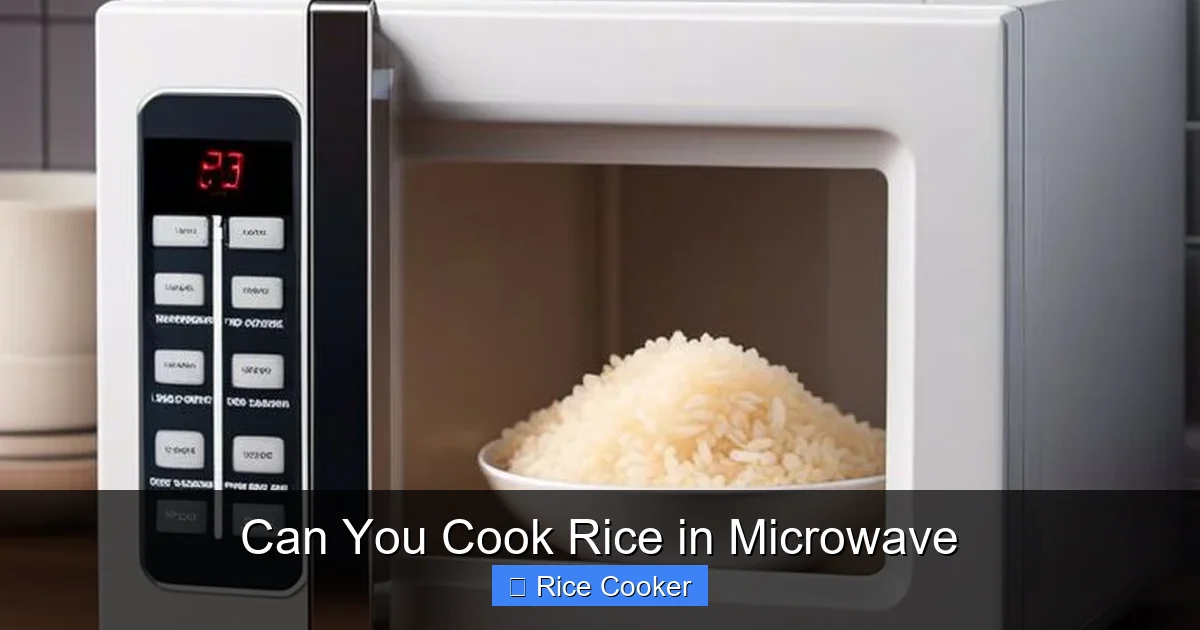
Yes, you can absolutely cook rice in the microwave—and it’s easier than you think! Whether you’re in a hurry or just don’t own a rice cooker, this method delivers fluffy, evenly cooked grains every time. With the right water ratio and timing, microwaved rice can be just as delicious as stove-top or rice cooker versions.
Key Takeaways
- Microwave rice is possible: You don’t need a rice cooker—just a microwave-safe bowl, water, and a little patience.
- Proper water ratio matters: For most white rice, use 1:1.5 (rice to water) for best results.
- Covered cooking prevents drying: Always cover your rice while microwaving to trap steam and ensure even cooking.
- Resting time improves texture: Let the rice sit for 5 minutes after cooking to absorb remaining moisture.
- Different rice types need adjustments: Brown rice, jasmine, basmati, and instant rice each have unique microwaving requirements.
- Cleanup is simple: Most microwave rice methods require minimal scrubbing—just rinse the bowl.
- Safety first: Use oven mitts when handling hot bowls and never overfill your container.
Key Takeaways
- Understanding can you cook rice in microwave: Provides essential knowledge
Quick Answers to Common Questions
Can you cook rice in a microwave safely?
Yes, as long as you use a microwave-safe container and cover the dish to retain steam. Always follow recommended water ratios and cooking times.
How long does it take to cook 1 cup of rice in the microwave?
Approximately 12–15 minutes for white long-grain rice, depending on your microwave’s wattage. Brown rice takes longer—about 20–25 minutes.
Do you need a rice cooker to make perfect rice?
No, you don’t. While rice cookers automate the process, you can achieve excellent results using only a microwave and basic kitchen tools.
What type of rice works best in the microwave?
Long-grain white rice is easiest and most reliable. Jasmine, basmati, and other varieties also work but may require slight adjustments in water or time.
Why is my microwave rice mushy?
Mushy rice usually results from too much water or overcooking. Reduce water by ¼ cup next time and avoid extending cooking time unnecessarily.
📑 Table of Contents
- Can You Cook Rice in Microwave? The Ultimate Guide
- The Basics: How Microwave Rice Works
- Choosing the Right Rice Type
- Step-by-Step: How to Cook Rice in Microwave
- Troubleshooting Common Issues
- Advanced Tips for Perfect Microwave Rice
- Health and Nutrition Considerations
- Environmental Impact and Efficiency
- Frequently Asked Questions
Can You Cook Rice in Microwave? The Ultimate Guide
If you’ve ever stared at your rice cooker thinking, “There has to be an easier way,” you’re not alone. Life gets busy, and sometimes you just want a hot meal fast—without extra gadgets or complicated steps. That’s where the humble microwave comes in. Yes, you read that right: you can cook rice in a microwave, and it doesn’t require any special equipment beyond what most kitchens already have.
Microwaving rice might sound too good (or too risky) to be true. After all, rice expands and needs consistent heat to cook properly. But with the right technique, timing, and attention to detail, you can achieve perfectly fluffy, tender grains using nothing but your microwave. In fact, many home cooks swear by this method for its speed, simplicity, and reliability—especially when preparing single servings or quick side dishes.
In this comprehensive guide, we’ll walk through everything you need to know about cooking rice in the microwave. From choosing the right type of rice to mastering water ratios and avoiding common mistakes, we’ve got you covered. Whether you’re a college student on a budget, a parent making dinner for one, or someone who simply forgot their rice cooker at home, this method will save your day—and your appetite.
The Basics: How Microwave Rice Works
At its core, cooking rice in the microwave relies on steam and controlled heating. When you combine dry rice with water in a microwave-safe dish and cover it tightly, the microwave generates heat that turns the water into steam. This steam circulates around the grains, softening them and helping them absorb moisture evenly. Over time, the starch inside the rice gelatinizes, transforming raw kernels into soft, edible grains.
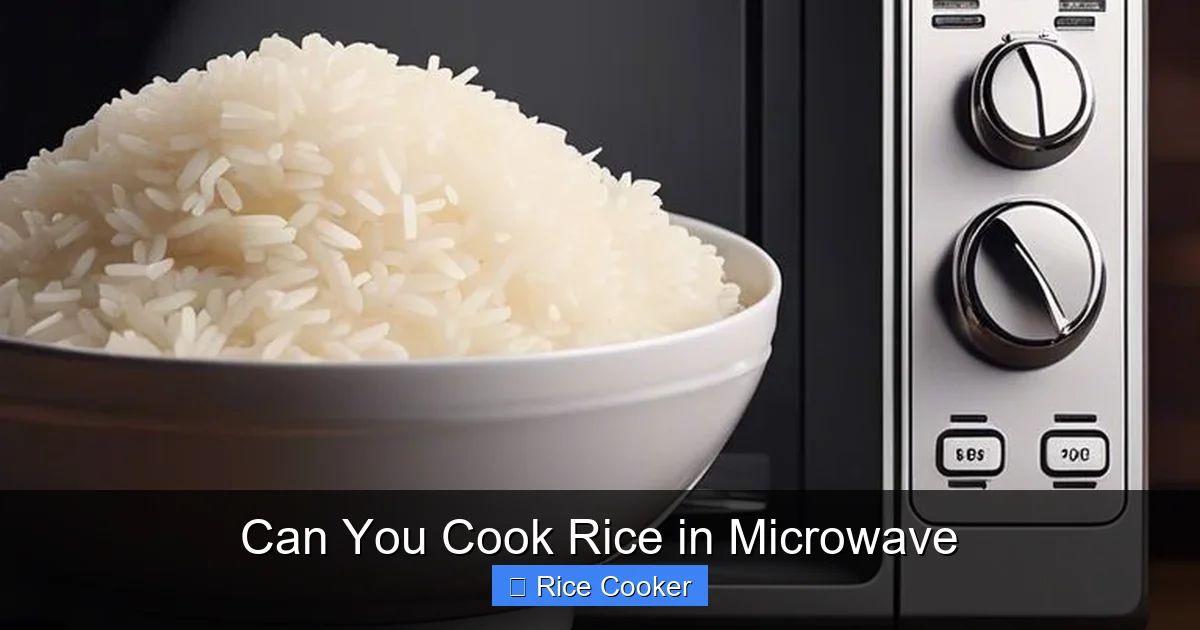
Visual guide about Can You Cook Rice in Microwave
Image source: meatcheftools.com
Unlike stovetop cooking, which uses direct flame and constant stirring, microwaving depends on power levels and resting periods. Because microwaves heat unevenly, it’s essential to stir occasionally and let the rice rest after cooking. But don’t worry—we’ll break down exactly how to do that below.
Why Choose Microwave Cooking?
Before diving into recipes, let’s talk about why this method is worth trying:
- Speed: No waiting for water to boil. Just add ingredients, pop it in, and wait.
- Energy efficiency: Microwaves use less electricity than stovetops for small batches.
- Minimal cleanup: One bowl means fewer pots to wash.
- Perfect for small portions: Great for solo meals or leftovers.
- No rice cooker needed: Ideal if you’re camping, traveling, or just don’t own one.
Of course, there are downsides too. Large batches may not cook evenly, and brown rice often requires longer times. But for everyday use, the benefits far outweigh the drawbacks.
Choosing the Right Rice Type
Not all rice behaves the same in the microwave. Different varieties absorb water differently, cook at varying speeds, and yield distinct textures. Understanding these differences helps you pick the best option for your needs.
Visual guide about Can You Cook Rice in Microwave
Image source: metrocookingdallas.com
White vs. Brown Rice
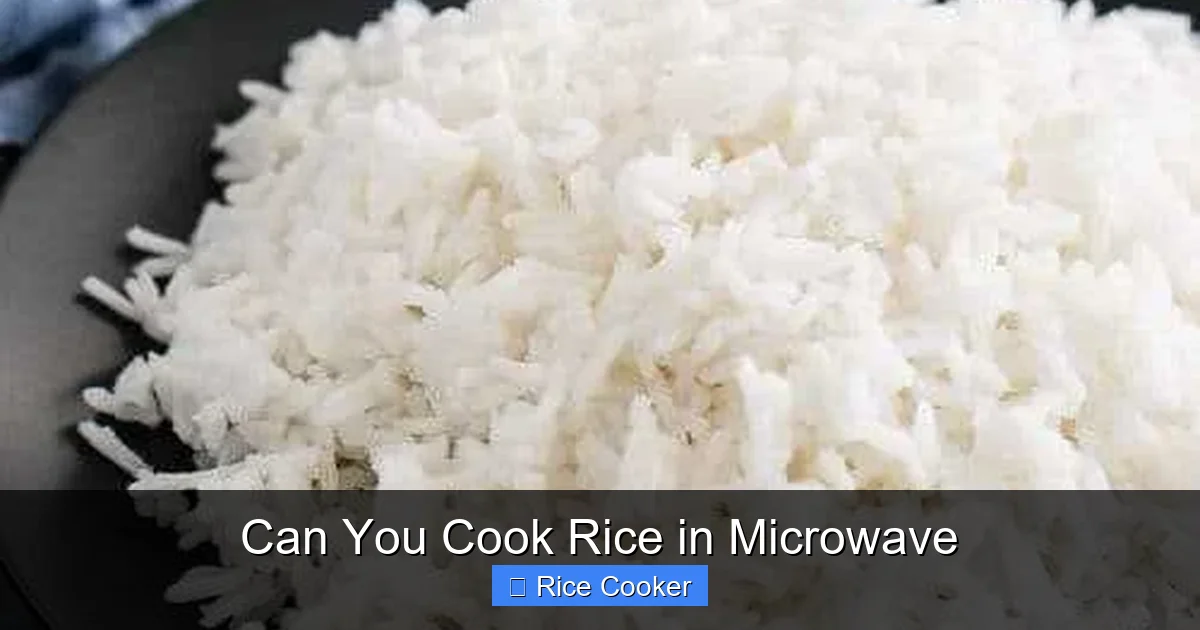
White rice (like long-grain, jasmine, or basmati) has had its bran and germ removed, making it cook faster and more predictably. It tends to stay fluffy and separates well when done correctly. Brown rice, on the other hand, retains its outer layer, giving it a nuttier flavor and chewier texture—but it also takes longer to soften because the bran slows down water absorption.
For white rice, a standard 1:1.5 ratio works well. For brown rice, try 1:2 (more water), since it needs extra time to become tender.
Instant and Quick-Cooking Rice
If you’re short on time, consider instant rice—it’s pre-cooked, dried, and ready to eat after adding boiling water or microwaving with a bit of salt. While not ideal for gourmet dishes, it’s perfect for emergency meals or kids’ lunches.
Specialty Varieties
- Basmati: Aromatic and light; best for pilafs or biryanis.
- Jasmine: Slightly sticky; great with Thai or Vietnamese dishes.
- Sushi rice: Short-grain and clingy; essential for rolls and nigiri.
- Arborio: Used for risotto—requires constant stirring, so microwave isn’t ideal.
For beginners, start with plain long-grain white rice. Once you master that, experiment with others!
Step-by-Step: How to Cook Rice in Microwave
Ready to give it a try? Follow these simple steps for foolproof results every time.
Gather Your Supplies
- 1 cup uncooked rice
- 1½ cups water (adjust based on rice type)
- Microwave-safe bowl (deep enough to prevent overflow)
- Tight-fitting lid or microwave-safe plastic wrap
- Fork or spoon for fluffing
Step 1: Rinse the Rice (Optional but Recommended)
Rinsing removes excess starch, which can make rice gummy. Place rice in a fine-mesh strainer and rinse under cold water until it runs clear. This step is especially helpful for sushi or sticky rice.
Step 2: Combine Rice and Water
Add rinsed rice and water to your bowl. Stir once gently, then cover immediately.
Step 3: Microwave on High
Microwave on high power. Cooking times vary:
- White long-grain: 12–15 minutes
- Brown rice: 20–25 minutes
- Jasmine: 14–16 minutes
- Basmati: 13–15 minutes
Check after the initial time—some microwaves are stronger than others. If the rice still feels hard in the center, continue in 2-minute intervals.
Step 4: Let It Rest
Once done, remove the bowl carefully (use oven mitts!). Keep it covered and let it sit for 5 minutes. This allows residual steam to finish cooking the rice and improves texture.
Step 5: Fluff and Serve
Use a fork to gently fluff the rice, separating any clumps. Add salt, butter, or herbs if desired. Enjoy!
Troubleshooting Common Issues
Even experienced cooks run into hiccups now and then. Here’s how to fix the most frequent problems.
Overcooked or Mushy Rice
This usually happens when too much water is used or cooking time is extended. To salvage it, spread the rice out on a plate and microwave in 30-second bursts with the lid off to evaporate excess moisture.
Undercooked or Hard Grains
If some kernels remain chewy, add 1 tablespoon of water, cover again, and microwave for another 2–3 minutes. Check frequently to avoid overdoing it.
Uneven Texture
Stir the rice halfway through cooking (after 6 minutes for white rice). This redistributes heat and ensures even softening.
Overflow During Cooking
Always use a deep bowl and leave room at the top. Adding a splash of oil or a pinch of salt can reduce foaming.
Smoky or Burnt Smell
This suggests the bowl is too small or the rice is sticking. Next time, increase water slightly or switch to a larger container.
Advanced Tips for Perfect Microwave Rice
Want to level up your game? Try these pro tricks.
Use a Paper Towel Instead of Plastic Wrap
Plastic wrap can melt or release fumes at high temperatures. Line the inside of the lid with a damp paper towel—it creates steam without risk.
Add Flavor Before Cooking
Sauté garlic or onion in a drop of oil before adding rice and water. This builds flavor without extra dishes.
Cook Rice in a Casserole Dish
For larger quantities, use a ceramic or glass casserole dish with a lid. These retain heat better than bowls and reduce splatters.
Freeze Leftover Rice
Portion cooked rice into ice cube trays, freeze, then transfer to bags. Defrost and reheat in the microwave when needed—great for fried rice!
Try the “Two-Pot” Method
Place a smaller microwave-safe bowl inside a larger one filled with 1 inch of water. Steam from the bottom bowl helps cook rice evenly. This mimics traditional steaming.
Health and Nutrition Considerations
Microwaving doesn’t change rice’s nutritional profile. It remains a good source of carbohydrates and small amounts of fiber (especially brown rice). However, portion control is key—rice is calorie-dense, so balance it with vegetables, proteins, and healthy fats.
For added nutrition, swap half the white rice with quinoa, barley, or lentils. Or serve it with steamed broccoli and grilled chicken for a complete meal.
Also, avoid adding excessive salt or butter during cooking. Save those for serving to keep meals lighter.
Environmental Impact and Efficiency
Microwaves consume less energy than stovetops, making them eco-friendly for small tasks. Cooking one cup of rice in the microwave uses roughly half the electricity compared to boiling it on gas or electric burners.
Plus, fewer pots mean less water usage and shorter cleanup—another win for sustainability.
Frequently Asked Questions
How much water do I use per cup of rice?
For white rice, use 1½ cups of water per cup of rice. Brown rice needs more—try 2 cups. Adjust based on your preferred consistency.
Can I cook rice directly in the microwave bowl without a lid?
It’s not recommended. Without a cover, steam escapes, leading to dry, unevenly cooked rice. Always cover tightly.
Is microwave rice safe?
Yes, as long as you use microwave-safe containers and follow proper timing. Avoid metal or foil, which can cause sparks.
Why does my rice taste like plastic?
This usually means non-microwave-safe plastic wrap was used. Switch to glass lids, ceramic covers, or paper towels lined inside the bowl.
Can I reheat leftover microwave rice?
Absolutely! Place it in a covered dish, add a splash of water, and microwave in 30-second intervals until warm. Stir between bursts.
Does rinsing rice affect its taste?
Rinsing removes surface starch, resulting in fluffier rice. It doesn’t hurt taste, but it’s optional—especially for instant or parboiled varieties.
What’s the best container for microwave rice?
A deep, microwave-safe glass or ceramic bowl with a tight lid works best. Avoid plastic containers unless labeled “microwave-safe.”
How long does cooked rice last in the fridge?
Up to 5 days if stored in an airtight container. Reheat thoroughly before eating.
Can I cook rice in advance and store it?
Yes! Cook extra rice and refrigerate or freeze. It’s perfect for meal prep or quick dinners later.
Will microwave rice work for sushi?
Only if it’s sushi-specific short-grain rice and properly rinsed and seasoned with rice vinegar. Regular white rice won’t have the right stickiness.
Frequently Asked Questions
How much water should I use when cooking rice in the microwave?
For most white rice varieties, use 1½ cups of water per cup of uncooked rice. Brown rice requires more—typically double the amount. Always check after the initial cooking time and add more if needed.
Should I rinse my rice before microwaving it?
Yes, rinsing removes excess starch and prevents gummy texture. Place rice in a strainer and rinse under cool running water until it runs clear. This is especially helpful for sushi or sticky rice.
Can I add seasonings or spices while cooking microwave rice?
Absolutely! Sauté garlic, onion, or ginger in a drop of oil before adding rice and water. You can also add bay leaves, peppercorns, or a pinch of turmeric for extra flavor.
Is it safe to use plastic wrap in the microwave for rice?
Only if the plastic wrap is specifically labeled “microwave-safe.” Otherwise, use a microwave-safe lid, ceramic cover, or paper towels folded inside the bowl to trap steam safely.
How do I store leftover microwave rice?
Let cooled rice air-dry slightly, then transfer to an airtight container. Store in the refrigerator for up to 5 days or freeze for up to 3 months. Reheat with a splash of water to restore moisture.
Why does my microwave rice come out dry?
Dry rice usually means insufficient water or uncovered cooking. Increase water slightly next time and always cover the dish tightly during microwaving.