
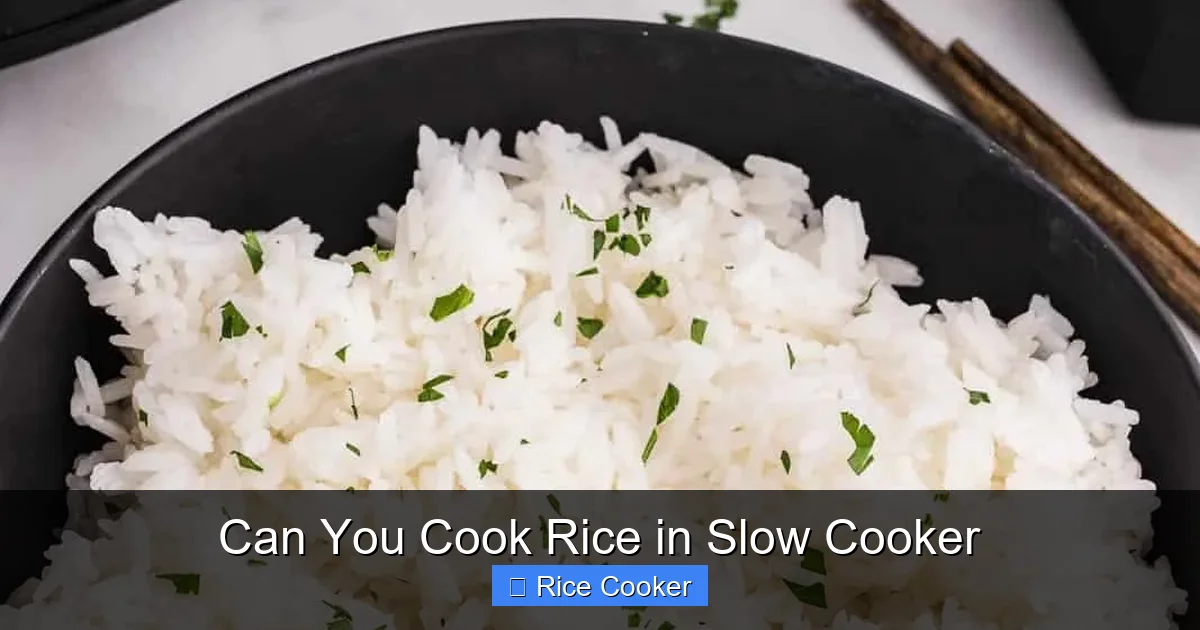
Can you cook rice in a slow cooker? Absolutely! With the right water-to-rice ratio and a few simple steps, your slow cooker can produce fluffy, flavorful rice just like a rice cooker. This method is hands-off, budget-friendly, and great for busy weeknights. Whether you’re making white rice, brown rice, or even rice-based soups, your slow cooker can handle it—no extra appliance needed.
Key Takeaways
- Yes, you can cook rice in a slow cooker: It’s possible with the correct settings and preparation.
- Use the right water-to-rice ratio: Typically 2:1 for white rice, 2.5:1 for brown rice.
- Pre-soak brown rice: Helps reduce cooking time and improve texture.
- Avoid opening the lid: Steam escapes, which can affect doneness and texture.
- Fluff and rest: Let rice sit after cooking to finish absorbing moisture evenly.
- Clean-up is easy: Use a non-stick insert and avoid sticking with proper oil use.
- Suitable for meal prep: Cook large batches and store for up to 5 days.
Key Takeaways
- Understanding can you cook rice in slow cooker: Provides essential knowledge
Quick Answers to Common Questions
Can you cook any type of rice in a slow cooker?
Yes, but white long-grain rice works best due to its quick absorption and light texture. Brown rice is possible but requires longer cooking and more water. Avoid sushi or porridge varieties, as they tend to become too sticky.
Do I need to soak rice before cooking it in a slow cooker?
For white rice, soaking isn’t necessary. For brown rice, soaking for 20–30 minutes reduces cooking time and improves texture by softening the outer bran layer.
How much water should I use per cup of rice?
Use 2 cups of water for white rice and 2.5 cups for brown rice. Always rinse rice first to remove excess starch and ensure even cooking.
Can I cook rice in a slow cooker on high heat?
Yes, but it’s not always recommended. White rice can cook in 45–60 minutes on high, but brown rice needs longer. Low and slow is gentler and helps prevent drying out.
Will my rice stick to the slow cooker insert?
To prevent sticking, lightly oil the bottom of the insert, use a non-stick liner, or place a piece of parchment paper underneath the rice. Never stir during cooking.
📑 Table of Contents
- Introduction: The Surprising Power of Your Slow Cooker
- Why Choose a Slow Cooker for Rice?
- Understanding How Slow Cooking Affects Rice
- Best Types of Rice for Slow Cooking
- Step-by-Step Guide: How to Cook Rice in a Slow Cooker
- Troubleshooting Common Issues
- Creative Ways to Use Slow Cooker Rice
- Tips for Perfect Every Time
- Conclusion: Embrace the Versatility of Your Slow Cooker
Introduction: The Surprising Power of Your Slow Cooker
Have you ever stared into your pantry, wondering what’s for dinner, only to realize you have a bag of rice and nothing else? Before you reach for instant ramen or order delivery, pause—your slow cooker might be the answer. Yes, you read that right: you can cook rice in a slow cooker. That trusty kitchen appliance you use for stews, chili, and pulled pork can also make perfectly fluffy rice with minimal effort.
While rice cookers are purpose-built for this task, many home cooks don’t own one. But if you’ve got a slow cooker sitting on your counter or tucked away in storage, why not put it to work? Cooking rice in a slow cooker isn’t just possible—it’s convenient, energy-efficient, and surprisingly effective. In this guide, we’ll walk you through everything you need to know: from the science behind slow cooking rice, to the best grains to use, and how to avoid common pitfalls like mushy or undercooked results.
Whether you’re preparing a side dish for dinner, cooking grains for a grain bowl, or making rice-based soup, mastering this technique will save you time and reduce clutter in your kitchen. So grab your measuring cup, rinse your rice, and let’s get started!
Why Choose a Slow Cooker for Rice?
You might wonder: if rice cookers exist specifically for rice, why bother with a slow cooker? The truth is, slow cookers offer unique benefits that make them a smart alternative—especially when you’re short on kitchen tools or want a set-it-and-forget-it solution.
Visual guide about Can You Cook Rice in Slow Cooker
Image source: sabrinassinlesssecrets.com
The Convenience Factor
One of the biggest advantages of using a slow cooker is its hands-off nature. Once you’ve added rice and water (and maybe some seasoning), you can forget about it while you focus on other tasks. No constant stirring, no watching the pot, no fear of burning. Just pour, press, and wait.
This makes slow cooker rice ideal for busy parents, students, or anyone who wants to come home to a ready meal. Imagine dropping rice and vegetables into the slow cooker at 8 a.m., heading out for work, and returning to a warm, cooked meal by dinnertime.
Energy Efficiency
Slow cookers use less electricity than ovens or stovetops. They operate at low temperatures over long periods, which means you’re not heating up your entire kitchen during summer months. For eco-conscious cooks, this is a big plus.
Versatility Beyond Rice
While we’re focusing on rice today, remember that your slow cooker is a multi-tool. You can cook grains, beans, soups, and even desserts. Learning to make rice in it expands your culinary toolkit without adding another appliance to your collection.
Cost-Effective Solution
Many people already own a slow cooker. If yours sits unused most of the year, why not give it a new role? This reduces the need to buy separate rice cookers, especially if you only cook rice occasionally.
Understanding How Slow Cooking Affects Rice
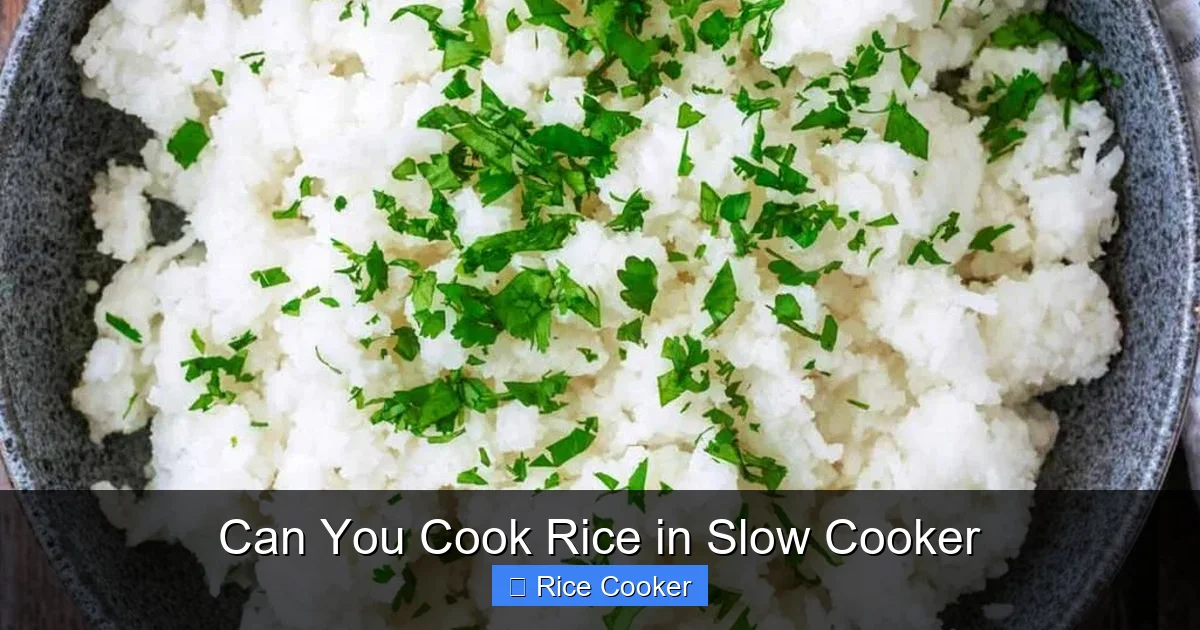
Before diving into recipes, it’s helpful to understand how heat and moisture interact during slow cooking. Unlike boiling rice on the stove—where high heat rapidly evaporates water—slow cookers work by gently simmering rice in liquid. This gradual approach allows the rice to absorb water slowly, resulting in even cooking and a better texture.
Visual guide about Can You Cook Rice in Slow Cooker
Image source: hungryhealthyhappy.com
Moisture Absorption vs. Evaporation
On the stovetop, you start with a high flame, then reduce to low once it boils. The rice cooks quickly, but there’s a risk of uneven absorption. In contrast, a slow cooker maintains a consistent temperature around 190–200°F (88–93°C), which is just below boiling. This keeps the water from evaporating too fast, letting the rice grains plump up gradually.
Texture Differences Between Methods
Rice cooked in a slow cooker tends to be slightly more moist and tender compared to stovetop versions. Some chefs even prefer it for pilafs or risotto-style dishes where creamy consistency matters. However, if you’re looking for dry, fluffy grains (like for sushi or fried rice), you may need to adjust your technique slightly.
The Role of Heat Distribution
Slow cookers circulate heat evenly throughout the pot, eliminating hot spots that can cause scorching or undercooking. This uniformity is key to achieving consistent results every time.
Best Types of Rice for Slow Cooking
Not all rice is created equal when it comes to slow cookers. The grain type, texture, and processing level all influence how well it cooks. Here’s a breakdown of the most suitable options:
White Rice (Long-Grain)
White long-grain rice—like Jasmine or Basmati—is the easiest to cook in a slow cooker. It has a neutral flavor, doesn’t stick together, and absorbs water efficiently. Because it’s polished, it cooks faster than brown rice and yields a lighter texture.
Tip: Rinse your rice before cooking to remove excess starch, which helps prevent clumping.
Brown Rice
Brown rice works well in slow cookers too, though it takes longer and requires more water. Its bran layer slows down water absorption, so patience is key. Pre-soaking brown rice for 20–30 minutes can speed up the process and improve texture.
Instant Rice
If you’re short on time, instant rice is an option. It’s pre-cooked and dehydrated, so it only needs reheating in liquid. Add it toward the end of the cooking cycle to avoid overcooking.
Avoid These Rice Types
- Sushi rice: Too sticky and prone to mushiness in slow cookers.
- Porridge rice (short-grain): Tends to become too soft and gluey.
- Unwashed rice: Can leave cloudy water and increase stickiness.
Step-by-Step Guide: How to Cook Rice in a Slow Cooker
Ready to try it? Follow these simple steps for foolproof results every time.
What You’ll Need
- 1 cup uncooked rice (white or brown)
- 2 cups water (or broth for flavor)
- Slow cooker (4–6 quart size recommended)
- Non-stick insert or liner
- Measuring cup and spoon
- Fork or rice paddle
Step 1: Rinse the Rice
Place rice in a fine-mesh strainer and rinse under cold running water until the water runs clear. This removes surface starch and prevents gummy results.
Step 2: Combine Rice and Liquid
Add rinsed rice and water (or broth) to the slow cooker insert. Stir gently to combine. For flavored rice, now’s the time to add salt, garlic, or herbs.
Step 3: Set the Timer
For white rice: Cook on HIGH for 45–60 minutes or LOW for 2–3 hours.
For brown rice: Cook on HIGH for 60–90 minutes or LOW for 3–4 hours.
Step 4: Avoid Lid Removal
Keep the lid closed throughout cooking. Opening it lets steam escape, which can dry out the rice or extend cooking time unnecessarily.
Step 5: Fluff and Rest
Once done, turn off the slow cooker and let the rice sit for 10 minutes with the lid on. Then fluff gently with a fork to separate grains.
Pro Tip: Use a Liner
A removable ceramic or non-stick liner makes cleanup a breeze. Just pop it out, wipe it, and reuse it next time.
Troubleshooting Common Issues
Even experienced cooks run into problems now and then. Here’s how to fix the most frequent issues when cooking rice in a slow cooker.
Mushy or Sticky Rice
This usually happens when there’s too much water or the rice isn’t rinsed. Reduce water by 1/4 cup, always rinse, and avoid stirring during cooking.
Undercooked Rice
If the rice feels hard in the center, it likely needs more time or water. Try increasing the liquid by 1/4 cup or extending cooking time by 10–15 minutes on the same setting.
Rice Sticking to the Pot
To prevent sticking, lightly oil the bottom of the slow cooker insert before adding rice. Alternatively, use a silicone liner or parchment paper underneath.
Watery or Soupy Rice
Excess liquid evaporates slowly in a sealed slow cooker. Drain off extra water after cooking, or cook on LOW for longer to allow more evaporation.
Uneven Texture
Stirring breaks apart delicate grains. Instead, give the pot a gentle shake halfway through cooking to redistribute heat.
Creative Ways to Use Slow Cooker Rice
Cooking rice in a slow cooker opens up new recipe possibilities beyond plain white rice.
Rice-Based Soups and Stews
Add cooked rice directly into soups like minestrone or gumbo. It thickens the broth and adds heartiness. Cook rice separately first, then stir it into the soup during the last 15 minutes.
Grain Bowls
Make a batch of rice at lunchtime and pair it with roasted vegetables, beans, and tahini dressing for an easy dinner.
Rice Pudding
Combine rice, milk, sugar, cinnamon, and raisins in the slow cooker. Cook on LOW for 3–4 hours, stirring occasionally, until creamy and thick.
Fried Rice Base
Cook jasmine rice in broth instead of water for extra flavor. Cool, then refrigerate overnight. Reheat and stir-fry with eggs, peas, and soy sauce for restaurant-quality fried rice.
Arroz con Leche (Latin Rice Pudding)
Incorporate coconut milk, cinnamon sticks, and orange zest for a rich, aromatic dessert. Serve warm with a sprinkle of nutmeg.
Tips for Perfect Every Time
Want consistent results? Follow these expert tips.
- Measure precisely: Use a dry measuring cup for rice and a liquid cup for water.
- Don’t lift the lid: Each time you open it, you lose heat and moisture.
- Use filtered water: Reduces impurities that can affect taste.
- Season after cooking: Add salt or spices after the rice is done to avoid over-seasoning.
- Store properly: Refrigerate leftovers in an airtight container for up to 5 days.
Conclusion: Embrace the Versatility of Your Slow Cooker
So, can you cook rice in a slow cooker? The answer is a confident yes—with the right technique, your slow cooker becomes a reliable tool for making fluffy, delicious rice anytime. Whether you’re feeding a crowd, meal prepping for the week, or simply craving a warm bowl of comfort food, this method delivers.
You don’t need a fancy rice cooker to enjoy perfectly cooked grains. With just a little planning and attention to detail, your slow cooker can do the job beautifully. Plus, you’ll free up space in your kitchen and reduce energy use—two bonuses that make this method even more appealing.
Next time you’re unsure what to make for dinner, skip the takeout menu. Grab your rice, fire up your slow cooker, and discover how easy—and delicious—homemade rice can be.
Frequently Asked Questions
Is it safe to cook rice in a slow cooker?
Yes, it’s completely safe as long as you follow proper ratios and cooking times. Just ensure the rice reaches an internal temperature of at least 190°F (88°C) to kill any bacteria.
Can I cook rice and beans together in a slow cooker?
Absolutely. Add soaked dried beans along with rice and extra water. Adjust cooking time accordingly—beans take longer, so start with rice first if using raw beans.
How long does slow cooker rice stay fresh?
Refrigerated rice lasts up to 5 days. Store in an airtight container and reheat thoroughly on the stove or microwave until steaming hot.
Can I freeze slow cooker rice?
Yes! Portion cooled rice into freezer-safe containers and freeze for up to 3 months. Thaw overnight in the fridge before reheating.
Do I need to add fat like butter or oil?
Not required, but a small amount of butter or oil can enhance flavor and prevent sticking. Add it with the liquid before cooking.
What if my rice is still crunchy after cooking?
Crunchy rice means it needs more time or water. Cover with a bit more liquid and cook on low for an additional 15–20 minutes, checking occasionally.