
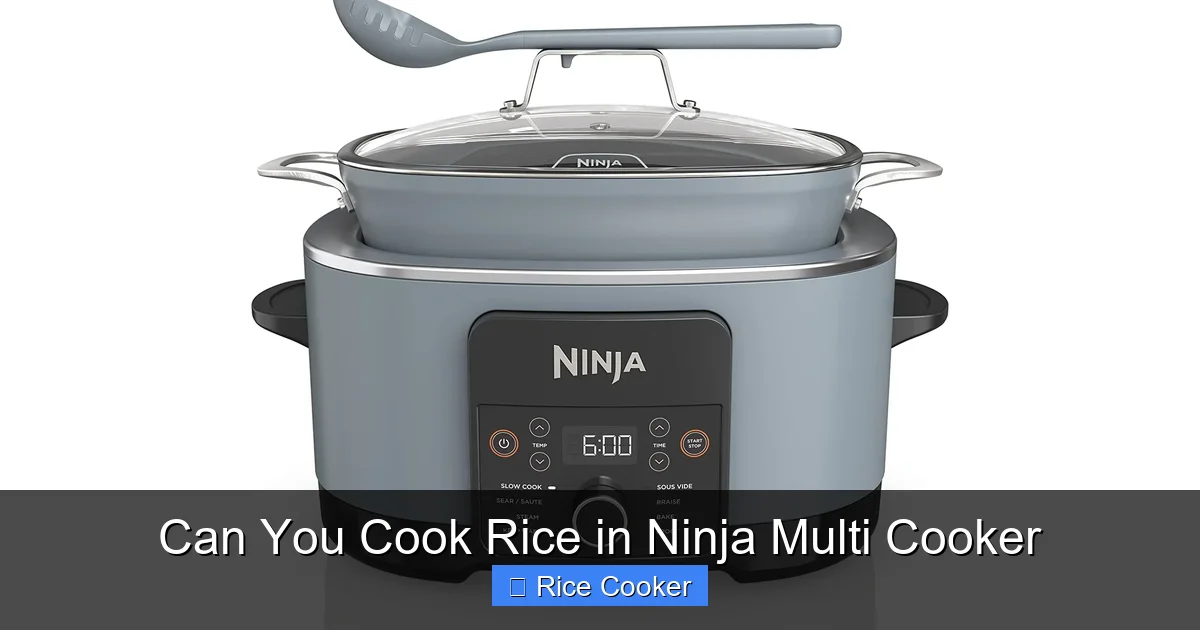
Absolutely—your Ninja Multi Cooker is a fantastic tool for cooking rice. With the right settings and techniques, it delivers fluffy, evenly cooked grains every time. Whether you’re making white rice, brown rice, or even rice-based dishes like risotto or rice pudding, this multi-functional appliance handles it all effortlessly.
Key Takeaways
- Yes, you can cook rice in a Ninja Multi Cooker: The appliance has a dedicated rice function that makes cooking grain-based meals quick and easy.
- Perfect rice every time: Using the correct water-to-rice ratio (typically 1:1.5 to 1:2) ensures consistent results.
- Versatile cooking modes: Beyond plain rice, you can make pilafs, risottos, porridge, and even steam vegetables over rice.
- No need for a separate rice cooker: Save space and money by using your Ninja for multiple meal prep tasks.
- Tips for best results: Rinse rice, use high-quality ingredients, and avoid opening the lid during cooking to retain steam.
- Cleaning is simple: Most components are dishwasher-safe, making cleanup a breeze after rice preparation.
📑 Table of Contents
- Can You Cook Rice in a Ninja Multi Cooker? The Ultimate Guide
- The Science Behind Cooking Rice
- How to Cook Perfect Rice in Your Ninja Multi Cooker
- Tips for Fluffy, Delicious Rice Every Time
- Cooking Different Types of Rice in Your Ninja
- Common Mistakes to Avoid
- Beyond Plain Rice: Creative Uses for Your Ninja
- Maintenance and Care Tips
- Final Thoughts: Why Ninja Is Worth It for Rice Lovers
Can You Cook Rice in a Ninja Multi Cooker? The Ultimate Guide
If you’ve ever wondered whether your Ninja Multi Cooker can handle more than just sautéing, slow cooking, or pressure cooking, the answer is a resounding yes—especially when it comes to rice. This powerful kitchen appliance isn’t just for soups or stews; it’s fully capable of delivering perfectly cooked rice, from fluffy jasmine to hearty brown rice. In fact, many home cooks have discovered that their Ninja Multi Cooker produces better-tasting rice than traditional stovetop methods, thanks to precise temperature control and consistent steaming.
Cooking rice in a Ninja Multi Cooker is not only possible but also incredibly convenient. With a few simple adjustments and the right technique, you can enjoy restaurant-quality rice at home without the hassle of monitoring pots on the stove. Whether you’re preparing a side dish for dinner or building a one-pot meal, mastering rice in your Ninja opens up a world of culinary possibilities. Plus, since most models come with a built-in steam basket, you can even cook rice while steaming veggies or proteins simultaneously—maximizing efficiency in your kitchen.
The Science Behind Cooking Rice
Before diving into the how-to, it’s helpful to understand why rice turns out great (or not so great) in any pot. Rice is essentially starchy seeds that absorb water during cooking. As heat is applied, the outer layer of each grain softens and expands, allowing it to soak up more liquid. The goal is to achieve even absorption without overcooking or drying out the grains.
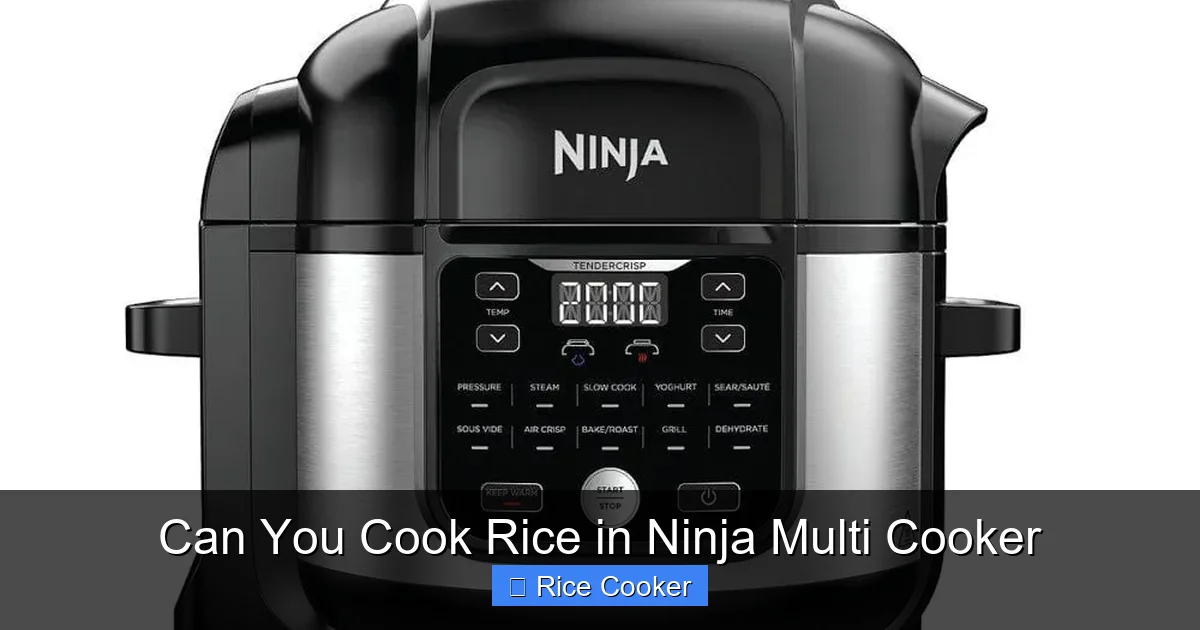
Visual guide about Can You Cook Rice in Ninja Multi Cooker
Image source: sharkninja.sg
Why Use a Multi Cooker for Rice?
Unlike boiling rice on the stove—where you must constantly stir to prevent sticking and burning—a multi cooker like the Ninja uses sealed, controlled environments with consistent heat. This prevents scorching and ensures even cooking throughout the batch. Additionally, the ability to set specific timers and temperature levels means you don’t have to babysit the process. For busy families or meal preppers, this convenience alone makes it worth trying.
Types of Rice and Their Needs
Not all rice is created equal. Short-grain, long-grain, basmati, arborio—each type behaves differently under heat. For example, jasmine and sushi rice are sticky and ideal for rolls or onigiri, while brown rice takes longer to cook due to its fibrous bran layer. Understanding these differences helps you adjust cooking times and water ratios accordingly.
How to Cook Perfect Rice in Your Ninja Multi Cooker
Cooking rice in a Ninja Multi Cooker is straightforward, but getting the details right makes all the difference. Follow these steps for foolproof results every time.
Visual guide about Can You Cook Rice in Ninja Multi Cooker
Image source: thekiwicountrygirl.com
Step 1: Measure and Rinse the Rice
Start by measuring your rice accurately. A standard ratio is 1 cup of uncooked rice to 1.5–2 cups of water, depending on the variety. Brown rice generally needs more water and time than white rice. After measuring, rinse the rice under cold running water until the water runs clear. Rinsing removes excess starch, which prevents the grains from becoming gummy or clumpy.
Step 2: Add Ingredients to the Pot
Place the rinsed rice into the Ninja’s inner cooking pot. Pour in the measured water, and if desired, add a pinch of salt or a pat of butter for extra flavor. Some users also toss in a bay leaf or garlic clove for subtle aroma—though these are optional.
Step 3: Select the Right Function
Most Ninja Multi Cookers feature a dedicated Rice setting. This mode adjusts the temperature and timing specifically for optimal grain texture. If your model doesn’t have a rice button, you can use the Sauté function followed by Keep Warm, though this method requires more oversight.
Step 4: Start Cooking
Close the lid securely and press the Rice button. The cooker will begin heating and maintain the ideal temperature throughout the cycle. Do not lift the lid during cooking—doing so releases steam and can disrupt the process. Let the machine do its work.
Step 5: Let It Rest
Once the cycle ends, let the rice sit for 5–10 minutes with the lid closed. This resting period allows residual heat to finish cooking the grains evenly and fluffs them up naturally. Fluff with a fork before serving.
Tips for Fluffy, Delicious Rice Every Time
Even with the right method, small tweaks can elevate your rice from good to amazing. Here are pro tips from experienced Ninja users.
Use Room-Temperature Water
Cooking rice with room-temperature water instead of cold reduces the overall cooking time slightly and promotes more uniform heat distribution. This minor change can help prevent undercooked centers or mushy edges.
Avoid Overfilling the Pot
Never fill the inner pot beyond two-thirds full. Overcrowding restricts airflow and can lead to uneven cooking or splatter. If you’re cooking large batches, consider doing it in two rounds.
Experiment with Flavored Waters
Instead of plain water, try simmering herbs, spices, or broth first before adding rice. Chicken or vegetable stock imparts rich flavor, while coconut milk adds creaminess—perfect for pilafs or biryanis.
Don’t Rush the Resting Phase
Skipping the rest may seem tempting, but it’s crucial. Without letting the rice sit, you risk ending up with dense, undercooked kernels. Patience pays off!
Clean Immediately After Use
Rice residue dries quickly and can be tough to remove later. Wash the inner pot and lid right after cooking while they’re still warm. Most Ninja pots are nonstick and dishwasher-safe, simplifying cleanup.
Cooking Different Types of Rice in Your Ninja
Your Ninja Multi Cooker isn’t limited to just white rice. With slight adjustments, you can prepare almost any variety with confidence.
White Rice
Jasmine, basmati, and long-grain white rice all perform beautifully in a Ninja. Stick to the 1:1.5 water ratio and use the Rice setting. These varieties become light, separate, and fragrant—ideal for pairing with curries, grilled meats, or stir-fries.
Brown Rice
Because brown rice contains more fiber and oil, it requires longer soaking and higher water volume. Soak overnight or for at least 30 minutes beforehand. Use 1 cup rice to 2 cups water and increase cooking time by 10–15 minutes. The result is chewy, nutritious, and deeply satisfying.
Pilafs and Fried Rice
Want to go beyond basics? Try making a savory pilaf by sautéing onions and spices in the pot before adding rice and water. Or cook a batch of fried rice by stir-frying cooked rice in oil with soy sauce, eggs, and veggies. Just ensure the rice is completely cool and dry before stir-frying to avoid clumping.
Risotto
Yes—you can make creamy risotto in your Ninja! Use Arborio or Carnaroli rice, toast it lightly in Sauté mode, then gradually add warm broth while stirring occasionally. Finish with Parmesan cheese and butter for a luxurious texture. The Ninja’s precise heat control helps thicken the starch naturally.
Rice Pudding
Transform leftover rice into a comforting dessert by simmering it with milk, sugar, cinnamon, and raisins. Use the Slow Cook setting on low for 1–2 hours, stirring occasionally, until thick and creamy. Serve warm with a drizzle of honey or maple syrup.
Common Mistakes to Avoid
While Ninja Multi Cookers simplify cooking, a few common errors can sabotage your rice—even with the right equipment.
Using Too Little Water
This is the #1 cause of dry, chalky rice. Always double-check your measurements. A visual cue: the water should cover the rice by about half an inch after mixing.
Opening the Lid Mid-Cook
Steam escapes every time you lift the lid, lowering internal temperature and extending cook time. Resist the urge to peek—unless your model has a transparent lid, in which case glance briefly at the beginning of the cycle.
Skipping the Rinse
Unrinsed rice tends to stick together and taste pasty. Especially with short-grain varieties, rinsing is non-negotiable for clean, individual grains.
Using Cold Water Directly
Adding ice-cold water to a hot pot causes thermal shock, potentially affecting texture. Let water come to room temperature or warm slightly before combining with rice.
Ignoring the User Manual
Different Ninja models have unique features. Check your manual for specific instructions regarding rice settings, pot capacity, and safety guidelines. What works on one model might differ on another.
Beyond Plain Rice: Creative Uses for Your Ninja
The real magic of the Ninja Multi Cooker lies in its versatility. Once you’ve mastered basic rice, explore these fun variations.
One-Pot Meals
Cook rice as the base for grain bowls, stuffed peppers, or casseroles. Add beans, tomatoes, cheese, and spices for a complete meal in one pot.
Overnight Oats Alternative
Swap oatmeal for rice porridge! Simmer steel-cut rice with milk, honey, and nuts overnight using the Slow Cook function. Wake up to a warm, nourishing breakfast.
Steaming Over Rice
Place a rack above the rice-filled pot and add broccoli, carrots, or fish to the steam basket. The rising steam cooks both components simultaneously—no extra pots needed.
Batch Cooking for Meal Prep
Make a big pot of rice on Sunday and store portions in the fridge or freezer. Reheat quickly in the microwave or on the stovetop when ready to eat.
International Dishes
Experiment with Indian biryani (by layering rice with marinated meat), Japanese onigiri (form cooled rice into balls), or Spanish paella (use saffron-infused broth). The Ninja adapts to global flavors with ease.
Maintenance and Care Tips
To keep your Ninja performing well and your rice tasting great, follow these care guidelines.
Regular Cleaning
Wipe the exterior with a damp cloth weekly. The inner pot and accessories should be washed after each use—preferably immediately—to prevent staining or odors.
Inspect Seals and Gaskets
Check silicone seals around lids and steam valves periodically for wear or cracks. Damaged parts compromise safety and cooking performance.
Avoid Abrasive Cleaners
Stick to mild soap and water or place removable parts in the dishwasher. Harsh scrubbers can damage nonstick coatings.
Store Properly
After cleaning and drying completely, store your Ninja with the lid off or slightly ajar to prevent moisture buildup and mold.
Calibrate if Necessary
If you notice inconsistent results over time, consult your manual for calibration instructions. Temperature drift can occur with heavy use.
Final Thoughts: Why Ninja Is Worth It for Rice Lovers
In a world where kitchen gadgets promise convenience but often deliver disappointment, the Ninja Multi Cooker stands out—especially for rice enthusiasts. Its ability to produce consistently fluffy, flavorful rice without constant attention makes it a game-changer for home cooks. Whether you’re feeding a crowd, meal-prepping for the week, or simply craving a perfectly cooked side dish, your Ninja delivers.
And it’s not just about rice. Once you master this skill, you’ll find yourself relying less on takeout and more on homemade, wholesome meals. From pilafs to puddings, steamed dumplings to risotto, the possibilities are endless. So go ahead—grab your measuring cup, rinse that rice, and let your Ninja work its magic. You might just discover your new favorite way to cook grains.
Pro tip: Keep a journal of your rice experiments—note rice types, water ratios, and personal preferences. Over time, you’ll develop a signature method tailored to your tastes.
Frequently Asked Questions
Can I cook instant rice in my Ninja Multi Cooker?
Yes, but it’s not necessary. Instant rice typically cooks faster than regular rice, so reduce water slightly and monitor closely. However, traditional rice gives better texture and flavor in most cases.
Do I need to use the Rice setting, or can I make rice with other functions?
For best results, use the dedicated Rice setting if your model has one. If not, you can use Sauté + Keep Warm, but it requires more attention and may yield less consistent texture.
What if my rice turns out too wet or too dry?
Too wet usually means too much water was used. For future batches, reduce water by ¼ cup next time. Too dry indicates insufficient liquid—add 2–3 tablespoons more water and extend cooking by 5 minutes.
Can I cook rice in the Ninja Foodi Grill?
Only if it has a multi-cooker function. The Foodi Grill primarily focuses on air frying and grilling, so check your model’s capabilities before attempting rice cooking.
Is it safe to leave rice in the Keep Warm mode for hours?
Yes, but quality declines after 2–3 hours. Bacteria growth becomes a concern over time, especially in humid climates. For safety, refrigerate leftovers within 2 hours of cooking.
Can I cook rice in a Ninja Air Fryer?
Some newer models support air fryer attachments, but rice isn’t typically cooked via air frying. Stick to the multi-cooker function for best results.