
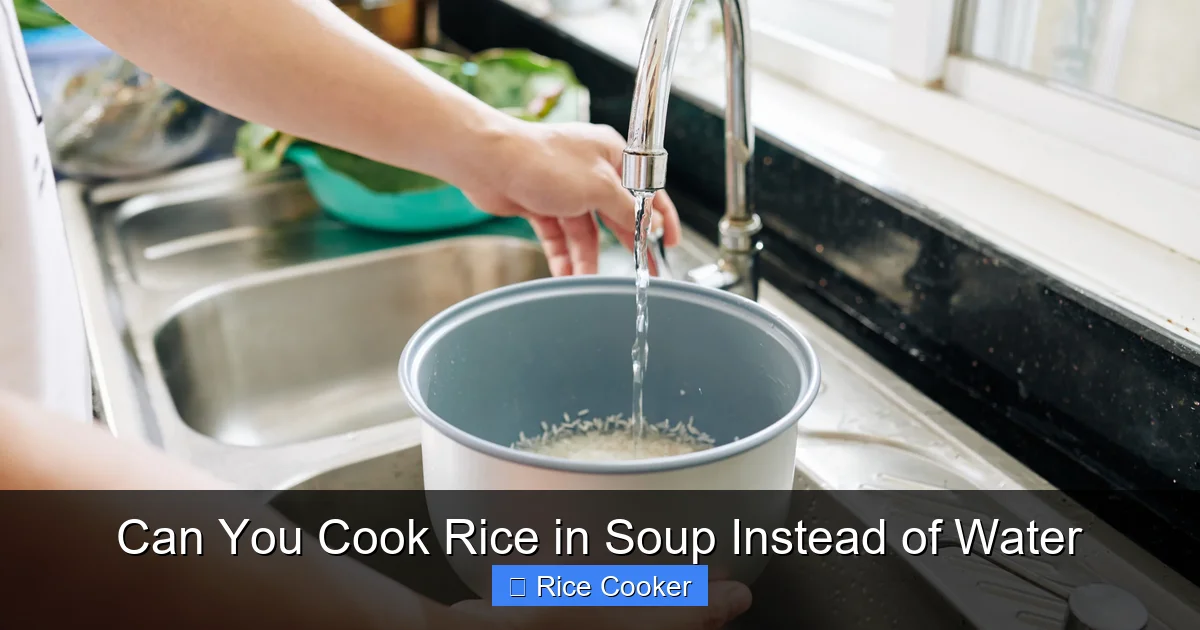
Yes, you can cook rice in soup or broth instead of water, and it often adds incredible flavor to your dish. However, because broths are saltier and denser than plain water, timing and ratios need adjustment to avoid mushy or overly salty rice. With the right techniques, using soup as your liquid base can elevate both your rice and your entire meal.
Key Takeaways
- Flavor Boost: Cooking rice in soup or broth infuses it with rich, savory notes that plain water can’t provide.
- Adjust Liquid Ratios: Broth is more concentrated than water—start with less liquid (usually 1 cup broth per 1 cup rice) and add more if needed.
- Reduce Salt: Since most broths are already seasoned, reduce added salt significantly to prevent over-salting the rice.
- Choose the Right Rice: Long-grain white rice, jasmine, basmati, and brown rice all work well, but adjust cook times based on type.
- Use a Lid & Low Heat: Keep heat low after boiling, seal the pot tightly, and let rice steam undisturbed for even cooking.
- Rice Cookers Work Too: Most modern rice cookers handle broth-based cooking just fine—just use the “white rice” or “regular” setting.
- Watch for Texture: Stirring too much or opening the lid mid-cooking releases steam and can make rice gummy.
📑 Table of Contents
- Can You Cook Rice in Soup Instead of Water?
- Why Cook Rice in Soup?
- Types of Soup That Work Best for Cooking Rice
- How Much Soup Should You Use?
- Step-by-Step Guide: Cooking Rice in Soup
- Common Mistakes to Avoid
- Tips for Perfect Rice Every Time
- Rice Cooker vs. Stovetop: Which Is Better?
- Final Thoughts: Yes, You Can Cook Rice in Soup!
Can You Cook Rice in Soup Instead of Water?
Imagine this: you’re making a hearty stew, and you realize you’re running low on broth. Instead of grabbing a box of chicken stock, you decide to use the leftover soup from last night’s dinner. But now comes the big question—can you actually cook rice in soup instead of water? The short answer is yes—but not without some smart adjustments. In fact, many home cooks swear by using broth or soup as their cooking liquid for rice. It’s a simple swap that can transform your side dish from bland to bold.
When you cook rice in soup, you’re essentially using the same principle as cooking pasta in pasta water—leveraging the flavor already in the liquid. This method works especially well when you’re serving rice alongside soups, stews, or casseroles. Not only does it save time, but it also creates a more cohesive flavor profile throughout the meal. Still, there are nuances to consider. For example, broth is saltier and thicker than water, so you can’t just pour it in and hope for the best.
In this guide, we’ll walk through everything you need to know about cooking rice in soup instead of water. From choosing the right type of broth to adjusting your cooking technique, you’ll learn how to turn a simple side into something extraordinary. Whether you’re using a traditional pot on the stove or a modern rice cooker, these tips will help you achieve perfectly cooked, flavor-packed rice every time.
Why Cook Rice in Soup?
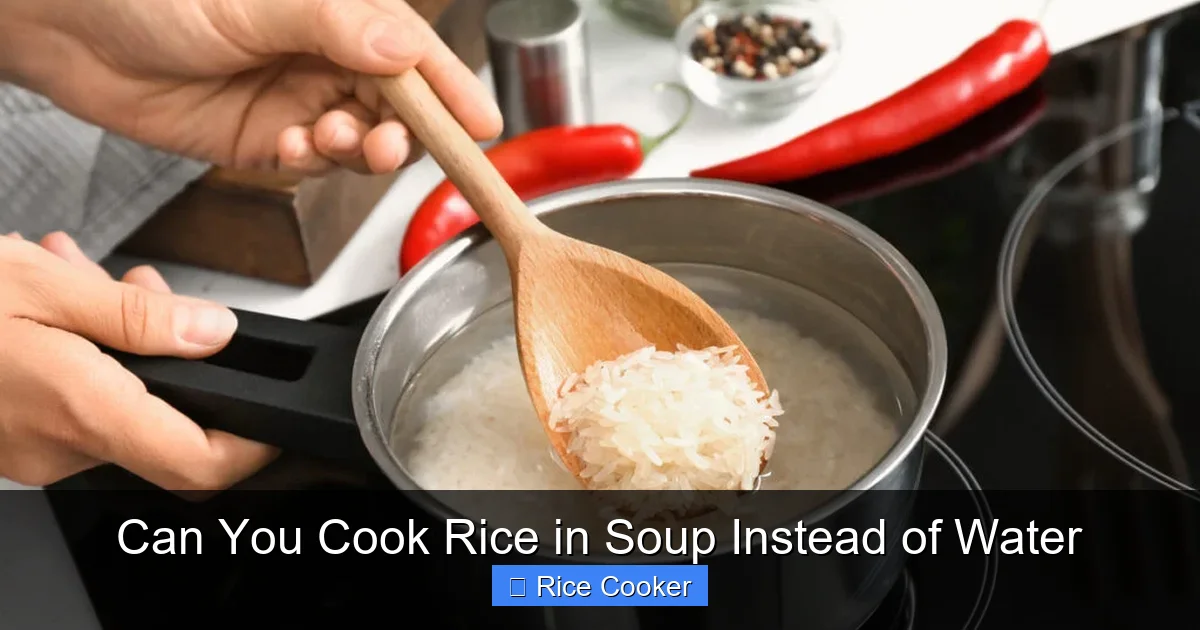
Visual guide about Can You Cook Rice in Soup Instead of Water
Image source: farmhouseguide.com
Using soup or broth as your liquid base for rice isn’t just a shortcut—it’s a flavor hack. When you boil rice in plain water, it absorbs minimal taste. But when you cook it in a savory broth, each grain soaks up those delicious flavors like a sponge. Think of it as seasoning your rice while it cooks, rather than adding salt and spices afterward.
One of the biggest advantages of cooking rice in soup is consistency. If you’re serving rice with a creamy tomato soup, a lentil stew, or a chicken noodle soup, using the same liquid to cook the rice ensures that the flavors blend beautifully. There’s no jarring contrast between a bland rice and a richly seasoned soup—everything tastes like it belongs together.
Another benefit is efficiency. Why prepare two separate liquids when one will do? Using leftover soup means fewer dishes, less cleanup, and a smarter kitchen workflow. Plus, if you’re making a large batch of soup, you might have extra broth on hand—perfect for cooking a pot of rice at the same time.
Of course, there are some downsides to consider. As mentioned earlier, broth is saltier than water, so you need to be careful not to oversalt your rice. Also, because broth has more solids (like vegetables or meat), it can affect the texture slightly. But with a few adjustments, these challenges are easy to overcome.
Types of Soup That Work Best for Cooking Rice
Visual guide about Can You Cook Rice in Soup Instead of Water
Image source: farmhouseguide.com
Not all soups are created equal when it comes to cooking rice. Some broths are too thick, too salty, or too chunky to be ideal. Here’s a breakdown of the best types of soup to use, along with a few that you should avoid.
Best Broths for Rice
- Chicken Broth: Mild, versatile, and widely available. Great for white rice or jasmine rice.
- Vegetable Broth: Light and aromatic—perfect for vegetarian meals or brown rice.
- Beef Broth: Rich and deep, ideal for risotto-style rice or wild rice blends.
- Bone Broth: Nutrient-dense and full of umami; excellent for nutrient-packed meals.
- Dashi (Japanese Broth): Umami-rich and delicate—great for sushi rice or miso-based dishes.
Soups to Use with Caution
- Cream-Based Soups: Cream of mushroom or tomato soup can make rice too heavy or sticky. Stick to the broth part only.
- Very Chunky Soups: Stews with large pieces of meat or vegetables can clog your rice cooker or leave gritty bits in your rice.
- High-Sodium Soups: Always taste first. If the broth is already salty, skip added salt in your rice.
For best results, always skim off excess fat from the top of your soup before using it to cook rice. This prevents a greasy finish and helps the rice cook more evenly.
How Much Soup Should You Use?
This is where many people run into trouble. Because broth is more concentrated than water, you don’t need to use the same amount when cooking rice. A good rule of thumb is to start with 1 cup of broth for every 1 cup of uncooked rice—just like you would with water.
But here’s the catch: broth has more body and flavor, so it can absorb moisture faster. That means you may need to add a little extra liquid halfway through cooking if the rice looks dry. On the other hand, if you’re using a very thin broth (like watered-down soup), you might need to increase the amount slightly.
To measure correctly:
- Use a standard measuring cup for broth, just like you would for water.
- If your soup has visible solids (like onions or carrots), strain it first for cleaner rice.
- Don’t fill the pot beyond ⅔ full to prevent overflow during boiling.
Also, keep in mind that different rice types absorb liquid differently. Long-grain rice usually needs less broth than short-grain or sushi rice, which tend to be stickier.
Step-by-Step Guide: Cooking Rice in Soup
Ready to try it? Follow these simple steps for foolproof, flavorful rice cooked in soup.
Step 1: Choose Your Rice and Broth
Pick a rice variety that complements your meal. Basmati or jasmine rice pairs well with Asian-inspired broths, while brown rice stands up to heartier broths like beef or bone. Make sure your broth is strained and free of large chunks.
Step 2: Measure the Right Amount
For every 1 cup of uncooked rice, use 1 cup of broth. Add a pinch of salt only if the broth is unsalted or low-sodium.
Step 3: Rinse the Rice (Optional)
Rinsing removes excess starch and prevents clumping. Just place the rice in a strainer and rinse under cold water until the water runs clear.
Step 4: Combine in a Pot or Rice Cooker
Add rice and broth to your pot or rice cooker. Give it a quick stir to distribute the liquid.
Step 5: Bring to a Boil
On the stove, bring the mixture to a rolling boil over high heat. Once boiling, immediately reduce heat to low.
Step 6: Cover and Simmer
Cover the pot with a tight-fitting lid and let it simmer for 18–20 minutes (for white rice) or 35–40 minutes (for brown rice). Avoid lifting the lid during this time.
Step 7: Let It Rest
After cooking, remove the pot from heat and let it sit, covered, for 5–10 minutes. This allows the rice to finish steaming and become fluffier.
Step 8: Fluff and Serve
Use a fork to gently fluff the rice. Taste and adjust seasoning if needed—remember, it may already be salty!
If using a rice cooker, simply select the “white rice” or “regular” setting. Most models handle broth-based cooking just fine, though you may want to drain any excess liquid after cooking if the rice feels too wet.
Common Mistakes to Avoid
Even experienced cooks make these errors when switching from water to broth. Here’s how to sidestep them.
Over-Salting
Broth is already salted. Adding table salt on top can easily make your rice too salty. Always taste the broth first, and only add salt if necessary.
Using Too Much Liquid
Because broth is thicker, it can create a soupy consistency. Start with less and add more only if the rice seems dry after 15 minutes.
Stirring Too Often
Stirring breaks down the starches in rice, leading to a gummy texture. Only stir once at the beginning, and never again until the final fluffing step.
Opening the Lid During Cooking
Every time you lift the lid, you release steam, which slows down the cooking process and can result in unevenly cooked rice.
Skipping the Resting Period
Letting rice rest after cooking helps redistribute moisture and makes it fluffier. Don’t skip this step!
Using Unstrained Soup
Large chunks of vegetables or meat can get trapped between grains, making eating difficult. Strain your broth for smoother results.
By avoiding these pitfalls, you’ll ensure your rice turns out light, fluffy, and perfectly seasoned.
Tips for Perfect Rice Every Time
Want to take your rice game to the next level? These pro tips will help you master cooking rice in soup.
Use Room-Temperature Broth
Cold broth can lower the temperature of your pot too quickly, extending cook time. Warm it slightly before adding rice.
Try Different Rice-to-Liquid Ratios
Some chefs prefer a 1:1.2 ratio (rice to broth) for extra moisture. Experiment to find what works best for your recipe.
Add a Splash of Oil or Butter
A teaspoon of oil or butter helps prevent sticking and adds richness, especially when using fat-free broths.
Pair with Complementary Flavors
Enhance your rice with herbs, garlic, or lemon zest added directly to the broth before cooking.
Reheat Leftovers Properly
If you have leftover rice cooked in broth, reheat it with a splash of broth or water to restore moisture.
Store Excess Broth Safely
If you have extra broth, store it in the fridge for up to 4 days or freeze it for longer storage.
These small tweaks can make a big difference in taste and texture.
Rice Cooker vs. Stovetop: Which Is Better?
Both methods work well, but they have subtle differences.
Stovetop Cooking
Gives you more control over heat and liquid levels. Ideal if you’re already using a large pot for soup.
Rice Cooker Cooking
Convenient and foolproof. Most rice cookers automatically switch to “warm” mode after cooking, preventing overcooking.
If you’re using a rice cooker, just make sure to use a model with a “broth” or “liquid” setting if available. Otherwise, the standard setting works fine.
Final Thoughts: Yes, You Can Cook Rice in Soup!
Cooking rice in soup instead of water is not only possible—it’s a delicious upgrade to your everyday meals. With a few simple adjustments, you can enjoy rice that’s infused with rich, savory flavors and perfectly cooked every time. Whether you’re using chicken broth, vegetable stock, or even dashi, the key is balance: less liquid, less salt, and patience during cooking.
Next time you’re making soup or stew, save some broth for your rice. It’s a small change with big rewards. Your taste buds—and your whole family—will thank you.
Frequently Asked Questions
Will rice cooked in soup taste salty?
It depends on the broth. Many store-bought or homemade broths are already salted, so your rice may come out salty if you add more salt. Always taste the broth first and adjust seasoning accordingly.
Can I use canned soup to cook rice?
You can, but strain it first to remove large chunks. Also, check the sodium content—canned soups are often high in salt, so you may need to reduce or omit added salt.
Does cooking rice in soup change the texture?
Usually not—rice cooked in broth has the same fluffy texture as rice cooked in water. However, very thick broths might make rice slightly softer, so monitor consistency closely.
How long does it take to cook rice in broth?
White rice takes about 18–20 minutes on the stovetop or one cycle in a rice cooker. Brown rice takes longer—around 35–40 minutes. Exact time depends on the rice type and broth temperature.
Can I cook rice in soup in a rice cooker?
Yes! Most rice cookers handle broth-based cooking. Just use the standard setting and follow the same liquid ratios as with water.
What if my rice is too dry when cooked in soup?
Add a tablespoon or two of hot water or broth and cover again for 5 minutes to steam. Avoid stirring, as this can make the rice gummy.