
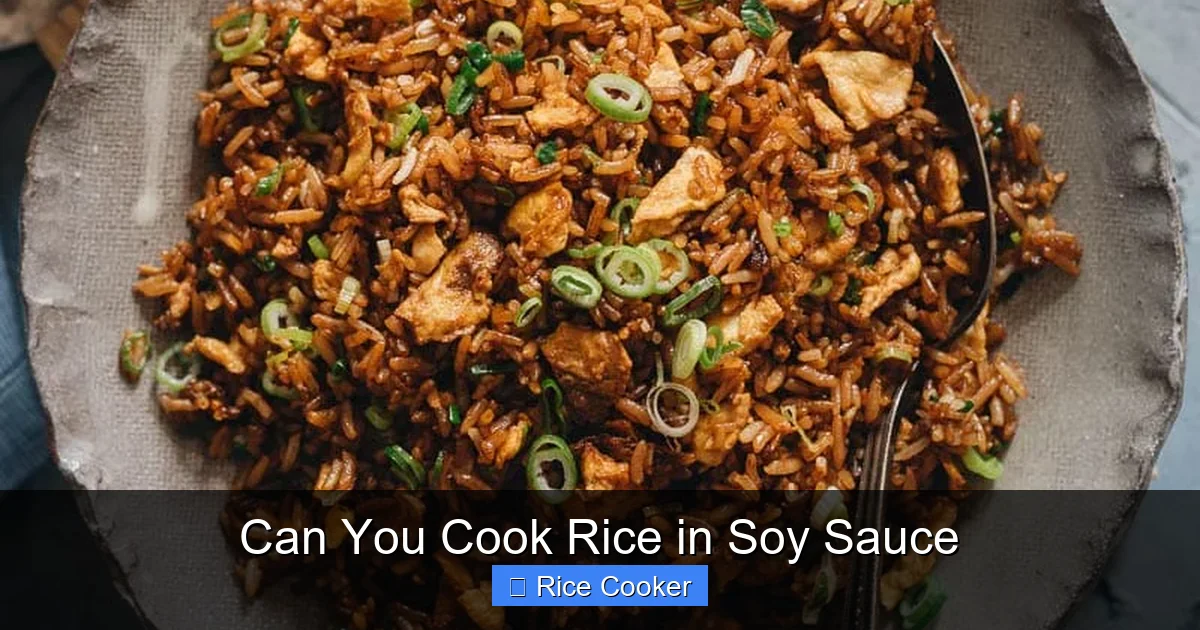
Yes, you can absolutely cook rice in soy sauce, and it’s a fantastic way to add deep, savory flavor to your meals. This method transforms plain white or brown rice into a rich, aromatic dish perfect for stir-fries, bowls, or side dishes. With just a few extra ingredients, soy sauce becomes the secret ingredient that enhances texture and taste.
Key Takeaways
- Soy sauce adds umami depth: It infuses rice with a savory, salty flavor that elevates any dish.
- It changes cooking time slightly: Soy sauce may require adjusting water levels to prevent mushy rice.
- Best rice types work best: Short-grain and jasmine rice absorb soy sauce evenly without becoming too sticky.
- Use low-sodium options: To control saltiness, opt for reduced-salt soy sauce or dilute with broth.
- Pair with complementary flavors: Combine with garlic, ginger, sesame oil, or vegetables for balanced taste.
- Not ideal for every recipe: Avoid using soy sauce-cooked rice in delicate desserts or light salads.
- Experiment with ratios: Start with 1 tablespoon per cup of rice and adjust to taste.
📑 Table of Contents
- Can You Cook Rice in Soy Sauce? A Flavorful Kitchen Experiment
- The Science Behind Cooking Rice in Soy Sauce
- Types of Rice Best Suited for Soy Sauce Cooking
- Step-by-Step Guide: How to Cook Rice in Soy Sauce
- Creative Ways to Use Soy Sauce-Cooked Rice
- Common Mistakes to Avoid
- Nutritional Considerations and Health Notes
- Troubleshooting Frequently Encountered Issues
- Advanced Techniques for Flavor Mastery
- Global Inspiration: How Cultures Use Soy Sauce in Rice
- Final Thoughts: Should You Try Cooking Rice in Soy Sauce?
Can You Cook Rice in Soy Sauce? A Flavorful Kitchen Experiment
Have you ever wondered if you could cook rice in soy sauce? At first glance, it sounds unusual—rice is usually cooked with water, broth, or sometimes wine, but soy sauce? That’s where things get interesting. While traditional rice cooking relies on clean, neutral-tasting liquids, soy sauce brings a bold, umami-rich punch that can transform your grains from simple to spectacular.
But does it actually work? Can soy sauce be used as a cooking liquid for rice without making it overly salty or mushy? The short answer is yes—with the right technique, proportions, and rice type. In fact, many Asian cuisines have been doing variations of this for generations, especially in dishes like fried rice, sushi rice (when combined with rice vinegar and sugar), and savory rice bowls. The key lies in balance: too much soy sauce, and your rice becomes a salty mess; just the right amount, and it becomes fragrant, flavorful, and deeply satisfying.
The Science Behind Cooking Rice in Soy Sauce
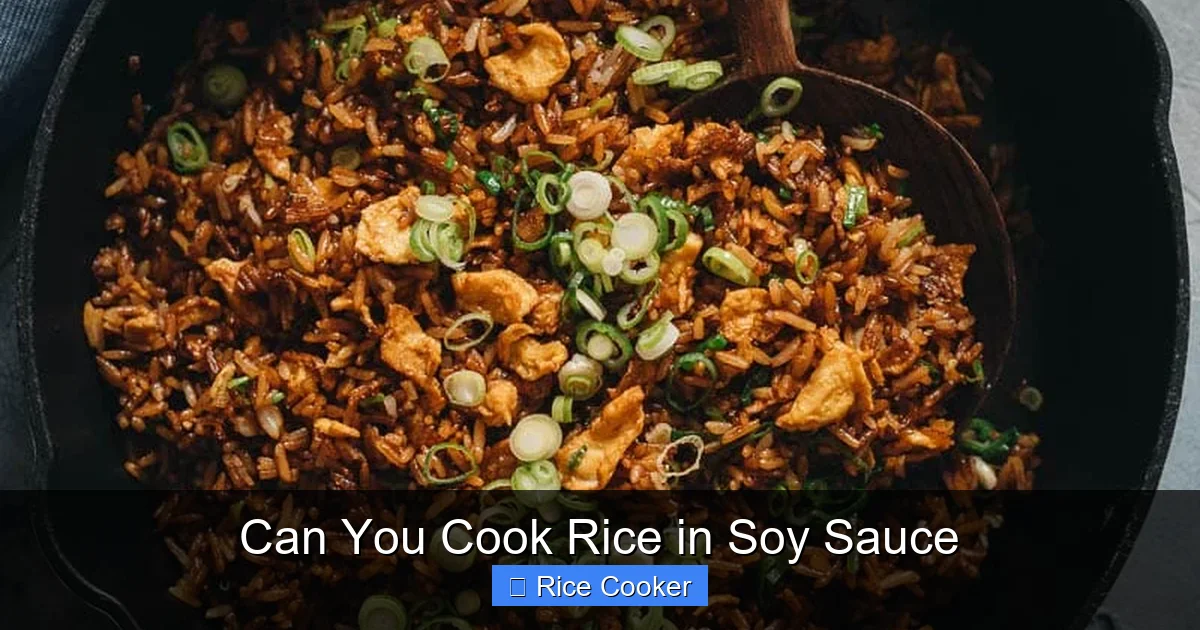
Before diving into recipes, it helps to understand why soy sauce works as a cooking medium. Unlike water, which simply hydrates and cooks the starch, soy sauce introduces complex flavors through its fermentation process. Made from soybeans, wheat, salt, and a mold starter, soy sauce develops rich umami notes—the fifth basic taste—along with a deep golden color and savory aroma. When heated during rice cooking, these compounds permeate the grain, creating a flavor profile that’s more than just “seasoned.”
Visual guide about Can You Cook Rice in Soy Sauce
Image source: omnivorescookbook.com
How Umami Enhances Texture and Taste
Umami, often described as savory or meaty, comes from glutamates and nucleotides present in soy sauce. These molecules bind to taste receptors on your tongue, amplifying other flavors and making even bland foods taste richer. When added to rice, soy sauce doesn’t just flavor the surface—it seeps into each grain, especially during the absorption method of cooking, where heat and steam help distribute the sauce evenly.
Salt Content and Moisture Balance
One concern with cooking rice in soy sauce is its high sodium content. Regular soy sauce contains about 1,000–1,500 mg of sodium per tablespoon. Since rice absorbs liquid completely, using undiluted soy sauce risks overpowering your dish with salt. That’s why most recipes recommend diluting soy sauce with water or broth to maintain moisture while controlling saltiness. This balance ensures the rice remains tender and fluffy rather than dense or greasy.
Types of Rice Best Suited for Soy Sauce Cooking
Not all rice varieties handle soy sauce equally well. Some types absorb liquid slowly, others become too sticky, and some lose their structure when exposed to strong flavors. Choosing the right rice makes all the difference in achieving a delicious result.
Visual guide about Can You Cook Rice in Soy Sauce
Image source: i.pinimg.com
Short-Grain White Rice
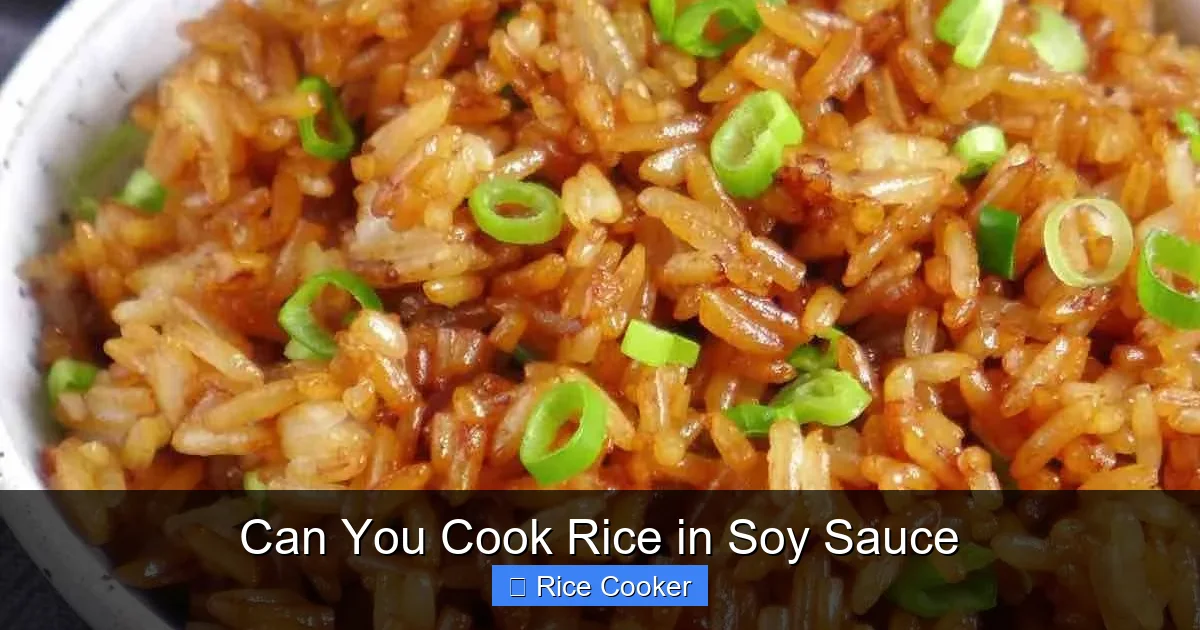
Short-grain rice, commonly used in Japanese and Korean cooking, has a higher starch content than long-grain varieties. This starch creates a naturally sticky texture, which helps hold onto soy sauce’s flavor without falling apart. It also absorbs liquid quickly, making it ideal for methods like the absorption cooker or stovetop pot. When cooked with soy sauce, short-grain rice develops a glossy sheen and cohesive bite—perfect for sushi-inspired dishes or rice bowls.
Jasmine Rice
Jasmine rice, popular in Thai cuisine, carries a subtle floral aroma that complements soy sauce’s earthiness. Its medium-grain structure allows it to remain separate yet tender after cooking. Jasmine rice cooked in diluted soy sauce produces fragrant, slightly chewy grains with a golden hue—ideal for stir-fry bases or fried rice.
Basmatic Rice
Basmatic rice is less common outside South Asia but offers excellent results when seasoned with soy sauce. Its nutty flavor and firm texture stand up well to bold seasonings. However, because it’s typically parboiled or aged, it requires slightly longer soaking and cooking times when using soy sauce-based liquids.
Avoiding Long-Grain Basmati or American Varieties
While technically possible, long-grain rice like basmati or regular white long-grain tends to dry out or separate when cooked with soy sauce due to lower starch content. If you insist on trying, use extra liquid and avoid overcooking to prevent mushiness.
Step-by-Step Guide: How to Cook Rice in Soy Sauce
Cooking rice in soy sauce isn’t rocket science, but precision matters. Follow these steps for foolproof results every time.
Ingredients You’ll Need
- 1 cup rice (short-grain or jasmine recommended)
- 1½ cups liquid (water, broth, or a mix)
- 1–2 tablespoons soy sauce (low-sodium preferred)
- Optional: 1 teaspoon sesame oil, 1 clove minced garlic, or ½ teaspoon sugar for depth
Preparation Tips
Start by rinsing your rice under cold water until the water runs clear. This removes excess starch and prevents gunk buildup in your cooker or pot. Then, let it soak for 15–30 minutes if using a rice cooker—this softens the outer layer and promotes even cooking. Skip soaking for stovetop methods unless specified.
Cooking Methods Explained
There are two main approaches: the absorption method (common in rice cookers) and the boiling method (stovetop). Each yields slightly different textures, so choose based on your equipment and preference.
Rice Cooker Method
- Add rinsed rice to the inner pot.
- Pour in water or broth first, then add soy sauce and any aromatics.
- Close the lid and select “White Rice” or “Normal” mode. Most modern models automatically detect liquid levels, but double-check if your unit lacks sensors.
- Once done, let the rice rest for 5–10 minutes before fluffing gently with a fork.
Stovetop Method
- Combine rice, liquid, soy sauce, and optional seasonings in a heavy-bottomed pot.
- Bring to a boil over high heat, then immediately reduce to low.
- Cover tightly and simmer undisturbed for 18–20 minutes (white rice) or 35–40 minutes (brown rice).
- Turn off heat and let sit for 10 minutes before uncovering and fluffing.
Adjusting Salt Levels
If your rice tastes too salty, don’t panic. Add a small amount of unsalted butter or neutral oil while fluffing—it masks harsh saltiness. Alternatively, serve with acidic components like lime juice or pickled vegetables to cut through richness.
Creative Ways to Use Soy Sauce-Cooked Rice
Soy sauce rice isn’t just a novelty—it’s a versatile base for countless meals. Once mastered, you’ll find endless ways to build on its savory foundation.
Rice Bowls and Grain Bowls
Top your soy-infused rice with grilled chicken, kimchi, avocado, and a drizzle of spicy mayo for an instant meal. The soy sauce gives the bowl a cohesive umami backbone that ties all elements together.
Fried Rice Variations
Cook leftover soy-rice in a wok with scrambled eggs, peas, carrots, and diced scallions. Add a splash of oyster sauce or hoisin for complexity. The rice should be slightly dry so it fries instead of steaming.
Stuffed Peppers or Vegetables
Fill bell peppers or zucchini halves with soy-seasoned rice mixed with ground meat or mushrooms. Bake at 375°F (190°C) for 30–35 minutes until veggies soften.
Dessert Twist? Not Really…
While soy sauce has surprising uses in desserts (like chocolate truffles or ice cream), it clashes with sweet rice preparations like mochi or sticky cakes. Stick to savory applications for best results.
Common Mistakes to Avoid
Even experienced cooks make errors when experimenting with soy sauce rice. Here’s how to sidestep them.
Using Too Much Soy Sauce
A common rookie move is adding full tablespoons without dilution. Always start with 1 tablespoon per cup of rice and taste-test. Remember: soy sauce is potent, and its flavor intensifies during cooking.
Skipping Liquid Dilution
Never cook rice in pure soy sauce. Even if you love salty food, the result will be inedible. Water, broth, or coconut milk dilute the sauce while preserving its essence.
Ignoring Rice Type Selection
Trying this method with long-grain rice often leads to dry or clumpy results. Respect your grain’s natural properties—they guide flavor absorption.
Overcooking or Undercooking
Soy sauce doesn’t significantly alter cooking time, but always check doneness. Undercooked rice tastes chalky; overcooked becomes gluey. Use a fork test near the end if unsure.
Neglecting Resting Time
Letting rice sit after cooking allows steam to redistribute moisture and flavors evenly. Skipping this step leads to uneven textures and muted taste.
Nutritional Considerations and Health Notes
Is soy sauce rice healthy? Like most foods, it depends on quantity and context. Soy sauce itself is low in calories but high in sodium, which affects blood pressure and hydration. Opt for low-sodium versions to enjoy the flavor without excess salt intake.
Protein Boost Potential
When paired with legumes, tofu, or eggs, soy sauce rice contributes plant-based protein and complete amino acids—especially valuable for vegetarians. The fermented nature of soy sauce also supports gut health through probiotics.
Moderation Is Key
Eating soy sauce rice daily may increase sodium consumption beyond recommended limits (2,300 mg/day max). Balance it with fresh fruits, vegetables, and whole grains throughout your diet.
Allergen Awareness
Soy sauce contains wheat (in most brands), making it unsuitable for gluten-sensitive individuals. Tamari is a gluten-free alternative, though it’s darker and saltier. Always read labels carefully.
Troubleshooting Frequently Encountered Issues
Even with perfect technique, problems can arise. Here’s how to fix them.
Too Salty?
Add a pinch of sugar or a splash of citrus juice to counteract bitterness. Also, mixing in plain cooked rice can dilute the saltiness without affecting flavor much.
Grains Stuck Together?
This usually happens with too little liquid or insufficient fluffing. Ensure you used the correct water-to-rice ratio (typically 1½:1). After cooking, loosen grains immediately with a fork.
Disappointing Flavor?
If soy sauce taste is faint, increase the amount slightly next time or add aromatics like garlic, ginger, or bay leaves during cooking. Umami compounds need time to develop, so simmering longer helps.
Rice Cooker Smells Like Soy All Day?
Clean your rice cooker thoroughly after use. Soy sauce residue attracts odors and bacteria. Wash inner pots and lids separately with warm soapy water.
Advanced Techniques for Flavor Mastery
Once comfortable with basics, try these pro-level tweaks to take your soy sauce rice to the next level.
Infusing Broths with Soy Sauce
Instead of plain water, use homemade vegetable or chicken broth with soy sauce as the base. Roast bones or vegetables beforehand to extract deeper flavors that meld beautifully with rice.
Adding Aromatics
Toast whole spices like star anise or cinnamon stick in a dry pan before adding liquid. Their warmth complements soy sauce’s funkiness. Remove before serving if using whole pieces.
Finishing Touches
Drizzle with toasted sesame oil just before serving for nutty fragrance. Garnish with chopped scallions, nori strips, or crispy shallots for visual appeal and crunch.
Global Inspiration: How Cultures Use Soy Sauce in Rice
Rice and soy sauce share a long history across Asia. Different regions have perfected unique combinations that reflect local tastes and traditions.
Japanese Donburi
Donburi dishes like gyudon (beef bowl) often feature rice seasoned with a mixture of mirin, sake, and soy sauce. The liquid reduction coats each grain, creating a glossy, savory bed for tender meat.
Korean BiBimbap Base
While bibimbap traditionally uses plain steamed rice, modern interpretations incorporate lightly soy-seasoned grains beneath assorted vegetables and gochujang paste.
Chinese Fried Rice Tradition
In Cantonese cooking, leftover rice is tossed with soy sauce, egg, and vegetables during frying. The high heat caramelizes the sauce slightly, binding everything together with intense flavor.
Filipino Sinangag with Soy Twist
Garlic fried rice (sinangag) gets a Filipino twist when cooked with soy sauce instead of oil alone. It’s a staple in comfort food meals like lechon kawali.
Final Thoughts: Should You Try Cooking Rice in Soy Sauce?
Absolutely! Whether you’re looking to jazz up boring white rice, reduce food waste by using leftover stock, or explore global flavors, cooking rice in soy sauce is a simple yet transformative technique. It’s accessible, economical, and opens doors to creative cooking. Just remember: balance is everything. Start small, experiment gradually, and soon you’ll have a pantry trick that impresses family and friends alike.
And who knows? You might discover your new favorite dish—something tangy, savory, and utterly addictive. Happy cooking!
Frequently Asked Questions
Can you cook rice directly in soy sauce without water?
No, cooking rice solely in soy sauce leads to excessive saltiness and poor texture. Always dilute soy sauce with water or broth to maintain proper moisture and flavor balance.
Does soy sauce change the color of rice?
Yes, soy sauce imparts a golden-brown hue to rice during cooking. This color comes from its natural pigments and reacts with heat to deepen the grain’s appearance.
How much soy sauce should I use per cup of rice?
Start with 1 tablespoon of soy sauce per cup of uncooked rice. Adjust based on taste preferences and whether you’re using low-sodium soy sauce or diluting with additional liquid.
Can I use tamari instead of soy sauce for rice?
Yes, tamari works well and offers a smoother, less wheaty flavor. Note that it’s darker and saltier, so reduce quantity accordingly to avoid over-salting.
Will soy sauce rice keep well overnight?
Refrigerated soy sauce rice stays good for 3–4 days. Store in an airtight container and reheat gently with a splash of water to restore moisture.
Can I freeze soy sauce rice?
Yes, cooled soy sauce rice freezes well for up to 2 months. Thaw overnight in the fridge and reheat on the stove or microwave, adding a bit of broth if needed.