
Can you cook rice in a stainless steel pot? Absolutely! With the right method, water-to-rice ratio, and timing, stainless steel pots deliver delicious, evenly cooked rice. Unlike non-stick pans, stainless steel requires a bit more attention—especially when it comes to heat control and preventing scorching. In this guide, we’ll walk you through everything from choosing the right pot to mastering perfect rice textures, so you never wonder again whether stainless steel is up to the task.
Key Takeaways
- Stainless steel pots are excellent for cooking rice when used correctly—they distribute heat well and are durable for long-term use.
- Proper water-to-rice ratios are essential; too much water leads to mushy rice, while too little results in dry grains.
- Using a heavy-bottomed stainless steel pot helps prevent burning and ensures even heat distribution during boiling.
- Soaking or rinsing rice before cooking improves texture and reduces stickiness, especially important with stainless steel’s tendency to scorch if not monitored.
- Simmering and resting rice after boiling locks in moisture, giving you fluffy, separated grains instead of gluey clumps.
- A tight-fitting lid is crucial—without one, steam escapes, and rice cooks unevenly or becomes soggy.
- Experiment with different rice types (jasmine, basmati, sushi) and adjust timing slightly based on grain length and starch content.
📑 Table of Contents
- Can You Cook Rice in Stainless Steel Pot? The Ultimate Guide
- The Science Behind Cooking Rice
- Choosing the Right Stainless Steel Pot
- Step-by-Step: How to Cook Perfect Rice in a Stainless Steel Pot
- Common Mistakes and How to Avoid Them
- Tips for Different Types of Rice
- Enhance Your Rice with Flavor Infusions
- Maintaining Your Stainless Steel Pot
- When to Consider a Dedicated Rice Cooker
- Final Thoughts: Yes, You Can Do It!
Can You Cook Rice in Stainless Steel Pot? The Ultimate Guide
If you’re wondering whether cooking rice in a stainless steel pot is possible—and whether it can yield that perfect, fluffy, non-sticky result—you’re in the right place. Many home cooks assume that only specialized rice cookers or non-stick pans can do the job well. But here’s the truth: yes, you absolutely can cook rice in a stainless steel pot, and with the right technique, it turns out just as delicious.
The key lies not just in the material of the pot, but in understanding how heat behaves in stainless steel and how rice responds to different cooking methods. Unlike non-stick surfaces, which release food easily, stainless steel holds heat steadily and conducts it efficiently—but it also requires more attention to avoid scorching or uneven cooking. Don’t worry though; once you master a few simple steps, you’ll be preparing restaurant-quality rice at home without needing any fancy equipment.
The Science Behind Cooking Rice
Before diving into the “how,” let’s talk about the “why.” Rice is essentially starchy seeds that absorb water and swell as they cook. The starches gelatinize when heated, turning liquid into a soft, cohesive mass—but too much heat or too little water can ruin the process. Stainless steel pots excel at maintaining consistent temperatures, which helps control this transformation.
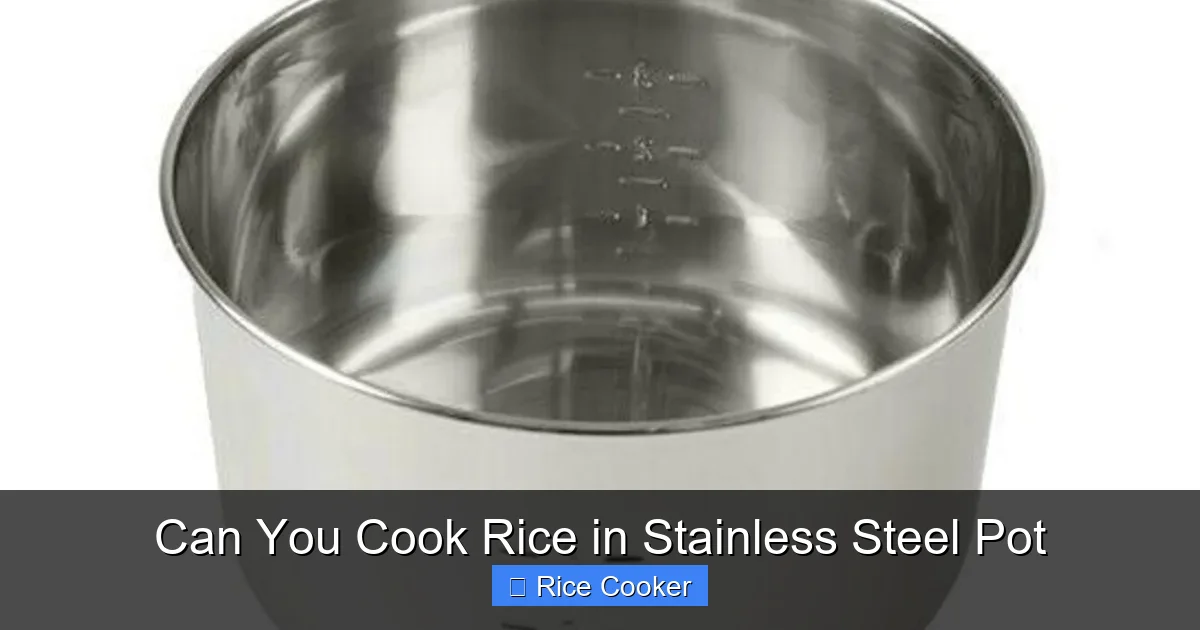
Visual guide about Can You Cook Rice in Stainless Steel Pot
Image source: storables.com
How Stainless Steel Affects Heat Distribution
Stainless steel is known for its excellent thermal conductivity when combined with an aluminum or copper core. This means heat spreads evenly across the bottom of the pot, reducing hot spots where rice might burn. However, unlike cast iron, stainless steel doesn’t retain heat as long once removed from the flame. So timing and temperature control become critical.
Why Water Ratio Matters More Than Ever
In non-stick pans, excess water tends to evaporate quickly due to better surface interaction. But in stainless steel, especially if the lid isn’t sealed tightly, some water may escape as steam. That’s why precise measurement matters—too much water leads to soggy rice; too little leaves it undercooked and hard.
Choosing the Right Stainless Steel Pot
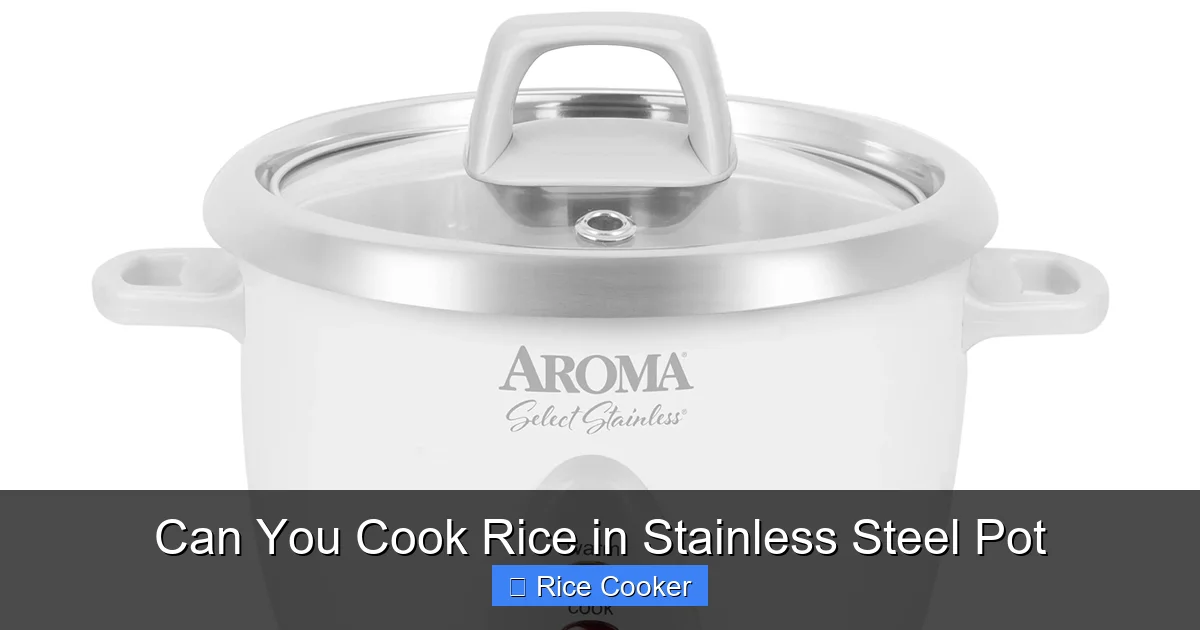
Not all stainless steel pots are created equal when it comes to cooking rice. Here’s what to look for:
Visual guide about Can You Cook Rice in Stainless Steel Pot
Image source: m.media-amazon.com
- Heavy-bottom design: Prevents warping and ensures even heating.
- Tight-fitting lid: Retains steam and keeps rice moist during simmering.
- At least 4–5 quarts capacity: Gives room to stir and expand without overflowing.
- Tri-ply construction: Offers superior heat distribution and durability.
For beginners, a 16-cup (4-quart) stainless steel stockpot with a domed lid works beautifully. Brands like All-Clad, Cuisinart, and T-fal offer reliable options under $50.
Step-by-Step: How to Cook Perfect Rice in a Stainless Steel Pot
Follow these tried-and-tested steps for foolproof results every time.
Step 1: Rinse Your Rice
Rinsing removes excess starch, which causes clumping. Place your rice in a fine-mesh strainer and rinse under cold water until the water runs clear. For short-grain varieties like sushi rice, this step is especially important.
Step 2: Measure Accurately
Use a dry measuring cup and level off the rice. A standard ratio is 1 cup uncooked rice to 2 cups water for long-grain rice like basmati or jasmine. Short-grain rice may need slightly less water—try 1:1.75. Always check package instructions first.
Step 3: Bring to a Boil
Add rinsed rice and water to your stainless steel pot. Turn the heat to high and bring to a rolling boil. Stir once or twice to prevent sticking.
Step 4: Reduce Heat and Simmer
Once boiling, reduce heat to low, cover with a tight-fitting lid, and let simmer for 15–18 minutes (adjust based on rice type). Avoid lifting the lid—this releases precious steam!
Step 5: Rest and Fluff
Turn off the heat and let the rice rest, covered, for 5–10 minutes. Then fluff gently with a fork. This allows residual steam to finish cooking the grains evenly.
Common Mistakes and How to Avoid Them
Even experienced cooks make these errors when using stainless steel for rice.
Mistake #1: Not Using Enough Water
This is the #1 cause of undercooked rice. If your rice tastes gritty or chewy, increase water next time by ¼ cup increments until texture improves.
Mistake #2: Stirring Constantly During Simmer
Stirring breaks apart grains and lets steam escape. Only stir once at the beginning unless rice starts sticking badly—then add a splash of water.
Mistake #3: Skipping the Resting Phase
Rushing this step leads to uneven texture. Patience pays off—trust the process!
Tips for Different Types of Rice
Each rice variety has unique characteristics. Adjust your method accordingly.
Basmati and Jasmine (Long-Grain)
These aromatic rices benefit from rinsing and a 1:1.8 water ratio. They’re light and separate well—ideal for curries or salads.
Sushi Rice (Short-Grain)
Higher starch content means it sticks together more. Use 1:1.25 water and don’t overcook—it should remain slightly firm.
Brown Rice
Requires longer soaking (30 minutes) and more water (1:2.25). Expect a chewier texture but richer flavor.
Wild or Black Rice
Cooks faster than brown rice. Try 1:2.5 water and reduce simmer time by 5 minutes.
Enhance Your Rice with Flavor Infusions
Take your rice from plain to extraordinary with these easy upgrades:
- Vegetable broth instead of water: Adds depth and nutrients.
- Aromatics like garlic, onion, or bay leaf: Steep them while boiling, then remove before serving.
- Olive oil or butter at the start: Prevents sticking and enriches taste.
- Herbs or citrus zest during resting: Infuses subtle fragrance without overpowering.
Maintaining Your Stainless Steel Pot
To keep your pot performing well for years:
- Clean immediately after use with warm, soapy water—avoid abrasive scrubbers.
- For burnt-on residue, soak in hot water with baking soda before scrubbing.
- Store lids separately to prevent warping.
- Never leave rice sitting in the pot overnight—it attracts bacteria.
When to Consider a Dedicated Rice Cooker
While stainless steel pots work great, rice cookers automate the process with sensors that detect doneness. They’re ideal if you cook rice daily or prefer hands-off cooking. But for occasional batches or budget-conscious cooks, mastering the pot method saves money and builds kitchen confidence.
Final Thoughts: Yes, You Can Do It!
Cooking rice in a stainless steel pot isn’t just possible—it’s rewarding. With practice, you’ll develop a feel for timing, water levels, and heat adjustment. Plus, you’ll appreciate the versatility of your cookware beyond just boiling pasta or making sauces.
Remember: consistency beats perfection. Even seasoned chefs have days when rice isn’t flawless. The goal is progress, not perfection. Once you nail the basics, you’ll reach for your stainless steel pot every time you crave a warm, comforting bowl of rice.
Now go ahead—grab that pot, measure your ingredients, and enjoy the satisfaction of homemade perfectly cooked rice!
Frequently Asked Questions
Is it better to cook rice in stainless steel or non-stick?
Stainless steel distributes heat evenly and lasts longer, but requires more monitoring to avoid scorching. Non-stick pans make cleanup easier but can degrade over time. Both work well if used properly.
Do I need to soak rice before cooking?
Soaking isn’t required but helps reduce cooking time and improve texture, especially for short-grain or wild rice. Long-grain varieties like basmati benefit less from soaking.
Can I reuse leftover rice?
Yes, but cool it quickly after cooking and store in an airtight container. Reheat gently with a splash of water to restore moisture. Avoid reheating more than once.
What if my rice is too sticky?
It’s likely due to excess starch or insufficient rinsing. Next time, rinse longer or reduce water slightly. Fluffing thoroughly after resting also separates grains.
How do I prevent rice from burning in stainless steel?
Use medium-high heat only during boiling phase, then switch to low. Stir occasionally, ensure adequate water, and never skip the resting period.
Can I cook rice in a stainless steel saucepan instead of a stockpot?
Only if it’s wide and deep enough to hold 1–2 cups of rice without overcrowding. Stockpots provide more stable heat and better steam retention, making them ideal.