
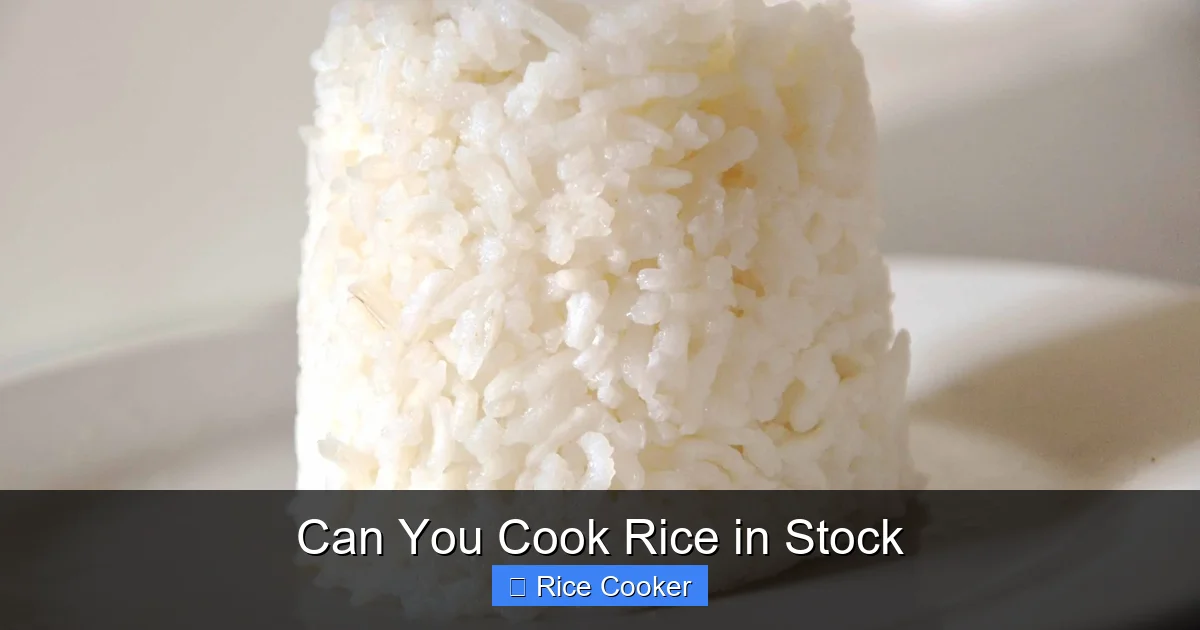
Can you cook rice in stock? Absolutely! Using broth instead of water adds depth and nutrients to your dish, whether you’re making jasmine rice, brown rice, or even quinoa. The key is balancing the liquid ratio and adjusting cooking time slightly to avoid mushy or undercooked grains. With a few simple tweaks, you’ll transform plain rice into a flavorful, restaurant-quality side or base for soups, stews, and grain bowls.
Cooking rice in stock isn’t just possible—it’s a game-changer for home cooks who want to build layers of flavor into every bowl. Imagine serving a plate of fluffy jasmine rice that tastes like a slow-simmered chicken bone broth, or golden-brown arborio grains that melt into creamy risotto with hints of thyme and mushrooms. This technique transforms a humble staple into something extraordinary, whether you’re preparing a family dinner or impressing guests at a potluck.
The idea of using stock instead of water might sound risky—after all, rice is notoriously finicky about moisture levels—but when done right, cooking rice in stock delivers a richer, more aromatic result. It’s especially popular in Asian cuisine, where rice is often steamed over a pot of simmering broth (like in Chinese congee or Korean bibimbap), and in European traditions like Italian risotto or Spanish paella. Even if you’re not aiming for a full-blown risotto, swapping water for stock can take your everyday side dish from bland to bold.
In this comprehensive guide, we’ll walk through everything you need to know—from choosing the right stock and adjusting cooking times to troubleshooting common pitfalls. Whether you’re using a stovetop pan, an electric rice cooker, or a slow cooker, we’ve got practical tips to help you master this flavor-packed method. Let’s dive in!
Key Takeaways
- Rice absorbs more flavor when cooked in stock: Broth infuses each grain with savory notes from herbs, bones, or vegetables, elevating your dish beyond plain steamed rice.
- Adjust liquid ratios carefully: Stock behaves like water but has varying saltiness and thickness; use 1:1.25 rice-to-liquid for most types, and taste-test as you go.
- Cooking time may vary: Dense grains like brown rice absorb slower than white rice, so monitor closely to prevent overcooking or sticking.
- Choose the right stock: Use low-sodium, homemade, or high-quality store-bought stock—avoid overly salty or heavily seasoned broths unless you want intense flavor.
- Consider rice type: Jasmine, basmati, sushi, and arborio rice all respond well to stock, but short-grain sticky rice works best in savory dishes like risotto or bibimbap.
- Enhance texture with fat: A spoonful of butter, oil, or rendered fat in the stock adds richness and prevents dryness, especially important for long-cooking grains.
- Use a rice cooker for consistency: Most modern rice cookers handle stock beautifully—just add the broth before starting the cycle and avoid opening the lid mid-way.
📑 Table of Contents
Why Cook Rice in Stock?
Before we get into the “how,” let’s talk about the “why.” Cooking rice in stock does more than just add a hint of flavor—it fundamentally changes the character of the dish. When rice absorbs liquid during cooking, it soaks up not only water but also dissolved compounds from the stock: amino acids from bones, minerals from vegetables, and aromatic oils from herbs and spices.
This infusion creates a more complex flavor profile that enhances the entire meal. For example, cooking brown rice in vegetable stock made with carrots, celery, and garlic gives each bite a subtle sweetness and earthiness that pairs beautifully with roasted vegetables or lentils. Similarly, using chicken stock for jasmine rice brings out nutty undertones and complements proteins like grilled chicken or tofu.
Beyond flavor, cooking rice in stock can boost nutritional value. Bone broths, in particular, are rich in collagen, gelatin, and minerals like calcium and magnesium—nutrients often lost when using plain water. Even vegetarian stocks packed with mushrooms, seaweed, or miso can provide umami depth and trace vitamins. This makes rice cooked in stock not just tastier, but potentially more nourishing.
Additionally, using stock reduces food waste. Instead of discarding leftover broth or saving it for soup later, why not put it to work enriching your grains? It’s a small step toward zero-waste cooking that pays off in both flavor and sustainability.
Choosing the Right Type of Stock
Not all stocks are created equal—and using the wrong one can throw off your rice’s texture or overwhelm its delicate flavor. The ideal stock should complement, not dominate, the rice. Here’s how to pick wisely:
Homemade vs. Store-Bought
Homemade stocks offer maximum control over ingredients and salt content. You can simmer bones for hours to extract collagen (great for sticky or chewy textures), or use vegetable scraps for a light, herbal note. However, they require time and effort.
Store-bought stocks are convenient, but read labels carefully. Avoid brands with added MSG, excessive sodium, or artificial flavors. Look for “no salt added” or “low sodium” options, especially if you’re sensitive to salt or cooking for others with dietary restrictions. Some premium brands (like Pacific Foods or Kettle & Fire) offer high-quality, minimally processed options worth trying.
Salt Content Matters
One of the biggest challenges when cooking rice in stock is avoiding oversalting. Since rice absorbs liquid slowly at first and then rapidly near the end, adding extra salt after cooking won’t fix it. Instead, start with a neutral or low-sodium stock and adjust seasoning later if needed.
If your stock is too salty, you can dilute it with water or unsalted stock, though this may reduce flavor intensity. Alternatively, rinse cooked rice briefly under cold water to remove surface salt—though this works best with short-grain varieties like sushi rice.
Flavor Profile Pairings
Match your stock to your main ingredient for harmony:
- Chicken stock: Perfect with jasmine or basmati rice, especially in stir-fries or Asian-style bowls.
- Vegetable stock: Ideal for wild rice, barley, or mixed grain dishes; pairs well with roasted veggies or beans.
- Beef or mushroom stock: Rich and savory—great for pilafs or stuffing; best with long-grain rice like basmati or converted rice.
- Dashi (Japanese dashi): Essential for sushi rice or miso-based dishes; use kombu and bonito flakes for authentic flavor.
- Tomato or red wine stock: Excellent for Spanish-style rice or Mediterranean grain salads.
Avoid strongly flavored stocks like curry-heavy broths or heavily smoked versions unless you’re intentionally building a bold dish. When in doubt, start mild and taste as you go.
How Much Stock Do You Need?
Getting the liquid ratio right is critical. Unlike water, stock doesn’t behave identically—it can be thicker due to gelatin from bones or diluted if made with too much water. Plus, different rice types absorb varying amounts of liquid.
As a general rule, use **1 part rice to 1.25 parts liquid** for most varieties. That means:
- For 1 cup uncooked white rice, use 1¼ cups stock.
- For 1 cup uncooked brown rice, use 1½ cups stock (it needs more liquid due to its bran layer).
However, always refer to your rice package instructions as a baseline. Some brands recommend higher ratios for extra fluffiness. If you’re unsure, start with slightly less liquid than the recipe suggests—you can always add more during cooking if needed.
Another tip: if your stock is very rich or gelatinous (like bone broth), consider reducing it slightly by simmering it beforehand to concentrate flavor and thicken the liquid. This prevents your rice from becoming gluey.
Step-by-Step Guide: Cooking Rice in Stock
Ready to try it yourself? Follow these steps for foolproof results:
1. Rinse Your Rice (Optional)
While not always necessary, rinsing removes excess starch and dust—especially helpful with sticky grains like sushi or glutinous rice. Place rice in a fine-mesh strainer and rinse under cool water until it runs clear. Drain well before measuring.
2. Measure and Combine
In a saucepan or rice cooker insert, combine rinsed rice and measured stock. Add a pinch of salt if desired (remember, stock may already contain it). Stir once gently to distribute liquid evenly.
3. Bring to a Boil
On medium-high heat, bring the mixture to a rolling boil. Cover immediately and reduce heat to low. Let it simmer gently—do not lift the lid!
4. Cook Until Tender
Cook time varies:
- White rice (e.g., jasmine, basmati): 18–20 minutes
- Brown rice: 35–40 minutes
- Short-grain (e.g., arborio, sushi): 20–25 minutes
- Wild rice: 45–60 minutes
Check doneness by fluffing the top with a fork—the rice should be tender with no hard kernels. If it’s still firm, cover and cook for 5 more minutes.
5. Rest and Fluff
Turn off the heat and let the rice sit, covered, for 5–10 minutes. This allows residual steam to finish cooking the grains evenly and firms up the texture. Then fluff gently with a fork before serving.
6. Season as Desired
Taste your rice. If it needs more salt or seasoning, mix in a pat of butter, a drizzle of olive oil, or fresh herbs right before serving. This final touch prevents over-seasoning while boosting creaminess and aroma.
Using a Rice Cooker with Stock
Modern rice cookers make this process incredibly easy—and consistent. Most models automatically detect when the rice is done, eliminating guesswork.
To cook rice in stock using a rice cooker:
- Add rinsed rice and measured stock to the inner pot.
- Close the lid and select the appropriate setting (“White Rice,” “Brown Rice,” etc.).
- Avoid pressing “Cancel” or opening the lid during cooking—this disrupts temperature control.
- Once the cycle ends, wait 5–10 minutes before lifting the lid to fluff.
Many high-end models (like Zojirushi or Instant Pot) have a “Broth Mode” or allow manual liquid input—check your manual for specifics. Always clean the inner pot thoroughly after use, as stock residues can stick more than water.
Pro tip: Line the pot with parchment paper or lightly grease it with oil to prevent sticking, especially with starchy rice like arborio or sushi variety.
Troubleshooting Common Issues
Even experienced cooks run into hiccups now and then. Here’s how to solve the most frequent problems:
Mushy or Sticky Rice
This usually happens when too much liquid is used or cooking time is too long. To fix it:
- Drain excess liquid using a colander if salvageable.
- Spread cooked rice on a tray, let it cool, then break apart clumps.
- Reheat in a dry skillet over low heat with a splash of water to revive texture.
Undercooked or Gummy Centers
Caused by insufficient absorption or low heat. Solutions:
- Add a small amount of hot water (not cold!) and re-cover.
- Simmer longer on low, checking every 5 minutes.
- Never stir constantly—it releases starch and causes gumminess.
Overly Salty Result
Start with low-sodium stock and taste mid-cooking if possible. If too salty after cooking, rinse briefly (for non-starchy rice) or serve with a neutral side to balance it out.
Rice Sticks to the Bottom
Ensure your pan has enough fat (butter, oil, or broth) and that you stir occasionally at the beginning. Nonstick pans work best for beginners.
Creative Ways to Use Stock-Cooked Rice
Once you’ve mastered the basics, the possibilities expand. Here are some inspired ideas:
Grain Bowls
Build a colorful bowl with roasted sweet potatoes, chickpeas, kale, avocado, and a tahini-lemon dressing. Top with rice cooked in miso-ginger stock for an Asian twist.
Risotto Variations
Use arborio rice and warm stock gradually, stirring frequently. Finish with Parmesan, truffle oil, or sautéed mushrooms for a luxurious meal.
Stuffed Peppers or Cabbage Rolls
Fill bell peppers with a mix of ground turkey, rice, onions, and tomato stock. Bake until tender and bubbly.
Congee (Asian Porridge)
Simmer jasmine rice in chicken stock for 1–2 hours until it breaks down into a creamy porridge. Serve with ginger, scallions, and soy sauce.
Fried Rice Upgrade
Use leftover stock-cooked rice (chilled overnight works best) stir-fried with eggs, peas, carrots, and soy sauce for restaurant-quality fried rice.
Stuffing and Dressing
Replace water with apple cider or vegetable stock when making Thanksgiving stuffing for deeper flavor and moisture.
Final Thoughts
Cooking rice in stock is more than a shortcut—it’s a flavor-forward technique that turns simple ingredients into something special. Whether you’re looking to reduce waste, enhance nutrition, or simply make dinner more exciting, this method fits seamlessly into any kitchen routine.
With practice, you’ll develop a feel for adjusting ratios, recognizing doneness, and pairing stocks to your heart’s content. And remember: there’s no such thing as a perfect first attempt. Every batch teaches you something new—whether it’s how your favorite brand of stock behaves or how long your rice cooker really takes to finish.
So go ahead—pour that leftover broth into your next pot of rice. Your taste buds (and maybe even your bones) will thank you.
Frequently Asked Questions
Can you substitute water for stock when cooking rice?
Yes, water works fine for basic rice, but stock adds flavor and nutrients. If you don’t have stock, you can enhance plain water with a pinch of salt, herbs, or a pat of butter for similar depth.
Does cooking rice in stock change the cooking time?
Generally, no—stock behaves like water, so cooking times remain similar. However, denser grains like brown rice may take slightly longer due to their structure. Always check doneness near the end of cooking.
Is it safe to cook rice in expired or old stock?
Only if the stock still smells fresh and hasn’t developed off odors. Expired stock can harbor bacteria; when in doubt, use fresh or refrigerate within two days of making.
Can I freeze rice cooked in stock?
Absolutely! Cool completely, portion into containers, and freeze for up to three months. Reheat with a splash of water or broth to restore moisture.
What’s the difference between cooking rice in stock vs. boiling it in stock?
There’s little practical difference—both involve submerging rice in liquid and heating until absorbed. The term “cooking” covers both methods, though steaming over simmering stock (like in congee) uses indirect heat.
Can I use bouillon cubes instead of stock?
Yes, but dilute according to package directions and adjust salt carefully—bouillon is often highly concentrated. For best results, use real stock whenever possible.