
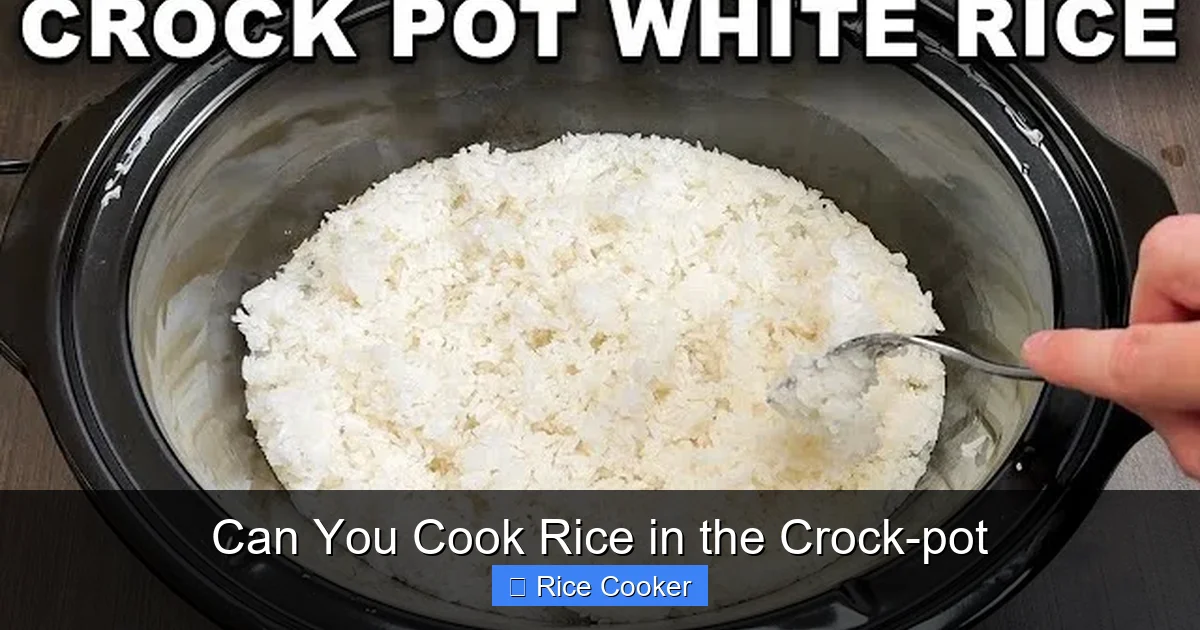
You absolutely can cook rice in the crock-pot—and it’s easier than you think! With the right ratio of water to rice and a little patience, your slow cooker can produce tender, fluffy grains every time. Whether you’re meal-prepping or making a comforting one-pot meal, this method saves time and effort. Plus, it frees up your stovetop for other dishes. In this complete guide, we’ll walk you through everything from basic white rice to delicious grain blends, including pro tips and common mistakes to avoid. Get ready to turn your crock-pot into a rice-making machine!
Key Takeaways
- Yes, crock-pots work great for cooking rice. Using the low setting and proper water-to-rice ratio ensures even cooking without drying out the grains.
- The ideal ratio is 2:1 (water to rice). For example, 2 cups water per 1 cup uncooked rice works for most varieties like white or jasmine.
- Don’t stir while cooking. Stirring breaks apart the grains and can lead to mushy results—just let the slow cooker do its job.
- Natural release after cooking helps. Let the pressure release naturally for 10–15 minutes before opening the lid to prevent overflow.
- Add-ins like broth, spices, or vegetables enhance flavor. Swap plain water for chicken broth or toss in carrots and peas for a full meal.
- Cooking times vary by setting. Low settings typically take 60–90 minutes; high settings may take 45–60 minutes—always check doneness.
- Cleanup is simple with removable liners. Use a non-stick crock-pot liner or line the insert with parchment paper for easy removal.
Quick Answers to Common Questions
Can you cook rice in a crock-pot without it turning mushy?
Yes, by using the correct water-to-rice ratio (2:1), rinsing the rice beforehand, and avoiding stirring during cooking. Letting it rest after cooking also helps maintain texture.
How long does it take to cook rice in a crock-pot on low?
On the LOW setting, white rice typically takes 60–90 minutes. Brown rice may need 90–120 minutes due to its tougher outer layer.
What happens if you put too much water in crock-pot rice?
Too much water leads to soggy, soupy rice. Always stick to the 2:1 ratio, and drain excess liquid if needed after cooking.
Can I add vegetables or meat to crock-pot rice?
Absolutely! Add diced carrots, peas, or shredded chicken during the last hour of cooking to prevent overcooking. Broth-based liquids enhance flavor.
Is it better to cook rice on high or low in a slow cooker?
LOW is generally better for rice—it provides gentler, more consistent heat, reducing the risk of burning or uneven cooking. HIGH is faster but less reliable.
📑 Table of Contents
- Can You Cook Rice in the Crock-Pot?
- Why Use a Crock-Pot for Rice?
- Choosing the Right Type of Rice
- Step-by-Step Guide: How to Cook Rice in a Crock-Pot
- Creative Recipes Using Crock-Pot Rice
- Troubleshooting Common Issues
- Comparing Crock-Pot vs. Rice Cooker vs. Stovetop
- Frequently Asked Questions About Cooking Rice in the Crock-Pot
- Final Thoughts
Can You Cook Rice in the Crock-Pot?
Let’s face it—rice is one of those kitchen staples that feels almost magical when it turns out perfectly: light, fluffy, and ready to soak up sauces or stand proudly on its own. But what if you’re short on time, your stove is occupied, or you just want to set it and forget it? Enter the humble crock-pot.
Many people assume that because rice needs constant attention on the stovetop—stirring occasionally, watching for steam holes, adjusting heat—it’s not suitable for slow cooking. But here’s the truth: you absolutely can cook rice in the crock-pot, and doing so opens up a world of possibilities for hands-off meals, meal prep, and even creative flavor combos.
In this comprehensive guide, we’ll walk you through every step of making rice in your slow cooker—from understanding why it works to troubleshooting common issues. We’ll also share pro-tips, recipe ideas, and even compare different rice types so you get exactly what you need every single time.
Why Use a Crock-Pot for Rice?
If you’ve ever used a rice cooker before, you might be wondering: why use a crock-pot at all? After all, aren’t they basically the same thing?
Visual guide about Can You Cook Rice in the Crock-pot
Image source: theanthonykitchen.com
Not quite. While both appliances cook rice using steam and heat, their mechanisms differ significantly. A traditional rice cooker uses precise temperature control and automatic shutoff once the water evaporates—ideal for perfectly fluffy results every time. The crock-pot, on the other hand, relies on gentle, consistent heat over hours, which means more hands-off cooking but slightly less predictability.
But don’t dismiss the crock-pot just yet! Its real strength lies in versatility. Want to add beans, diced tomatoes, or shredded chicken to your rice? No problem. Need to cook a big batch for leftovers? The large capacity of most crock-pots makes that easy too. And let’s be honest—sometimes you just want to plug in your appliance and go about your day without hovering over the pot.
Plus, many modern crock-pots come with programmable timers, meaning you can have dinner ready exactly when you walk in the door—even if you didn’t start cooking until noon!
Benefits of Cooking Rice in a Slow Cooker
- Hands-free convenience: Set it and forget it—no babysitting required.
- Flavor infusion: Liquid-based cooking allows herbs, garlic, or broth to infuse the rice with deep taste.
- Energy efficiency: Uses less electricity than keeping a stove burner on for an extended period.
- Multi-tasking friendly: Free up your kitchen space while other dishes simmer or roast.
Choosing the Right Type of Rice
Not all rice is created equal—and not all will behave the same way in your crock-pot. Here’s a quick rundown of popular varieties and how they perform:
Visual guide about Can You Cook Rice in the Crock-pot
Image source: eatingonadime.com
White Rice
This is probably the most forgiving type for slow cooking. Short-grain or medium-grain white rice tends to stay tender and doesn’t turn into glue-like paste if slightly undercooked. Jasmine and basmati can also work well, though they may become softer than usual due to prolonged moisture exposure.
Brown Rice
Brown rice takes longer to cook because of its bran layer, which acts as a barrier to moisture absorption. To succeed with brown rice in a crock-pot, increase the liquid ratio to 2.5:1 (water to rice) and consider soaking the rice overnight to soften the outer layers.
Wild Rice & Long-Grain Blends
These are trickier. Wild rice has a unique texture that can become gummy if overcooked. It’s best used in small quantities mixed with another rice variety. For long-grain wild rice blends, stick to the 2:1 ratio but expect a chewier result—which some actually prefer!
Instant Rice
While technically possible, instant rice isn’t recommended for crock-pots since it’s already pre-cooked and puffed. Adding it to liquid will likely result in clumpy, unappetizing lumps.
Step-by-Step Guide: How to Cook Rice in a Crock-Pot
Ready to try it yourself? Follow these simple steps for foolproof results:
What You’ll Need
- 1 cup uncooked rice (white recommended)
- 2 cups water (or broth for extra flavor)
- Crock-pot or slow cooker
- Measuring cups
- Ladle or spatula (for final fluffing)
Instructions
- Rinse the rice: Place rice in a fine-mesh strainer and rinse under cold water until the water runs clear. This removes excess starch and prevents gumminess.
- Add ingredients to the crock-pot: Transfer rinsed rice and liquid to the insert. Avoid filling beyond halfway—rice expands as it cooks.
- Cook on LOW for 60–90 minutes. Cover with lid; do not lift during cooking.
- Check doneness: After 60 minutes, open the lid and peek. If there’s still water, replace the lid and cook 10–15 minutes more. The rice should be tender with no hard centers.
- Let it rest: Turn off the heat and let sit covered for 10 minutes. This allows residual steam to finish cooking the rice evenly.
- Fluff and serve: Use a fork to gently break up any clumps. Serve immediately!
Pro Tips for Success
- Use a non-stick crock-pot insert or line it with parchment paper to prevent sticking.
- Never stir during cooking—this releases trapped steam and disrupts texture.
- Measure carefully: Too much water = soupy rice; too little = dry, chalky grains.
- For fluffy results: After resting, gently fold in a pat of butter or a splash of olive oil for richness.
Creative Recipes Using Crock-Pot Rice
Rice in the crock-pot isn’t just for plain white bowls. Think outside the box and turn your slow cooker into a flavorful kitchen powerhouse!
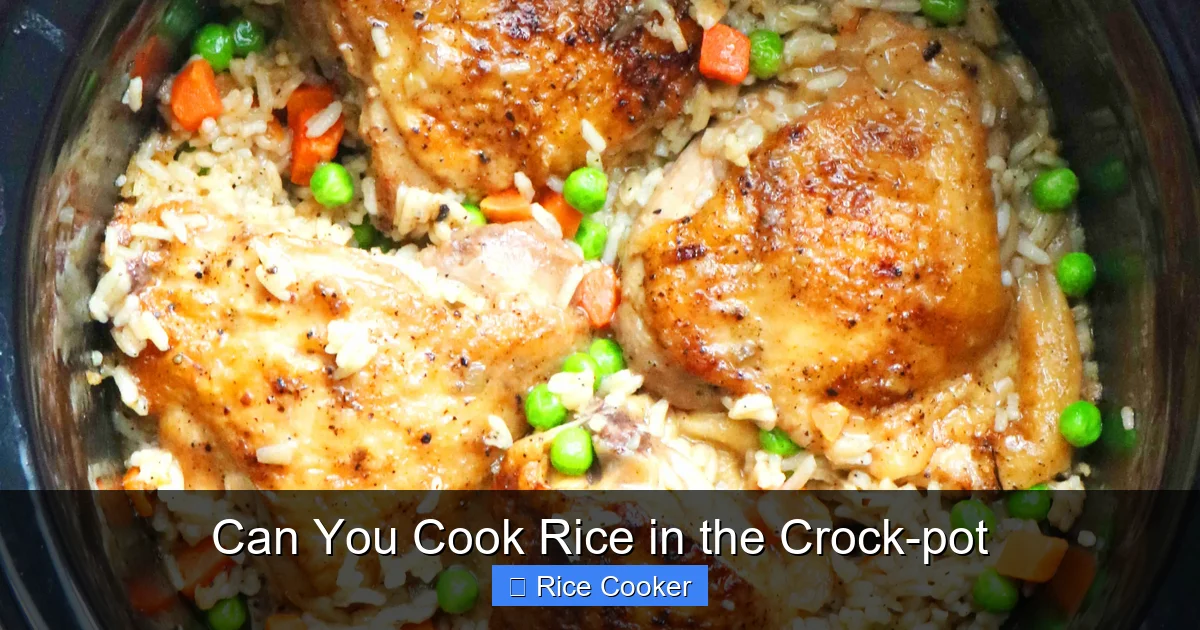
Garlic Herb Chicken & Rice Bowl
Makes 4 servings | Prep time: 10 minutes | Cook time: 75 minutes
- 1 lb boneless chicken thighs, cut into chunks
- 1 cup long-grain white rice
- 2 cups chicken broth
- 3 cloves garlic, minced
- 1 tsp dried thyme
- 1 bay leaf
- Salt and pepper to taste
Instructions: Combine all ingredients in the crock-pot. Cook on LOW for 75 minutes. Remove bay leaf before serving. Garnish with fresh parsley.
Southwest Black Bean & Corn Rice
Makes 6 servings | Prep time: 15 minutes | Cook time: 80 minutes
- 2 cups cooked black beans (or 1 can, drained)
- 1 cup rice
- 2 cups vegetable broth
- 1 cup frozen corn
- 1 red bell pepper, diced
- 1 tsp cumin
- Juice of 1 lime
Instructions: Mix everything except lime juice in the crock-pot. Cook on LOW for 80 minutes. Stir in lime juice before serving. Top with avocado or cilantro.
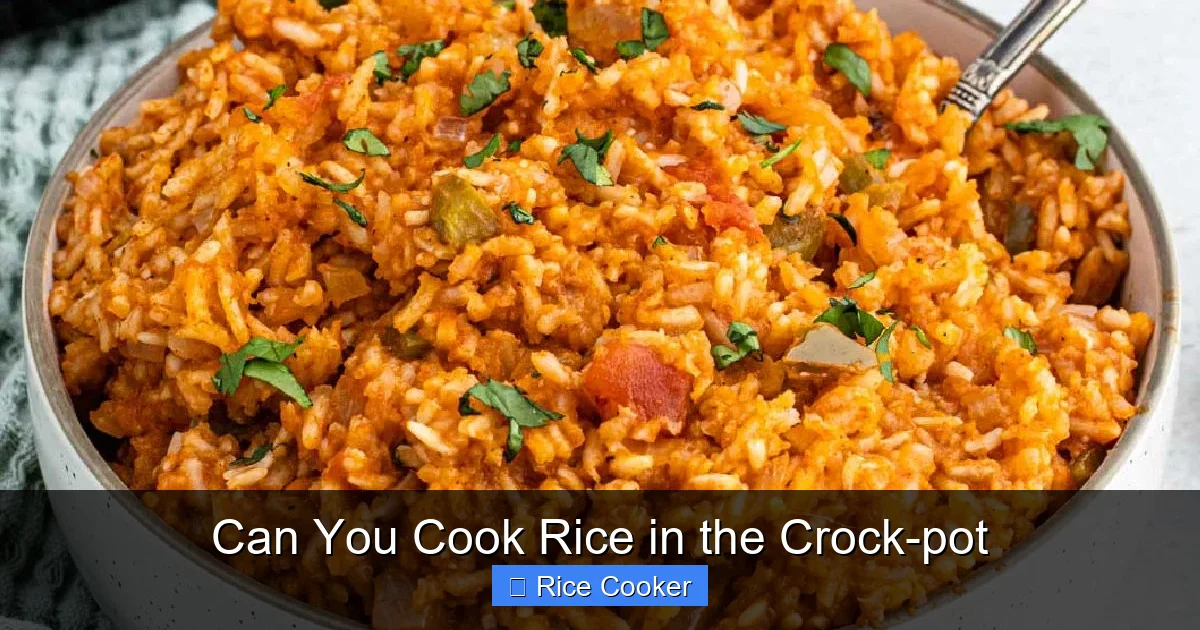
One-Pot Jambalaya
Makes 8 servings | Prep time: 20 minutes | Cook time: 90 minutes
- 1 lb smoked sausage, sliced
- 1 onion, chopped
- 2 celery stalks, diced
- 1 green bell pepper, diced
- 2 cups rice
- 4 cups chicken broth
- 2 tsp Cajun seasoning
Instructions: Brown sausage in a skillet first (optional but adds flavor). Layer veggies, rice, sausage, and broth in the crock-pot. Season with Cajun spice. Cook on LOW for 90 minutes. Stir before serving.
Troubleshooting Common Issues
Even experienced cooks run into hiccups now and then. Here’s how to fix the most frequent problems:
Rice Is Too Dry
If your rice came out hard or crumbly, you likely didn’t use enough liquid. Next time, try increasing the water to 2.5 cups per 1 cup rice. Also ensure your crock-pot wasn’t set too hot—stick to LOW unless your manual says otherwise.
Rice Is Sticky or Gummy
This usually happens when the rice isn’t rinsed properly or is stirred during cooking. Always rinse before adding to liquid, and resist the urge to mix it once cooking begins. Overcooking can also cause stickiness—keep an eye on it after 60 minutes.
Water Doesn’t Evaporate
If there’s still a lot of water after cooking, it could mean your lid isn’t sealing well or your crock-pot retains too much moisture. Try placing a clean kitchen towel over the lid (not covering the vent) to absorb excess steam. Alternatively, transfer cooked rice to a baking sheet and broil briefly to evaporate moisture.
Rice Burns at the Bottom
This suggests scorching. Always use a non-stick insert or parchment lining. Also, make sure the bottom layer consists mostly of liquid—rice shouldn’t be directly touching the metal surface.
Comparing Crock-Pot vs. Rice Cooker vs. Stovetop
So which method is best? Here’s a quick comparison:
| Method | Best For | Pros | Cons |
|---|---|---|---|
| Crock-Pot | Hands-off meals, flavor infusion, multi-ingredient dishes | Convenient, versatile, great for stews/bowls | Less precise timing, risk of overcooking |
| Rice Cooker | Perfect fluffy rice every time | Automated, consistent results, compact | Limited to rice-based recipes |
| Stovetop | Great for beginners, immediate results | Requires monitoring, uses more energy |
Frequently Asked Questions About Cooking Rice in the Crock-Pot
Still have questions? We’ve got answers!
How much water do I use per cup of rice in a crock-pot?
Use 2 cups of water for every 1 cup of uncooked white rice. For brown rice, increase to 2.5 cups. Always rinse the rice first to remove excess starch.
Can I cook brown rice in a slow cooker?
Yes, but it requires more liquid and longer cooking time. Soak brown rice overnight if possible, and cook on LOW for 90–120 minutes with a 2.5:1 water-to-ratio.
Do I need to add oil or butter?
Not necessarily. The liquid provides enough moisture. However, adding a pat of butter or splash of oil after cooking enhances flavor and prevents sticking.
Can I make sushi rice in a crock-pot?
It’s possible, but sushi rice has specific texture requirements. Since crock-pots tend to make rice softer, results may not match traditional sushi standards. Use it for fried rice instead!
Is it safe to leave rice in the crock-pot all day?
Generally yes—as long as it reaches safe internal temperatures (>165°F/74°C). But for best quality and safety, consume within 4–6 hours. Don’t let it sit longer than 2 hours at room temperature.
Can I cook frozen rice in the crock-pot?
No. Frozen rice has been pre-cooked and will become mushy or clumpy when reheated in liquid. Always use uncooked rice.
What’s the difference between cooking on HIGH vs. LOW?
LOW takes longer (60–90 mins), resulting in more even cooking and less risk of burning. HIGH finishes faster (45–60 mins) but may require closer attention. Most recipes recommend LOW for rice.
Can I cook rice and beans together in the crock-pot?
Absolutely! Just increase liquid slightly (to 2.5 cups per cup of rice) and add soaked or canned beans halfway through cooking to prevent them from breaking apart.
Will my crock-pot rice overflow?
Overflow is rare if you follow the 2:1 ratio and don’t fill past halfway. If it does happen, reduce liquid next time or place a clean towel over the lid to absorb steam.
Can I double the recipe?
Yes—but double both rice and liquid. Ensure the crock-pot isn’t overfilled. Stirring isn’t necessary, but check doneness toward the end since larger batches may need extra time.
How do I store leftover crock-pot rice?
Cool completely, then transfer to an airtight container. Refrigerate for up to 5 days or freeze for 3 months. Reheat with a splash of water or milk to restore moisture.
Can I use milk instead of water?
Yes! Milk adds creaminess and richness—great for risottos or rice puddings. Use 2 cups milk per 1 cup rice, and reduce cooking time slightly since milk boils faster.
What if my rice is still crunchy in the middle?
Let it rest covered for 10–15 more minutes. Crunchiness often means uneven heat distribution—next time, try stirring the rice gently after 30 minutes (though this isn’t ideal for fluffiness).
Final Thoughts
Cooking rice in the crock-pot isn’t just possible—it’s a game-changer for busy families, meal prep enthusiasts, and anyone who loves the “set-it-and-forget-it” approach to cooking. While it may not deliver the pinpoint precision of a dedicated rice cooker, it offers unmatched flexibility and flavor depth that shines in one-pot meals like jambalaya, burrito bowls, or creamy herb risotto.
Remember: success comes down to basics—proper ratios, patience, and avoiding common pitfalls like stirring or under-rinsing. Once you master these, you’ll wonder why you ever limited yourself to stovetop-only rice.
So go ahead—grab your crock-pot, measure out your rice, and let science (and slow heat) do the rest. Your future self will thank you for the effortless, delicious meals waiting to be discovered.
Frequently Asked Questions
Can you cook rice in a crock-pot?
Yes, you can cook rice in a crock-pot successfully. Use a 2:1 ratio of water to uncooked rice, cook on LOW for 60–90 minutes, and avoid stirring. Rinsing the rice beforehand helps prevent gumminess. This method works best for white rice, though brown rice requires more liquid and longer cooking time.
What is the best rice to cook in a slow cooker?
Short-grain or medium-grain white rice, such as jasmine or regular long-grain rice, performs best in a crock-pot. These varieties absorb water evenly and remain tender without becoming mushy. Brown rice is possible but needs a higher liquid ratio (2.5:1) and longer cooking time.
How much water do I need for 1 cup of rice in a crock-pot?
Use 2 cups of water for every 1 cup of uncooked white rice. For brown rice, increase to 2.5 cups. Always rinse the rice first to remove excess starch, which can cause stickiness.
Do you have to rinse rice before cooking it in a crock-pot?
Yes, rinsing is highly recommended. Place rice in a fine-mesh strainer and rinse under cold water until the water runs clear. This removes surface starch that can lead to clumping and a gummy texture.
Can you cook brown rice in a crock-pot?
Yes, but it requires adjustments. Use 2.5 cups of water per 1 cup of brown rice and cook on LOW for 90–120 minutes. Soaking the rice overnight improves texture by softening the bran layer.
How do you keep rice from getting sticky in a slow cooker?
To prevent stickiness, always rinse the rice before cooking, avoid stirring during cooking, and ensure you’re using the right water ratio. A non-stick crock-pot insert or parchment lining also helps. Let the rice rest covered for 10 minutes after cooking to allow steam to distribute evenly.