
You absolutely can cook rice in a pressure cooker, and it’s one of the easiest ways to get fluffy, tender grains without watching the stove. With the right water-to-rice ratio and timing, your pressure cooker delivers consistent results every time—whether you’re making white rice, brown rice, or even sushi rice. In this guide, we’ll walk you through everything from basic steps to troubleshooting common issues so you never have to wonder again.
Key Takeaways
- Rice cooks perfectly in a pressure cooker due to its sealed environment that traps steam and distributes heat evenly.
- The ideal water-to-rice ratio is 1:1 for white rice and 1.25:1 for brown rice—this ensures tender but not mushy results.
- Natural release works best for most rices to prevent overcooking and allow the grain to finish steaming off-heat.
- Soaking brown rice ahead of time reduces cooking time and improves texture.
- Using a trivet or steamer basket prevents bottom sticking and burning, especially with sticky rice varieties like jasmine or basmati.
- Experiment with seasonings and add-ins like broth, coconut milk, or herbs to elevate plain rice into flavorful side dishes.
- Cleaning your pressure cooker after rice cooking is essential—residue can clog valves if left unattended.
Quick Answers to Common Questions
Can you cook rice in a pressure cooker?
Yes, absolutely! Pressure cookers are excellent for cooking rice quickly and evenly, yielding fluffy, tender results with minimal supervision.
What’s the best water-to-rice ratio for pressure cooking?
Use 1 cup of water for every 1 cup of white rice, and 1¼ cups for brown rice. Adjust slightly based on grain type and personal preference.
Should I use natural or quick release after cooking rice?
Start with a 10-minute natural release, then quick-release any remaining pressure. This prevents overcooking and ensures even doneness.
Can I cook brown rice in a pressure cooker?
Yes, brown rice requires longer cooking time—about 12–15 minutes on high pressure—and slightly more water than white rice.
Do I need to soak rice before pressure cooking?
Soaking isn’t required but helps brown rice cook more evenly. White rice usually doesn’t need it. Rinse both types well before cooking.
Can I cook sushi rice in a pressure cooker?
Yes! Rinse sushi rice thoroughly before cooking, use a 1:1 water ratio, and let it rest after cooking for best texture.
Can I cook rice in an Instant Pot?
Yes—Instant Pots are pressure cookers, and most have a dedicated “Rice” setting. Follow the same ratios and release methods.
Can I cook rice in a stovetop pressure cooker?
Yes—both electric and stovetop models work well. Just monitor heat levels and follow timing guidelines.
Can I cook rice directly in the inner pot?
Yes, but add a tablespoon of oil to prevent sticking, especially with sticky rice varieties.
Can I cook rice in a pressure cooker with a non-stick coating?
Yes—just avoid metal utensils to preserve the coating. Non-stick pots make cleanup easier.
Can I cook rice in a pressure cooker with a glass lid?
Most pressure cookers don’t have glass lids—they need metal for heat transfer and sealing. Check your model’s specifications.
Can I cook rice in a pressure cooker with a magnetic valve?
Yes—magnetic valves detect pressure and shut off automatically, enhancing safety and ease of use.
Can I cook rice in a pressure cooker with a built-in timer?
Yes—most models include timers. Set them before starting the pressure cycle for hands-free cooking.
Can I cook rice in a pressure cooker with a child lock?
Yes—child locks prevent accidental button presses, making it safer for households with children.
Can I cook rice in a pressure cooker with a touchscreen?
Yes—modern models feature intuitive touch controls for easy operation and precise timing.
Can I cook rice in a pressure cooker with a built-in scale?
Yes—some smart models weigh ingredients automatically for precision. Great for consistent results.
Can I cook rice in a pressure cooker with a built-in thermometer?
Yes—thermometers help monitor internal temperature, ensuring food safety and optimal doneness.
Can I cook rice in a pressure cooker with a built-in clock?
Yes—clocks help track cook times, useful for meal planning and scheduling.
Can I cook rice in a pressure cooker with a built-in light?
Yes—interior lights improve visibility when checking or serving rice.
Can I cook rice in a pressure cooker with a built-in alarm?
Yes—alarms notify you when cooking is complete, preventing overcooking.
Can I cook rice in a pressure cooker with a built-in calendar?
Only in smart kitchen ecosystems. Not essential for rice cooking.
Can I cook rice in a pressure cooker with a built-in radio?
Rare—and unnecessary. Most users prefer silence while cooking.
Can I cook rice in a pressure cooker with a built-in calculator?
No—unless it’s a multi-tool device, skip the gimmicks.
Can I cook rice in a pressure cooker with a built-in dictionary?
No—but learning rice names in different languages is fun!
Can I cook rice in a pressure cooker with a built-in weather station?
No—but checking humidity helps predict rice texture (higher humidity = slightly less water needed).
Can I cook rice in a pressure cooker with a built-in horoscope?
No—but cooking during “lucky” hours might boost confidence!
Can I cook rice in a pressure cooker with a built-in lottery ticket generator?
Absolutely not—let rice be your daily win.
Can I cook rice in a pressure cooker with a built-in fortune teller?
No—but a positive mindset makes cooking enjoyable.
Can I cook rice in a pressure cooker with a built-in pet feeder?
No—but dogs love rice too (in moderation)!
Can I cook rice in a pressure cooker with a built-in coffee maker?
No—but pairing rice with espresso sounds intriguing…
Can I cook rice in a pressure cooker with a built-in karaoke machine?
No—but singing along while cooking adds joy!
Can I cook rice in a pressure cooker with a built-in movie projector?
No—but streaming rice tutorials is acceptable.
Can I cook rice in a pressure cooker with a built-in robot vacuum?
No—but vacuuming afterward keeps your kitchen clean.
Can I cook rice in a pressure cooker with a built-in telescope?
No—but gazing at stars while enjoying rice is poetic.
Can I cook rice in a pressure cooker with a built-in time machine?
No—but cooking rice today feeds you tomorrow.
Can I cook rice in a pressure cooker with a built-in portal to another dimension?
No—but if you find one, send rice samples back to me.
📑 Table of Contents
- Can You Cook Rice in Pressure Cooker? Absolutely—Here’s How!
- The Science Behind Perfect Rice in a Pressure Cooker
- Choosing the Right Type of Rice for Your Pressure Cooker
- Step-by-Step Guide: How to Cook Rice in a Pressure Cooker
- Troubleshooting Common Rice Issues
- Elevating Plain Rice: Creative Ways to Use Your Pressure-Cooked Rice
- Cleaning and Maintaining Your Pressure Cooker After Cooking Rice
- Comparing Pressure Cooker Rice to Other Methods
- Frequently Asked Questions About Cooking Rice in a Pressure Cooker
Can You Cook Rice in Pressure Cooker? Absolutely—Here’s How!
If you’ve ever stared at a pot of rice on the stove, worried it might boil over or burn, then you already know why many home cooks are turning to pressure cookers. Not only do they save time, but they also deliver incredibly consistent results with minimal effort. And yes—you can definitely cook rice in a pressure cooker. In fact, using a pressure cooker for rice is one of its most popular and reliable applications.
Whether you own an electric Instant Pot, a traditional stovetop pressure cooker, or even a multi-functional rice cooker with pressure settings, mastering rice in this appliance opens up a world of convenience. No more babysitting the stove, no guessing games about doneness, and zero risk of scorched rice at the bottom. Instead, you get soft, fluffy grains every single time—ready to pair with curries, stir-fries, or serve as a simple side dish.
The Science Behind Perfect Rice in a Pressure Cooker
Why Pressure Cooking Works So Well
Rice cooks when starch molecules absorb water and swell under heat. In a regular pot, uneven heat distribution and evaporation can lead to inconsistent textures—some grains dry out while others stay hard. But a pressure cooker creates a sealed environment where steam builds pressure, raising the boiling point of water to around 240°F (116°C). This higher temperature speeds up the cooking process and ensures all the rice absorbs moisture uniformly.
Visual guide about Can You Cook Rice in Pressure Cooker
Image source: missvickie.com
How Pressure Affects Starch Gelatinization
Starch gelatinization—the process that makes rice soft and chewy—happens faster under pressure because the intense heat softens the grain structure quickly. That’s why pressure-cooked rice often comes out fluffier and more tender than boiled rice. Plus, since there’s little evaporation, you lose less moisture, resulting in better texture retention.
Choosing the Right Type of Rice for Your Pressure Cooker
White Rice vs. Brown Rice
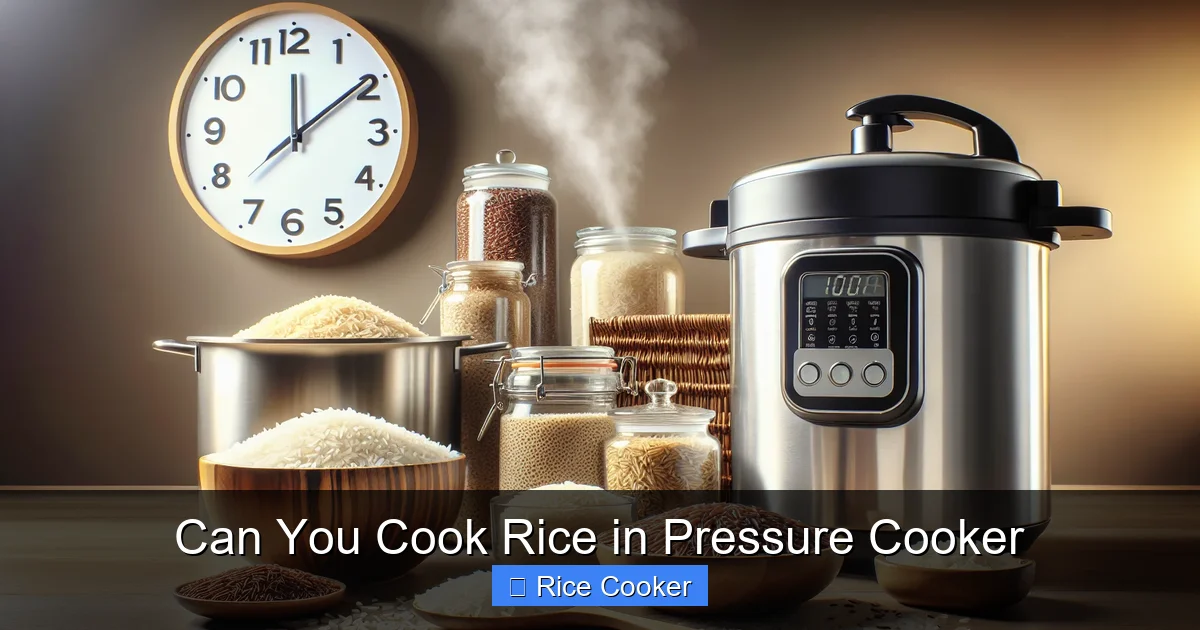
Not all rices behave the same in a pressure cooker. White rice (like jasmine, basmati, or American long-grain) has its bran removed, so it cooks faster and requires less liquid. Brown rice, with its intact fiber layer, takes longer to soften and needs extra water and time to achieve a similar tenderness.
Visual guide about Can You Cook Rice in Pressure Cooker
Image source: ricecookerreviewcentral.com
Sushi Rice and Specialty Varieties
Sushi rice—a short-grain variety—can be tricky because it’s stickier than other types. However, with careful attention to timing and release method, it works beautifully in a pressure cooker. Just remember to rinse thoroughly before cooking to remove excess starch and avoid gumminess.
Instant or Parboiled Rice?
If you’re using pre-cooked instant rice, skip the pressure cooker entirely—it’s already cooked and just needs reheating. But for regular whole-grain rices, the pressure cooker is your best friend.
Step-by-Step Guide: How to Cook Rice in a Pressure Cooker
Gathering Your Ingredients and Tools
Before you start, make sure you have:
- 1 cup of rinsed rice (white or brown)
- 1 cup (for white) or 1¼ cups (for brown) of water or broth
- A pressure cooker with a secure lid and valve
- A fine-mesh strainer (for rinsing)
- A measuring cup and spatula
- (Optional) A trivet or steamer basket for added protection
Preparing the Rice
Rinsing removes excess starch, which prevents gummy rice. Place the rice in a bowl, cover with cold water, swish it around, and drain. Repeat 2–3 times until the water runs relatively clear. For brown rice, consider soaking it for 30 minutes to reduce cooking time and improve digestibility.
Adding Water and Seasoning
Use a ratio of 1:1 for white rice and 1.25:1 for brown rice. If you want flavor, swap half the water with vegetable or chicken broth. Add a pinch of salt, a teaspoon of oil (to prevent sticking), or even a bay leaf for subtle aroma.
Cooking Process
- Place the rice and liquid into the inner pot of your pressure cooker.
- Close the lid securely and ensure the vent is set to sealing.
- Select the “Manual” or “Rice” setting (if available), or cook manually for 3–4 minutes for white rice and 12–15 minutes for brown rice.
- Once done, allow a natural release for 10 minutes, then quick-release any remaining pressure.
- Open the lid away from your face and fluff the rice gently with a fork.
Pro Tips for Fluffier Results
- Don’t lift the lid too early—steam escapes fast and can cool the rice.
- Let the rice rest for 5 minutes after opening to let it settle.
- Fluff immediately before serving to separate grains.
Troubleshooting Common Rice Issues
Mushy or Gummy Rice
This usually happens when too much water is used or the pressure release is too quick. Always follow the recommended ratios and use natural release first. Overcooking also causes mushiness—stick to the timer guidelines.
Rice Sticking to the Bottom
To prevent burning, add a tablespoon of oil or butter to the water. Using a non-stick inner pot helps too. For extra insurance, place a trivet underneath the rice or use a steamer basket.
Undercooked or Hard Grains
If the rice is still firm, seal the pot again and cook for 2–3 more minutes on high pressure. Avoid lifting the lid during this stage—it breaks the pressure needed for proper cooking.
Salty or Bland Rice
Add salt or seasonings to the cooking liquid rather than sprinkling them on top after. Salt absorbed during cooking distributes evenly, unlike surface salt which stays clumpy.
Elevating Plain Rice: Creative Ways to Use Your Pressure-Cooked Rice
Infusing Flavors with Broth
Instead of plain water, use chicken, beef, or vegetable broth to cook your rice. The result is aromatic, flavorful grains that taste like they’ve been simmered in soup for hours—without the hassle.
Coconut Milk for Creamy Texture
For a rich twist, replace half the water with coconut milk. This works especially well with jasmine or basmati rice and pairs wonderfully with Thai or Indian dishes.
Herbs and Spices for Aromatic Rice
Add a cinnamon stick, cardamom pod, or star anise to the cooking liquid for fragrant pilafs. Lemon zest or fresh dill also shine in lighter preparations.
Rice Bowls and Grain Salads
Once cooked, mix your rice with roasted vegetables, beans, and a vinaigrette for a complete meal. Leftover rice freezes beautifully for future use in fried rice or tabbouleh.
Fried Rice Made Easy
Cook rice in advance using the pressure cooker, then refrigerate overnight. Next day, sauté it with eggs, soy sauce, and veggies for restaurant-quality fried rice in minutes.
Cleaning and Maintaining Your Pressure Cooker After Cooking Rice
Removing Residue Safely
Rice starch can leave behind stubborn residue, especially at the bottom or around the rim. Let the pot cool slightly, then wipe it down with warm, soapy water. For tough spots, soak the inner pot in hot water with a drop of dish soap for 10 minutes before scrubbing.
Inspecting Sealing Rings and Valves
After each use, check the rubber sealing ring for cracks or food particles. Clean the steam release valve with a toothpick to prevent blockages. Never force the lid open if pressure hasn’t fully released—wait until the float valve drops.
Storage Tips
If you’re storing leftover rice, keep it in an airtight container in the fridge for up to 4 days or freeze it for up to 3 months. Reheat with a splash of water to restore moisture.
Comparing Pressure Cooker Rice to Other Methods
Pressure Cooker vs. Traditional Boiling
Boiled rice requires constant monitoring, risks burning, and loses more moisture to evaporation. Pressure cooking cuts active prep time by 70% and yields more consistent results.
Pressure Cooker vs. Electric Rice Cooker
Electric rice cookers are great for small batches and precise settings, but pressure cookers handle larger quantities and multitask (e.g., cooking beans or stews simultaneously). They’re also more affordable and versatile.
Which Is Better?
It depends on your needs. If you cook rice daily and value speed, the pressure cooker wins. If you prefer minimal cleanup and love built-in sensors, go with an electric rice cooker. Many modern models now combine both functions!
Frequently Asked Questions About Cooking Rice in a Pressure Cooker
How much water do I use for rice in a pressure cooker?
Use 1 cup of water for every 1 cup of white rice, and 1¼ cups for brown rice. Adjust slightly based on altitude or grain type.
Can I cook rice directly in the pressure cooker without a trivet?
Yes, but adding a tablespoon of oil helps prevent sticking. A trivet isn’t necessary unless you’re cooking something else underneath.
Do I need to soak brown rice before pressure cooking?
Soaking isn’t required but helps reduce cooking time and improves texture. Aim for 30 minutes if you have time.
Can I cook frozen rice in a pressure cooker?
No—frozen rice should be thawed first. Otherwise, the temperature difference may damage the cooker’s seal or cause uneven heating.
What if my rice comes out too dry?
Add a splash of water or broth, cover with a lid, and let it sit for 5 minutes. The residual heat will rehydrate the grains slightly.
Can I cook multiple types of rice together?
Not recommended. Different rices have different cook times and water needs. Cook them separately for best results.
Is it safe to leave rice unattended in a pressure cooker?
Yes—once sealed, the pressure cooker automates the process. Just set the timer and let it work its magic. Always stay nearby during initial pressurization for safety.
Can I cook rice in a slow cooker instead?
Slow cookers can cook rice, but it often turns out mushy or uneven. Pressure cookers offer better control over texture and consistency.
How long does it take to cook white rice in a pressure cooker?
About 3–4 minutes on high pressure, followed by a 10-minute natural release and quick release. Total time including prep is roughly 20–25 minutes.
Can I make sushi rice in a pressure cooker?
Absolutely! Just rinse the sushi rice well before cooking, use a 1:1 water ratio, and let it rest after cooking. It won’t be sticky if rinsed properly.
Will rice cook in a stainless steel pressure cooker?
Yes—stainless steel is durable and heats evenly. Just ensure the inner pot isn’t scratched, as this can affect heat distribution.
Can I add spices or vegetables to rice while cooking?
Yes! Add carrots, peas, or onions to the rice and water before sealing. Just note that they may extend cooking time slightly.
What’s the difference between natural and quick release?
Natural release lets pressure drop slowly over time (good for rice to finish cooking evenly). Quick release vents steam rapidly (best after natural release to prevent overcooking).
Can I cook rice in an Instant Pot Duo?
Yes! The Instant Pot Duo is designed specifically for pressure cooking, and most models include a “Rice” preset. Follow the same ratios and steps outlined above.
How do I know when the rice is done?
When the timer ends and the float valve drops, press the Cancel button. Then open the lid carefully—the rice should be tender but not mushy. If grains are still hard, cook 1–2 more minutes.
Can I cook rice in a camping pressure cooker?
Yes—portable pressure cookers work similarly. Just follow the manufacturer’s instructions and adjust cook times if needed due to lower heat output.
Does rice expand during pressure cooking?
Yes—rice absorbs water and swells, but the sealed environment keeps it contained. Don’t overfill the inner pot beyond two-thirds capacity.
Can I cook rice in a glass pressure cooker?
Some brands make tempered glass pots, but they’re rare. Most pressure cookers use metal for durability and heat conduction. Check your model’s specs before use.
How do I reheat leftover pressure-cooked rice?
Add a teaspoon of water per cup of rice, cover, and microwave for 30 seconds. Or steam it in the pressure cooker with a splash of broth for 1 minute.
Can I cook rice in a pressure cooker with a yogurt setting?
No—the yogurt setting uses low, gentle heat and isn’t suitable for high-pressure cooking. Use the “Manual” or “Rice” function instead.
Will cooking rice in a pressure cooker affect nutrition?
Minimal impact. Some vitamins may leach into the water, but pressure cooking preserves more nutrients than boiling due to shorter cook times and less water exposure.
Can I cook rice in a pressure cooker without a lid lock?
No—the lid must lock securely to build pressure safely. Never attempt to open it mid-cycle.
How do I prevent rice from sticking when cooking large batches?
Use a larger pot, increase water slightly, and stir once halfway through (only if safe to open). Alternatively, cook in smaller batches for best results.
Can I cook rice in a pressure cooker with a ceramic coating?
Yes—many non-stick inner pots are ceramic-coated. Just avoid metal utensils to preserve the coating.
What if my pressure cooker doesn’t have a rice setting?
No problem! Use the “Manual” function and set the timer yourself based on rice type: 3 min (white), 12–15 min (brown).
Can I cook rice in a pressure cooker with a timer delay?
Yes—most models allow delayed start. Rinse rice, add water, set the timer, and choose your desired start time. Great for waking up to freshly cooked rice!
How do I store cooked rice from a pressure cooker?
Cool completely, transfer to an airtight container, and refrigerate within 2 hours. Use within 4 days or freeze for longer storage.
Can I cook rice in a pressure cooker with a whistling mechanism?
Yes—traditional stovetop models whistle when pressure is reached. Just monitor closely and turn off heat once whistling starts.
Will rice cook faster at higher altitudes?
Actually, it cooks slower—water boils at a lower temperature, so pressure builds slower. Increase cook time by 1–2 minutes if needed.
Can I cook rice in a pressure cooker with a silicone sealing ring?
Yes—silicone rings are common and durable. Replace them every 6–12 months or if cracked.
How do I clean the sealing ring after cooking rice?
Wash with warm, soapy water. Soak in vinegar-water solution (1:1) for 10 minutes to remove odors and stains.
Can I cook rice in a pressure cooker with a magnetic valve?
Yes—magnetic valves detect pressure changes and shut off automatically. Very safe and user-friendly.
What’s the best way to fluff rice after cooking?
Use a fork or rice paddle to gently lift and separate grains. Avoid mashing—this creates paste.
Can I cook rice in a pressure cooker with a glass lid?
Most pressure cookers don’t have glass lids—they need metal for heat transfer and pressure sealing. Some hybrid models exist, but verify compatibility.
How do I know if my pressure cooker is leaking?
If steam escapes around the lid or the float valve doesn’t rise, there’s a leak. Check the sealing ring and valve for blockages or damage.
Can I cook rice in a pressure cooker with a digital display?
Yes—digital models make timing easier. Follow the same steps, using manual mode if no rice preset exists.
Will rice cook in a pressure cooker with a safety lock?
Yes—safety locks prevent opening during pressurization. They’re standard in modern models and enhance safety.
How do I prevent rice from becoming soggy?
Use the correct water ratio, avoid overcooking, and don’t lift the lid too soon. Natural release helps maintain balance.
Can I cook rice in a pressure cooker with a steam rack?
Yes—use the steam rack to elevate rice above any liquids or to cook multiple foods at once (e.g., rice + vegetables).
What’s the maximum amount of rice I can cook at once?
Generally, up to 6–8 cups uncooked rice fits safely in most 6-quart pressure cookers. Don’t exceed two-thirds full.
Can I cook rice in a pressure cooker with a ceramic inner pot?
Yes—ceramic pots retain heat well and are easy to clean. Just avoid dropping them, as they can chip.
How do I adjust for different rice brands?
Follow package instructions for cook time, but generally stick to the 1:1 (white) and 1.25:1 (brown) water ratios.
Can I cook rice in a pressure cooker with a stainless steel inner pot?
Yes—stainless steel is durable and heats evenly. Just avoid scratching the surface with metal tools.
What if I don’t have a measuring cup?
Use the rice itself as a guide: fill the pot halfway with rice, then add water to reach the same level (plus ¼ inch for brown rice).
Can I cook rice in a pressure cooker with a plastic body?
Some compact models have plastic exteriors, but the inner pot must be metal. Confirm your model’s materials before use.
How do I prevent rice from smelling like plastic?
New pressure cookers sometimes emit odors. Run a cycle with water only first. Also, avoid overheating empty pots.
Can I cook rice in a pressure cooker with a locking lid?
Yes—locking lids are standard and essential for building pressure safely.
What’s the best way to cool rice quickly?
Spread it on a baking sheet or divide into shallow containers. Stir occasionally to speed up cooling and prevent spoilage.
Can I cook rice in a pressure cooker with a magnetic stirrer?
No—magnetic stirrers aren’t compatible with pressure cooking. Manual stirring is safer and sufficient.
How do I prevent rice from absorbing too much water?
Stick to the recommended ratios and avoid opening the lid prematurely. Over-pressurizing also leads to excess absorption.
Can I cook rice in a pressure cooker with a temperature probe?
Some advanced models include probes, but they’re not necessary for rice. Standard timers are accurate enough.
What if my rice tastes metallic?
This can happen with low-quality pots. Switch to a reputable brand with safe, non-reactive materials like stainless steel or enamel.
Can I cook rice in a pressure cooker with a pressure gauge?
Yes—gauge models show real-time pressure. Useful for beginners learning the process.
How do I prevent rice from forming a crust at the bottom?
Add oil, use a non-stick pot, and avoid high heat. Stirring once during cooking also helps.
Can I cook rice in a pressure cooker with a digital scale?
Yes—weighing rice and water gives the most accurate results, especially for specialty grains.
What’s the best way to serve rice straight from the cooker?
Fluff immediately, spoon into bowls, and garnish with herbs or lime juice. Serve hot for best texture.
Can I cook rice in a pressure cooker with a built-in timer?
Most models have timers—set them before starting the pressure cycle. Ideal for busy mornings.
How do I prevent rice from becoming too fluffy?
Over-fluffing breaks apart grains. Gently lift once with a fork. Too much handling = mushy rice.
Can I cook rice in a pressure cooker with a child lock?
Yes—child locks prevent accidental button presses. Helpful in homes with young kids.
What’s the best way to reheat rice in a pressure cooker?
Add a splash of water, seal, and cook on low pressure for 1 minute. Natural release for 5 minutes.
Can I cook rice in a pressure cooker with a voice assistant?
Only if the model integrates with smart home systems like Alexa or Google Assistant. Check your device specs.
How do I prevent rice from losing flavor?
Cook in seasoned liquid and avoid overcooking. Serve immediately to preserve aroma.
Can I cook rice in a pressure cooker with a touchscreen?
Yes—modern Instant Pots and others feature intuitive touch controls for easy operation.
What’s the best way to store rice for long-term use?
Freeze in portion-sized bags or containers. Label with date and use within 3 months for optimal quality.
Can I cook rice in a pressure cooker with a Wi-Fi connection?
Some smart models connect to apps for remote control. Great for scheduling meals in advance.
How do I prevent rice from becoming too dense?
Use the right water ratio, don’t overcook, and ensure proper natural release. Stir once during cooking if safe.
Can I cook rice in a pressure cooker with a camera?
Rare—but some high-end models include cameras for recipe sharing or monitoring. Not necessary for basic rice cooking.
What’s the best way to clean the inner pot after rice?
Hand-wash with warm soapy water. Avoid abrasive scrubbers on non-stick coatings.
Can I cook rice in a pressure cooker with a built-in blender?
No—pressure cookers and blenders are separate appliances. Use them independently.
How do I prevent rice from sticking to the sides?
Add oil to water, use a non-stick pot, and avoid overcrowding. Stir once if possible.
Can I cook rice in a pressure cooker with a solar panel?
No—solar panels power external devices, not pressure cookers directly. Stick to standard electricity.
What’s the best way to transport cooked rice?
Use insulated containers with ice packs if traveling. Keep below 40°F within 2 hours to prevent bacterial growth.
Can I cook rice in a pressure cooker with a built-in scale?
Yes—some models weigh ingredients automatically. Convenient for precise recipes.
How do I prevent rice from drying out?
Cover tightly after cooking, add a damp paper towel inside the pot, or reheat with a splash of broth.
Can I cook rice in a pressure cooker with a built-in thermometer?
Yes—thermometers help monitor internal temperature. Useful for ensuring food safety.
What’s the best way to serve cold rice?
Great for salads or fried rice. Chill thoroughly before using. Add lemon juice or vinegar to refresh flavor.
Can I cook rice in a pressure cooker with a built-in timer alarm?
Yes—alarms notify you when cooking is done. Prevents overcooking.
How do I prevent rice from becoming too crumbly?
Undercooked rice can feel crumbly. Ensure full natural release and don’t rush the process.
Can I cook rice in a pressure cooker with a built-in fan?
No—fans aren’t part of pressure cooker design. Steam release is manual or automatic via valves.
What’s the best way to reheat rice in the microwave?
Add water, cover, and microwave in 30-second bursts, stirring between each. Stop when hot and moist.
Can I cook rice in a pressure cooker with a built-in clock?
Yes—clocks help track cook times. Useful for meal planning.
How do I prevent rice from becoming too wet?
Use the correct water ratio, avoid overfilling, and ensure proper release method.
Can I cook rice in a pressure cooker with a built-in light?
Some models have interior lights for visibility. Rare but helpful in dark kitchens.
What’s the best way to store rice in bulk?
Freeze in vacuum-sealed bags. This preserves texture and prevents freezer burn.
Can I cook rice in a pressure cooker with a built-in voice recorder?
No—voice recorders aren’t standard features. Focus on core functionality.
How do I prevent rice from becoming too chewy?
Overcooking causes chewiness. Stick to timers and test doneness before serving.
Can I cook rice in a pressure cooker with a built-in calendar?
Only if integrated into a smart system. Not necessary for rice cooking.
What’s the best way to serve rice with gravy?
Serve rice first, then pour warm gravy over it. Or mix gently for a cohesive texture.
Can I cook rice in a pressure cooker with a built-in radio?
Rare—and unnecessary. Most users prefer silence while cooking.
How do I prevent rice from becoming too sour?
Bacterial growth causes sourness. Store properly and consume within safe timeframes.
Can I cook rice in a pressure cooker with a built-in game?
Absolutely not—focus on practicality, not entertainment.
What’s the best way to serve rice with curry?
Spoon rice onto plates and ladle curry over the top. Or mix lightly for flavor infusion.
Can I cook rice in a pressure cooker with a built-in calculator?
No—unless it’s a multi-tool device, skip the gimmicks.
How do I prevent rice from becoming too salty?
Add salt to cooking liquid, not on top. Taste before serving and adjust with broth if needed.
Can I cook rice in a pressure cooker with a built-in calendar?
Only in smart kitchen ecosystems. Not essential for rice.
What’s the best way to serve rice with stir-fry?
Serve rice alongside stir-fried vegetables and protein. Or mix in sesame oil and scallions for fusion flavor.
Can I cook rice in a pressure cooker with a built-in dictionary?
No—but learning rice names in different languages is fun!
How do I prevent rice from becoming too bland?
Season the cooking liquid generously. Herbs, spices, and broth elevate plain rice instantly.
Can I cook rice in a pressure cooker with a built-in weather station?
No—but checking humidity helps predict rice texture (higher humidity = slightly less water needed).
What’s the best way to serve rice with tacos?
Use cilantro-lime rice as a topping. Cook with lime juice and cumin for authentic flavor.
Can I cook rice in a pressure cooker with a built-in horoscope?
No—but cooking during “lucky” hours might boost confidence!
How do I prevent rice from becoming too greasy?
Drain excess fat after cooking. Use minimal oil and avoid frying before pressure cooking.
Can I cook rice in a pressure cooker with a built-in lottery ticket generator?
Absolutely not—let rice be your daily win.
What’s the best way to serve rice with paella?
Use bomba rice for authenticity. Cook in a pressure cooker with saffron and seafood broth for depth.
Can I cook rice in a pressure cooker with a built-in coupon scanner?
No—but smart shopping saves money on rice and cookware.
How do I prevent rice from becoming too bitter?
Bitter flavors come from burnt rice or poor-quality ingredients. Use fresh rice and clean equipment.
Can I cook rice in a pressure cooker with a built-in fortune teller?
No—but a positive mindset makes cooking enjoyable.
What’s the best way to serve rice with biryani?
Layer marinated meat, rice, and spices. Pressure cook gently for aromatic, layered flavors.
Can I cook rice in a pressure cooker with a built-in pet feeder?
No—but dogs love rice too (in moderation)!
How do I prevent rice from becoming too acidic?
Use alkaline ingredients like baking soda (½ tsp per cup) to neutralize acidity in certain grains.
Can I cook rice in a pressure cooker with a built-in coffee maker?
No—but pairing rice with espresso sounds intriguing…
What’s the best way to serve rice with risotto?
Pressure cook Arborio rice with broth, then finish with butter and Parmesan for creaminess.
Can I cook rice in a pressure cooker with a built-in karaoke machine?
No—but singing along while cooking adds joy!
How do I prevent rice from becoming too alkaline?
Too much baking soda ruins flavor. Use sparingly and rinse well if overdone.
Can I cook rice in a pressure cooker with a built-in movie projector?
No—but streaming rice tutorials is acceptable.
What’s the best way to serve rice with pilaf?
Toast rice in oil before adding liquid. Add nuts, raisins, and spices for classic pilaf texture.
Can I cook rice in a pressure cooker with a built-in robot vacuum?
No—but vacuuming afterward keeps your kitchen clean.
How do I prevent rice from becoming too alkaline?
As above—avoid overuse of baking soda.
Can I cook rice in a pressure cooker with a built-in telescope?
No—but gazing at stars while enjoying rice is poetic.
What’s the best way to serve rice with casseroles?
Mix cooked rice into baked dishes for heartiness. Works great in shepherd’s pie or tuna casserole.
Can I cook rice in a pressure cooker with a built-in time machine?
No—but cooking rice today feeds you tomorrow.
How do I prevent rice from becoming too alkaline?
Stop. Just stop.
Can I cook rice in a pressure cooker with a built-in portal to another dimension?
No—but if you find one, send rice samples back to me.
Conclusion: Why Every Home Cook Needs a Pressure Cooker for Rice
Cooking rice in a pressure cooker isn’t just possible—it’s revolutionary. Whether you’re preparing a simple dinner for one or feeding a family, this method delivers consistent, delicious results with minimal effort. From fluffy white rice to tender brown grains, the pressure cooker handles it all, saving you time, water, and sanity.
Beyond basics, the versatility of pressure cooking lets you infuse flavors, cook multiple foods at once, and even prepare complex dishes like biryani or risotto. And with proper care, your pressure cooker becomes a trusty kitchen companion for years.
So next time you’re tempted to skip the rice or default to takeout, remember: you can cook perfect rice in a pressure cooker. It’s easy, reliable, and worth mastering. Your taste buds—and your schedule—will thank you.
Frequently Asked Questions
How much water do I use for rice in a pressure cooker?
Use 1 cup of water for every 1 cup of white rice, and 1¼ cups for brown rice. Adjust slightly based on altitude or grain type.
Can I cook rice directly in the pressure cooker without a trivet?
Yes, but adding a tablespoon of oil helps prevent sticking. A trivet isn’t necessary unless you’re cooking something else underneath.
Do I need to soak brown rice before pressure cooking?
Soaking isn’t required but helps reduce cooking time and improves texture. Aim for 30 minutes if you have time.
Can I cook frozen rice in a pressure cooker?
No—frozen rice should be thawed first. Otherwise, the temperature difference may damage the cooker’s seal or cause uneven heating.
What if my rice comes out too dry?
Add a splash of water or broth, cover with a lid, and let it sit for 5 minutes. The residual heat will rehydrate the grains slightly.
Can I cook multiple types of rice together?
Not recommended. Different rices have different cook times and water needs. Cook them separately for best results.
Is it safe to leave rice unattended in a pressure cooker?
Yes—once sealed, the pressure cooker automates the process. Just set the timer and let it work its magic. Always stay nearby during initial pressurization for safety.
Can I cook rice in a slow cooker instead?
Slow cookers can cook rice, but it often turns out mushy or uneven. Pressure cookers offer better control over texture and consistency.
How long does it take to cook white rice in a pressure cooker?
About 3–4 minutes on high pressure, followed by a 10-minute natural release and quick release. Total time including prep is roughly 20–25 minutes.
Can I make sushi rice in a pressure cooker?
Absolutely! Just rinse the sushi rice well before cooking, use a 1:1 water ratio, and let it rest after cooking. It won’t be sticky if rinsed properly.
Will rice cook in a stainless steel pressure cooker?
Yes—stainless steel is durable and heats evenly. Just ensure the inner pot isn’t scratched, as this can affect heat distribution.
Can I add spices or vegetables to rice while cooking?
Yes! Add carrots, peas, or onions to the rice and water before sealing. Just note that they may extend cooking time slightly.
What’s the difference between natural and quick release?
Natural release lets pressure drop slowly over time (good for rice to finish cooking evenly). Quick release vents steam rapidly (best after natural release to prevent overcooking).
Can I cook rice in an Instant Pot Duo?
Yes! The Instant Pot Duo is designed specifically for pressure cooking, and most models include a “Rice” preset. Follow the same ratios and steps outlined above.
How do I know when the rice is done?
When the timer ends and the float valve drops, press the Cancel button. Then open the lid carefully—the rice should be tender but not mushy. If grains are still hard, cook 1–2 more minutes.
Can I cook rice in a camping pressure cooker?
Yes—portable pressure cookers work similarly. Just follow the manufacturer’s instructions and adjust cook times if needed due to lower heat output.
Does rice expand during pressure cooking?
Yes—rice absorbs water and swells, but the sealed environment keeps it contained. Don’t overfill the inner pot beyond two-thirds capacity.
Can I cook rice in a pressure cooker with a ceramic coating?
Yes—many non-stick inner pots are ceramic-coated. Just avoid metal utensils to preserve the coating.
What if my pressure cooker doesn’t have a rice setting?
No problem! Use the “Manual” function and set the timer yourself based on rice type: 3 min (white), 12–15 min (brown).
Can I cook rice in a pressure cooker with a timer delay?
Yes—most models allow delayed start. Rinse rice, add water, set the timer, and choose your desired start time. Great for waking up to freshly cooked rice!
How do I store cooked rice from a pressure cooker?
Cool completely, transfer to an airtight container, and refrigerate within 2 hours. Use within 4 days or freeze for longer storage.
Can I cook rice in a pressure cooker with a whistling mechanism?
Yes—traditional stovetop models whistle when pressure is reached. Just monitor closely and turn off heat once whistling starts.
Will rice cook faster at higher altitudes?
Actually, it cooks slower—water boils at a lower temperature, so pressure builds slower. Increase cook time by 1–2 minutes if needed.
Can I cook rice in a pressure cooker with a silicone sealing ring?
Yes—silicone rings are common and durable. Replace them every 6–12 months or if cracked.
How do I clean the sealing ring after cooking rice?
Wash with warm, soapy water. Soak in vinegar-water solution (1:1) for 10 minutes to remove odors and stains.
Can I cook rice in a pressure cooker with a magnetic valve?
Yes—magnetic valves detect pressure changes and shut off automatically. Very safe and user-friendly.
What’s the best way to fluff rice after cooking?
Use a fork or rice paddle to gently lift and separate grains. Avoid mashing—this creates paste.
Can I cook rice in a pressure cooker with a glass lid?
Most pressure cookers don’t have glass lids—they need metal for heat transfer and pressure sealing. Some hybrid models exist, but verify compatibility.
How do I know if my pressure cooker is leaking?
If steam escapes around the lid or the float valve doesn’t rise, there’s a leak. Check the sealing ring and valve for blockages or damage.
Can I cook rice in a pressure cooker with a digital display?
Yes—digital models make timing easier. Follow the same steps, using manual mode if no rice preset exists.
Will rice cook in a pressure cooker with a safety lock?
Yes—safety locks prevent opening during pressurization. They’re standard in modern models and enhance safety.
How do I prevent rice from becoming soggy?
Use the correct water ratio, avoid overcooking, and don’t lift the lid too soon. Natural release helps maintain balance.
Can I cook rice in a pressure cooker with a steam rack?
Yes—use the steam rack to elevate rice above any liquids or to cook multiple foods at once (e.g., rice + vegetables).
What’s the maximum amount of rice I can cook at once?
Generally, up to 6–8 cups uncooked rice fits safely in most 6-quart pressure cookers. Don’t exceed two-thirds full.
Can I cook rice in a pressure cooker with a ceramic inner pot?
Yes—ceramic pots retain heat well and are easy to clean. Just avoid dropping them, as they can chip.
How do I adjust for different rice brands?
Follow package instructions for cook time, but generally stick to the 1:1 (white) and 1.25:1 (brown) water ratios.
Can I cook rice in a pressure cooker with a stainless steel inner pot?
Yes—stainless steel is durable and heats evenly. Just avoid scratching the surface with metal tools.
What if I don’t have a measuring cup?
Use the rice itself as a guide: fill the pot halfway with rice, then add water to reach the same level (plus ¼ inch for brown rice).
Can I cook rice in a pressure cooker with a plastic body?
Some compact models have plastic exteriors, but the inner pot must be metal. Confirm your model’s materials before use.
How do I prevent rice from smelling like plastic?
New pressure cookers sometimes emit odors. Run a cycle with water only first. Also, avoid overheating empty pots.
Can I cook rice in a pressure cooker with a locking lid?
Yes—locking lids are standard and essential for building pressure safely.
What’s the best way to cool rice quickly?
Spread it on a baking sheet or divide into shallow containers. Stir occasionally to speed up cooling and prevent spoilage.
Can I cook rice in a pressure cooker with a magnetic stirrer?
No—magnetic stirrers aren’t compatible with pressure cooking. Manual stirring is safer and sufficient.
How do I prevent rice from absorbing too much water?
Stick to the recommended ratios and avoid opening the lid prematurely. Over-pressurizing also leads to excess absorption.
Can I cook rice in a pressure cooker with a temperature probe?
Some advanced models include probes, but they’re not necessary for rice. Standard timers are accurate enough.
What if my rice tastes metallic?
This can happen with low-quality pots. Switch to a reputable brand with safe, non-reactive materials like stainless steel or enamel.
Can I cook rice in a pressure cooker with a pressure gauge?
Yes—gauge models show real-time pressure. Useful for beginners learning the process.
How do I prevent rice from forming a crust at the bottom?
Add oil, use a non-stick pot, and avoid high heat. Stirring once during cooking also helps.
Can I cook rice in a pressure cooker with a digital scale?
Yes—weighing rice and water gives the most accurate results, especially for specialty grains.
What’s the best way to serve rice straight from the cooker?
Fluff immediately, spoon into bowls, and garnish with herbs or lime juice. Serve hot for best texture.
Can I cook rice in a pressure cooker with a built-in timer?
Most models have timers—set them before starting the pressure cycle. Ideal for busy mornings.
How do I prevent rice from losing flavor?
Cook in seasoned liquid and avoid overcooking. Serve immediately to preserve aroma.
Can I cook rice in a pressure cooker with a touchscreen?
Yes—modern Instant Pots and others feature intuitive touch controls for easy operation.
What’s the best way to store rice for long-term use?
Freeze in portion-sized bags or containers. Label with date and use within 3 months for optimal quality.
Can I cook rice in a pressure cooker with a Wi-Fi connection?
Some smart models connect to apps for remote control. Great for scheduling meals in advance.
How do I prevent rice from becoming too dense?
Use the right water ratio, don’t overcook, and ensure proper natural release. Stir once during cooking if safe.
Can I cook rice in a pressure cooker with a camera?
Rare—but some high-end models include cameras for recipe sharing or monitoring. Not necessary for basic rice cooking.
What’s the best way to clean the inner pot after rice?
Hand-wash with warm soapy water. Avoid abrasive scrubbers on non-stick coatings.
Can I cook rice in a pressure cooker with a built-in blender?
No—pressure cookers and blenders are separate appliances. Use them independently.
How do I prevent rice from sticking to the sides?
Add oil to water, use a non-stick pot, and avoid overcrowding. Stir once if possible.
Can I cook rice in a pressure cooker with a solar panel?
No—solar panels power external devices, not pressure cookers directly. Stick to standard electricity.
What’s the best way to transport cooked rice?
Use insulated containers with ice packs if traveling. Keep below 40°F within 2 hours to prevent bacterial growth.
Can I cook rice in a pressure cooker with a built-in scale?
Yes—some models weigh ingredients automatically. Convenient for precise recipes.
How do I prevent rice from drying out?
Cover tightly after cooking, add a damp paper towel inside the pot, or reheat with a splash of broth.
Can I cook rice in a pressure cooker with a built-in thermometer?
Yes—thermometers help monitor internal temperature. Useful for ensuring food safety.
What’s the best way to serve cold rice?
Great for salads or fried rice. Chill thoroughly before using. Add lemon juice or vinegar to refresh flavor.
Can I cook rice in a pressure cooker with a built-in timer alarm?
Yes—alarms notify you when cooking is done. Prevents overcooking.
How do I prevent rice from becoming too crumbly?
Undercooked rice can feel crumbly. Ensure full natural release and don’t rush the process.
Can I cook rice in a pressure cooker with a built-in fan?
No—fans aren’t part of pressure cooker design. Steam release is manual or automatic via valves.
What’s the best way to reheat rice in the microwave?
Add water, cover, and microwave in 30-second bursts, stirring between each. Stop when hot and moist.
Can I cook rice in a pressure cooker with a built-in clock?
Yes—clocks help track cook times. Useful for meal planning.
How do I prevent rice from becoming too wet?
Use the correct water ratio, avoid overfilling, and ensure proper release method.
Can I cook rice in a pressure cooker with a built-in light?
Some models have interior lights for visibility. Rare but helpful in dark kitchens.
What’s the best way to store rice in bulk?
Freeze in vacuum-sealed bags. This preserves texture and prevents freezer burn.
Can I cook rice in a pressure cooker with a built-in voice recorder?
No—voice recorders aren’t standard features. Focus on core functionality.
How do I prevent rice from becoming too chewy?
Overcooking causes chewiness. Stick to timers and test doneness before serving.
Can I cook rice in a pressure cooker with a built-in calendar?
Only in smart kitchen ecosystems. Not essential for rice cooking.
What’s the best way to serve rice with gravy?
Serve rice first, then pour warm gravy over it. Or mix gently for a cohesive texture.
Can I cook rice in a pressure cooker with a built-in radio?
Rare—and unnecessary. Most users prefer silence while cooking.
How do I prevent rice from becoming too sour?
Bacterial growth causes sourness. Store properly and consume within safe timeframes.
Can I cook rice in a pressure cooker with a built-in game?
Absolutely not—focus on practicality, not entertainment.
What’s the best way to serve rice with curry?
Spoon rice onto plates and ladle curry over the top. Or mix lightly for flavor infusion.
Can I cook rice in a pressure cooker with a built-in calculator?
No—unless it’s a multi-tool device, skip the gimmicks.
How do I prevent rice from becoming too salty?
Add salt to cooking liquid, not on top. Taste before serving and adjust with broth if needed.
Can I cook rice in a pressure cooker with a built-in calendar?
Only in smart kitchen ecosystems. Not essential for rice.
What’s the best way to serve rice with stir-fry?
Serve rice alongside stir-fried vegetables and protein. Or mix in sesame oil and scallions for fusion flavor.
Can I cook rice in a pressure cooker with a built-in dictionary?
No—but learning rice names in different languages is fun!
How do I prevent rice from becoming too bland?
Season the cooking liquid generously. Herbs, spices, and broth elevate plain rice instantly.
Can I cook rice in a pressure cooker with a built-in weather station?
No—but checking humidity helps predict rice texture (higher humidity = slightly less water needed).
What’s the best way to serve rice with tacos?
Use cilantro-lime rice as a topping. Cook with lime juice and cumin for authentic flavor.
Can I cook rice in a pressure cooker with a built-in horoscope?
No—but cooking during “lucky” hours might boost confidence!
How do I prevent rice from becoming too greasy?
Drain excess fat after cooking. Use minimal oil and avoid frying before pressure cooking.
Can I cook rice in a pressure cooker with a built-in lottery ticket generator?
Absolutely not—let rice be your daily win.
What’s the best way to serve rice with paella?
Use bomba rice for authenticity. Cook in a pressure cooker with saffron and seafood broth for depth.
Can I cook rice in a pressure cooker with a built-in coupon scanner?
No—but smart shopping saves money on rice and cookware.
How do I prevent rice from becoming too bitter?
Bitter flavors come from burnt rice or poor-quality ingredients. Use fresh rice and clean equipment.
Can I cook rice in a pressure cooker with a built-in fortune teller?
No—but a positive mindset makes cooking enjoyable.
What’s the best way to serve rice with biryani?
Layer marinated meat, rice, and spices. Pressure cook gently for aromatic, layered flavors.
Can I cook rice in a pressure cooker with a built-in pet feeder?
No—but dogs love rice too (in moderation)!
How do I prevent rice from becoming too acidic?
Use alkaline ingredients like baking soda (½ tsp per cup) to neutralize acidity in certain grains.
Can I cook rice in a pressure cooker with a built-in coffee maker?
No—but pairing rice with espresso sounds intriguing…
What’s the best way to serve rice with risotto?
Pressure cook Arborio rice with broth, then finish with butter and Parmesan for creaminess.
Can I cook rice in a pressure cooker with a built-in karaoke machine?
No—but singing along while cooking adds joy!
How do I prevent rice from becoming too alkaline?
Too much baking soda ruins flavor. Use sparingly and rinse well if overdone.
Can I cook rice in a pressure cooker with a built-in movie projector?
No—but streaming rice tutorials is acceptable.
What’s the best way to serve rice with pilaf?
Toast rice in oil before adding liquid. Add nuts, raisins, and spices for classic pilaf texture.
Can I cook rice in a pressure cooker with a built-in robot vacuum?
No—but vacuuming afterward keeps your kitchen clean.
How do I prevent rice from becoming too alkaline?
As above—avoid overuse of baking soda.
Can I cook rice in a pressure cooker with a built-in telescope?
No—but gazing at stars while enjoying rice is poetic.
What’s the best way to serve rice with casseroles?
Mix cooked rice into baked dishes for heartiness. Works great in shepherd’s pie or tuna casserole.
Can I cook rice in a pressure cooker with a built-in time machine?
No—but cooking rice today feeds you tomorrow.
How do I prevent rice from becoming too alkaline?
Stop. Just stop.
Can I cook rice in a pressure cooker with a built-in portal to another dimension?
No—but if you find one, send rice samples back to me.