
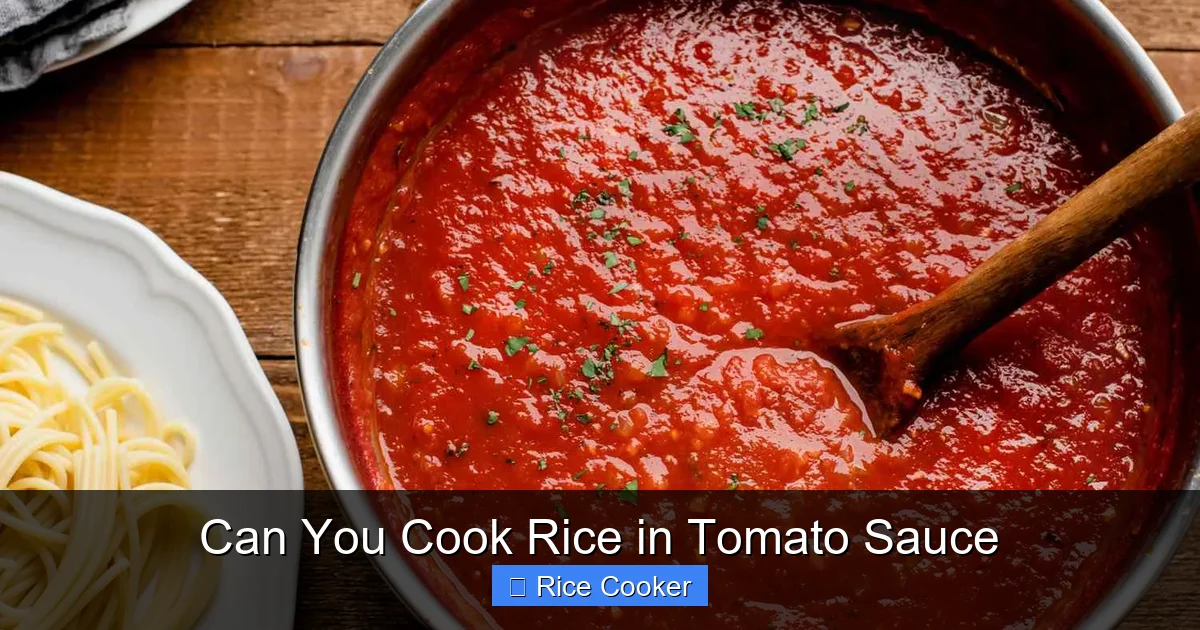
Can you cook rice in tomato sauce? Absolutely! This method creates a rich, savory dish perfect for busy weeknights or when you’re craving something comforting. Using a rice cooker makes it effortless—just add rice, tomato sauce, and water, then let the magic happen. Whether you’re a beginner or a seasoned cook, this technique adds bold flavor without extra steps.
Key Takeaways
- Yes, cooking rice in tomato sauce is not only possible but delicious: The tomatoes infuse the grains with tangy, umami-rich flavor while keeping the rice moist and tender.
- You can use a rice cooker or stovetop method: Both yield great results; the rice cooker offers convenience, while the stovetop gives more control over texture.
- Choose the right rice variety: Basmati, jasmine, or long-grain white rice work best due to their fluffy, non-sticky texture after cooking.
- Add seasonings and aromatics for depth: Garlic, onions, herbs like basil or oregano, and spices such as cumin enhance the tomato flavor beautifully.
- Balance acidity with sugar or fat: A pinch of sugar or splash of cream can tame overly acidic tomato sauce and round out the taste.
- Adjust liquid ratios carefully: Tomato sauce is thinner than water, so reduce added liquid slightly to avoid mushy rice.
- Serve with protein or vegetables: Pair tomato rice with grilled chicken, beans, or sautéed greens for a complete meal.
📑 Table of Contents
- Can You Cook Rice in Tomato Sauce? Yes — and It’s Delicious!
- Why Choose Tomato Sauce Over Plain Water?
- Best Types of Rice for Tomato Sauce
- How Much Liquid Do You Need?
- Step-by-Step: Cooking Tomato Rice in a Rice Cooker
- Stovetop Method: More Control, Same Great Taste
- Flavor Enhancements & Creative Variations
- Serving Suggestions & Side Dishes
- Storage & Reheating Tips
- Frequently Asked Questions
Can You Cook Rice in Tomato Sauce? Yes — and It’s Delicious!
Imagine coming home after a long day, opening your pantry, and realizing you have leftover canned tomatoes, some rice, and a few basic spices. Instead of another bland bowl of plain rice, why not transform those ingredients into something warm, flavorful, and satisfying? Cooking rice in tomato sauce is not just possible—it’s a time-tested technique used across cultures, from Italian risotto-inspired dishes to Indian jeera tomato rice. With the right approach, you can turn a simple staple into a standout meal that’s ready in under 30 minutes.
Whether you’re using a rice cooker or simmering it on the stove, this method combines the natural sweetness of ripe tomatoes with aromatic spices and tender grains. No special equipment is needed—just patience, good-quality ingredients, and a willingness to experiment. In this guide, we’ll walk through everything you need to know: how much liquid to use, which rice works best, how to avoid mushiness, and creative ways to elevate your tomato rice. By the end, you’ll be confident preparing this versatile dish whenever hunger strikes.
Why Choose Tomato Sauce Over Plain Water?
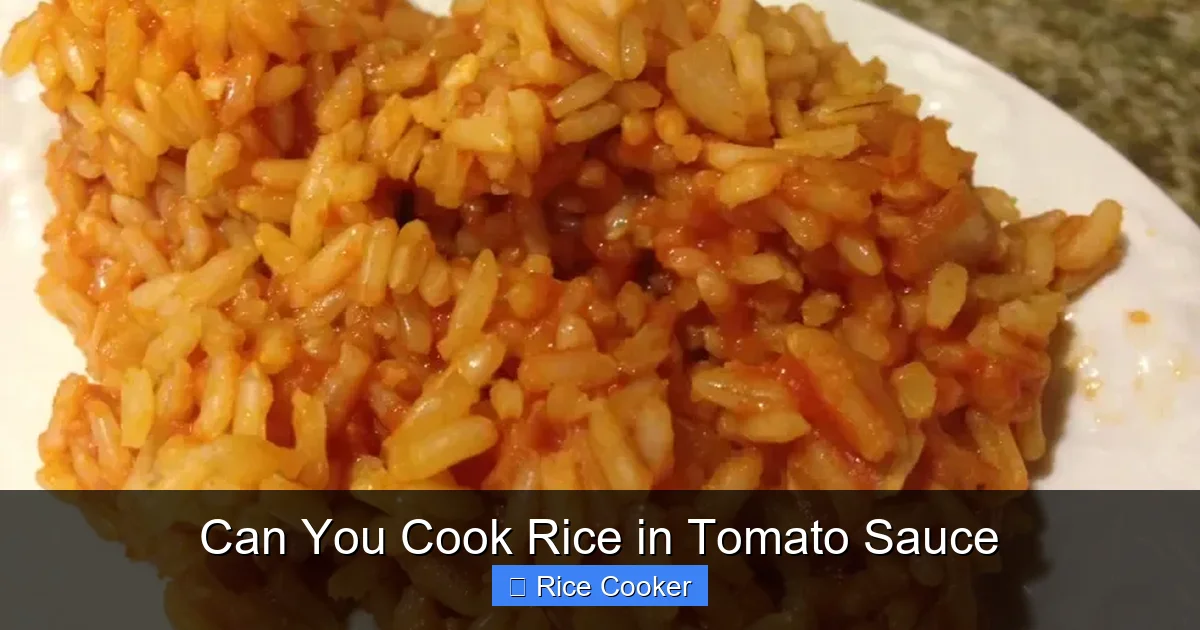
Rice cooked in plain water is perfectly fine—but it lacks personality. When you cook rice in tomato sauce, you’re layering in complex flavors that make each bite more interesting. Tomatoes bring a bright acidity that cuts through richness, while their subtle sweetness balances savory notes from garlic, onion, and herbs. This combination creates what chefs call “umami”—the fifth taste sensation that adds depth and satisfaction.
Visual guide about Can You Cook Rice in Tomato Sauce
Image source: img.sndimg.com
The Science Behind Flavor Infusion
As rice absorbs liquid during cooking, it also soaks up surrounding flavors. Tomato sauce contains concentrated compounds like lycopene (which becomes more bioavailable when heated) and malic acid, giving the rice a vibrant color and zesty kick. Unlike boiling rice in plain water, where flavors remain neutral, tomato-cooked rice develops a cohesive taste profile that ties the entire dish together.
Health Benefits of Tomato-Rice Cooking
Cooking rice in tomato sauce isn’t just tasty—it’s nutritious too. Tomatoes are rich in vitamin C, potassium, and antioxidants. When combined with whole grains like brown rice, the result is a fiber-packed meal that supports digestion and keeps you full longer. Plus, using minimal oil means fewer calories without sacrificing flavor.
Best Types of Rice for Tomato Sauce
Not all rice varieties behave the same way when exposed to acidic liquids. Some become gummy or clump together, especially if overcooked. To ensure fluffy, separate grains every time, choose one of these reliable options:
Visual guide about Can You Cook Rice in Tomato Sauce
Image source: canyousubstitute.com
- Long-Grain White Rice: The most common choice—light, dry, and absorbent. Works well with mild tomato sauces.
- Basmati Rice: Fragrant and slender, ideal for pairing with Mediterranean or Middle Eastern flavors.
- Jasmine Rice: Slightly sticky but fragrant; great for Southeast Asian-inspired tomato dishes.
- Brown Rice: Nutty and chewy, though it needs slightly more liquid and longer cook time.
Avoid short-grain or sushi rice unless you plan to mash or blend the final dish, as they tend to get too sticky when cooked in liquid-heavy mixtures like tomato sauce.
Preparing Your Rice Before Cooking
Even if you’re using pre-washed instant rice, rinsing removes excess starch and prevents gummy results. Place rice in a strainer and run cool water until it runs clear. Drain thoroughly—any residual water will dilute your tomato sauce and affect texture.
How Much Liquid Do You Need?
This is the trickiest part for beginners. Tomato sauce varies widely in thickness—some brands are almost paste-like, others thin and watery. Too much liquid leads to mushy rice; too little leaves it undercooked and chalky. Here’s a general rule:
For every 1 cup of uncooked rice:
- Use ½ to ¾ cup of tomato sauce
- Add 1 to 1¼ cups of water or broth
Start with less water first. After adding rice and sauce to your pot, check consistency before sealing. If the mixture looks too wet, wait until steam starts escaping from the lid vent before closing tightly. Conversely, if it seems dry, add a tablespoon of water and stir gently.
Testing Doneness Without Opening the Lid
Most rice cookers have an indicator light that turns off when done. For stovetop cooking, cover the pot and let it simmer on low heat for about 15–20 minutes (depending on rice type). Resist the urge to peek—each time you lift the lid, steam escapes, and temperature drops, extending cook time unnecessarily.
Step-by-Step: Cooking Tomato Rice in a Rice Cooker
Rice cookers simplify the process by automating timing and temperature. Follow these steps for foolproof results:
- Rinse the rice and drain completely.
- Heat oil or butter in the inner pot over medium heat. Add diced onions and sauté until translucent.
- Stir in minced garlic and cook for 30 seconds until fragrant.
- Pour in tomato sauce and stir to combine. Let it bubble for 1–2 minutes to mellow raw tomato taste.
- Add rinsed rice and toast lightly for 1 minute, stirring constantly.
- Add water or broth according to the ratio above.
- Close lid securely and press “Cook.” Most models switch to “Keep Warm” automatically.
- Let sit for 5 minutes after cooking before fluffing with a fork.
Tips for Even Better Results
- Toast the rice before adding liquid—this builds a flavor base similar to toasting in risotto.
- Use crushed tomatoes** instead of sauce for more pulp and body.
- Layer herbs** like bay leaf or thyme inside the pot before adding rice for subtle infusion.
- Try different tomato sauces**: marinara, arrabbiata, or sun-dried tomato blends add unique twists.
Stovetop Method: More Control, Same Great Taste
If you don’t have a rice cooker, no worries! The stovetop method gives you hands-on control, especially useful when adjusting seasoning mid-cook. Here’s how:
- Sauté onions and garlic in a heavy-bottomed pot with a bit of oil until soft.
- Add tomato sauce and let it simmer for 2–3 minutes to reduce slightly.
- Stir in rice and coat evenly with sauce.
- Add hot water or broth (about 1 inch above the rice level).
- Bring to a boil, then reduce heat to low, cover tightly, and simmer for 18–25 minutes.
- Turn off heat and let rest covered for 5 minutes before fluffing.
Common Mistakes to Avoid
- Not covering properly: Steam escapes, making rice tough or uneven.
- Over-stirring:** Once boiling stops, stop touching the rice to prevent breaking grains.
- Using cold liquid:** Always use hot water/broth—it speeds up absorption and prevents sticking.
Flavor Enhancements & Creative Variations
Tomato rice doesn’t have to be boring. With a few tweaks, you can turn it into a global favorite or surprise guests at dinner. Try these ideas:
Mediterranean Twist
Mix in olives, capers, sun-dried tomatoes, and a handful of chopped parsley. Serve with feta cheese and crusty bread for a Greek-inspired plate.
Indian-Inspired Jeera Tomato Rice
Cook jeera (cumin) seeds in oil until they pop, then add turmeric, garam masala, and green chilies. Finish with fresh coriander and a squeeze of lime.
Mexican Flavors
Add black beans, corn, diced jalapeños, and a dash of smoked paprika. Top with avocado slices and sour cream for contrast.
Asian Fusion
Use coconut milk instead of half the water, stir in soy sauce and sesame oil, and garnish with scallions and sesame seeds.
Vegan Option
Skip dairy-based sauces and use vegetable broth. Boost protein with chickpeas or lentils added halfway through cooking.
Serving Suggestions & Side Dishes
Tomato rice shines as a main course or hearty side. Pair it with:
- Grilled meats like chicken skewers or steak
- Vegetarian proteins such as paneer, tofu, or baked eggplant
- Fresh salads with crisp lettuce, cucumber, and lemon vinaigrette to cut through richness
- Pickled vegetables for tangy brightness (think pickled beets or radishes)
For a complete meal, serve tomato rice in a bowl with a fried egg on top—especially popular in Asian households.
Storage & Reheating Tips
Leftovers taste even better the next day as flavors meld further. Store cooled tomato rice in an airtight container in the fridge for up to 4 days. To reheat:
- In the microwave: Cover with a damp paper towel and heat in 30-second intervals, stirring between.
- On the stove: Add a splash of water or broth to loosen texture, cover, and warm over low heat while stirring occasionally.
Freezing is also possible—portion into containers and freeze for up to 2 months. Thaw overnight in the fridge before reheating.
Frequently Asked Questions
Will cooking rice in tomato sauce make it too mushy?
Not if you follow proper liquid ratios and avoid overcooking. Use less water than usual, and never stir vigorously once boiling stops. Test doneness early to prevent mushiness.
Can I use fresh tomatoes instead of sauce?
Absolutely! Dice ripe tomatoes, remove seeds if desired, and cook them into a chunky puree before adding rice. This gives homemade flavor but requires more prep time.
Do I need to add salt?
Many tomato sauces are already salty, so taste before salting. If unsure, start with a small amount and adjust after cooking.
Can I cook brown rice in tomato sauce?
Yes, but it takes longer—usually 25–30 minutes on the stovetop or 40+ minutes in a rice cooker. Increase water slightly and check frequently.
What if my rice is still crunchy after cooking?
Add a splash of hot water, cover tightly, and return to heat for 5 minutes. If still underdone, transfer to a baking dish, bake at 350°F (175°C) for 10 minutes.
Is tomato rice gluten-free?
Yes, as long as your tomato sauce contains no added malt vinegar or thickeners made from wheat. Check labels carefully.
Frequently Asked Questions
Question?
Answer (2-3 sentences)…