
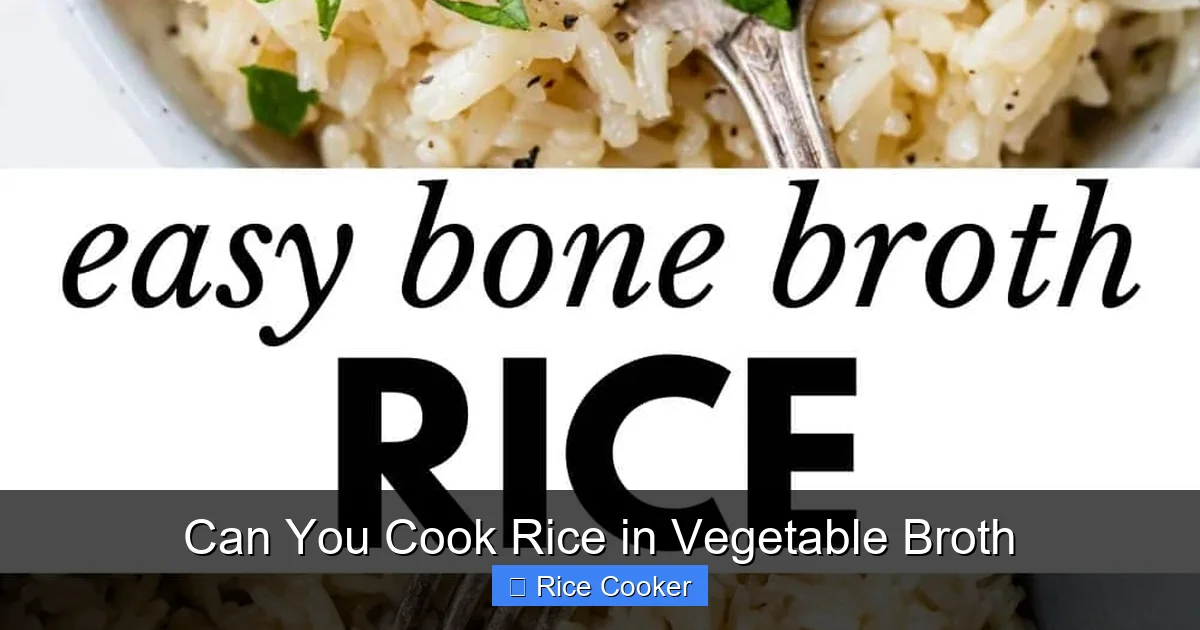
Can you cook rice in vegetable broth? Absolutely! Using vegetable broth instead of water adds rich flavor, boosts nutrients, and makes every grain of rice more delicious. Whether you’re using a rice cooker or stovetop method, this simple swap transforms plain rice into a savory side dish or hearty main course.
This guide walks you through everything from basic ratios to flavor variations, so you’ll never go back to plain water again. Plus, we cover common mistakes, dietary considerations, and creative ways to use broth-cooked rice in meals.
Key Takeaways
- Flavor Boost: Cooking rice in vegetable broth enhances taste naturally without added salt or fat.
- Nutritional Upgrade: Broth adds vitamins, minerals, and plant-based proteins compared to plain water.
- Versatility: Works with all rice types—white, brown, jasmine, basmati, and wild rice.
- Easy Substitution: Simply replace equal parts water with vegetable broth when following standard recipes.
- Cooking Tips: Rinse rice first, adjust seasoning slightly, and let it rest after cooking for best results.
- Dietary Benefits: Ideal for vegetarians, vegans, and those reducing sodium intake when using low-sodium broth.
- Storage & Reuse: Leftover broth-rice freezes well and reheats beautifully for quick meals.
📑 Table of Contents
- Introduction: Why Cook Rice in Vegetable Broth?
- The Science Behind Broth-Cooked Rice
- Choosing the Right Vegetable Broth
- Step-by-Step Guide: How to Cook Rice in Vegetable Broth
- Flavor Variations and Creative Uses
- Common Mistakes and How to Fix Them
- Dietary Considerations and Health Benefits
- Storing and Reheating Broth-Cooked Rice
- Conclusion: Make Every Grain Count
Introduction: Why Cook Rice in Vegetable Broth?
Rice is one of the world’s most beloved staple foods—simple, affordable, and incredibly versatile. But let’s be honest: plain white rice cooked in water can feel… well, boring. It’s filling, yes, but often lacks depth or personality. That’s where vegetable broth comes in.
Instead of using plain water when boiling or steaming rice, try swapping it out with homemade or store-bought vegetable broth. Not only does this add a subtle umami richness, but it also infuses each grain with layers of flavor that make even the simplest dish feel gourmet. Whether you’re making a side of jasmine rice for stir-fry, fluffy basmati for biryani, or chewy arborio for risotto-style bowls, broth adds complexity without extra effort.
In this article, we’ll explore everything you need to know about cooking rice in vegetable broth—from why it works so well to how to do it perfectly every time. You’ll learn about rice varieties best suited for broth, how to balance flavors, and even how to repurpose leftover cooked rice. So grab your measuring cup and your favorite pot—let’s turn ordinary rice into something extraordinary!
The Science Behind Broth-Cooked Rice
So what actually happens when you cook rice in liquid instead of water? The answer lies in absorption and flavor diffusion. Rice grains absorb liquid during cooking, and when that liquid is broth rather than H₂O, those molecules carry dissolved flavors directly into the starch matrix of the grain. This means every bite carries hints of garlic, onion, herbs, mushrooms—whatever’s in your broth.
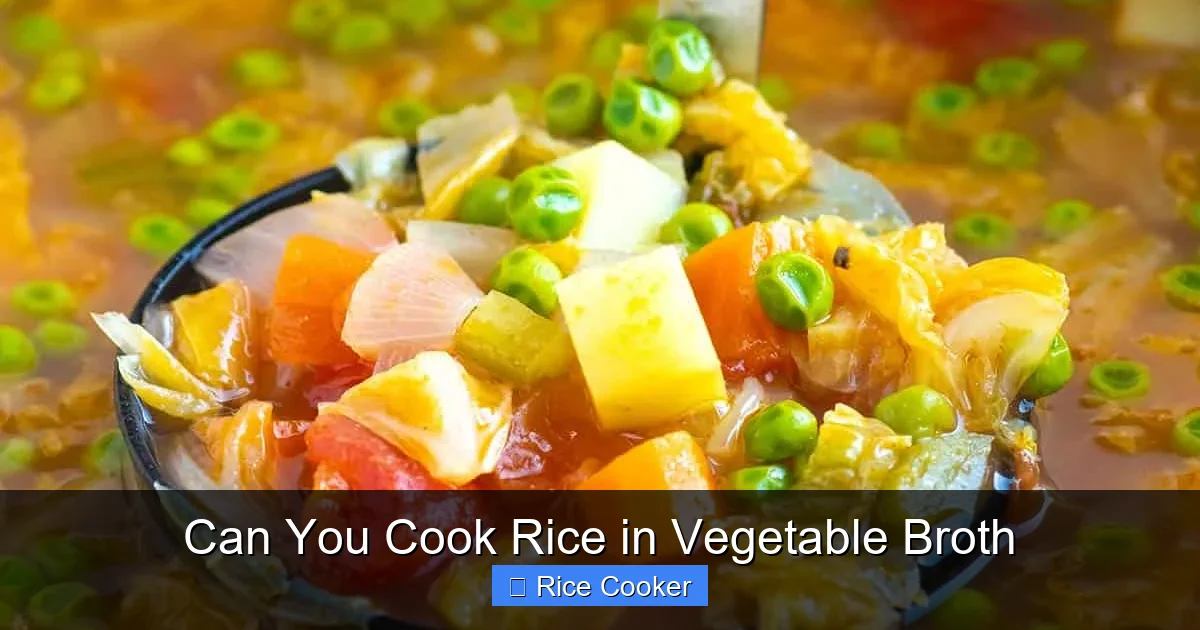
Visual guide about Can You Cook Rice in Vegetable Broth
Image source: inspiredtaste.net
How Absorption Works
Most rice types follow a 1:2 ratio (one part rice to two parts liquid), whether you’re using water or broth. As heat softens the outer layer of the grain, tiny pores open up, allowing the aromatic compounds in the broth to seep inside. Brown rice, for example, takes longer due to its bran layer, but the result is equally fragrant.
Why Broth Beats Water
Vegetable broth contains more than just water—it includes minerals, amino acids, and fat-soluble flavor compounds that water alone can’t deliver. These elements enhance texture too; some say broth-cooked rice feels creamier or more cohesive because the additional nutrients interact with the starches differently than plain water does.
Does It Affect Texture?
Generally, no major change in texture occurs unless you alter the ratio significantly. However, certain broths—like those with tomato or coconut milk—can slightly soften or enrich the mouthfeel. For most people, the difference is subtle but noticeable in terms of overall satisfaction.
Choosing the Right Vegetable Broth
Not all broths are created equal—and your choice will directly impact your final dish. Here’s what to look for (or make yourself).

Visual guide about Can You Cook Rice in Vegetable Broth
Image source: ediblenosh.com
Store-Bought vs. Homemade
Store-bought: Convenient and widely available, but read labels carefully. Many commercial broths contain added salt, preservatives, or MSG. Opt for low-sodium versions if you’re watching your sodium intake. Brands like Pacific Foods, Imagine, or Simply Organic often have clean ingredient lists.
Homemade: Superior control over ingredients and flavor. Simmer onions, carrots, celery, garlic, bay leaves, and herbs in water for an hour or two. Strain, cool, and freeze in portions. Homemade broth lets you customize strength, saltiness, and even add extras like miso paste or nutritional yeast for extra depth.
What Broths Work Best?
- Classic vegetable broth: Mild, neutral base—perfect for most rice types.
- Mushroom broth: Earthy and rich; excellent with brown rice or wild blends.
- Tomato-based broth: Bright and tangy; pairs beautifully with Spanish paella-style rice.
- Asian-inspired broth: With soy sauce, ginger, and scallions; ideal for jasmine or sticky rice.
- Low-sodium or unsalted: Essential if you plan to add salt later or follow a restricted diet.
Avoid These Pitfalls
- Overly seasoned broths: Too much salt or spice can overwhelm delicate rice.
- Fat-heavy broths: Creamy broths (like those with coconut milk) may coat grains unevenly.
- Expired or old stock: Always check expiration dates—stale broth imparts off-flavors.
Step-by-Step Guide: How to Cook Rice in Vegetable Broth
Ready to give it a try? Follow these easy steps for foolproof results—whether on the stovetop or in a rice cooker.
Ingredients You’ll Need
- 1 cup uncooked rice (any variety)
- 2 cups vegetable broth (low-sodium preferred)
- Optional: ½ tsp salt, 1 tbsp butter or oil, pinch of pepper
Stovetop Method
- Rinse the rice: Place rice in a fine-mesh strainer and rinse under cold water until the water runs clear. This removes excess starch and prevents clumping.
- Sauté (optional): Heat oil or butter in a saucepan over medium heat. Add rinsed rice and toast for 1–2 minutes. This enhances nutty flavor and color.
- Add broth: Pour in the broth. If using salt or other seasonings, add them now.
- Bring to a boil: Increase heat to high until broth reaches a rolling boil.
- Simmer covered: Reduce heat to low, cover tightly, and simmer for:
- White rice: 18 minutes
- Brown rice: 40–45 minutes
- Wild rice blend: 50 minutes
- Rest undisturbed: Turn off heat and let sit covered for 5–10 minutes. Fluff gently with a fork before serving.
Rice Cooker Method
- Measure accurately: Use the same 1:2 ratio—1 cup rice to 2 cups broth.
- Add ingredients: Place rice and broth in the inner pot. Stir once if adding salt or herbs.
- Select setting: Choose “White Rice” or “Brown Rice” mode depending on your grain.
- Let it do the work: No stirring needed! Just wait for the timer to complete.
- Rest and fluff: Once done, let stand 5 minutes, then fluff with a fork.
Pro Tips for Perfect Results
- Don’t peek while cooking: Opening the lid releases steam and disrupts temperature, leading to uneven cooking.
- Adjust for altitude: At higher elevations, rice may need slightly more liquid or a longer cook time.
- Rehydrate dry rice: If using leftover dried rice, soak briefly in warm broth before cooking to speed reabsorption.
Flavor Variations and Creative Uses
Once you master the basics, the possibilities multiply. Here are some inspired ways to elevate your broth-rice game.
Herbed and Spiced Rice
Infuse your broth with fresh thyme, rosemary, or bay leaves. For a Middle Eastern twist, add cumin, cinnamon, and saffron threads. Serve with grilled vegetables or lentils for a complete meal.
Cheesy Broth Rice
Use a dairy-free vegetable broth and stir in nutritional yeast, shredded vegan cheese, or real Parmesan at the end. The result? A comforting, protein-rich side that rivals creamy risottos.
Rice Bowls and Grain Bowls
Cook jasmine or basmati in aromatic broth, then top with roasted sweet potatoes, avocado, tahini dressing, and pumpkin seeds. Broth-cooked rice becomes the perfect, flavorful base.
One-Pot Meals
Combine broth-rice with beans, diced tomatoes, spinach, and spices for a hearty vegetarian chili. Or add tofu cubes and ginger for a quick Asian noodle alternative.
Leftover Rice Revival
Stale rice? Revive it by heating with a splash of broth and a pat of butter until warm and fluffy. Great for fried rice the next day!
Common Mistakes and How to Fix Them
Even experienced cooks slip up sometimes. Don’t worry—here’s how to troubleshoot common issues.
Rice Too Wet or Mushy
This usually happens when too much liquid is used or the rice isn’t drained properly. Always measure carefully and avoid lifting the lid during cooking. If it’s already cooked too soft, press it gently into a shallow dish and broil for 2 minutes to crisp the top.
Rice Too Dry or Undercooked
Check your broth temperature—cold broth slows cooking. Also verify your stove’s heat level; too low and the rice won’t absorb properly. For undercooked centers, return to heat with a splash more broth and cover again for 5 minutes.
Off-Flavors or Blandness
If the broth is weak or expired, the rice will taste flat. Always use fresh, well-seasoned broth. Taste yours before adding to rice—if it needs salt, so will your rice.
Grains Sticking Together
Rinsing removes excess surface starch that causes clumping. If they still stick, add a tablespoon of oil or butter to the broth before cooking.
Uneven Texture
Old rice or improper rinsing can cause inconsistency. Use fresh rice and always rinse thoroughly. Also ensure even heat distribution—don’t overcrowd the pot.
Dietary Considerations and Health Benefits
Cooking rice in vegetable broth isn’t just tasty—it’s also smarter for your health.
Vegan and Vegetarian Friendly
Most vegetable broths are naturally plant-based, making this method ideal for vegan diets. Just confirm your broth has no animal-derived additives (some contain bone char-filtered ingredients or chicken flavorings).
Lower Sodium Option
Using low-sodium or homemade broth allows better control over salt intake. You can season the rice lightly after cooking if needed, whereas pre-seasoned broths may push your daily limit.
Nutrient Boost
Broth retains minerals like potassium, magnesium, and B vitamins from simmered vegetables and herbs. While not a huge amount per serving, over multiple meals, this adds up.
Gluten-Free Confirmation
Always check labels—many store-bought broths use maltodextrin derived from wheat. Look for certified gluten-free broths or make your own.
Calorie Comparison
Broth adds virtually no calories compared to water, so it doesn’t increase the calorie count of your rice. In fact, some find they eat less because the richer flavor feels more satisfying.
Storing and Reheating Broth-Cooked Rice
Got extra rice? No problem—it keeps well and tastes great the next day.
Short-Term Storage (Up to 5 Days)
Let cooled rice come to room temperature, then transfer to an airtight container. Store in the refrigerator. For best texture, reheat with a splash of broth or water to prevent drying out.
Freezing for Later
Portion into freezer-safe bags or containers. Label with date. Frozen broth rice lasts up to 3 months. Thaw overnight in the fridge, then reheat on the stove or microwave.
Reheating Tips
- On the stove: Place in a saucepan with a lid, add 1–2 tbsp broth, and warm over low heat, stirring occasionally.
- In the microwave: Cover loosely with a damp paper towel to retain moisture. Heat in 30-second intervals, stirring between.
- As fried rice: Scramble eggs in a wok, push aside, add rice and a bit of broth, then toss with soy sauce and vegetables.
Conclusion: Make Every Grain Count
So, can you cook rice in vegetable broth? Absolutely—and now you know why you should. Beyond the obvious flavor upgrade, it’s a simple way to stretch nutrients, support dietary goals, and reduce reliance on processed seasonings. Whether you’re whipping up a weeknight dinner or preparing a festive side dish, this technique turns basic ingredients into something memorable.
Remember: the key is using quality broth, measuring carefully, and letting the rice rest after cooking. Experiment with different varieties—try red rice in a smoky chipotle broth, or coconut rice in a Thai-inspired lemongrass infusion. There’s no wrong way to do it.
Next time you reach for a box of rice, pause. Grab a carton of broth instead. Your taste buds—and your body—will thank you.
Frequently Asked Questions
Is it okay to cook rice in vegetable broth instead of water?
Yes! Cooking rice in vegetable broth adds flavor, nutrients, and depth without changing the basic method. Just use a 1:2 ratio (rice to broth) and follow standard cooking times.
Will rice cooked in broth taste salty?
It depends on the broth. Low-sodium or unsalted broth keeps the rice mild. If your broth is heavily seasoned, the rice may taste salty—always taste the broth first and adjust seasoning afterward if needed.
Can I use frozen or canned vegetable broth?
Yes, but choose high-quality options. Avoid broths with long ingredient lists or excessive sodium. Homemade broth is best, but good store-bought versions work well too.
Does cooking rice in broth affect the texture?
Usually not significantly. The main difference is flavor. Some people report a slightly creamier mouthfeel, especially with richer broths, but texture remains largely consistent with water-cooked rice.
Can I cook any type of rice in vegetable broth?
Absolutely! White, brown, jasmine, basmati, arborio, wild—all respond well to broth. Adjust cook times based on the rice variety, as brown and wild rices take longer.
How do I prevent rice from sticking when cooking in broth?
Rinse the rice before cooking to remove excess starch. Add a small amount of oil or butter to the broth, and avoid stirring once it starts simmering. A tight-fitting lid also helps.