
You absolutely can cook rice noodles ahead of time, but doing it right makes all the difference. With proper cooling, storage, and reheating techniques, you can enjoy fresh-tasting rice noodles for days. Whether you’re meal prepping or saving leftovers, mastering this skill saves time and reduces food waste.
Key Takeaways
- Proper Cooling Is Essential: Never leave cooked rice noodles at room temperature for more than two hours to prevent bacterial growth.
- Refrigeration Preserves Quality: Store cooled noodles in airtight containers for up to 3–5 days without losing much texture. Freezing Extends Shelf Life: For longer storage, freeze noodles individually on a baking sheet before transferring to bags—they last up to 1 month.
- Reheating Matters: Use a steamer, pan with water, or microwave with damp paper towels to avoid sogginess.
- Soaking Prevents Clumping: Rehydrate dry rice noodles properly before cooking if you’re using them from a pantry.
- Flavor Absorption Varies: Cooked noodles absorb sauces quickly, so toss with dressing immediately after reheating for even coating.
- Best Uses for Pre-Cooked Noodles: Ideal for stir-fries, cold salads, or quick soups where texture remains intact.
📑 Table of Contents
- Can You Cook Rice Noodles Ahead of Time?
- Understanding Rice Noodles: Why They Behave Differently
- How to Cook Rice Noodles Ahead of Time Safely
- Best Storage Methods for Cooked Rice Noodles
- Reheating Cooked Rice Noodles Like a Pro
- Meal Prep Ideas Using Pre-Cooked Rice Noodles
- Common Mistakes to Avoid
- Frequently Asked Questions About Cooking Rice Noodles Ahead of Time
Can You Cook Rice Noodles Ahead of Time?
Have you ever found yourself staring into your pantry, wondering what to make for dinner—only to realize you already have a bag of rice noodles sitting there? Or maybe you’ve just finished cooking a big batch of pad thai or vermicelli soup and now face the age-old question: Can I save this for later?
Rice noodles are incredibly versatile—used in everything from savory stir-fries to refreshing summer rolls and hearty noodle soups. But unlike regular pasta, which can be stored and reheated with relative ease, rice noodles have a reputation for turning mushy when not handled correctly. So, can you cook rice noodles ahead of time? The short answer is yes. But only if you follow the right steps.
In this comprehensive guide, we’ll walk through everything you need to know about preparing rice noodles in advance—from cooking and cooling to storing and reheating—so you never have to worry about wasted ingredients or disappointing meals again. Whether you’re meal prepping for the week, hosting guests, or simply trying to reduce kitchen stress, learning how to cook rice noodles ahead of time is a game-changer.
Understanding Rice Noodles: Why They Behave Differently
The Science Behind Rice Noodle Texture
Rice noodles are made primarily from rice flour and water, often with tapioca starch added for elasticity. Unlike wheat-based noodles, they don’t contain gluten, which affects their structure when cooked and stored. When exposed to heat and moisture repeatedly, rice noodles break down faster. This means that improper storage or reheating can lead to a gluey, sticky mess instead of the delicate strands you love.
Visual guide about Can You Cook Rice Noodles Ahead of Time
Image source: thefoxandshe.com
Additionally, rice noodles absorb liquid quickly. If left too long in sauce or broth, they become soft and lose their defining bite. That’s why timing and technique matter—not just for safety, but for flavor and texture.
Common Types of Rice Noodles
Not all rice noodles are created equal. Understanding the types helps you choose the best method for prep-ahead cooking:
- Flat Rice Noodles (Rice Stick Noodles): Used in dishes like pad see ew and pho. Slender and chewy when fresh.
- Vermicelli (Angel Hair) Rice Noodles: Thinner and more fragile; great for soups or spring rolls.
- Noodle Rice Paper (Spring Roll Wrappers): Made from rice flour and water; must be soaked before use.
- Wide Rice Noodles: Common in Vietnamese and Thai cuisine; thicker and heartier.
Each type has slightly different behavior when reheated, so keep your noodle variety in mind as we go through storage and reheating tips.
How to Cook Rice Noodles Ahead of Time Safely
Step-by-Step Guide to Cooking and Storing
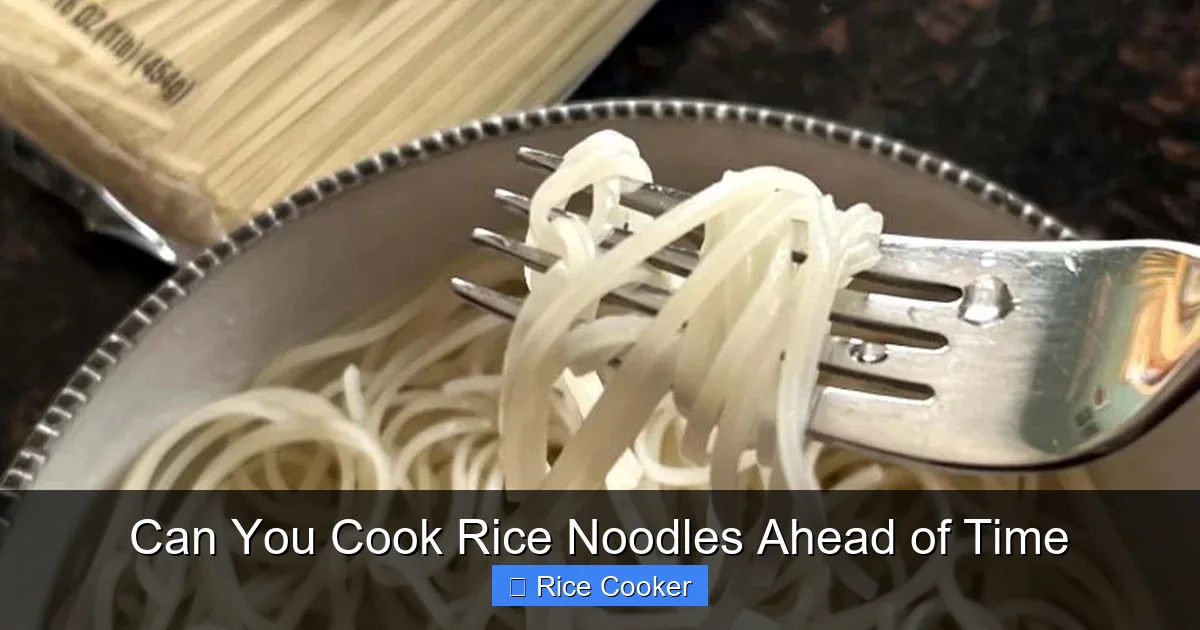
If you’re planning to cook rice noodles ahead of time, start by following proper cooking procedures. Whether you’re using a rice cooker, stove, or instant pot, here’s how to do it right:
Visual guide about Can You Cook Rice Noodles Ahead of Time
Image source: melaniecooks.com
- Choose Fresh or Dried Noodles: Fresh rice noodles cook quickly—just blanch for 30 seconds. Dried ones need soaking and boiling for 2–4 minutes until translucent.
- Don’t Overcook: Remove noodles as soon as they’re tender but still firm. Overcooked noodles will turn to mush upon reheating.
- Cool Immediately: After draining, rinse under cold water to stop the cooking process and remove excess starch.
- Dry Thoroughly: Pat with a clean towel or spread out on a tray to air-dry completely. Moisture leads to clumping.
- Store Properly: Place in an airtight container with a lid. Add a piece of parchment paper between layers if stacking.
For example, if you’re making a large batch of drunken noodles for a party, cook the noodles separately first, cool them completely, then toss with oil lightly before refrigerating. This prevents them from sticking together overnight.
Why Cooling Is Critical
This might seem obvious, but many people skip this step—and it’s where problems begin. Leaving hot noodles sitting out allows bacteria like Salmonella and E. coli to grow rapidly. The “danger zone” for food safety is between 40°F and 140°F (4°C and 60°C). To stay safe:
- Cool noodles within 2 hours of cooking.
- Use an ice bath for faster cooling (optional but helpful for large batches).
- Never cover warm noodles tightly—this traps steam and promotes spoilage.
A good rule of thumb: if your noodles are still warm when you put them in the fridge, they may raise the internal temperature too much, affecting other foods nearby.
Best Storage Methods for Cooked Rice Noodles
Refrigeration: Short-Term Solution
Refrigerated cooked rice noodles last 3 to 5 days when stored correctly. Here’s how to maximize freshness:
- Use Airtight Containers: Glass or BPA-free plastic containers work best. Avoid open bowls.
- Add a Drop of Oil: Lightly tossing noodles with neutral oil (like vegetable or avocado) before storing helps prevent sticking.
- Label and Date: Always mark the container with the date so you know when it was made.
Example: If you cooked rice noodles for a stir-fry recipe on Monday, label the container “Stir-Fry Rice Noodles – Monday” and use by Friday.
Freezing: Long-Term Preservation
Want to store rice noodles for up to a month? Freezing is your best friend. Follow these steps:
- Flash Freeze First: Spread uncooked or freshly cooked noodles on a baking sheet lined with parchment paper. Freeze for 1–2 hours until solid.
Once frozen, move noodles to freezer-safe zip-top bags. Squeeze out extra air to prevent freezer burn. - Portion as Needed: Divide into meal-sized portions for easy thawing later.
When you’re ready to use frozen noodles, there’s no need to fully thaw—simply add them directly to hot water or sauce while cooking. They’ll rehydrate in minutes!
Tips for Preventing Clumping
Even with oil and proper drying, rice noodles can clump. Try these tricks:
- Layer with Parchment: Place a piece of wax or parchment paper between layers in the container.
- Don’t Pack Too Tightly: Leave some space in the container to allow airflow.
- Use Individual Portions: Divide into small servings so you only thaw what you need.
Reheating Cooked Rice Noodles Like a Pro
Microwave Method (Quick & Easy)
For single servings, the microwave works well—if done carefully:
- Place noodles in a microwave-safe bowl.
- Add 1–2 tablespoons of water or broth.
- Cover with a damp paper towel to trap steam.
- Heat on high for 30–60 seconds, stir, then repeat if needed.
The damp towel keeps noodles moist without making them soggy. Avoid plastic wrap—it can melt and release chemicals.
Stovetop Reheating (Best for Even Heat)
This method gives you the most control and best results:
- Bring 1 inch of water or broth to a simmer in a wide saucepan.
- Add noodles and stir gently for 1–2 minutes.
- Remove from heat and let sit covered for another minute.
- Toss with sauce or seasoning immediately.
This mimics traditional noodle cooking and restores elasticity. Perfect for stir-fries or adding to soups.
Steaming Method (Gentlest Option)
If you have a bamboo steamer or electric steamer:
- Arrange noodles in a single layer.
- Steam over boiling water for 3–5 minutes.
- Check for tenderness—don’t over-steam.
Great for delicate vermicelli or when you want to preserve texture for cold dishes like rice noodle salad.
Meal Prep Ideas Using Pre-Cooked Rice Noodles
Weeknight Stir-Fries
Pre-cook rice noodles and store them in the fridge. On busy nights, simply heat a wok with oil, add protein and veggies, toss noodles in, and finish with your favorite sauce. Everything comes together in under 10 minutes.
Fresh Spring Rolls or Summer Rolls
Soak dried rice paper wrappers in warm water until pliable, then fill with pre-cooked rice noodles, herbs, and shrimp. No cooking required—just assemble and serve. Great for parties or healthy lunches.
Noodle Soups with Custom Toppings
Cook noodles ahead and store plain. When ready to eat, bring broth to a boil, drop in noodles, and top with whatever you like—tofu, mushrooms, bean sprouts, herbs. Customize each bowl without extra prep.
Cold Rice Noodle Salads
Toss cooled noodles with lime juice, fish sauce, mint, and shredded carrots. Chill for an hour, then serve. Refreshing and satisfying—ideal for hot weather.
Breakfast Noodles (Thai-style)
Reheat leftover rice noodles with eggs, sausage, and soy sauce for a quick Asian-inspired breakfast. Microwave or pan-fry for crisp edges.
Common Mistakes to Avoid
Even experienced cooks make errors when prepping rice noodles. Steer clear of these pitfalls:
- Leaving Noodles in Sauce Overnight: They become mushy and hard to separate.
- Using Metal Containers for Freezing: Can cause freezer burn or react with acidic foods.
- Skipping the Drying Step: Excess moisture leads to mold or sliminess.
- Overcrowding the Fridge: Allows warm air to circulate, raising temps.
- Ignoring Expiry Dates: Always check for off smells or discoloration before eating.
One common mistake is thinking that because rice noodles are shelf-stable when dry, they’ll last forever once cooked. Nope—once hydrated and cooked, they’re perishable just like any other starch.
Frequently Asked Questions About Cooking Rice Noodles Ahead of Time
How long can I keep cooked rice noodles in the fridge?
Cooked rice noodles stay good in the refrigerator for 3 to 5 days when stored in an airtight container. Always check for unusual odors or sliminess before using.
Can I freeze rice noodles, and how long will they last?
Yes! Flash-freeze noodles on a tray, then transfer to freezer bags. They’ll keep for up to 1 month. Thaw by adding directly to hot liquid during cooking.
Why do my reheated rice noodles turn mushy?
Mushiness usually comes from overcooking during reheating or storing noodles in sauce. Always reheat briefly and keep noodles dry until ready to serve.
Do I need to soak rice noodles before cooking them ahead of time?
Only if they’re dried. Fresh rice noodles just need a quick blanch. Soak dried noodles in warm water for 15–30 minutes until soft before boiling.
Can I cook rice noodles in a rice cooker ahead of time?
Most rice cookers aren’t designed for noodles, but some models have a “noodle” setting. If yours does, cook noodles separately, cool, and store. Otherwise, use the stovetop.
What’s the best way to store rice noodles with sauce?
Store noodles and sauce separately if possible. If combined, use within 24 hours and reheat gently to avoid breaking apart.
Frequently Asked Questions
What is can you cook rice noodles ahead of time?
can you cook rice noodles ahead of time is an important topic with many practical applications.