
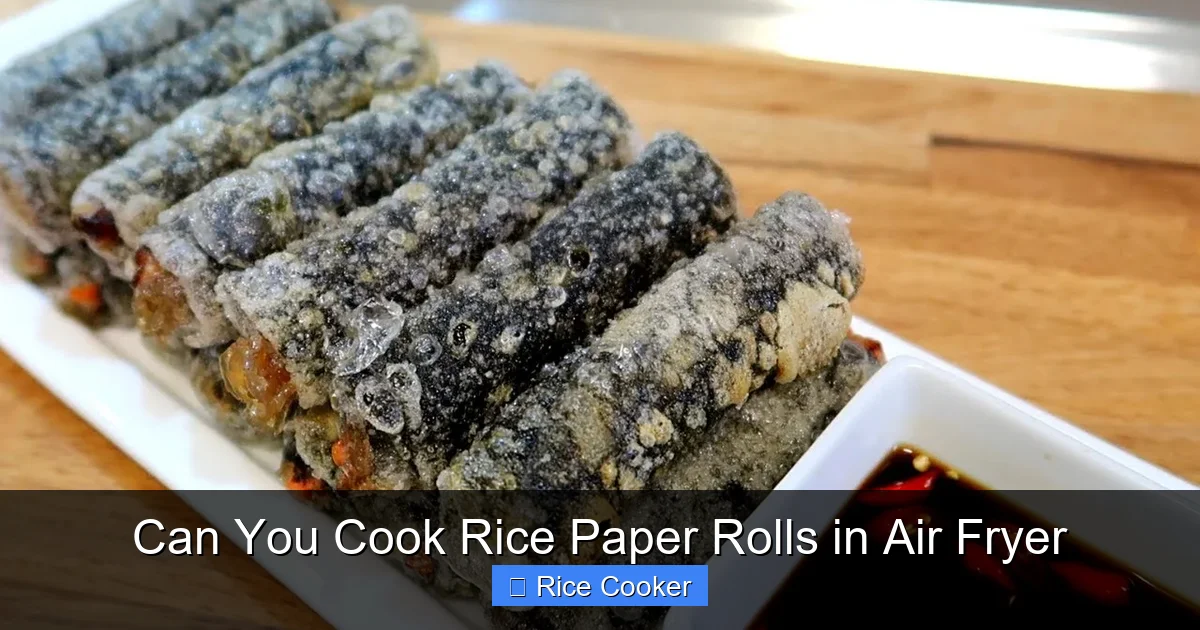
Can you cook rice paper rolls in an air fryer? Absolutely! This quick and easy method delivers perfectly cooked, slightly crispy rolls with minimal effort. Using your air fryer saves time while preserving the delicate balance of softness and crunch that makes rice paper rolls so delicious.
Key Takeaways
- Rice paper rolls are air fryer-friendly: They respond well to short, controlled heating, making them ideal for this appliance.
- Cooking time is crucial: Overcooking leads to dryness; undercooking keeps them soggy. Aim for 3–5 minutes at 375°F (190°C).
- Pre-soaking matters: Lightly moisten rolls before cooking to prevent cracking and ensure even heat distribution.
- Avoid overcrowding: Cook in small batches to allow proper airflow and consistent browning.
- Seasoning enhances flavor: Sprinkle with soy sauce, sesame oil, or chili flakes after cooking for extra taste.
- Safety first: Always use oven mitts when handling hot trays and avoid metal utensils near heating elements.
- Experiment with fillings: Try shrimp, pork, tofu, or vegetables—air frying locks in freshness without soaking them in water.
📑 Table of Contents
- Introduction: The Rise of Air Fryers and Rice Paper Rolls
- The Science Behind Cooking Rice Paper Rolls
- How to Prepare Rice Paper Rolls for Air Frying
- Step-by-Step Guide: Cooking Rice Paper Rolls in Your Air Fryer
- Troubleshooting Common Issues
- Creative Twists: Beyond Classic Fillings
- Pairing Suggestions: Sauces and Accompaniments
- Health Benefits and Nutritional Notes
- Storage and Reheating Tips
- Comparing Methods: Air Fryer vs. Other Cooking Techniques
- Final Thoughts: Why This Method Rocks
Introduction: The Rise of Air Fryers and Rice Paper Rolls
If you’ve ever watched a chef expertly roll up lettuce, herbs, and shrimp into translucent, springy bundles—then gently place them on a plate—you’ve seen a rice paper roll in action. These vibrant, bite-sized wonders are staples in Vietnamese cuisine, celebrated for their lightness and freshness. Traditionally served raw or chilled, they’re usually eaten with dipping sauces like nuoc cham (fish sauce-based) or peanut sauce. But what if you want something warm, slightly crispy, and ready faster than ordering takeout?
Enter the air fryer—a kitchen gadget beloved for its ability to crisp up foods without deep frying. From French fries to chicken wings, it’s become a go-to tool for health-conscious cooks. So, can you cook rice paper rolls in an air fryer? The short answer is yes—and surprisingly well. With just a few adjustments, you can transform these delicate wraps from cold snacks into warm, satisfying bites that still honor their roots.
In this guide, we’ll walk you through everything you need to know: how to prep your rolls, the ideal temperature and timing, why certain techniques work better than others, and how to avoid common pitfalls. Whether you’re meal-prepping, hosting guests, or simply craving something new, learning to cook rice paper rolls in your air fryer opens up a world of possibilities—without sacrificing flavor or texture.
The Science Behind Cooking Rice Paper Rolls
Before diving into recipes or methods, let’s talk about what makes rice paper rolls special—and how heat affects them.
Visual guide about Can You Cook Rice Paper Rolls in Air Fryer
Image source: airfryerfinder.com
Understanding Rice Paper Composition
Rice paper, also known as banh trang, is made from rice flour, tapioca starch, and water. It has no fat, eggs, or leavening agents—just simple ingredients that create a pliable, translucent sheet. When exposed to moisture (like dipping in water), it becomes soft and flexible enough to wrap around fillings. But when heated, the starches undergo a process called gelatinization again, thickening the surface and giving it a firmer, almost chewy texture.
This dual nature is key: too much heat turns them rubbery; too little leaves them limp. That’s where precision comes in.
Why the Air Fryer Works Well
Unlike microwaves (which cook unevenly and often make rolls soggy), or ovens (which require longer preheating and risk drying out edges), air fryers circulate hot air rapidly around food. This rapid convection helps crisp the outside of rice paper rolls while keeping the inside intact—especially if you lightly moisten them first.
Plus, because air fryers operate at lower temperatures than deep fryers (typically 350–400°F / 175–200°C), you avoid burning or overcooking. Just remember: rice paper isn’t meant to be fried—it’s meant to be gently warmed. Think of it like reheating dumplings, not frying spring rolls.
How to Prepare Rice Paper Rolls for Air Frying
Getting started is easier than you think—but preparation is half the battle.
Visual guide about Can You Cook Rice Paper Rolls in Air Fryer
Image source: thesoutherlymagnolia.com
Choosing the Right Rolls
Not all rice paper is created equal. Look for high-quality sheets labeled “fresh” or “wet-pack” rather than dried, shelf-stable versions. Fresh rolls are softer, more forgiving, and less likely to tear during rolling or cooking. If using frozen ones, thaw completely before handling.
Light Moistening Is Key
Even though you’re cooking in the air fryer, don’t skip this step. Gently pat each roll with a damp paper towel or lightly spray it with water using a mist bottle. This prevents cracking and ensures even heating. Too much moisture? You’ll get steam instead of crispiness—so aim for a light sheen, not soaking wet.
Filling Selection Matters
Traditional fillings include shredded carrots, cucumber, mint, cilantro, and protein like shrimp or pork. Avoid overly juicy veggies (like tomatoes) unless drained thoroughly—excess liquid steams the roll instead of crisping it. Pre-cooked proteins work best; raw meat can release too much moisture.
Rolling Technique Tips
If you haven’t made rice paper rolls before, practice makes perfect. Place one sheet flat, add fillings near the bottom third, fold sides inward, then roll tightly but not too firm. Leave a small tail uncooked if desired—it acts as a natural seal and adds texture.
Step-by-Step Guide: Cooking Rice Paper Rolls in Your Air Fryer
Now for the main event. Follow these steps for foolproof results every time.
Preheat and Set Temperature
Set your air fryer to 375°F (190°C). Preheating ensures immediate contact between hot air and your rolls, reducing cooking time and preventing sogginess. Most modern models do this automatically—just confirm via display or indicator light.
Arrange Rolls Properly
Place rolls seam-side down on the basket rack—this helps them hold shape and prevents filling leakage. Don’t stack them! Overcrowding blocks airflow, leading to uneven cooking. For 4–6 rolls, give each space to breathe.
Cooking Time and Monitoring
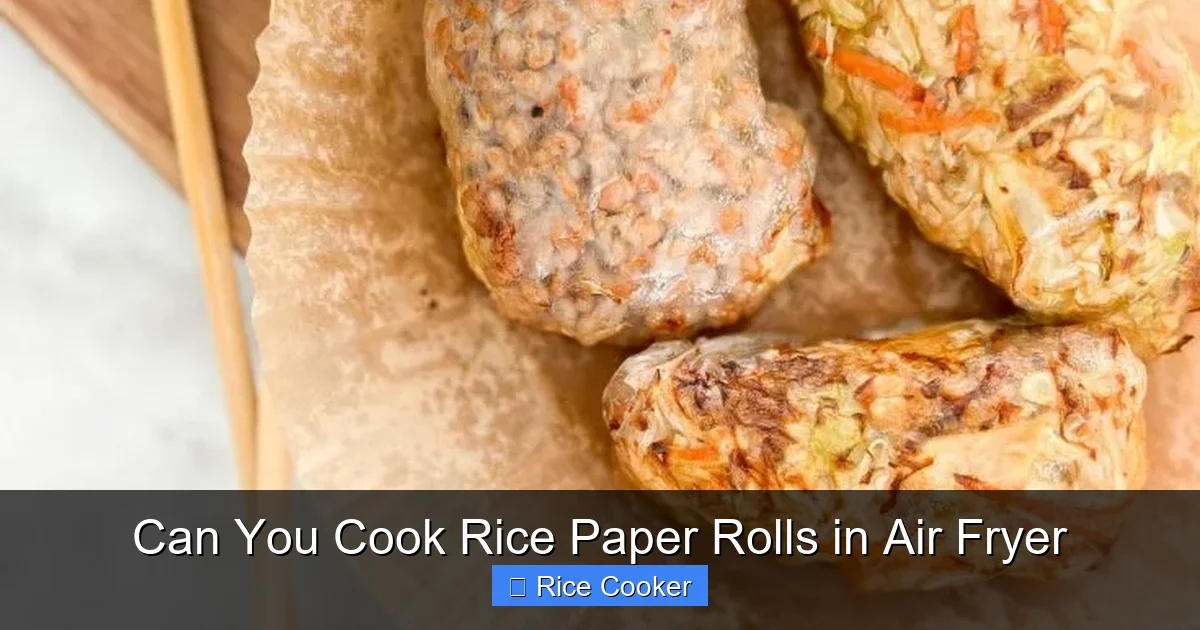
Air fry for 3 minutes on the first side, then flip and cook another 2–3 minutes. Total time should never exceed 5 minutes. Keep an eye after 3 minutes—rice paper browns quickly! Ideal result: golden edges with slight crispiness, yet still pliable inside.
Rest Before Serving
Let rolls sit for 1–2 minutes post-cooking. This allows residual heat to evenly distribute through the filling and prevents burns. Serve immediately with your favorite dipping sauce.
Troubleshooting Common Issues
Mistakes happen—even pros stumble. Here’s how to fix them.
Rolls Are Too Dry or Brittle
Caused by overcooking or skipping moistening. Solution: Reduce time to 2–3 minutes total and always dampen before frying.
Sticking to Basket
Non-stick baskets usually handle this fine—but if sticking occurs, lightly brush with neutral oil (like avocado or grapeseed) before placing rolls. Never use butter or olive oil—they burn easily.
Fillings Leak Out
Overfilled rolls burst under heat. Fix: Use less filling, especially with wet ingredients. Also, ensure rolls aren’t rolled too tightly—some give during cooking.
Browning Is Uneven
Airflow obstruction. Fix: Rotate basket halfway through cooking or reposition rolls after flipping.
Creative Twists: Beyond Classic Fillings
Once you master basics, experiment! Try these fun variations:
- Spicy Thai Style: Add sliced jalapeños, crushed peanuts, and a drizzle of sriracha-lime sauce.
- Mediterranean Fusion: Mix hummus, grilled zucchini, feta crumbles, and fresh dill.
- Breakfast Roll: Scrambled eggs, spinach, mushrooms, and a sprinkle of cheese.
- Vegan Delight: Marinated tofu, avocado slices, sprouts, and tahini dressing.
Remember: balance is key. Too many strong flavors compete; too few lacks excitement. Start simple, then build complexity.
Pairing Suggestions: Sauces and Accompaniments
Cooked rice paper rolls shine with bold dipping sauces. Consider:
- Nước Chấm (Vietnamese Dipping Sauce): Fish sauce, lime juice, sugar, garlic, chili.
- Peanut Sauce: Ground peanuts, soy sauce, ginger, vinegar, optional maple syrup.
- Sriracha Mayo: Mix Kewpie mayo with sriracha and a splash of lemon.
- Cilantro-Lime Crema: Greek yogurt blended with cilantro, lime zest, salt.
Serve alongside fresh fruit skewers, steamed edamame, or a light salad for a complete meal.
Health Benefits and Nutritional Notes
Rice paper rolls are naturally gluten-free (if using certified rice flour), low in saturated fat, and packed with fiber from veggies. However, portion control matters—especially if using calorie-dense fillings like cheese or fried proteins. Opt for lean meats, plenty of greens, and healthy fats like avocado or nuts.
Air frying retains most nutrients compared to deep frying, since there’s no submersion in oil. Plus, less added fat means fewer calories per serving.
Storage and Reheating Tips
Uncooked, rice paper rolls last up to 3 days refrigerated in a sealed container lined with a dry cloth to absorb moisture. Cooked rolls keep for 1 day in the fridge—best enjoyed fresh, but you can reheat gently in the air fryer at 350°F for 1 minute if needed.
Avoid microwaving—it ruins texture. Stick to the air fryer for best results.
Comparing Methods: Air Fryer vs. Other Cooking Techniques
Wondering if other tools could work? Let’s compare:
| Method | Pros | Cons |
|---|---|---|
| Air Fryer | Fast, crispy, minimal oil, easy monitoring | Limited batch size, requires preheating |
| Oven | Good for large batches, hands-off | Slower, dries out edges, needs rotation |
| Microwave | Ultra-fast | Soggy, uneven, poor texture |
| Pan-Fry | Rich flavor, great sear | Uses oil, harder to control heat |
For most home cooks, the air fryer strikes the perfect balance between speed, control, and outcome.
Final Thoughts: Why This Method Rocks
Cooking rice paper rolls in the air fryer isn’t just convenient—it’s transformative. You get the best of both worlds: the fresh, vibrant essence of traditional rolls with the comforting warmth and subtle crunch of lightly fried snacks. No messy pans, no oil splatter, and cleanup takes seconds.
Whether you’re feeding a crowd, preparing grab-and-go meals, or simply exploring global cuisines at home, mastering this technique empowers you. And honestly? There’s something deeply satisfying about turning a simple ingredient—rice flour—into a gourmet experience with just a few taps on your air fryer button.
So next time you’re craving something light yet fulfilling, reach for those rice paper sheets. Moisten, fill, fry, dip—and enjoy the magic.
Frequently Asked Questions
Can you cook rice paper rolls in an air fryer without making them soggy?
Yes, if you lightly moisten the rolls before cooking and avoid overcrowding. Keep cooking time under 5 minutes and monitor closely—sogginess usually stems from excess water or overcooking.
Do I need to add oil before air frying rice paper rolls?
Not necessarily. Rice paper contains no fat, but a light spritz of neutral oil (like avocado or grapeseed) can enhance crispiness. Skip heavy oils like butter, which burn easily.
How do I prevent rice paper rolls from tearing during cooking?
Handle them gently, keep them moistened with a damp cloth before frying, and avoid overfilling. Rolling loosely (not too tight) also reduces stress during heating.
Can I freeze cooked rice paper rolls for later?
It’s not recommended—texture degrades upon thawing. Best enjoyed fresh. Store uncooked rolls airtight for up to 3 days in the fridge.
What’s the difference between rice paper and spring roll wrappers?
Spring roll wrappers are wheat-based, thicker, and meant for frying. Rice paper is rice flour-based, thinner, and traditionally served raw. They’re not interchangeable.
Is air frying healthier than deep frying for rice paper rolls?
Absolutely. Air frying uses little to no oil, reducing saturated fat and calories while preserving texture. It’s a cleaner, safer alternative for regular use.