
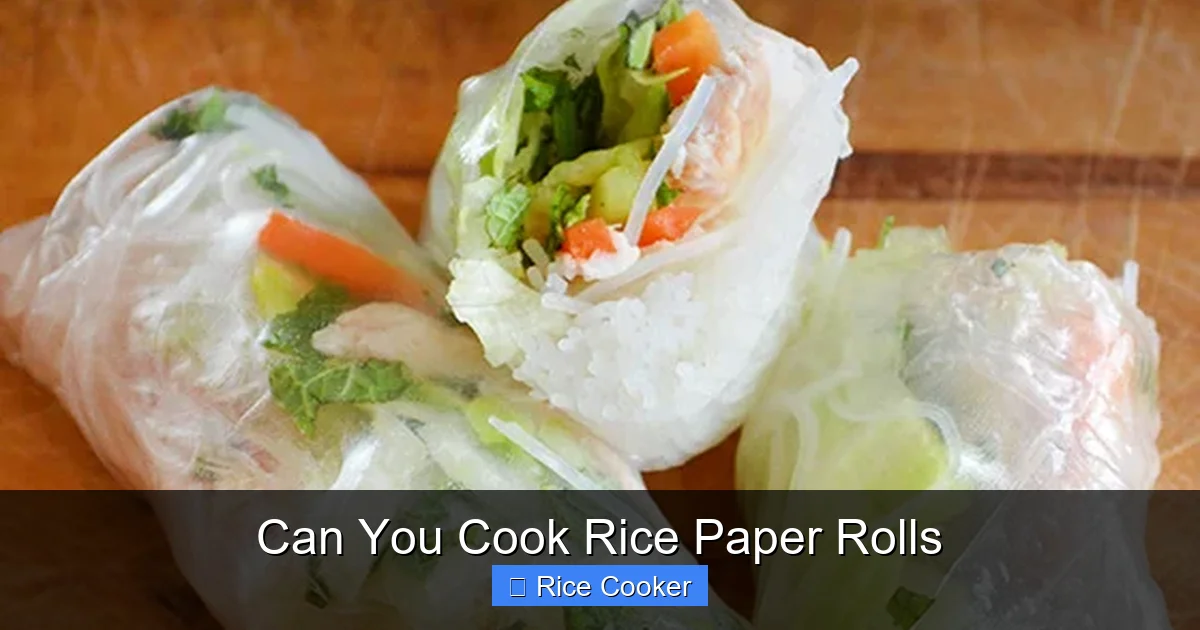
Can you cook rice paper rolls? Yes, absolutely! Whether you’re using a rice cooker, stove, or microwave, there are several ways to prepare these delicate, translucent wrappers for fresh spring rolls or fried versions. This article walks you through every method—from soaking and steaming to frying—so you can enjoy authentic, flavorful rolls at home. With simple tools and a little practice, you’ll master rice paper rolls in no time.
Key Takeaways
- Yes, you can cook rice paper rolls—but “cook” often means preparing them properly rather than traditional cooking methods like boiling or baking.
- Soaking is the most common preparation method, allowing the rice paper to soften and become pliable for filling and rolling.
- A rice cooker isn’t typically used to cook rice paper directly, but it can help create ideal conditions for steaming or rehydrating dried ingredients inside the roll.
- Fried rice paper rolls (cha gio) require high heat and oil, usually done on a stovetop, not in a rice cooker.
- Proper storage and handling prevent cracking or drying out, ensuring your rolls stay fresh and edible.
- Customizable fillings make rice paper rolls healthy and perfect for dietary preferences like vegan, gluten-free, or low-carb diets.
- Practice makes perfect—start with simple fillings and work your way up to more complex combinations.
📑 Table of Contents
- Can You Cook Rice Paper Rolls? A Complete Guide
- Understanding Rice Paper Rolls
- Methods to Prepare Rice Paper Rolls
- Making Fresh Spring Rolls (Gỏi Cuốn)
- Crispy Fried Rice Paper Rolls (Cha Gio)
- Using a Rice Cooker for Rice Paper Roll Prep
- Troubleshooting Common Issues
- Health Benefits and Dietary Options
- Creative Filling Ideas
- Final Thoughts: Mastering Rice Paper Rolls
Can You Cook Rice Paper Rolls? A Complete Guide
Rice paper rolls—those delicate, translucent Vietnamese spring rolls—are a staple of Southeast Asian cuisine. They’re light, refreshing, and packed with fresh vegetables, herbs, proteins, and sometimes noodles. But here’s the question that often comes up: can you cook rice paper rolls? The short answer is yes—but not in the way you might think. Unlike dumplings or pastries, rice paper rolls aren’t typically “cooked” by heating the wrapper itself. Instead, they’re prepared by rehydrating the paper, then filled and rolled. However, there are several techniques to “cook” or finish them, depending on the recipe. Let’s dive into everything you need to know about preparing, assembling, and serving rice paper rolls like a pro.
Whether you’re making fresh summer rolls or crispy fried rolls (known as cha gio), understanding how to handle rice paper is key. This guide covers all methods—soaking, steaming, frying—and even explores whether your rice cooker can play a role. From ingredient prep to troubleshooting common mistakes, we’ve got you covered. So grab your rice paper, some veggies, and let’s get rolling!
Understanding Rice Paper Rolls
What Are Rice Paper Rolls?
Rice paper rolls are made from a mixture of rice flour, water, and sometimes tapioca starch. This creates a thin, flexible sheet that becomes soft when moistened. Unlike wheat-based spring rolls, rice paper is naturally gluten-free and has a neutral taste, letting the fillings shine. They’re traditionally used for fresh spring rolls (gỏi cuốn) or fried rolls (chả giò).
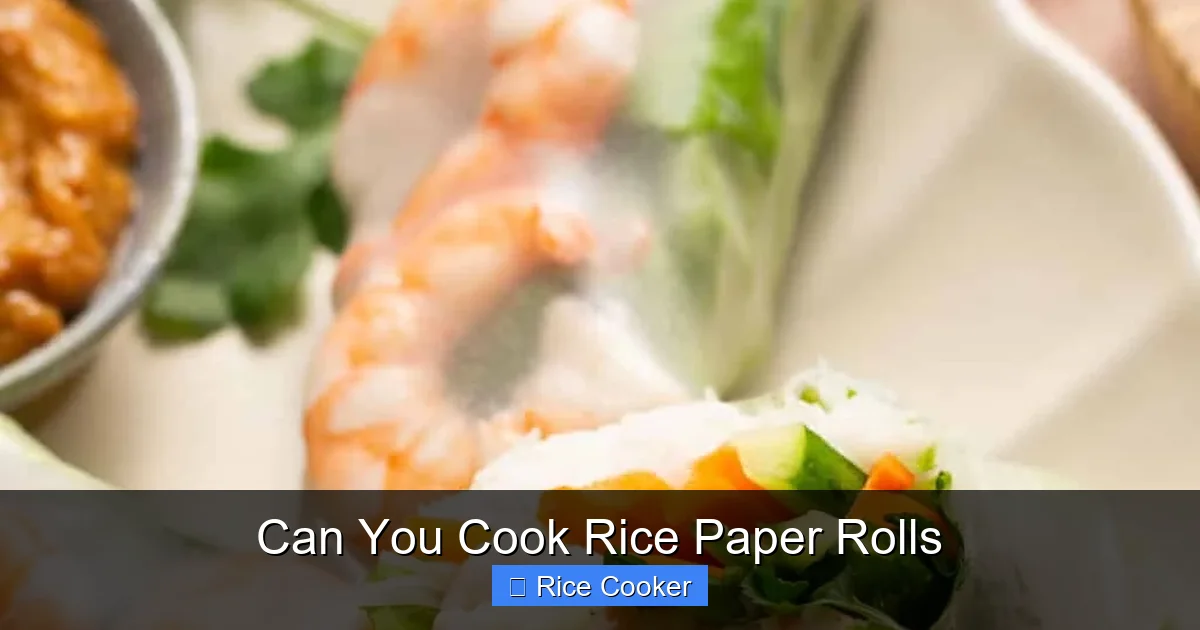
Visual guide about Can You Cook Rice Paper Rolls
Image source: laurenfitfoodie.com
Are Rice Paper Rolls Considered “Cooked”?
This is where confusion often arises. Technically, rice paper doesn’t get “cooked” like pasta or bread. Instead, it’s rehydrated—softened by water or dipping. However, many recipes refer to “cooking” the rolls when referring to the final step, such as frying or briefly steaming. So while the rice paper itself isn’t boiled or baked, the overall dish still goes through a transformation that qualifies as cooking.
Methods to Prepare Rice Paper Rolls
1. Soaking in Water (The Classic Method)
The most common way to prepare rice paper rolls is by soaking. Here’s how it works:
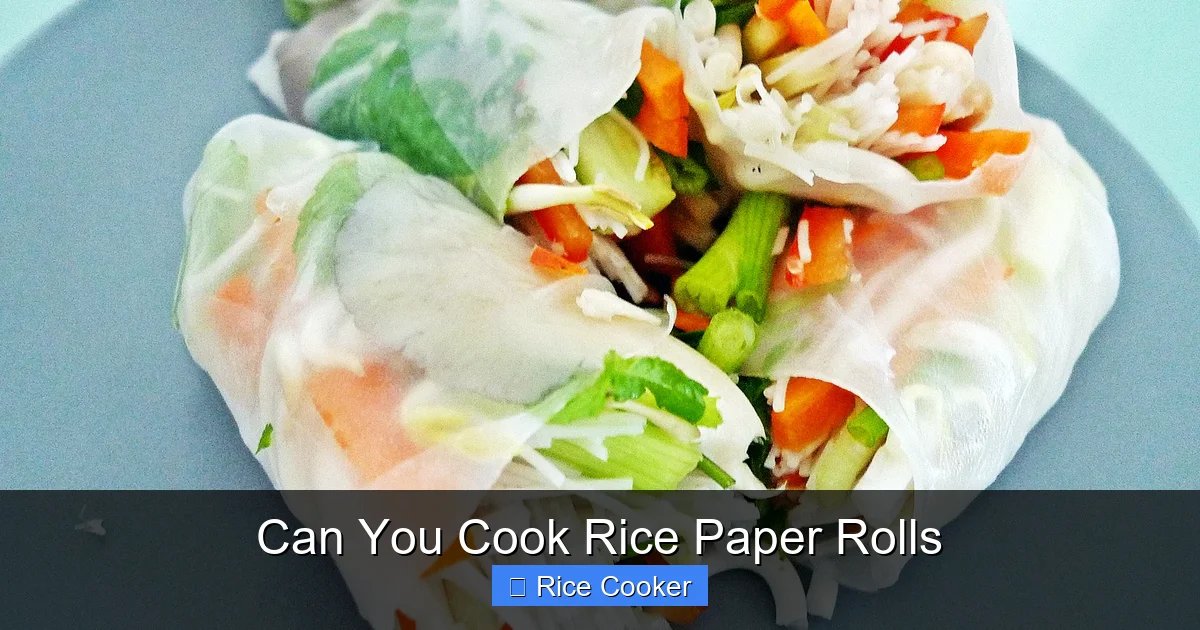
Visual guide about Can You Cook Rice Paper Rolls
Image source: 4.bp.blogspot.com
- Fill a shallow dish with warm (not hot) water.
- Dip one edge of the rice paper into the water for 5–10 seconds.
- Let it sit until it becomes translucent and pliable (usually 15–30 seconds total).
- Carefully remove it and place it on a damp cloth or clean surface.
- Repeat with other sheets as needed.
Why warm water? Cold water slows absorption, while hot water can melt the paper. Warm water strikes the perfect balance.
2. Steaming (For Extra Softness)
If you want ultra-soft rice paper rolls, try steaming instead of soaking:
- Place rice paper sheets on a heatproof plate or steamer basket.
- Steam over boiling water for 1–2 minutes.
- Remove immediately—over-steaming makes them sticky or tough.
This method is great for beginners who struggle with timing during soaking.
3. Using a Rice Cooker for Rehydration
Here’s a clever trick: can you use a rice cooker to prepare rice paper rolls? While you won’t put the rice paper directly into the cooker, you can use it to create steamy conditions for rehydrating fillings like dried mushrooms or vermicelli noodles. For example:
- Add 1 cup of water to the rice cooker bowl.
- Place a small heatproof dish with dried ingredients on top.
- Set the cooker to “warm” or “keep warm” mode after boiling.
- Let the ingredients rehydrate gently while you prepare the rice paper.
This ensures your fillings are ready when the rice paper is soft, saving time and effort.
Making Fresh Spring Rolls (Gỏi Cuốn)
Ingredients You’ll Need
- Fresh rice paper wrappers
- Banana leaves or lettuce leaves (optional, for lining)
- Thinly sliced vegetables (carrots, cucumber, bell peppers)
- Fresh herbs (mint, basil, cilantro)
- Cooked shrimp, tofu, or pork (optional)
- Rice vermicelli noodles (soaked until soft)
- Peanut dipping sauce
Step-by-Step Assembly
- Prepare all fillings and lay them out.
- Soak rice paper as described above.
- Place a few spoonfuls of filling in the center of the softened paper.
- Fold the bottom edge over the filling, then fold in the sides.
- Roll tightly upward to enclose the contents.
- Serve immediately with dipping sauce.
Tip: Keep unused rice paper covered with a damp towel to prevent drying.
Crispy Fried Rice Paper Rolls (Cha Gio)
Can You Fry Rice Paper Rolls?
Absolutely! Fried rice paper rolls are a popular variation. Here’s how to make them:
- Soak rice paper as usual, but pat dry with a paper towel before filling.
- Fill and roll tightly, sealing the edges with a bit of water if needed.
- Heat oil in a deep skillet or wok to 350°F (175°C).
- Fry rolls 2–3 minutes per side until golden brown.
- Drain on paper towels and serve hot with sweet chili sauce.
Note: Fried rolls must be eaten soon after frying to stay crisp. They don’t reheat well.
Using a Rice Cooker for Rice Paper Roll Prep
Indirect Cooking Methods
While you shouldn’t put rice paper directly into a rice cooker, you can leverage its functions for related tasks:
- Steaming fillings: As mentioned earlier, use the steam tray to soften dried ingredients.
- Reheating sauces: Keep peanut or hoisin sauce warm on the “keep warm” setting.
- Boiling water: Use the cooker to boil water for soaking rice paper (though this is less efficient than a pot).
Limitations to Keep in Mind
- Rice cookers aren’t designed for deep frying.
- They lack the high heat needed for browning or crisping.
- Direct exposure to heat can melt or warp rice paper.
So while your rice cooker isn’t a substitute for frying or steaming rolls directly, it’s a helpful kitchen assistant for prep work.
Troubleshooting Common Issues
Rice Paper Too Stiff or Cracking?
If your rice paper feels too stiff or tears during rolling, it may be under-soaked or too dry. Try:
- Using warmer water.
- Reducing soak time slightly (test a corner first).
- Working quickly so the paper doesn’t dry out.
Rolls Falling Apart?
This usually happens when:
- The filling is too wet (drain excess moisture from noodles or veggies).
- The rice paper is too dry (re-dip if needed).
- The seal isn’t tight enough (fold carefully and press edges together).
Best Practices for Storage
- Store unused rice paper in an airtight container with a damp paper towel.
- Keep refrigerated for up to 2 days.
- Do not freeze—rice paper loses flexibility and becomes brittle.
Health Benefits and Dietary Options
Nutritional Advantages
Rice paper rolls are naturally low in fat and calories, especially when served fresh. They’re rich in fiber from vegetables and herbs, and if you choose lean protein, they can be part of a balanced diet. Plus, they’re free from artificial additives when homemade.
Vegan, Gluten-Free, and Low-Carb Variations
- Vegan: Skip meat; use marinated tofu, tempeh, or jackfruit.
- Gluten-free: All rice paper is naturally GF—just avoid soy sauce with wheat; use tamari instead.
- Low-carb: Reduce rice noodles; add extra leafy greens or shredded cabbage.
Creative Filling Ideas
Classic Combinations
- Shrimp + mango + avocado + mint
- Pork + carrot + cucumber + vermicelli
- Tofu + bell pepper + basil + lime
Inspiration from Global Cuisines
- Thai-inspired: Add lemongrass-marinated chicken and Thai basil.
- Mexican twist: Swap herbs for cilantro, add black beans and corn.
- Mediterranean style: Use feta, olives, spinach, and roasted red pepper.
Final Thoughts: Mastering Rice Paper Rolls
So, back to the original question: can you cook rice paper rolls? The answer is a resounding yes—with the right techniques and tools. Whether you’re aiming for light, fresh spring rolls or golden, crispy fried treats, mastering rice paper is all about patience, practice, and attention to detail. Don’t stress if your first few attempts aren’t perfect. Even experienced cooks face wrinkles or torn papers sometimes. What matters is that you’re enjoying the process and experimenting with flavors.
And while your rice cooker might not be the star of the show, it can definitely support your journey. From warming sauces to softening ingredients, it’s a versatile ally in the kitchen. But remember: true mastery comes from hands-on experience. Grab those wrappers, fill them with something delicious, and roll your way to culinary confidence.
Rice paper rolls aren’t just food—they’re a celebration of freshness, simplicity, and creativity. Once you get the hang of it, you’ll find yourself making them regularly, impressing friends, and exploring endless filling combinations. So go ahead—dip that rice paper, assemble your dream roll, and savor every bite. You’ve got this!
Frequently Asked Questions
Can you boil rice paper rolls?
No, boiling rice paper causes it to dissolve or become mushy. Instead, soak it briefly in warm water or steam it lightly to soften without destroying its structure.
How long does it take to soften rice paper?
Rice paper typically takes 15–30 seconds in warm water to become pliable. Test by touching it—it should feel soft and slightly sticky, not wet or melted.
Can you use cold water to soak rice paper?
It’s possible, but cold water slows down absorption, requiring longer soaking times. Warm water is recommended for faster, more reliable results.
Are fried rice paper rolls healthier than fresh ones?
Fried rolls are higher in calories and fat due to the frying process, while fresh rolls are lighter and retain more nutrients. Both can be part of a balanced diet when enjoyed in moderation.
Can you reuse leftover rice paper?
Unused rice paper can be stored with a damp paper towel in an airtight container in the fridge for up to 2 days. Avoid freezing as it becomes brittle.
Do you need special tools to roll rice paper?
No special tools are required—just a clean surface, a damp cloth, and steady hands. Some people prefer banana leaves for authenticity, but they’re optional.