
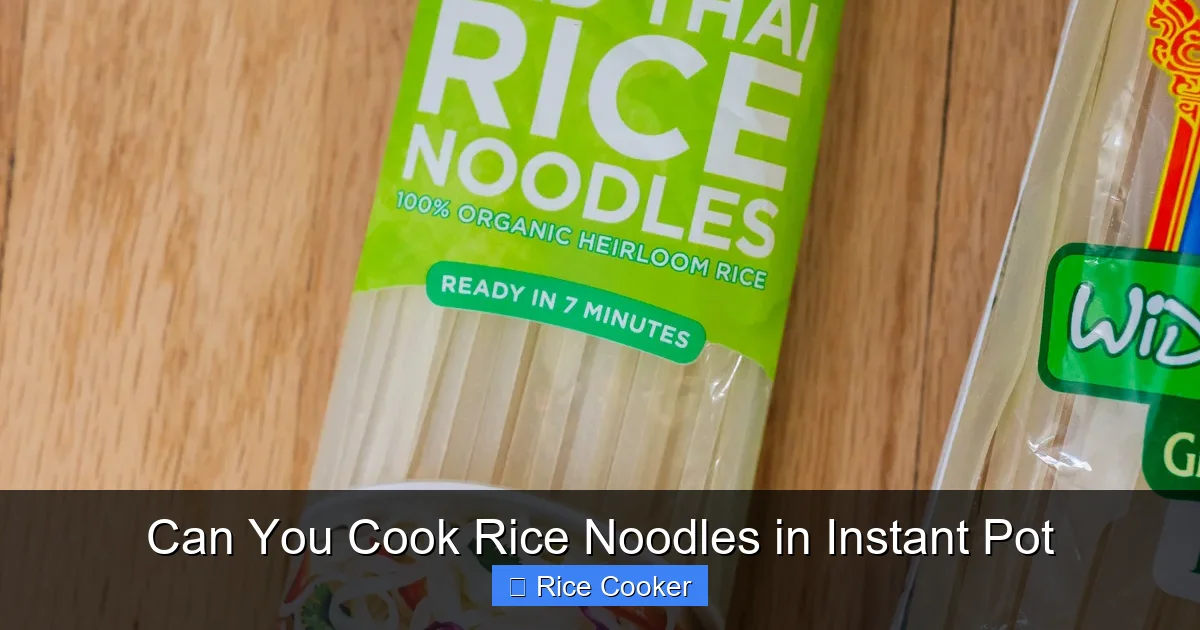
You absolutely can cook rice noodles in your Instant Pot—and it’s easier than you think. Whether you’re making stir-fry, soup, or a quick weeknight dinner, the Instant Pot delivers consistent, tender results without guesswork. With the right technique and timing, you’ll never go back to boiling them on the stove.
Have you ever been craving a warm bowl of noodle soup or a quick pad thai, only to realize your favorite rice noodles are sitting in a cupboard? You’re not alone. Rice noodles are a pantry staple in many kitchens, but their delicate texture can be tricky to handle—especially if you’re used to boiling them on the stovetop. The good news? Your Instant Pot might just be the secret weapon you’ve been missing.
The Instant Pot has revolutionized how we cook everything from stews to steamed vegetables. But what about something as simple as rice noodles? Can they really be cooked perfectly inside that little electric marvel? The answer is a resounding yes—and today, we’re diving deep into exactly how to do it. Whether you’re new to rice noodles or a seasoned pro looking for faster methods, this guide will walk you through everything you need to know to make foolproof rice noodles using your Instant Pot.
From choosing the right type of rice noodles to adjusting cooking times, we’ll cover it all. Plus, we’ll share pro tips for avoiding common pitfalls like mushy noodles or uneven cooking. By the end of this article, you’ll feel confident tossing those noodles into your Instant Pot and walking away with restaurant-quality results—without the constant stirring or babysitting required on the stovetop.
Key Takeaways
- Instant Pot cooks rice noodles quickly: Most rice noodles only need 3–5 minutes under pressure, saving time and effort.
- Pre-soaking is optional but helpful: While not always required, soaking reduces cooking time and prevents clumping.
- Use the manual or soup setting: Both work well, but the soup setting may offer more control over liquid levels.
- A quick release is usually best: This prevents overcooking and keeps noodles from becoming mushy.
- Always rinse after cooking: Rinsing stops the cooking process and removes excess starch for better texture.
- Experiment with flavors: Add sauces, proteins, and veggies post-cooking for customizable meals.
📑 Table of Contents
- Why Use an Instant Pot for Rice Noodles?
- Choosing the Right Rice Noodles
- Preparing Rice Noodles for the Instant Pot
- Cooking Rice Noodles in the Instant Pot
- Troubleshooting Common Issues
- Creative Ways to Use Cooked Rice Noodles
- Tips for Perfect Rice Noodles Every Time
- Can You Cook Other Types of Noodles in the Instant Pot?
- Final Thoughts: Why the Instant Pot Is Your New Noodle Buddy
Why Use an Instant Pot for Rice Noodles?
Cooking rice noodles on the stovetop often means watching the clock closely. Too little time, and they’re still chewy; too much, and they turn to mush. Stirring constantly is necessary to prevent sticking, and there’s always a risk of burning if you get distracted. With the Instant Pot, however, you set it and forget it. The pressurized environment ensures even heat distribution, and precise timing helps achieve that ideal al dente texture every single time.
Another benefit? Speed. Traditional rice noodles can take up to 10 minutes to cook, depending on thickness. In the Instant Pot, most varieties are ready in just 3 to 5 minutes under pressure. That’s a huge time-saver, especially on busy nights when you want dinner on the table fast.
Plus, using the Instant Pot minimizes cleanup. No more dealing with boiling water, splatters, or sticky pots. Just add noodles and liquid, press a button, and let the magic happen.
Choosing the Right Rice Noodles
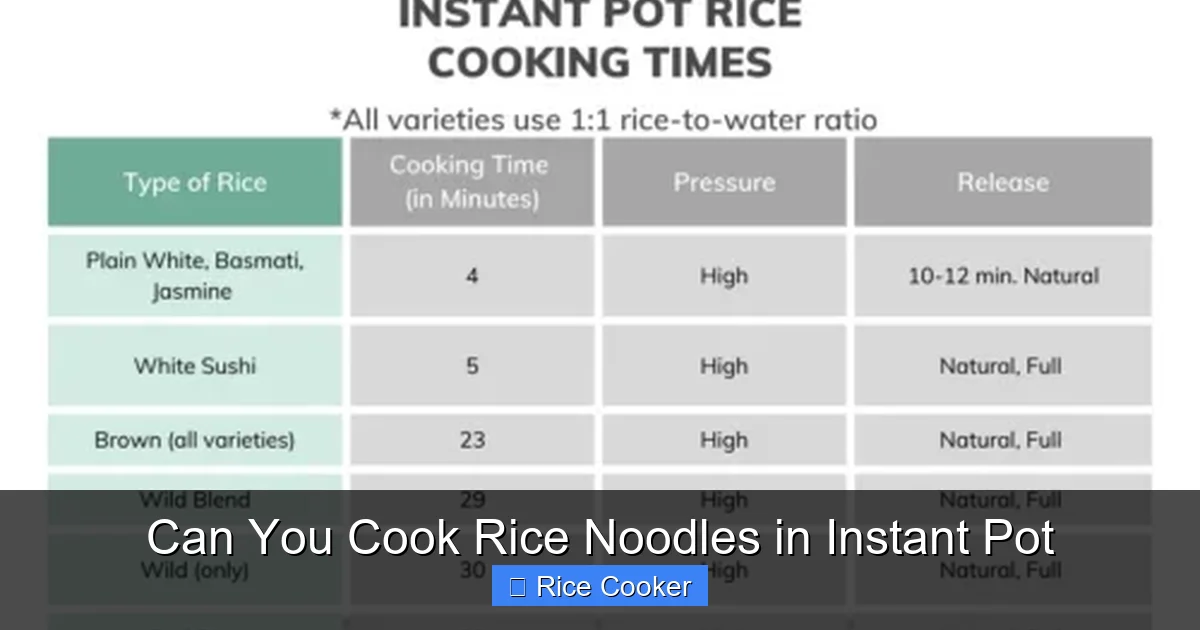
Visual guide about Can You Cook Rice Noodles in Instant Pot
Image source: favfamilyrecipes.com
Not all rice noodles are created equal—and some work better in the Instant Pot than others. Before you start, take a moment to check your package label. Look for these key indicators:
Width Matters
Rice noodles come in various widths: flat, wide, thin, and vermicelli-style. Thin rice noodles (like those used in Vietnamese spring rolls) cook fastest and are great for soups or stir-fries. Flat rice noodles (common in Thai dishes like pad see ew) hold up well to pressure cooking. Avoid overly thick or pre-fried noodles unless specified as suitable for pressure cooking—they may require longer soaking.
Fresh vs. Dried
Fresh rice noodles are softer and cook quickly. They’re best used within a few days and should be handled gently to avoid breaking. Dried rice noodles are firmer and more durable, making them ideal for pressure cooking. They also have a longer shelf life and absorb liquid evenly during cooking.
Avoid Pre-Fried or Flash-Fried Varieties
These noodles are already partially cooked and fried for shelf stability. When exposed to high pressure and moisture, they can become gummy or disintegrate. Stick to dried or fresh uncooked rice noodles for the best results.
Preparing Rice Noodles for the Instant Pot
Visual guide about Can You Cook Rice Noodles in Instant Pot
Image source: i2.wp.com
Even though the Instant Pot simplifies the process, proper preparation makes all the difference. Here’s how to get started:
Soak Them First (Optional but Recommended)
While not mandatory, soaking rice noodles before cooking softens them slightly and cuts down on overall cooking time. Simply place the noodles in a bowl and cover them with warm water. Let them sit for 10–30 minutes until pliable. Drain thoroughly before adding to the pot. This step is especially helpful if you’re using thick or extra-dried noodles.
Measure Accurately
Too few noodles? Undercooked meal. Too many? A sticky disaster. As a general rule, plan for about 1 cup of dry rice noodles per person. If you’ve soaked them, reduce the amount slightly since they’ll expand during cooking.
Don’t Overcrowd the Pot
Your Instant Pot needs room for steam to circulate. If you’re cooking large quantities, consider doing it in batches. Overloading leads to uneven cooking and potential clumping.
Cooking Rice Noodles in the Instant Pot
Now comes the fun part—actually cooking those noodles! Follow these steps for foolproof results every time.
Step 1: Add Liquid
Fill the Instant Pot with enough liquid to cover the noodles by at least an inch. Water works fine, but broth adds flavor. For every cup of dry noodles, use 2 cups of liquid. Too little liquid risks scorching; too much extends cooking time unnecessarily.
Step 2: Add Noodles
Place the rinsed or soaked noodles directly into the pot. Gently separate any clumps with your fingers. There’s no need to oil the pot—rice noodles don’t stick as easily as other grains.
Step 3: Seal and Set Pressure
Close the lid securely and turn the valve to the sealing position. Select the “Manual” or “Pressure Cook” function and set the timer based on your noodle type:
– Thin rice noodles: 3 minutes
– Flat or medium-width noodles: 4 minutes
– Wide or extra-thick noodles: 5 minutes
If you soaked the noodles beforehand, subtract 1 minute from the recommended time.
Step 4: Natural or Quick Release?
For rice noodles, a quick release is almost always best. Press the “Cancel” button, then manually vent the steam by turning the valve to “Venting.” Wait until the float pin drops before opening. Natural release can cause overcooking, especially for delicate noodles.
Step 5: Rinse and Drain
Once opened, immediately rinse the noodles under cold running water. This stops the cooking process and washes away excess starch, giving them a cleaner taste and smoother texture. Drain well before using in your recipe.
Troubleshooting Common Issues
Even with the best techniques, mistakes happen. Here’s how to fix common problems:
Problem: Mushy or Overcooked Noodles
This usually happens due to too much liquid, too long cooking time, or natural release. Next time, reduce cooking time by 1 minute and stick with quick release. Also, avoid overfilling the pot.
Problem: Clumpy or Sticky Noodles
Starch buildup causes this. Always rinse thoroughly after cooking, and make sure you’re not overcrowding the pot. Using broth instead of water can also help reduce stickiness.
Problem: Noodles Didn’t Cook Through
Check your Instant Pot seal and ensure there’s enough liquid. Sometimes, if the valve isn’t fully sealed, pressure fails to build properly. Also, verify that your noodles are the right type—pre-fried ones won’t cook correctly under pressure.
Problem: Burnt Bottom Layer
This indicates insufficient liquid. Always follow the 2:1 ratio (liquid to dry noodles) and avoid cooking on high heat after pressure release.
Creative Ways to Use Cooked Rice Noodles
Once your noodles are perfectly cooked, the real creativity begins. Here are some delicious ideas:
Pad Thai
Toss cooked rice noodles with tamarind sauce, fish sauce, garlic, eggs, shrimp or tofu, bean sprouts, and crushed peanuts. Stir-fry briefly to heat through and serve hot.
Vietnamese Pho-Style Soup
Combine cooked rice noodles with your favorite pho broth, sliced beef or chicken, cilantro, lime wedges, and jalapeños. Top with a soft-boiled egg for extra richness.
Thai Curry Noodle Bowl
Add coconut milk-based curry paste to the Instant Pot along with protein and vegetables. Simmer for 3 minutes, then stir in cooked rice noodles and fresh basil.
Mediterranean Grain Salad
Mix cooled cooked rice noodles with cherry tomatoes, cucumber, feta cheese, olives, lemon juice, and olive oil. Perfect for meal prep!
Spring Roll Wraps
Use thin rice noodles as a base layer in fresh spring rolls with shrimp, herbs, and lettuce. Serve with peanut dipping sauce.
Tips for Perfect Rice Noodles Every Time
Want consistent results? Try these expert-approved tips:
– Use warm water for soaking: Cold water takes longer to soften noodles.
– Test doneness early: If unsure, open the pot halfway through cooking to check texture.
– Store leftovers properly: Keep cooked rice noodles in an airtight container with a splash of oil to prevent sticking.
– Reheat gently: Add a splash of water or broth and microwave or stir-fry lightly to revive texture.
– Label your Instant Pot settings: Save a custom program for rice noodles so you don’t have to recalibrate each time.
Can You Cook Other Types of Noodles in the Instant Pot?
Absolutely! The Instant Pot works great with many noodle varieties:
– Udon noodles: Soak first, then cook for 3–4 minutes.
– Soba noodles: Best soaked briefly before pressure cooking for 2–3 minutes.
– Ramen noodles: Add directly to soup or broth for 2 minutes under pressure.
– Egg noodles: Cook for 2–3 minutes—watch closely to avoid mushiness.
Each type may require slight adjustments, but the principle remains the same: measure, soak if needed, cook briefly, and rinse.
Final Thoughts: Why the Instant Pot Is Your New Noodle Buddy
Cooking rice noodles in the Instant Pot isn’t just convenient—it’s transformative. No more watching the clock, no more stirring nonstop, no more worrying about burning the bottom. Instead, you get consistent, tender noodles ready for whatever dish you dream up. Whether you’re whipping up a quick weeknight stir-fry or serving a comforting bowl of noodle soup, the Instant Pot delivers reliability and speed.
And the best part? Once you master this method, you’ll find yourself reaching for your Instant Pot more often—not just for rice noodles, but for countless other recipes too. It’s one of those kitchen tools that truly earns its keep.
So next time you open that bag of rice noodles, don’t head straight for the pot. Head straight for your Instant Pot instead. Your future self will thank you.
Frequently Asked Questions
How long do you cook rice noodles in an Instant Pot?
Most rice noodles cook in 3–5 minutes under pressure, depending on thickness. Thin noodles need 3 minutes; wider ones may require up to 5. Always check doneness before releasing pressure.
Do I need to soak rice noodles before cooking them in the Instant Pot?
Soaking is optional but recommended—especially for thicker noodles. It softens them slightly and reduces total cooking time. Soak in warm water for 10–30 minutes, then drain before cooking.
Can you cook pre-cooked or flash-fried rice noodles in the Instant Pot?
It’s not ideal. Pre-fried noodles are already partially cooked and can become gummy or fall apart under pressure. Stick to dried or fresh uncooked rice noodles for best results.
Should I use quick release or natural release for rice noodles?
Quick release is best. It stops the cooking process immediately, preventing overcooking. Natural release can make noodles too soft or mushy.
Why should I rinse rice noodles after cooking?
Rinsing stops the cooking process and removes excess starch, which prevents clumping and gives a cleaner taste. Always use cold water and drain well.
Can I add sauce or seasonings to the Instant Pot while cooking rice noodles?
Yes, but only mild sauces that won’t break down the pressure seal. Broth, soy sauce, or light curry paste work well. Avoid heavy oils or solid chunks that could interfere with sealing.