
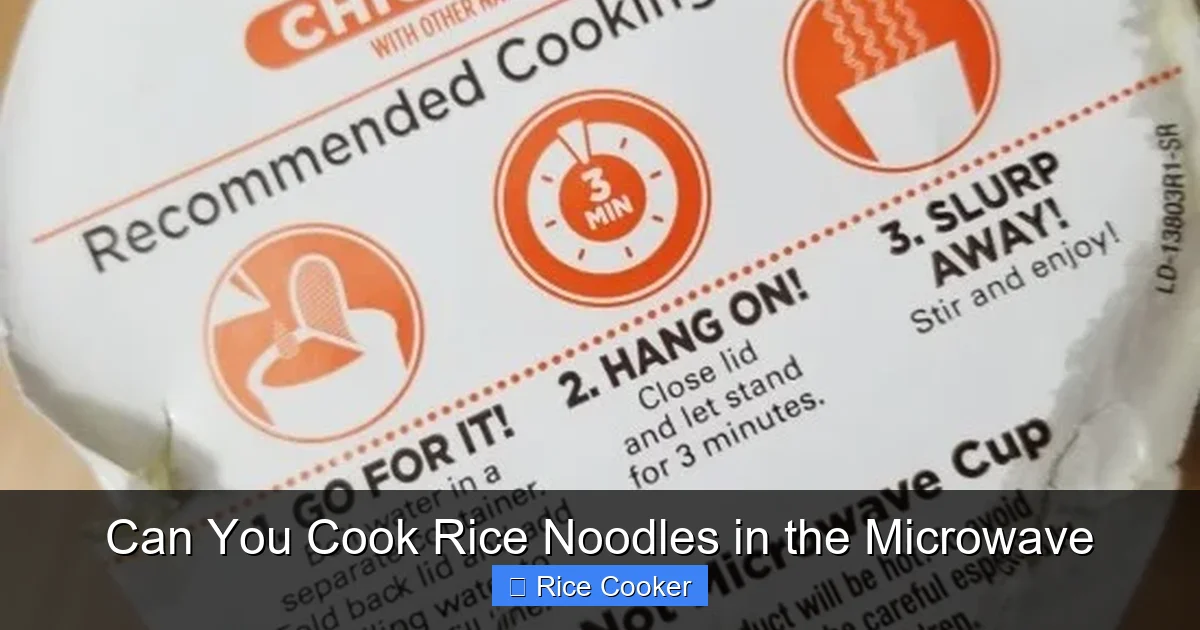
Yes, you can absolutely cook rice noodles in the microwave! It’s a fast, convenient method that saves time and requires minimal equipment. This guide walks you through step-by-step instructions, tips for perfect texture, and creative recipe ideas so you can enjoy flavorful rice noodles without a stovetop or rice cooker.
Key Takeaways
- Microwave cooking is fast: Rice noodles can be cooked in under 5 minutes, making them ideal for quick meals.
- No special equipment needed: You only need a microwave-safe bowl, water, and a lid or plastic wrap.
- Texture control matters: Cooking time affects chewiness—shorter times = softer noodles; longer = firmer bite.
- Pre-soaking helps: For extra softness, soak dried rice noodles in warm water before microwaving.
- Seasoning works best after cooking: Add sauces, herbs, and proteins after noodles are done to avoid sogginess.
- Safety first: Always use microwave-safe containers and avoid metal or foil.
- Great for beginners: Microwave cooking is simple, mess-free, and perfect for dorm rooms or small kitchens.
📑 Table of Contents
- Can You Cook Rice Noodles in the Microwave?
- Why Choose Microwave Cooking for Rice Noodles?
- Choosing the Right Type of Rice Noodles
- Step-by-Step Guide: How to Cook Rice Noodles in the Microwave
- Flavor Hacks: Elevating Your Microwaved Rice Noodles
- Common Mistakes and How to Avoid Them
- Microwave Cooking vs. Other Methods
- Creative Recipes Using Microwaved Rice Noodles
- Safety Tips for Microwave Cooking
- Conclusion: Mastering Rice Noodles in the Microwave
Can You Cook Rice Noodles in the Microwave?
If you’re craving something light, flavorful, and quick—rice noodles are a fantastic choice. Whether you’re whipping up a stir-fry, making a cold noodle salad, or just want a comforting bowl of Vietnamese pho-inspired soup, rice noodles deliver. But what if you don’t have access to a stove or a rice cooker? Can you still cook rice noodles in the microwave?
The short answer: yes, absolutely! Microwaving rice noodles is not only possible—it’s one of the easiest and most convenient ways to prepare them. With just a few simple steps, you can have tender, ready-to-eat noodles in under 10 minutes. No rice cooker? No problem. This method is perfect for college students, busy professionals, or anyone looking to simplify their meal prep. In this guide, we’ll walk you through everything you need to know—from choosing the right noodles to mastering the perfect texture and flavor.
Why Choose Microwave Cooking for Rice Noodles?
Microwaving rice noodles offers several advantages that make it a go-to method for many home cooks. First, it’s incredibly fast. Unlike boiling on the stove, which can take 8–12 minutes, microwaving typically takes just 3–6 minutes. Second, it uses less energy and fewer dishes—perfect for small kitchens or solo living. Third, it’s beginner-friendly. There’s no need to monitor heat levels or worry about burning the noodles.

Visual guide about Can You Cook Rice Noodles in the Microwave
Image source: i.ytimg.com
The Benefits of Using the Microwave
One of the biggest perks of microwaving rice noodles is convenience. Imagine you’re craving a quick lunch but don’t want to deal with pots, pans, and cleanup. The microwave handles everything in one container. Plus, it’s ideal for dorm rooms, offices, or RVs where full kitchen setups aren’t available.
Another advantage is control over texture. Because microwaves heat quickly and evenly, you can stop the cooking process at the exact moment the noodles reach your desired firmness. This is especially helpful if you prefer al dente noodles over mushy ones.
Common Misconceptions
Some people believe that microwaving rice noodles will result in uneven cooking or a gummy texture. While this can happen if not done correctly, proper technique eliminates these issues. The key is using enough water, covering the dish, and stirring halfway through. With practice, you’ll get consistently great results every time.
Choosing the Right Type of Rice Noodles
Before diving into the cooking process, it’s important to understand the different types of rice noodles available. Not all rice noodles are created equal, and some work better in the microwave than others.
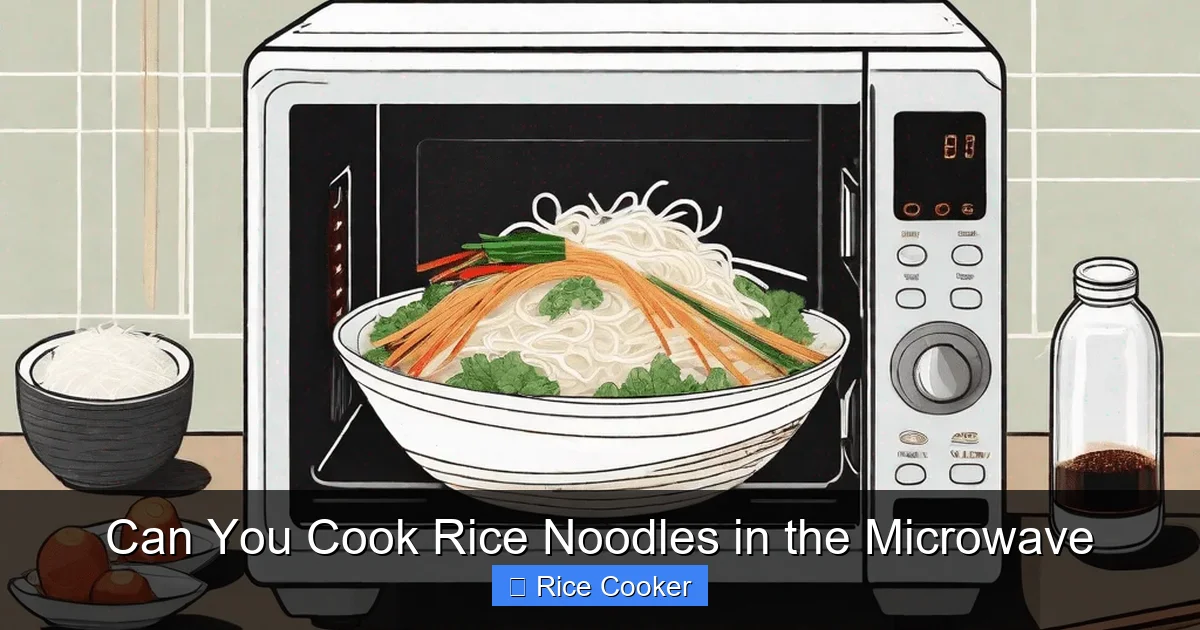
Visual guide about Can You Cook Rice Noodles in the Microwave
Image source: ricearray.org
Dried vs. Fresh Rice Noodles
Dried rice noodles are made from rice flour and water, then cut into thin strands. They have a shelf life of months and are commonly used in Southeast Asian dishes like pad Thai, vermicelli salads, and spring rolls. These are ideal for microwave cooking because they absorb water efficiently and cook quickly.
Fresh rice noodles, on the other hand, are soft, pliable, and often sold refrigerated. They cook faster than dried noodles but may become too soft if overcooked. While you can technically microwave fresh rice noodles, they usually require less cooking time—just 1–2 minutes. However, they’re more delicate and may tear during handling.
Popular Varieties
- Sen Mai (Vietnamese rice vermicelli): Thin, translucent, and great for soups or summer rolls.
- Pad Thai noodles: Slightly thicker, perfect for stir-fries.
- Rice stick noodles: Long, flat, and chewy—best for curries and clay pot dishes.
For microwave cooking, dried rice noodles are your best bet due to their consistent shape and reliable cooking behavior.
Step-by-Step Guide: How to Cook Rice Noodles in the Microwave
Ready to try it yourself? Follow this simple, foolproof method for perfectly cooked rice noodles in the microwave.
What You’ll Need
- 1 serving of rice noodles (about 100–150 grams)
- Microwave-safe bowl (glass or ceramic)
- Water (enough to cover the noodles)
- Lid or microwave-safe plate (to cover the bowl)
- Strainer or colander
- Optional: salt, oil, or broth for added flavor
Step 1: Measure Your Noodles
Start by measuring out the amount of rice noodles you plan to eat. A typical single serving is around 100–150 grams (about 3.5–5 ounces). If you’re new to cooking noodles, start with less—you can always cook more next time.
Step 2: Soak the Noodles (Optional but Recommended)
While not mandatory, soaking dried rice noodles in warm water for 10–15 minutes softens them slightly, reducing total cooking time and improving texture. Simply place the noodles in a bowl and cover them with warm water. Let them sit while you prepare other ingredients.
Step 3: Add Water and Noodles to the Bowl
Drain any excess water from soaked noodles (if applicable), then place them in your microwave-safe bowl. Pour in enough water to fully submerge the noodles—usually about 2–3 cups for a standard serving. Adding a pinch of salt or a splash of oil can enhance flavor and prevent sticking.
Step 4: Cover and Microwave
Cover the bowl tightly with a lid or microwave-safe plastic wrap. Poke a few small holes in the plastic wrap to allow steam to escape. Microwave on high power for 3 minutes. Check the noodles—they should be mostly soft but still slightly chewy. If not, microwave in 30-second increments until done.
Step 5: Stir and Continue Cooking
Carefully remove the bowl (it will be hot!). Stir the noodles gently to ensure even cooking. Return to the microwave and cook for another 1–2 minutes, depending on thickness. Overcooking leads to mushiness, so keep an eye on them.
Step 6: Drain and Rinse
Once the noodles are tender, drain them in a fine-mesh strainer. Rinse briefly with cool water to stop the cooking process and wash away excess starch. This also gives the noodles a cleaner taste and prevents clumping.
Pro Tips for Success
- Use a larger bowl: Extra space prevents boiling over.
- Don’t overcrowd: Cook one serving at a time for best results.
- Stir halfway: Prevents uneven heating and sticking.
- Test for doneness: Taste a strand before finishing to avoid overcooking.
Flavor Hacks: Elevating Your Microwaved Rice Noodles
Cooked rice noodles are delicious on their own, but they shine when paired with bold flavors. Here are some creative ways to turn plain noodles into restaurant-quality meals—all using just your microwave.
Quick Sauce Ideas
Instead of waiting for a full sauce pan, try microwaving sauces directly in a small bowl. For example:
- Peanut Sauce: Mix peanut butter, soy sauce, lime juice, honey, and water. Heat in the microwave for 30 seconds, stir, and toss with noodles.
- Sweet Chili Dipping Sauce: Combine chili garlic sauce, vinegar, sugar, and sesame oil. Warm slightly and drizzle over cooled noodles.
- Garlic Soy Dressing: Blend garlic, soy sauce, rice vinegar, and a touch of sugar. Microwave for 20 seconds, then mix with noodles.
Protein Add-Ons
Add lean protein to make your meal complete. Try:
- Tofu or tempeh: Cube and lightly pan-fry before mixing in.
- Shrimp or chicken: Cook separately in the microwave (3–4 minutes) and combine with noodles.
- Veggies: Steam broccoli, carrots, or bell peppers alongside the noodles for color and nutrition.
Cold vs. Hot Rice Noodles
Depending on the dish, you might prefer cold or hot noodles:
- Cold rice noodle salads: Rinse cooked noodles under cold water, pat dry, and toss with fresh herbs, mint, basil, and a tangy dressing.
- Hot noodle bowls: Serve immediately with broth, vegetables, and protein for a warm, comforting meal.
Common Mistakes and How to Avoid Them
Even experienced cooks can run into trouble when microwaving rice noodles. Here are the most common pitfalls and how to fix them.
Mushy or Overcooked Noodles
If your noodles come out gummy, you likely overcooked them. To avoid this:
- Stick to shorter cooking times.
- Check every 30 seconds after the initial 3-minute mark.
- Rinse immediately once tender.
Uneven Cooking
Noodles clump together and cook unevenly if not stirred. Always stir halfway through microwaving. For best results, break apart clumps gently before adding water.
Bowl Overflowing
Water can boil over if the bowl isn’t covered properly or has too much water. Use a deep bowl, cover tightly, and don’t add more than 2–3 cups of water per serving.
Starchy Residue
If noodles feel slimy, rinse them thoroughly under running water after draining. Starch buildup causes stickiness—this step is crucial for clean-tasting noodles.
Microwave Cooking vs. Other Methods
How does microwaving compare to boiling, steaming, or using a rice cooker? Let’s break it down.
Microwave vs. Boiling
Boiling is traditional and yields great results, but it takes longer and uses more energy. The microwave wins on speed and convenience, though boiling allows better control over texture for some users.
Microwave vs. Steaming
Steaming preserves nutrients and gives a lighter texture, but it requires a steamer basket and more time. The microwave skips the extra equipment and gets you eating faster.
Microwave vs. Rice Cooker
A rice cooker can cook rice noodles automatically, but it’s not designed for them and may not give optimal results. The microwave is more versatile and widely available.
Best Method for Different Situations
| Situation | Recommended Method |
|---|---|
| Quick lunch at work | Microwave |
| Family dinner with broth | Boil in pot |
| Meal prep ahead of time | Steam and chill |
| Dorm room cooking | Microwave |
Creative Recipes Using Microwaved Rice Noodles
Let’s put theory into practice with three delicious, easy recipes you can make entirely in the microwave.
1. Microwave Pad Thai
Ingredients:
- 100g rice noodles
- 2 tbsp vegetable oil
- 1 cup bean sprouts
- 2 green onions, chopped
- 1 clove garlic, minced
- 2 tbsp tamarind paste
- 2 tbsp soy sauce
- 1 tbsp brown sugar
- Handful of crushed peanuts
Instructions:
- Cook rice noodles in microwave as directed. Drain and set aside.
- In a microwave-safe bowl, mix tamarind paste, soy sauce, and sugar. Microwave for 30 seconds.
- Add oil, garlic, and noodles. Microwave for 1 minute. Stir.
- Add bean sprouts and green onions. Toss to combine.
- Garnish with peanuts and serve immediately.
2. Cold Sesame Noodle Salad
Ingredients:
- 100g rice noodles
- 2 tbsp sesame oil
- 2 tbsp soy sauce
- 1 tbsp rice vinegar
- 1 tsp honey
- 1 cucumber, julienned
- Carrot ribbons
- Cilantro and sesame seeds
Instructions:
- Cook noodles and rinse under cold water. Pat dry.
- Whisk together sesame oil, soy sauce, vinegar, and honey.
- Toss noodles with veggies and dressing.
- Chill for 10 minutes before serving.
3. Spicy Tom Yum Noodle Soup
Ingredients:
- 100g rice noodles
- 2 cups water or vegetable broth
- 1 packet tom yum paste
- 1 stalk lemongrass (optional)
- 1 cup mushrooms
- Lime wedges and cilantro
Instructions:
- Cook noodles and set aside.
- In a microwave-safe bowl, combine broth, tom yum paste, and lemongrass. Microwave for 2 minutes.
- Add mushrooms and cook for another minute.
- Stir in noodles and garnish with lime and cilantro.
Safety Tips for Microwave Cooking
Microwaving rice noodles is safe when done correctly. Follow these guidelines to avoid accidents.
- Never use metal containers or aluminum foil. They cause sparks and damage your microwave.
- Use oven mitts when removing hot bowls.
- Ventilate steam by lifting the lid carefully.
- Check temperature** before serving—especially if serving children.
- Clean your microwave regularly to prevent food residue buildup.
Conclusion: Mastering Rice Noodles in the Microwave
Cooking rice noodles in the microwave is not just possible—it’s practical, efficient, and surprisingly tasty. With the right technique, you can achieve tender, flavorful noodles in under 10 minutes, whether you’re making a quick stir-fry, a cold salad, or a warming soup. You don’t need a rice cooker or fancy equipment. Just a microwave, a bowl, and a little know-how.
This method shines in situations where time, space, or simplicity matter most. Whether you’re a student, a traveler, or someone who loves fast meals, mastering microwave rice noodles opens up a world of culinary possibilities. Try different types of noodles, experiment with sauces, and soon you’ll have a go-to skill that makes every meal easier and more enjoyable.
So go ahead—grab those rice noodles and fire up your microwave. Your next delicious dish is just minutes away.
Frequently Asked Questions
How long do I microwave rice noodles?
Typically, rice noodles take 3–5 minutes in the microwave. Start with 3 minutes, then check and continue in 30-second intervals until tender.
Do I need to soak rice noodles before microwaving?
Soaking is optional but recommended. It softens the noodles and reduces cooking time. Soak dried noodles in warm water for 10–15 minutes before microwaving.
Can I reuse leftover rice noodles?
Yes, but rinse them well and store in the refrigerator for up to 2 days. Reheat in the microwave with a splash of water to restore moisture.
Why are my rice noodles sticky after microwaving?
Sticky noodles are caused by excess starch. Rinse them thoroughly under cold water after draining to remove starch and prevent clumping.
Can I cook frozen rice noodles in the microwave?
Frozen rice noodles may cook unevenly. Thaw them first, then follow standard microwave instructions. Cooking time may increase slightly.
Is it safe to cover rice noodles with plastic wrap in the microwave?
Only use microwave-safe plastic wrap. Poke small holes to release steam. Avoid touching the wrap to hot noodles when removing.