
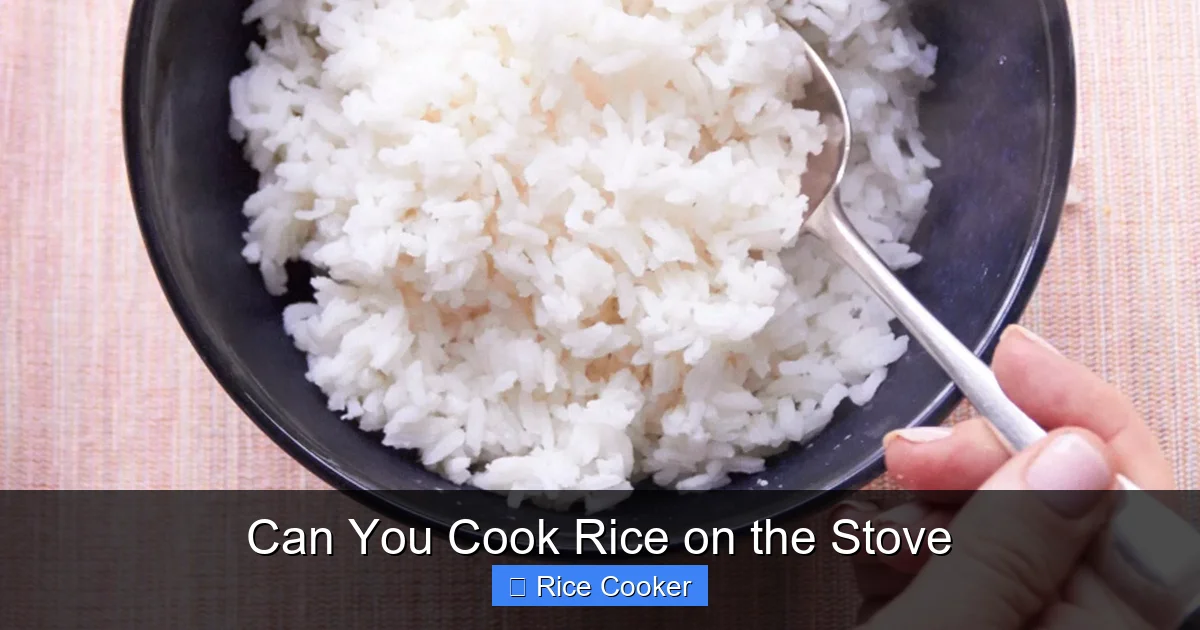
Cooking rice on the stove is not only possible—it’s simple and reliable. Whether you’re using a pot with a tight-fitting lid or trying to mimic your rice cooker, mastering stovetop rice ensures fluffy, flavorful results. With the right water ratio, heat control, and timing, you’ll never worry about mushy or undercooked grains again.
Key Takeaways
- You don’t need a rice cooker to make great rice. The stovetop method is tried-and-true and gives you full control over texture and flavor.
- Use the right pot and lid. A heavy-bottomed saucepan with a tight-fitting lid prevents sticking and helps retain steam.
- Measure water accurately. Most white rice requires a 1:2 ratio of rice to water, but this varies by grain type.
- Simmer, don’t boil. Once boiling, reduce heat to low and cover to let the rice absorb moisture slowly.
- Let it rest after cooking. Standing covered for 5–10 minutes allows steam to finish the process and fluffs the grains.
- Experiment with seasonings. Add broth, butter, or spices during cooking to boost flavor without extra effort.
- Clean-up is easy. Use minimal oil and avoid scrubbing stuck-on rice; a little soaking goes a long way.
[FEATURED_IMAGE_PLACEHOLDER]
Can You Cook Rice on the Stove? Yes—and It’s Easier Than You Think!
We’ve all been there: standing in the kitchen, staring at a rice cooker, wondering if it’s really worth the investment. But here’s the truth: you absolutely can cook rice on the stove, and in many ways, it’s just as effective—if not better—than relying on an appliance. Whether you’re camping without electricity, prefer stovetop cooking for its responsiveness, or simply don’t own a rice cooker, mastering this basic skill puts you in control of your meals.
Rice is one of the world’s most beloved staple foods—simple, filling, and incredibly versatile. From jasmine to basmati to brown rice, each variety has its own quirks, but they all share a common starting point: water, heat, and patience. And yes, that means you can cook them directly on your gas or electric stove. In fact, many home cooks swear by the stovetop method because it allows for real-time adjustments, like checking doneness or adding aromatics mid-cook.
In this guide, we’ll walk you through everything you need to know about cooking rice on the stove—from choosing the right pan to perfecting the water ratio and knowing when your rice is truly done. By the end, you’ll feel confident making restaurant-quality rice without ever touching a rice cooker button.
The Basics: What You Need to Get Started
Before you start heating up your burner, gather these essentials:
- A heavy-bottomed saucepan with a tight-fitting lid (aluminum foil works in a pinch)
- Fresh or rinsed rice (depending on type)
- Measuring cups and spoons
- A fork or rice paddle for fluffing
- Optional: butter, oil, or broth for added flavor
The key to success lies in your pot. Thin aluminum pots heat unevenly and can cause scorching, while nonstick surfaces may damage with high heat. Opt for stainless steel or cast iron—they distribute heat evenly and handle temperature changes gracefully. If you only have a cheap pan, consider lining it with parchment paper to prevent sticking.
Now, let’s talk rice. White rice (like jasmine or long-grain) tends to be more forgiving than brown rice, which has a tougher outer bran layer and requires longer soaking and higher water ratios. We’ll cover both types below.
Choosing the Right Rice for Stovetop Cooking
White vs. Brown Rice
Not all rice is created equal when it comes to stovetop cooking. Here’s how they compare:
- White rice (e.g., basmati, jasmine, long-grain): Cooks faster, absorbs water efficiently, and yields tender, separate grains. Ideal for beginners.
- Brown rice: Higher fiber content means it takes longer to soften. Requires soaking and more water. Texture is chewier, often preferred in Asian cuisines like sushi or risotto-style dishes.
Short-Grain, Medium-Grain, and Long-Grain Varieties
Grain length affects how rice behaves during cooking:
- Short-grain (e.g., sushi rice): Sticky when cooked, ideal for rolls and desserts.
- Medium-grain (e.g., arborio): Creamy and clingy—perfect for risottos.
- Long-grain (e.g., basmati, jasmine): Fluffy and dry, great for pilafs or side dishes.
For stovetop beginners, stick with long-grain white rice. It’s predictable, widely available, and forgiving if you accidentally add too much or too little water.
Step-by-Step Guide: How to Cook Perfect Stovetop Rice
Step 1: Rinse Your Rice (Optional but Recommended)
While some traditional recipes skip rinsing, modern chefs recommend it. Rinsing removes excess starch, which prevents clumping and creates fluffier rice. Simply place rice in a fine-mesh strainer and rinse under cold water until the water runs clear—about 30 seconds per cup.
Note: Do NOT rinse brown rice aggressively—it needs its natural oils.
Step 2: Measure Water Accurately
This is where most people go wrong. Too much water = mushy rice. Too little = crunchy rice. Here are standard ratios:
- White rice: 1 cup rice : 2 cups water
- Brown rice: 1 cup rice : 2.5 cups water
- Sushi rice: 1 cup rice : 1.1 cups water
Adjust slightly based on altitude or personal preference. High altitudes may require a bit more water due to lower boiling points.
Step 3: Combine Rice, Water, and Seasonings
Add your rinsed rice and water to the pot. For extra flavor, swap half the water with vegetable or chicken broth, or add a teaspoon of butter or olive oil. Salt enhances taste—add a pinch at this stage.
Example: For 1 cup jasmine rice, use 2 cups warm broth + 1 tsp butter + pinch of salt.
Step 4: Bring to a Boil
Turn your stove to high heat. Stir once quickly to prevent clumping, then bring to a rolling boil. You’ll see bubbles forming rapidly along the edges.
Step 5: Reduce Heat and Simmer
Once boiling, immediately reduce heat to low. Cover the pot tightly with a lid or aluminum foil. Let it simmer undisturbed for:
- White rice: 15–18 minutes
- Brown rice: 30–40 minutes
Do not lift the lid during this time—steam must build pressure to finish cooking the grains.
Step 6: Turn Off Heat and Let It Rest
After simmering, turn off the heat but keep the pot covered. Allow rice to sit for 5–10 minutes. This resting period lets residual steam complete the cooking process and separates the grains.
Step 7: Fluff and Serve
Gently fluff with a fork or rice paddle. Avoid stirring vigorously—this breaks the grains. Serve immediately while warm.
Pro Tips for Fluffier, Better-Tasting Rice
Even experienced cooks can improve their technique. Try these expert-approved hacks:
- Use room-temperature water instead of cold—it heats evenly and shortens cooking time.
- Don’t peek! Lifting the lid drops internal temperature and releases steam, leading to uneven results.
- Try the “water displacement” trick: After bringing to a boil, tilt the lid slightly to allow steam to escape—this prevents sogginess.
- Add a splash of vinegar or lemon juice during the last minute of cooking for brighter flavor (great for sushi rice).
- Store leftover rice properly: Cool completely, cover with a damp cloth or plastic wrap to prevent drying out.
Troubleshooting Common Rice Problems
No matter how careful you are, mistakes happen. Here’s how to fix them:
Mushy or Sticky Rice?
This usually means too much water or overcooking. Next time, reduce water by 1/4 cup and cut cooking time by 2–3 minutes. Also, ensure you’re using a tight-fitting lid.
Undercooked or Gummy Rice?
Undercooked rice often results from insufficient water or high heat. Always simmer on low after boiling. For gummy rice, try rinsing more thoroughly or using less water next batch.
Burnt Bottom Layer?
Scorched rice indicates hot spots in your pan or too-high heat. Use medium-high initially, then drop to low. A thin coat of oil or butter in the bottom helps prevent sticking.
Too Much Steam Condensation?
If your rice looks wet or cloudy, drain excess liquid before fluffing. Or, use a colander after draining to remove extra moisture.
Cooking Different Types of Rice on the Stove
Jasmine Rice
Fragrant and slightly sticky, jasmine rice loves aromatic liquids. Cook with coconut milk or fish sauce for authentic Thai flavors. Ratio: 1:1.75 water.
Basmati Rice
Known for its nutty aroma and elongation during cooking. Rinse well before cooking. Best with 1:1.8 water ratio.
Brown Rice
Requires pre-soaking (15–30 mins) and longer cooking. Don’t rush—brown rice needs patience. Use 1:2.5 water and cook 40+ minutes.
Sushi Rice
Sticky and glossy when done. Cook with seasoned rice vinegar after boiling. Keep covered until ready to use.
Arborio Rice
Used for risotto—but you can still cook it on the stovetop! Simmer slowly, adding broth gradually while stirring. Takes 20–30 minutes total.
Can You Cook Rice Without a Lid?
Technically yes, but it’s not recommended. Without a lid, steam escapes, causing uneven cooking and potential burning. If you must, tent the pot with foil and monitor closely. Results will likely be inferior.
How Long Does Stovetop Rice Last?
Freshly cooked rice lasts 3–5 days in the fridge if stored properly. Freeze in portions for up to 3 months. Reheat gently with a splash of water to restore moisture.
Is Stovetop Rice Healthier Than Microwaveable or Pre-packaged?
Absolutely. Homemade stovetop rice contains no preservatives, added sodium, or artificial ingredients. Plus, you control portion sizes and pairings—making it a healthier, more sustainable choice.
Final Thoughts: Why Master This Skill?
Cooking rice on the stove isn’t just a backup plan—it’s a foundational kitchen skill that empowers you. Whether you’re preparing a family dinner, meal-prepping for the week, or exploring global cuisines, knowing how to cook rice perfectly gives you freedom. No appliances needed. No guesswork. Just good food made with care.
And hey—sometimes the simplest method is the best. There’s something satisfying about watching steam rise from a pot on your stovetop, knowing you’re about to serve a bowl of golden, fragrant rice that tastes like home.
FAQs
Can you cook rice on a stovetop without a rice cooker?
Yes, absolutely. Many people cook rice perfectly on the stovetop every day using a regular pot and careful attention to heat and timing.
How do you keep rice from sticking to the bottom of the pot?
Use a heavy-bottomed pot, add a small amount of oil or butter, and avoid high heat after boiling. Stirring once at the start also helps prevent clumping.
Why is my stovetop rice always mushy?
Most likely, you’re using too much water or overcooking it. Try reducing water by 1/4 cup and cutting cook time by 2–3 minutes.
Can I cook rice directly in broth on the stovetop?
Yes! Substitute broth for water to add flavor. Just watch salt levels since broths vary in sodium content.
How much water do I use for 1 cup of rice on the stove?
For white rice: 2 cups water. For brown rice: 2.5 cups. Adjust based on grain type and personal preference.
Should I stir rice while it’s cooking on the stovetop?
No—once brought to a boil, reduce heat and cover. Stirring breaks apart the grains and leads to mushy results.
This is a comprehensive guide about can you cook rice on the stove.
Key Takeaways
- Understanding can you cook rice on the stove: Provides essential knowledge
Frequently Asked Questions
What is can you cook rice on the stove?
can you cook rice on the stove is an important topic with many practical applications.