

Can you cook rice with milk? Absolutely! Cooking rice in milk instead of water creates rich, creamy textures perfect for desserts and savory dishes alike. While it requires a bit more attention than traditional rice cooking, the result is a velvety, flavorful dish that’s worth the effort.
Key Takeaways
- Yes, you can cook rice with milk: It’s a common method for making creamy dishes like risotto or rice pudding.
- Choose the right rice: Short-grain varieties like Arborio, sushi rice, or jasmine work best due to their starch content.
- Balance flavors: Milk can be sweet or savory—adjust sugar, salt, and spices accordingly.
- Use a slow cooker or stovetop: Both methods work, but stovetop offers more control over texture.
- Watch the consistency: Stir frequently to prevent sticking and achieve the desired creaminess.
- Experiment with add-ins: Try cinnamon, vanilla, nuts, or dried fruits for extra flavor.
- Clean-up is easier with a rice cooker: Many models handle milk-based recipes without scorching.
📑 Table of Contents
- Can You Cook Rice with Milk? The Creamy Truth
- The Science Behind Cooking Rice in Milk
- Step-by-Step Guide: How to Cook Rice with Milk
- Flavor Variations: Sweet vs. Savory
- Common Mistakes & How to Fix Them
- Tips for Perfect Milk-Based Rice Every Time
- Frequently Asked Questions About Cooking Rice with Milk
Can You Cook Rice with Milk? The Creamy Truth
Have you ever wondered if you can cook rice with milk instead of water? The short answer is yes, and not only is it possible—it’s delicious. From creamy risotto to comforting rice pudding, cooking rice in milk opens up a world of flavor and texture possibilities. Unlike boiling rice in plain water, using milk adds richness, enhances aroma, and creates a luscious mouthfeel that’s hard to resist.
But before you grab your measuring cup and head to the kitchen, let’s break down what makes this technique work—and when it doesn’t. Whether you’re a home cook looking to elevate your meals or someone curious about international cuisines, understanding how to cook rice with milk can transform your cooking game. In this guide, we’ll explore everything from ingredient selection to cooking techniques, troubleshooting tips, and even recipe ideas so you can confidently make the switch from water to milk.
The Science Behind Cooking Rice in Milk
Why Milk Works Better Than Water for Some Dishes
Rice absorbs liquid during cooking, and when that liquid is milk instead of water, the outcome changes dramatically. Milk contains fats (from whole milk or cream), proteins, and sugars, all of which contribute to a richer taste and smoother texture. This is especially true for short-grain rice varieties, which have higher starch content and release more amylopectin when cooked—this starch is what gives dishes like risotto its signature creaminess.
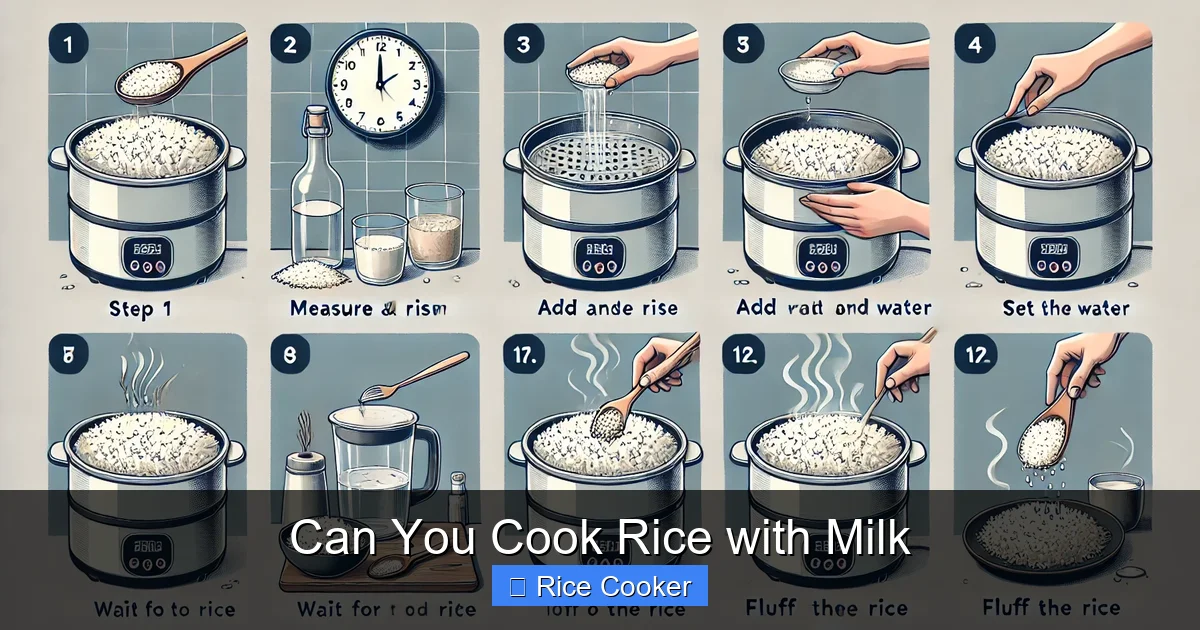
Visual guide about Can You Cook Rice with Milk
Image source: expertreviewsbestricecooker.com
When you simmer rice in milk, the starches dissolve into the liquid, creating a thick, velvety consistency. This process mimics the behavior of risotto, where constant stirring encourages starch release. However, unlike traditional risotto—which uses broth and is stirred constantly—milk-based rice relies on gentle heat and patience to achieve the right balance.
Types of Rice That Work Best
Not all rice types are created equal when it comes to cooking with milk. Here’s a quick guide to the best options:
- Arborio rice: A classic Italian short-grain rice with high starch content—perfect for creamy risotto-style dishes.
- Sushi rice: Sticky and slightly sweet, great for Japanese-inspired milk rice or desserts.
- Jasmine rice: Fragrant and soft, ideal for Thai or Southeast Asian milk-based rice bowls.
- Glutinous (sticky) rice: Used in many Asian desserts; cooks quickly and becomes incredibly tender in milk.
- Basmati rice: Less ideal due to low starch, but can still be used in small amounts for flavor.
Avoid long-grain rice like regular white or brown basmati—they tend to stay separate and dry when cooked in milk, resulting in a gritty texture.
Step-by-Step Guide: How to Cook Rice with Milk
Choosing the Right Ratio
The most important factor in cooking rice with milk is getting the ratio right. Unlike water-based cooking, where a 1:2 rice-to-liquid ratio is standard, milk requires less volume because it’s denser and creamier. A good starting point is:
- For every 1 cup of uncooked rice: Use 1.5 to 2 cups of milk.
- Add ¼ teaspoon salt (optional, depending on sweetness).
- Optional add-ins: Vanilla extract, cinnamon, or a pinch of sugar.
Adjust the amount based on how creamy you want the final dish. More milk = creamier; less = firmer.
Stovetop Method (Best for Control)
- Combine ingredients: In a saucepan, bring milk, rice, salt, and any flavorings to a gentle boil over medium-high heat.
- Reduce heat and simmer: Once boiling, lower heat to low. Cover the pan and let it simmer gently.
- Stir occasionally: After 10 minutes, stir gently to prevent sticking. Continue cooking for another 15–20 minutes, or until rice is tender and most of the liquid is absorbed.
- Rest and fluff: Turn off heat, cover, and let sit for 5 minutes. Fluff with a fork before serving.
This method gives you full control over heat and consistency, making it ideal for first-timers.
Rice Cooker Method (Easier & Foolproof)
If you own a rice cooker, you can absolutely use it to cook rice with milk. Just follow these steps:
- Measure carefully: Add 1 cup rice + 1.75 cups milk (plus optional flavorings) to the inner pot.
- Close and start: Seal the lid and press “Cook” or select the “Pudding” setting if available.
- Avoid opening: Resist the urge to peek—this can disrupt the cooking process.
- Let it rest: Once done, keep the lid closed for 10 minutes before serving.
Many modern rice cookers have a “Porridge” or “Congee” mode that works perfectly for milk-based rice. If yours doesn’t, just use the regular “White Rice” setting—just monitor closely, as milk tends to boil over faster than water.
Flavor Variations: Sweet vs. Savory
Cooking Sweet Rice Pudding with Milk
One of the most popular ways to cook rice with milk is for sweet desserts. Classic examples include Indian kheer, French rice pudding, and Japanese chawanmushi-inspired custards. Here’s how to make a simple version:
- Use 1 cup jasmine or glutinous rice
- Combine with 2 cups whole milk, ¼ cup sugar, ½ tsp cinnamon, and a splash of vanilla
- Cook on stovetop for 25–30 minutes, stirring occasionally
- Garnish with chopped almonds, raisins, or cardamom pods
Serve warm or chilled—perfect for breakfast or dessert!
Making Creamy Savory Risotto-Style Rice
While traditional risotto uses broth, you can mimic the creamy texture using milk. Great for busy nights when you don’t have homemade stock:
- Use 1 cup Arborio rice
- Heat 1.5 cups milk with garlic, thyme, and bay leaf
- Cook rice in milk for 20–25 minutes, stirring every 5 minutes
- Toss in grated Parmesan, spinach, or sautéed mushrooms before serving
The result is a lighter, dairy-forward alternative to classic risotto.
Common Mistakes & How to Fix Them
Mistake #1: Using Too Much Liquid
Too much milk can lead to mushy, soupy rice. Solution: Start with 1.5 cups per cup of rice and add more only if needed. Always check consistency halfway through.
Mistake #2: Not Stirring Enough
Milk tends to stick and scorch at the bottom. Stir every 5–7 minutes to prevent this, especially on stovetops.
Mistake #3: Skipping the Resting Phase
Just like water-cooked rice, letting milk rice rest helps redistribute moisture and improves texture. Don’t skip this step!
Mistake #4: Overcooking
Milk reduces faster than water. Keep an eye on the clock and test rice tenderness with a fork before declaring it done.
Tips for Perfect Milk-Based Rice Every Time
- Use full-fat milk: Whole milk or cream gives richer results than skim.
- Toast the rice first (optional): Lightly sauté rice in butter or oil for 2 minutes before adding milk to enhance nuttiness.
- Strain excess liquid if too wet: For firmer dishes, drain with a colander after cooking.
- Reheat carefully: Add a splash of milk when reheating to restore creaminess.
- Experiment with milks: Almond, oat, or coconut milk work for vegan versions—but may alter flavor and texture.
Frequently Asked Questions About Cooking Rice with Milk
Can I use almond milk or soy milk instead of dairy?
Yes, plant-based milks can be used, but they often lack fat and protein, so results may be thinner. Add a tablespoon of coconut oil or nut butter to boost creaminess.
How do I prevent rice from becoming too sticky?
Stick to short-grain rice, avoid overcooking, and don’t add too much liquid. Fluff with a fork immediately after cooking.
Can I cook brown rice in milk?
It’s possible, but brown rice takes longer and has less starch, so it won’t get as creamy. Increase cooking time by 10–15 minutes and use 2 cups milk per cup of rice.
Is it safe to cook rice in milk on a rice cooker?
Yes, but ensure your model has a non-stick coating and a tight seal. Watch closely during the first few minutes to avoid overflow.
How long does milk rice last in the fridge?
Store in an airtight container for up to 4 days. Reheat with a splash of milk or water to restore texture.
Can I freeze cooked milk rice?
Absolutely. Portion into freezer-safe containers and thaw overnight in the fridge. Add milk when reheating.
Frequently Asked Questions
Can I use almond milk or soy milk instead of dairy?
Yes, plant-based milks can be used, but they often lack fat and protein, so results may be thinner. Add a tablespoon of coconut oil or nut butter to boost creaminess.
How do I prevent rice from becoming too sticky?
Stick to short-grain rice, avoid overcooking, and don’t add too much liquid. Fluff with a fork immediately after cooking.
Can I cook brown rice in milk?
It’s possible, but brown rice takes longer and has less starch, so it won’t get as creamy. Increase cooking time by 10–15 minutes and use 2 cups milk per cup of rice.
Is it safe to cook rice in milk on a rice cooker?
Yes, but ensure your model has a non-stick coating and a tight seal. Watch closely during the first few minutes to avoid overflow.
How long does milk rice last in the fridge?
Store in an airtight container for up to 4 days. Reheat with a splash of milk or water to restore texture.
Can I freeze cooked milk rice?
Absolutely. Portion into freezer-safe containers and thaw overnight in the fridge. Add milk when reheating.