
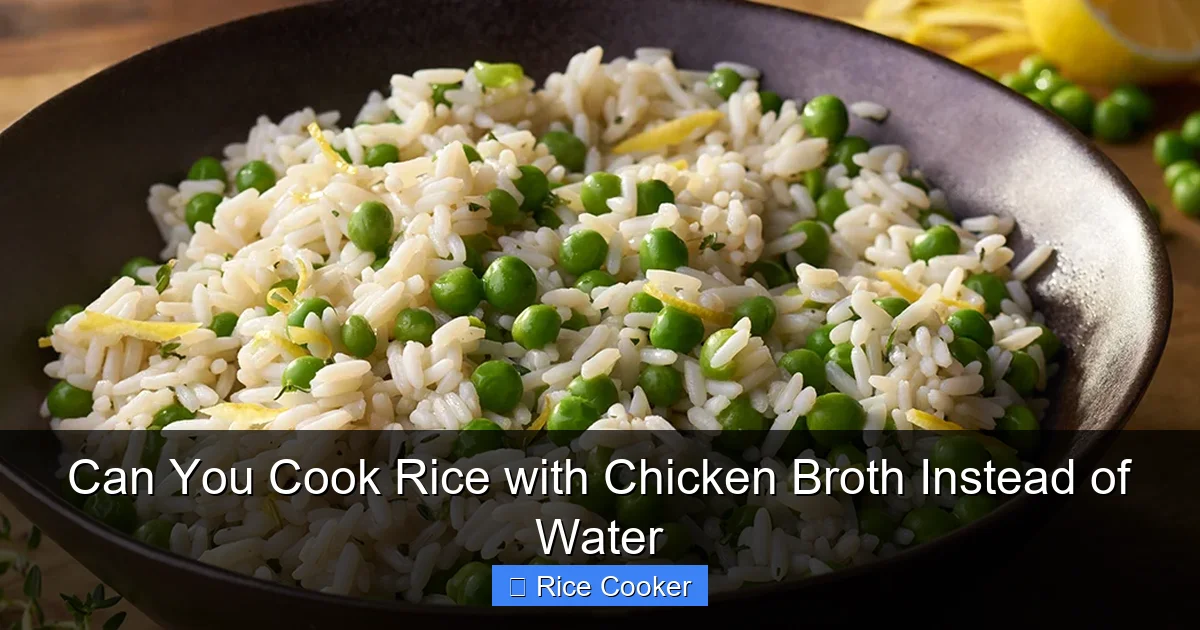
Cooking rice with chicken broth instead of water is not only possible but often preferred. It adds rich, savory depth to plain white or brown rice, making each grain taste like it’s part of a full meal. Whether you’re using a rice cooker or stovetop method, swapping water for broth is simple and delicious.
Key Takeaways
- Flavor Boost: Using chicken broth instead of water infuses rice with savory, umami-rich flavors that elevate your dish.
- Easy Substitution: Replace every cup of water with an equal amount of low-sodium chicken broth for a balanced taste without extra salt.
- Healthier Option: Broth adds nutrients and moisture, helping keep rice moist and reducing the need for added fats or oils.
- Rice Type Matters: White rice absorbs broth quickly, while brown rice benefits from longer soaking times due to its denser texture.
- Perfect for Meal Prep: Cooked broth-rice freezes well and pairs beautifully with stir-fries, curries, soups, and casseroles.
- Rice Cooker Friendly: Most modern rice cookers handle broth just fine, but avoid models with non-stick coatings if broth contains acidity.
- Taste Test Tip: Always taste your rice before serving and adjust seasoning—broth may already include salt, so go easy on the table salt.
📑 Table of Contents
- Can You Cook Rice with Chicken Broth Instead of Water?
- Why Use Chicken Broth Instead of Water?
- Choosing the Right Type of Chicken Broth
- How to Cook Rice with Chicken Brouth: Step-by-Step Guide
- Different Rice Types & How They Respond to Broth
- Common Mistakes to Avoid
- Creative Ways to Serve Broth-Cooked Rice
- Storage & Reheating Tips
- Is It Healthier Than Water-Based Rice?
- Final Thoughts: Should You Switch Forever?
Can You Cook Rice with Chicken Broth Instead of Water?
If you’re tired of plain, boring rice that tastes like… well, just rice, then you’re in for a treat. Cooking rice with chicken broth instead of water might just be one of the simplest yet most effective upgrades you can make to your everyday meals. Not only does it add incredible flavor, but it also turns a basic side dish into something that feels like a complete, satisfying bite. Whether you’re cooking jasmine rice, basmati, brown rice, or even wild rice, swapping out water for broth opens up a whole new world of taste and aroma.
But before you start tossing out your rice cooker and running to the grocery store for stock cubes, let’s talk about what actually happens when you use chicken broth. Is it safe? Does it change the texture? And more importantly—does it really taste better? In this guide, we’ll walk through everything you need to know: from choosing the right type of broth to adjusting your cooking method. We’ll cover rice cooker tips, stovetop techniques, and even how to avoid common pitfalls like mushy grains or overly salty results. By the end, you’ll be confidently pouring that fragrant, golden broth into your next pot of rice—and wondering why you didn’t do it sooner.
Why Use Chicken Broth Instead of Water?
Let’s face it—water is functional but flavorless. While it gets the job done (and that’s important), it doesn’t contribute much beyond hydration. On the other hand, chicken broth is packed with depth. Made by simmering bones, meat, vegetables, and herbs together, broth carries the essence of the ingredients used. When you cook rice in broth, those flavors gently infuse into every grain as they absorb liquid. The result? A richer, more aromatic bowl that tastes like comfort food even before you add toppings.

Visual guide about Can You Cook Rice with Chicken Broth Instead of Water
Image source: recipebite.com
A Nutritional Edge
Beyond taste, using broth offers subtle nutritional benefits. Homemade or high-quality store-bought broths contain collagen, minerals, and even small amounts of protein from slow-cooked bones. This can make your rice slightly more nourishing than plain water-based versions. Plus, because broth adds moisture naturally, you may find yourself needing less oil or butter to prevent sticking—making your rice slightly lighter and healthier overall.
A Time-Saver in Real Life
Imagine this: You’re making fried rice for dinner and realize you forgot to buy soy sauce. No problem! Just cook your leftover rice in chicken broth while reheating it on the stove. The broth soaks into the grains, giving them a fresh, flavorful kick without extra effort. Or better yet—cook a big batch of rice at the start of the week using broth, then use it throughout the week in stir-fries, salads, or as a base for grain bowls. That’s efficiency meets flavor.
Choosing the Right Type of Chicken Broth
Not all broths are created equal when it comes to cooking rice. Your choice will affect both flavor and salt content, so here’s what to look for:
Visual guide about Can You Cook Rice with Chicken Broth Instead of Water
Image source: terraskitchen.com
- Low-Sodium or No-Salt-Added: Most commercial broths are loaded with sodium. If you’re watching your salt intake, opt for low-sodium or no-salt-added versions. Then, once your rice is cooked, you can always add a pinch of salt, herbs, or spices to taste.
- Homemade vs. Store-Bought: Homemade broth allows total control over ingredients and salt levels. But if you’re short on time, quality store-bought broth works perfectly. Just read the label—avoid those with long ingredient lists full of preservatives or artificial flavors.
- Fat Content: Some broths contain rendered fat (like chicken fat) that can add richness. While this isn’t necessary for cooking rice, it can enhance flavor. If you prefer leaner options, skim the fat off before using.
What About Vegetable or Bone Broth?
If you’re vegetarian or vegan, vegetable broth is a great alternative. For even more depth, try using bone broth—it has a gelatinous quality and intense umami that makes rice feel luxurious. Just remember: bone broth tends to be saltier, so adjust accordingly.
How to Cook Rice with Chicken Brouth: Step-by-Step Guide
Now for the main event: actually making the swap. Whether you’re using a rice cooker or the stovetop method, the process is nearly identical—just replace water with broth.
For Rice Cooker Users
- Measure Ingredients: For every 1 cup of uncooked rice, use 1 cup of broth (or slightly less for sticky rice types like sushi rice).
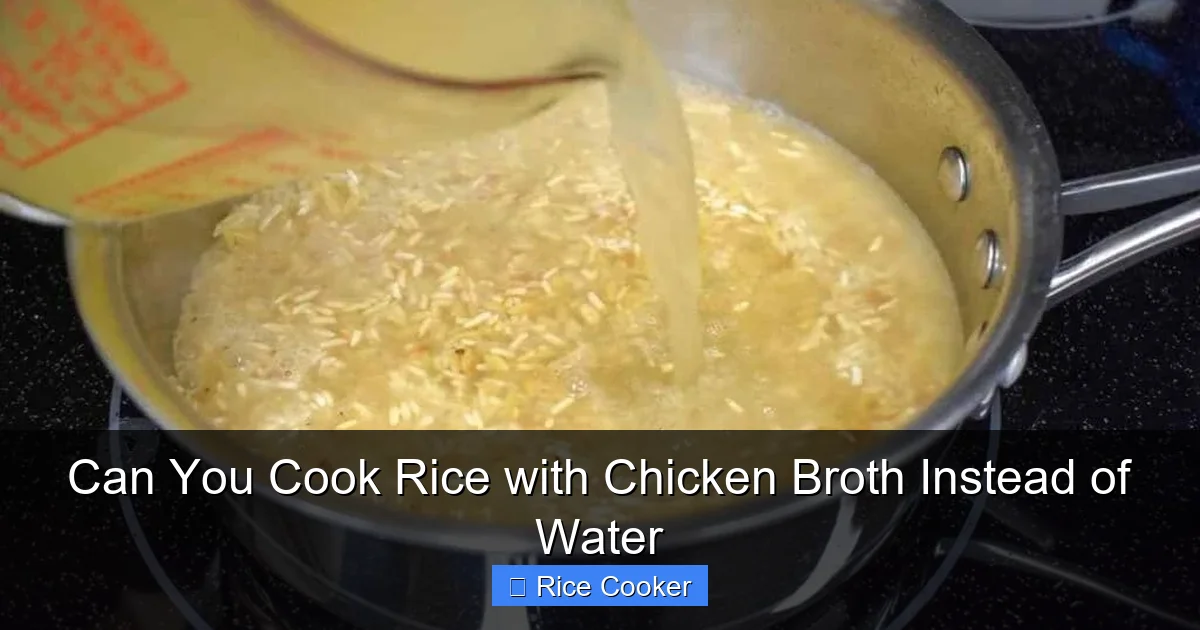
- Add Broth First: Pour the broth into the inner pot of your rice cooker before adding rice. This helps prevent scorching.
- Wash & Rinse Rice (Optional): While not always necessary, rinsing removes excess starch and prevents clumping. Just drain thoroughly.
- Start Cooking: Close the lid and press “Cook.” Most rice cookers automatically switch to “Keep Warm” mode when done.
- Rest Before Fluffing: Let the rice sit for 5–10 minutes after cooking. This allows steam to distribute evenly and grains to firm up.
Stovetop Method
- Sauté Aromatics (Optional): Heat a little oil in a saucepan over medium heat. Add garlic, ginger, or onion for extra flavor.
- Add Rice & Broth: Stir in rinsed rice, then pour in the broth. Bring to a boil.
- Simmer Covered: Reduce heat to low, cover tightly, and simmer for 18–20 minutes (white rice) or 40–45 minutes (brown rice). Avoid lifting the lid during cooking!
- Rest & Fluff: Turn off heat and let stand 10 minutes. Then gently fluff with a fork.
Pro Tips for Perfect Broth-Rice
- Don’t Overfill: Leave space at the top of the pot—rice expands as it cooks.
- Use Room-Temperature Broth: Cold broth lowers the cooking temperature, extending cook time unnecessarily.
- Check Salt Levels Early: If your broth is very salty, consider diluting it with a bit of water (1:1 ratio) before cooking.
- Add Herbs Midway: Toss in bay leaves, thyme, or parsley stems halfway through cooking for extra fragrance.
Different Rice Types & How They Respond to Broth
Not all rice behaves the same way when cooked in liquid. Here’s how popular varieties react to chicken broth:
White Rice
Jasmine, basmati, and long-grain white rice absorb liquid quickly and evenly. Because their outer husk is removed, they take on flavor fast. Cooking them in broth yields tender, fluffy grains with a subtle savory note. Ideal for dishes where you want rice to complement—not overpower—other ingredients.
Brown Rice
With its nutty flavor and chewy texture, brown rice needs more liquid and longer cooking times. When cooked in broth, it becomes even more aromatic and satisfying. However, because it takes longer to soften, soak it overnight in broth for even better results.
Wild Rice
This unique grain has a deep, earthy taste that pairs beautifully with mushroom or gamey broths. Cook it in chicken broth for a gourmet twist—especially good in pilafs or stuffing.
Sushi Rice
Traditionally cooked in a mix of water and rice vinegar, sushi rice can also shine with lightly seasoned broth. Try using low-sodium broth + a splash of rice wine vinegar for authentic flair.
Common Mistakes to Avoid
Even experienced cooks can stumble when switching to broth. Here are some frequent errors—and how to fix them:
- Too Much Salt: Always taste your broth first. If it’s already salty, reduce salt in your recipe or dilute with water.
- Overcooking:** Broth cooks faster than water due to higher mineral content. Keep an eye on timer adjustments, especially for brown rice.
- Skipping the Rest Period: Letting rice rest ensures moisture distributes evenly. Skipping this leads to dry spots or mushy centers.
- Using Fatty Broth Without Skimming: Greasy broth can stick to rice cooker pans, especially non-stick ones. Skim visible fat beforehand.
What If My Rice Is Too Salty?
No worries! Add a peeled potato cut into pieces and let it sit in the cooked rice for 15 minutes. Potatoes absorb excess salt. Alternatively, mix in unsalted cooked rice or serve with a neutral side like steamed greens.
Creative Ways to Serve Broth-Cooked Rice
Once your rice is ready, the possibilities are endless:
- Fried Rice: Sauté cooked broth-rice with veggies, eggs, and soy sauce for a restaurant-quality dish.
- Grain Bowls: Top with grilled chicken, roasted vegetables, avocado, and tahini dressing.
- Soups & Stews: Use as a thickener or base for creamy bisques or hearty minestrone.
- Bread Pudding: Mix with cinnamon, raisins, and milk for a sweet brunch treat.
- Side Dish Upgrades: Pair with honey-glazed carrots or lemon herb roasted chicken.
Infusing Extra Flavor
Want to take it further? Toast your rice in a bit of oil before adding broth. Or add a Parmesan rind or piece of smoked bacon to the pot while cooking. These tiny additions pack a big punch.
Storage & Reheating Tips
Broth-rice keeps well and tastes even better the next day as flavors mellow and meld. Store in airtight containers for up to 4 days in the fridge or freeze for 2–3 months. To reheat, add a splash of water or broth to prevent drying out—then microwave or steam until warm.
Freezing Success
Portion cooled rice into freezer-safe bags. Label with date and contents. Thaw overnight in the fridge before reheating. Frozen broth-rice works great in casseroles or as a quick lunch base.
Is It Healthier Than Water-Based Rice?
In terms of calories and fat, broth-rice is nearly identical to water-rice—unless your broth is high in fat or sodium. However, because broth adds natural flavor, you’re less likely to reach for high-calorie sauces or dressings. Plus, as mentioned earlier, bone broth offers additional amino acids and minerals that support joint and gut health.
Watch Out for Hidden Sodium
Many store-bought broths contain up to 600+ mg of sodium per cup. That’s why choosing low-sodium or homemade options gives you control. Aim for under 140 mg per cup if you’re monitoring intake.
Final Thoughts: Should You Switch Forever?
Absolutely. Cooking rice with chicken broth instead of water is one of those kitchen hacks that feels fancy but takes almost zero extra effort. It transforms a humble side dish into something memorable, whether you’re feeding a family or impressing guests. The best part? It’s adaptable—swap in vegetable broth for plant-based diets, add spices for Mexican flair, or use miso broth for Asian-inspired goodness.
Next time you open your pantry and see a box of rice and a carton of broth, don’t hesitate. Grab your rice cooker, pour in that fragrant liquid, and let the magic begin. Your taste buds (and your dinner guests) will thank you.
Frequently Asked Questions
Does cooking rice in chicken broth change the texture?
Not significantly—rice cooked in broth still becomes tender and fluffy, similar to water-based rice. However, because broth contains more minerals and fats, some people notice a slightly creamier mouthfeel, especially with brown rice.
Can I use canned or boxed broth?
Yes! Just check the sodium content. Low-sodium or no-salt-added broths work best. Avoid those with added MSG or excessive preservatives if possible.
Will my rice cooker handle broth?
Most modern rice cookers are fine with broth. Avoid older models with thin non-stick coatings if your broth is acidic (like tomato-based). Always rinse the inner pot after use to remove residue.
How do I reduce salt if my broth is too salty?
You can dilute the broth with water before cooking (equal parts), add unsalted rice, or balance with a sweet component like a drizzle of honey or fruit.
Can I cook instant rice in broth?
Yes! Instant rice absorbs broth quickly. Follow package instructions but replace water with broth. It’s great for quick side dishes or emergency meals.
Does it work for all types of rice?
Almost all types—white, brown, wild, arborio, etc.—can be cooked in broth. Adjust cook time based on grain type: brown rice needs longer, while sushi rice benefits from shorter simmering.