
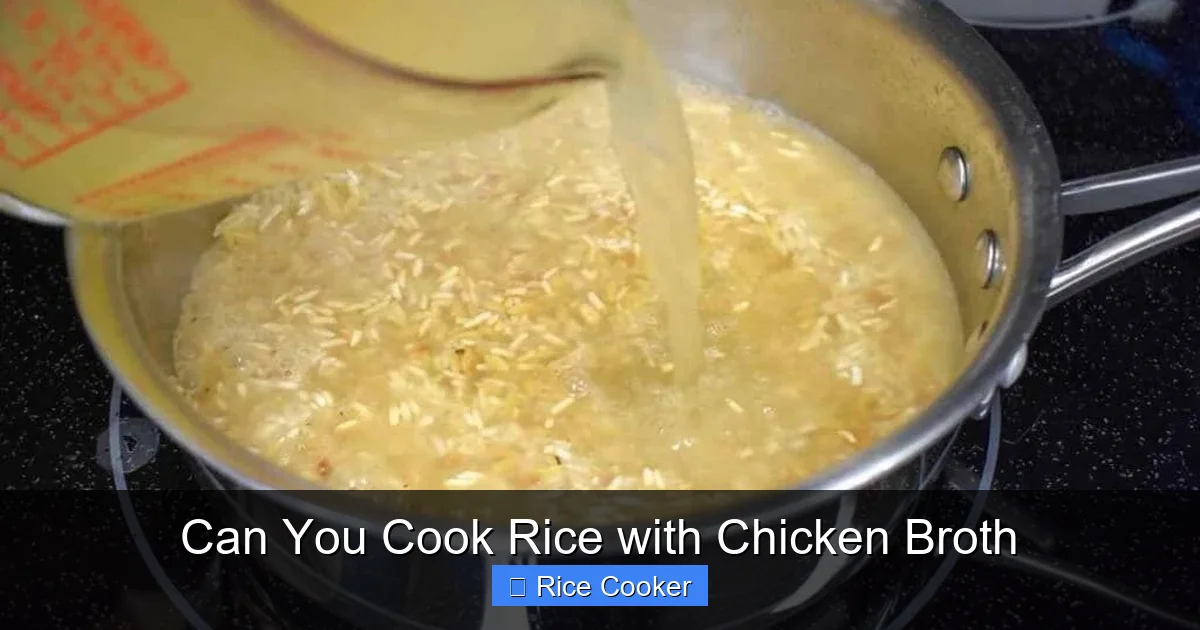
Can you cook rice with chicken broth? Absolutely! Using chicken broth as the liquid base gives your rice a rich, savory flavor that enhances every bite. Not only does it add depth, but it also makes your meal more nutritious and satisfying—especially when paired with a rice cooker.
Key Takeaways
- Flavor Boost: Cooking rice in chicken broth imparts a savory, aromatic taste that elevates simple dishes like pilafs and risottos.
- Healthier Option: Broth adds natural sodium and nutrients, making your rice more flavorful without extra salt or fat.
- Perfect for Meal Prep: Rice cooked in broth is ideal for batch cooking and storing, great for busy weeknights or meal planning.
- Versatile Use: Works with all rice types—white, brown, jasmine, or wild—though cooking times may vary slightly.
- Rice Cooker Friendly: Most modern rice cookers handle broth just fine; just follow the standard water-to-rice ratio and adjust as needed.
- Saves Time: You’re using broth instead of water, so you skip an extra step of seasoning later—everything comes together in one pot.
Quick Answers to Common Questions
Can you cook rice with chicken broth in a rice cooker?
Yes, most rice cookers work perfectly with chicken broth. Just use the same water-to-rice ratio and select the appropriate setting.
Does cooking rice in broth make it healthier?
It adds flavor and some nutrients, especially if you use homemade or low-sodium broth. However, portion size and overall diet matter most for health.
What if my rice turns out salty?
If using high-sodium broth, taste before cooking and adjust. You can balance saltiness by adding a pinch of sugar or serving with low-sodium sides.
Can I add vegetables when cooking rice in broth?
Yes! Diced carrots, peas, or corn go well. Add them with the rice or halfway through cooking for best texture.
Will the rice cook faster with broth?
Not noticeably. Broth conducts heat like water, so cooking times stay nearly the same as with plain water.
📑 Table of Contents
- Cooking Rice with Chicken Broth: A Flavorful Upgrade to Everyday Meals
- Why Choose Chicken Broth Over Water?
- How to Cook Rice with Chicken Broth: Step-by-Step Guide
- Using a Rice Cooker: The Easy Route
- Best Types of Rice for Chicken Broth
- Creative Ways to Use Chicken-Broth Rice
- Common Mistakes to Avoid
- Health Considerations and Tips
- Frequently Asked Questions
Cooking Rice with Chicken Broth: A Flavorful Upgrade to Everyday Meals
Have you ever wondered if you can cook rice with chicken broth? The answer is a resounding yes—and not only is it possible, but it might be one of the easiest ways to turn plain white rice into something extraordinary. Imagine fluffing out a bowl of rice that smells like roasted chicken and herbs, with each grain tasting like it’s been steeped in comfort food essence. That’s what happens when you swap plain water for chicken broth.
Whether you’re using a traditional stovetop method, a rice cooker, or even an Instant Pot, cooking rice in chicken broth is a simple yet powerful technique. It’s especially popular in cuisines like Spanish paella, Indian biryani, and American fried rice. But don’t worry—you don’t need to be a chef to do it. With just a few adjustments, you can make perfectly seasoned rice every time, with minimal effort.
Why Choose Chicken Broth Over Water?
Water is neutral—it doesn’t add flavor, which is why many people end up adding salt, butter, or spices after cooking. Chicken broth, on the other hand, brings its own flavor profile to the table. Whether it’s homemade from bones and vegetables or store-bought low-sodium variety, broth infuses rice with umami, richness, and aroma from the start.
Visual guide about Can You Cook Rice with Chicken Broth
Image source: wikihow.com
The Science Behind Flavor Infusion
When rice grains absorb liquid during cooking, they take on the flavor molecules dissolved in that liquid. Since chicken broth contains amino acids, fats, and aromatic compounds from simmering meat and bones, those flavors gently permeate each grain. This means you get a more complex taste experience without doing anything extra.
Nutritional Benefits
Using broth instead of water isn’t just about taste—it also boosts nutrition. Homemade chicken broth often retains collagen and minerals from slow-cooked bones, while store-bought versions can still offer vitamins and electrolytes. Plus, if you use low-sodium broth, you reduce overall sodium intake compared to adding salt separately.
How to Cook Rice with Chicken Broth: Step-by-Step Guide
No matter your kitchen setup, cooking rice in chicken broth follows a similar process. Below is a foolproof method you can adapt for different appliances.
Visual guide about Can You Cook Rice with Chicken Broth
Image source: metrocookingdallas.com
Gather Your Ingredients
- 1 cup long-grain rice (white, jasmine, basmati, or brown)
- 2 cups chicken broth (warm for faster cooking)
- Optional: 1 tablespoon olive oil or butter for added richness
- Optional: Salt, pepper, garlic, or herbs (like thyme or bay leaf)
Prepare Your Rice
Rinsing rice removes excess starch, which helps prevent clumping. Place your rice in a fine-mesh strainer and rinse under cold water until the water runs clear. This step is especially important for jasmine or sushi rice but optional for short-grain varieties.
Combine and Simmer
In a pot with a tight-fitting lid, combine rinsed rice, broth, and any optional ingredients. Bring to a boil over high heat, then reduce to low. Cover and let simmer for:
- 18–20 minutes for white rice
- 35–40 minutes for brown rice
Check near the end—the rice should be tender with no hard kernels. If needed, add a splash of water and cover again for 2–3 more minutes.
Rest and Fluff
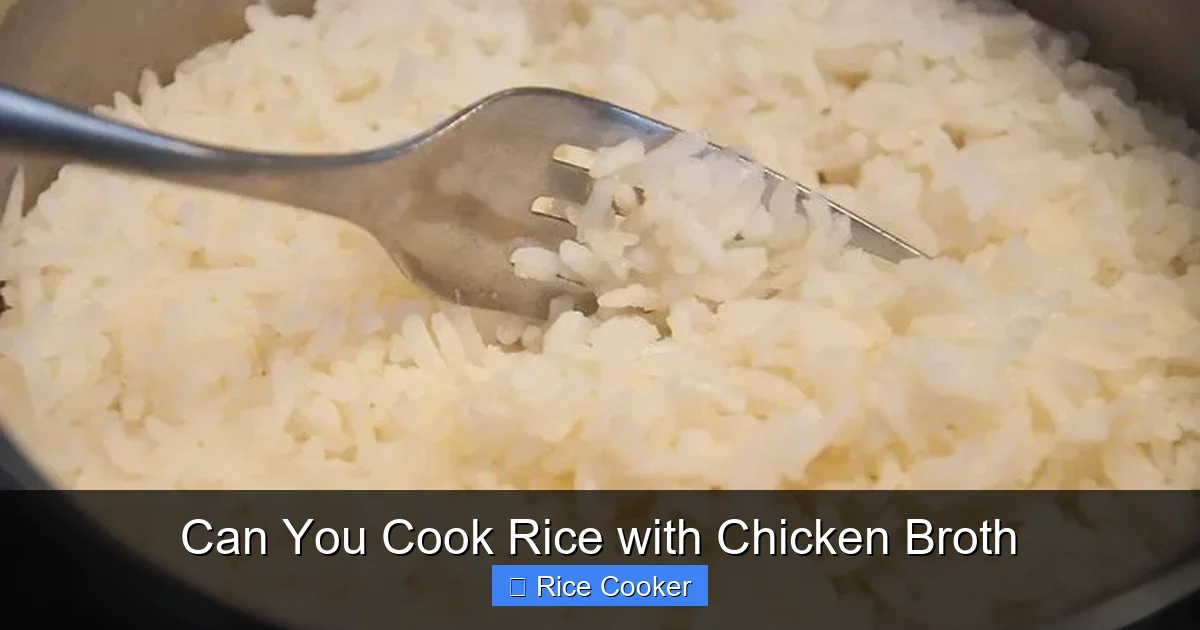
Once done, remove from heat and let sit, covered, for 5–10 minutes. This resting period allows steam to finish cooking the rice evenly and makes fluffing easier. Then gently stir with a fork to separate the grains.
Using a Rice Cooker: The Easy Route
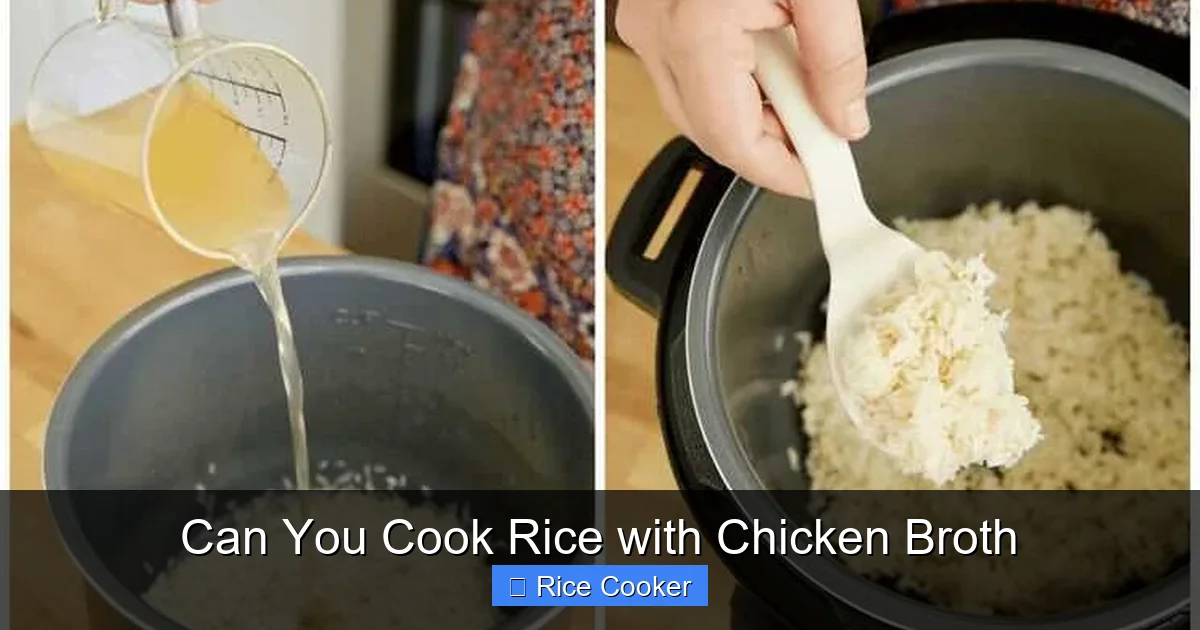
If you have a rice cooker, this method gets even simpler. Just measure your rice and broth, add them to the inner pot, close the lid, and press the “Cook” button. Many modern rice cookers come with a “Broth” or “Congee” setting—use that for best results. Otherwise, the standard white rice setting works perfectly.
Pro Tips for Rice Cooker Success
- Use warm broth to speed up heating time.
- Don’t open the lid during cooking—this releases steam and can affect texture.
- Let the rice rest inside the cooker after it switches to “Keep Warm” mode before fluffing.
Adjusting Ratios
Most recipes call for a 1:2 ratio of rice to liquid (1 cup rice to 2 cups broth). But feel free to experiment:
- For firmer rice, use slightly less broth.
- For softer, creamier rice (great for risotto-style dishes), increase broth to 2.5 cups.
Best Types of Rice for Chicken Broth
Not all rice behaves the same way in liquid. Here’s a quick breakdown of popular types and how they respond to chicken broth:
White Rice
Long-grain white rice (like Jasmine or Basmati) absorbs broth beautifully and stays fluffy. It’s the most common choice for flavored rice because it doesn’t become mushy.
Brown Rice
Brown rice takes longer to cook and requires more liquid. Increase broth to 2.5 cups and extend cooking time by 10–15 minutes. The nuttier flavor pairs wonderfully with chicken broth.
Arborio or Creamy Varieties
These are best used in risotto, where constant stirring and gradual broth addition create a creamy texture. You’ll need to add broth slowly while stirring, but the result is luxurious and rich.
Wild Rice
This unique rice has a chewy texture and earthy taste. It needs extra time—about 45–60 minutes—and more broth. Try combining it with white rice for balance.
Creative Ways to Use Chicken-Broth Rice
Once you master the basics, the possibilities are endless. Here are some delicious ideas to inspire your next meal:
Chicken and Rice Casserole
Toss cooked rice with shredded chicken, diced carrots, peas, and a splash of soy sauce. Bake until bubbly and golden. Perfect for family dinners!
Fried Rice
Stir-fry leftover rice with scrambled eggs, diced veggies, and soy sauce. Add a splash of chicken broth if it’s too dry. Quick, tasty, and full of flavor.
Spanish-Style Arroz con Pollo
A classic dish where rice is cooked directly in spiced chicken broth with peppers, olives, and saffron. Serve with grilled chicken on the side.
Mediterranean Pilaf
Add lemon zest, parsley, pine nuts, and raisins to your broth-rice base. Top with feta cheese for a vibrant, herb-forward side dish.
Bowl Bowls
Layer rice in a bowl with roasted vegetables, grilled chicken, avocado, and tahini dressing. The broth-infused rice ties everything together beautifully.
Common Mistakes to Avoid
Even experienced cooks make errors when switching from water to broth. Keep these pitfalls in mind:
Over-Salting
Store-bought broths can be high in sodium. Taste before adding salt, and opt for low-sodium versions when possible.
Skipping the Resting Period
Fluffing immediately after cooking leads to uneven texture. Always let rice sit covered for 5–10 minutes.
Using Cold Broth
Cold liquid slows down cooking. Warm your broth slightly before adding it to the rice.
Not Rinsing Rice
Unrinsed rice tends to stick together. Even though broth adds flavor, rinsing prevents gummy results.
Opening the Lid Too Soon
Steam escapes when you lift the lid, causing temperature drops and uneven cooking. Wait until the timer goes off.
Health Considerations and Tips
While cooking rice in chicken broth is generally healthy, there are a few things to keep in mind, especially if you’re watching your sodium or cholesterol intake.
Low-Sodium Broth Options
Many brands now offer reduced-sodium or no-salt-added chicken broth. Read labels carefully and compare per serving.
Homemade vs. Store-Bought
Homemade broth lets you control ingredients. Simmer bones, onions, carrots, celery, and herbs for 6–12 hours for maximum flavor and nutrients.
Portion Control
Rice is calorie-dense. Pair it with lean proteins and lots of vegetables to keep meals balanced.
Allergies and Dietary Needs
If you’re gluten-free, ensure your broth is certified GF. Vegan diets require vegetable broth instead of chicken broth.
Frequently Asked Questions
Can I use bone broth instead of regular chicken broth?
Absolutely! Bone broth adds extra minerals and a deeper flavor. It’s especially great for soups and grain bowls. Just note that it may darken the color of your rice slightly.
Will the rice absorb all the broth?
It depends on the type of rice. White rice usually uses up all the liquid, while brown rice may leave a little extra. Stir in a bit more broth or water if it looks dry after cooking.
Can I freeze broth-cooked rice?
Yes! Let it cool completely, portion into containers, and freeze for up to 3 months. Reheat with a splash of broth or water to restore moisture.
Does using broth change the cooking time?
Not significantly. Broth heats up similarly to water, so cooking times remain almost identical. Brown rice may need slightly more liquid, though.
Is it okay to use bouillon cubes instead of broth?
You can, but dilute them first—bouillon is concentrated. Dissolve one cube in 2 cups of hot water before using. Be cautious with sodium content.
Frequently Asked Questions
Can you cook rice with chicken broth?
Yes, you can absolutely cook rice with chicken broth instead of water. It adds rich, savory flavor and makes your rice more aromatic and satisfying.
Do I need to adjust the amount of liquid when using broth?
Generally, use the same amount of broth as you would water—about 2 cups for every 1 cup of rice. Brown rice may need slightly more.
Is chicken broth better than water for cooking rice?
It depends on your taste preference. Broth adds flavor and nutrients, while water keeps things neutral. For enhanced taste, broth is a great choice.
How do I prevent my rice from being too salty?
Use low-sodium broth and taste before adding salt. You can also rinse the rice after cooking to remove excess surface salt.
Can I mix water and broth when cooking rice?
Absolutely! A 50/50 blend works well and gives a balanced flavor without overwhelming the dish.
What type of rice cooker is best for cooking rice in broth?
Any rice cooker works, but models with a “Broth” or “Congee” setting offer better control. Standard settings work fine for most users.