
You absolutely can cook rice using just boiling water, and it’s simpler than you might think. Whether you’re using a pot on the stove or a makeshift setup in a mug, boiling water delivers reliable results when done right. With the right technique, your rice will come out fluffy, tender, and delicious—no rice cooker required.
Key Takeaways
- Boiling water works for cooking rice: It’s a reliable method that yields consistently good results when followed correctly.
- Water-to-rice ratio is critical: The general rule is 1 cup of uncooked rice to 2 cups of water, but this varies slightly by grain type.
- Resting time matters: Letting rice sit covered after cooking helps steam finish the process and improves texture.
- Stovetop vs. alternative methods: While stovetop is most common, you can also use microwaves, Instant Pots, or even camping setups.
- Grain variety affects cooking time: Basmati, jasmine, brown rice, and sushi rice each have different absorption rates and cooking needs.
- Common mistakes to avoid: Skipping rinsing, not measuring accurately, or lifting the lid too often can ruin your rice.
- No rice cooker? No problem: Boiling water method is accessible, cost-effective, and perfect for beginners.
📑 Table of Contents
- Can You Cook Rice with Just Boiling Water?
- The Science Behind Cooking Rice with Boiling Water
- Choosing the Right Rice for Boiling Water Cooking
- Step-by-Step Guide: Cooking Rice with Boiling Water
- Troubleshooting Common Rice Cooking Problems
- Alternative Methods: Cooking Rice with Boiling Water Without a Pot
- Tips for Perfect Rice Every Time
- Health and Nutrition Considerations
- Creative Ways to Use Cooked Rice
- Conclusion: Boiling Water Rice—Simple, Reliable, Delicious
Can You Cook Rice with Just Boiling Water?
Have you ever been in a rush, craving a warm bowl of perfectly cooked rice, but realized you don’t have a rice cooker handy? Or maybe you’re camping, traveling, or simply prefer cooking on the stovetop? If so, you’re probably wondering: Can you cook rice with just boiling water? The short answer? Absolutely! And yes, it’s not only possible—it’s one of the most reliable and straightforward ways to prepare rice.
Cooking rice with boiling water is a time-tested method that dates back centuries. Before electric rice cookers became popular, people used pots on open fires or stoves, carefully managing heat and water levels to coax out the best texture and flavor from grains. Today, even if you own a rice cooker, knowing how to cook rice using just boiling water gives you flexibility, especially in situations where appliances aren’t available. Plus, it deepens your understanding of how rice behaves during cooking—something every home cook should know.
In this guide, we’ll walk through everything you need to know about cooking rice with boiling water. From choosing the right type of rice to mastering the water-to-ratio and timing, we’ll cover practical tips, common pitfalls, and creative alternatives. By the end, you’ll feel confident cooking rice without any special equipment—just a pot, some water, and a little patience.
The Science Behind Cooking Rice with Boiling Water
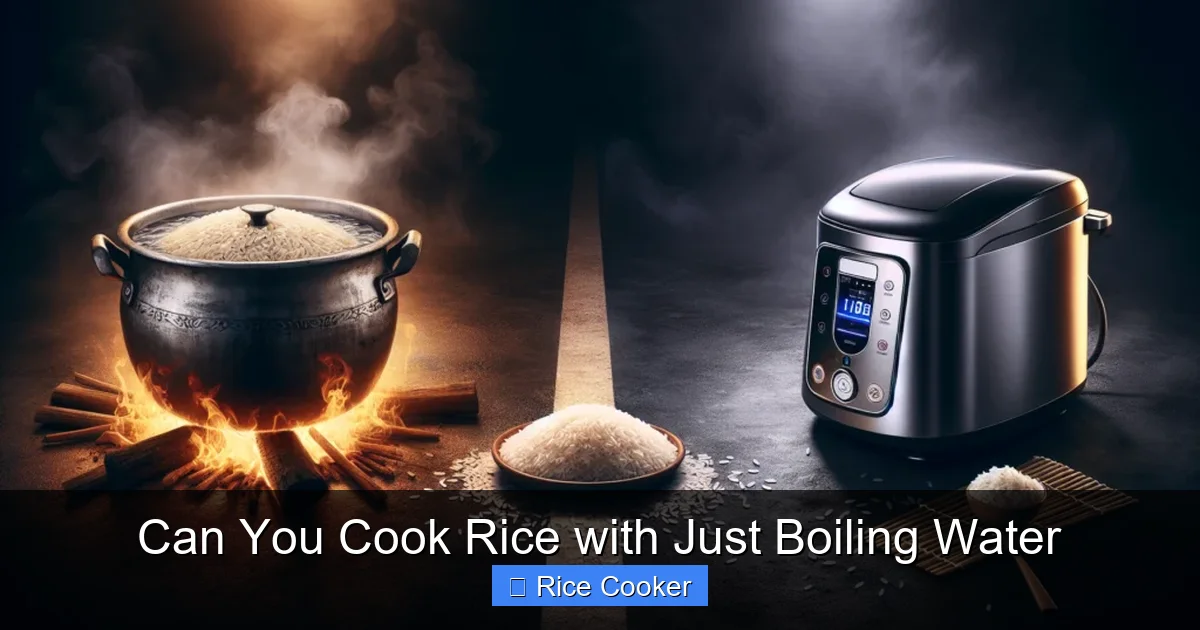
Before diving into recipes or techniques, it’s helpful to understand what happens when rice meets boiling water. Rice grains are mostly starch, and when heated in water, they absorb moisture and swell. The outer layers soften first, then gradually release starches into the surrounding liquid. This process, called gelatinization, transforms raw rice into the tender, fluffy texture we love.
Visual guide about Can You Cook Rice with Just Boiling Water
Image source: ricecookerreviewcentral.com
How Heat Affects Starch Absorption
When you add cold rice to cold water and bring it to a boil, the surface heats quickly while the center remains undercooked. But when you start with boiling water, the entire grain heats evenly from the inside out. This reduces uneven cooking and helps achieve a more uniform texture. That’s why starting with boiling water is often recommended over adding cold water to cold rice—especially for long-grain varieties like basmati or jasmine.
The Role of Starchy Surface Coating
Rinsing rice before cooking removes excess starch from the surface. Without rinsing, rice tends to stick together. However, if you rinse too much, you lose flavor and nutrients. For most types, a quick rinse under running water until the water runs clear is ideal. Think of it as giving your rice a light shower—not a full bath.
Choosing the Right Rice for Boiling Water Cooking
Not all rice is created equal. Some types absorb water faster, others take longer, and some are stickier by nature. Choosing the right kind ensures better results when cooking with boiling water.

Visual guide about Can You Cook Rice with Just Boiling Water
Image source: i.kym-cdn.com
Long-Grain White Rice (e.g., Basmati, Jasmine)
This is the most common type used in boiling water recipes. Long-grain rice has a lower starch content, which keeps it separate and fluffy. Basmati, in particular, expands significantly and develops a distinct aroma when cooked properly. It typically requires a 1:2 ratio of rice to water and cooks in about 15–18 minutes.
Medium-Grain Rice (e.g., Calrose, Arborio)
Medium-grain rice has a higher starch content, making it stickier and creamier. It’s great for risotto or sushi but can be trickier to cook with boiling water if you want fluffy grains. Use a slightly lower water ratio (1:1.75) and stir occasionally to prevent clumping.
Short-Grain Brown Rice
Brown rice takes longer to cook because the bran layer slows down water absorption. You’ll need more water—about 1:2.25—and a longer cooking time (25–30 minutes). Since it doesn’t puff up as much as white rice, it stays denser and chewier.
Sushi Rice and Glutinous Rice
These require precise ratios and timing. Sushi rice usually uses 1:1.25 water and cooks faster (12–15 minutes), while glutinous rice (like mochi rice) needs even more water and longer simmering. Be careful not to overcook sushi rice, or it becomes mushy.
Step-by-Step Guide: Cooking Rice with Boiling Water
Now that you understand the basics, let’s get practical. Here’s a foolproof method for cooking rice using just boiling water—whether you’re on the stovetop, microwave, or even in a camping pot.
What You’ll Need
- Uncooked rice (your choice of variety)
- Fresh, filtered water
- A medium-sized pot with a tight-fitting lid
- A fine-mesh strainer (for rinsing)
- A fork or rice paddle (for fluffing)
Step 1: Measure and Rinse
Measure your rice using a dry measuring cup. A typical serving is ½ cup of uncooked rice per person. Rinse the rice under cold running water for 30–60 seconds, gently rubbing it between your fingers. This removes excess starch and prevents clumping.
Step 2: Add Rice to the Pot
Place the rinsed rice in your pot. Then, pour in the appropriate amount of boiling water. Remember: for white long-grain rice, use 1 cup rice to 2 cups boiling water. For brown rice, increase to 2.25 cups.
Step 3: Bring to a Boil and Reduce Heat
Once the water reaches a rolling boil, reduce the heat to low-medium. Cover the pot with a tight-fitting lid. Avoid stirring—this releases steam and can make the rice gummy.
Step 4: Simmer and Rest
Let the rice simmer gently for the recommended time:
- White long-grain: 15–18 minutes
- Brown rice: 25–30 minutes
- Sushi rice: 12–15 minutes
After the timer goes off, turn off the heat and let the rice rest, covered, for 5–10 minutes. This final steaming phase completes the cooking process and makes fluffing easier.
Step 5: Fluff and Serve
Use a fork to gently fluff the rice, separating any clumps. Serve immediately or keep warm in a covered dish.
Troubleshooting Common Rice Cooking Problems
Even experienced cooks run into issues now and then. Here’s how to fix the most common rice disasters—and avoid them in the future.
Rice Is Too Dry or Mushy
This usually means too little water or overcooking. Check your measurements, and if the rice is still too firm, add a splash of hot water and cover for 2–3 extra minutes. If it’s mushy, you can try mixing it with a bit of butter or oil to revive it.
Rice Sticks Together
Undersized water or insufficient rinsing causes clumping. Always rinse thoroughly and ensure you’re using the correct water ratio. Also, avoid lifting the lid during cooking—each peek releases steam and disrupts the process.
Rice Is Undercooked in the Center
This happens when heat isn’t consistent or water evaporates too quickly. Use a heavy-bottomed pot to distribute heat evenly, and consider adding a splash of water halfway through if needed. Stirring is rarely necessary—just let it cook undisturbed.
Too Much Water Remains After Cooking
If there’s leftover water, transfer the rice to a colander and let it drain briefly. Don’t try to dry it in the pot—it’ll continue cooking from residual heat and become soggy.
Alternative Methods: Cooking Rice with Boiling Water Without a Pot
Don’t have a pot? No worries. There are several creative ways to cook rice with boiling water using everyday items.
Microwave Method
For small batches (1–2 servings), you can cook rice in a microwave-safe container. Use 1 cup rice to 1.5 cups boiling water. Cover with a microwave-safe lid or vented plastic wrap, and cook on high for 12–15 minutes. Let it rest 5 minutes before fluffing.
Mug or Bowl Setup
Yes, really! Place ¼ cup rinsed rice in a microwave-safe mug. Add ½ cup boiling water. Cover with a paper towel secured with a rubber band. Microwave on high for 8–10 minutes. Let stand 2 minutes, then fluff.
Instant Pot or Pressure Cooker
If you have an electric pressure cooker, this is a game-changer. Use 1:1.25 water ratio and cook on manual high pressure for 3 minutes (white rice) or 6 minutes (brown rice). Natural release for 10 minutes, then quick release.
Camping or Backpacking
Use a lightweight aluminum pot or even a foil pouch. Boil water over a campfire, add rice, cover tightly, and simmer for 20–25 minutes. Let it sit in the coals for 10 minutes to finish cooking.
Tips for Perfect Rice Every Time
Small adjustments make a big difference. Here are pro-level tips to elevate your rice game.
- Use fresh rice: Older rice absorbs water differently and may not cook evenly.
- Season the water: Add a pinch of salt or a bay leaf for subtle flavor enhancement.
- Try broth instead of water: Vegetable or chicken broth adds richness and depth.
- Let rice cool before refrigerating: Cooling rice quickly prevents bacterial growth and maintains texture.
- Store leftovers properly: Keep cooked rice in an airtight container in the fridge for up to 5 days.
Health and Nutrition Considerations
Rice is a staple food worldwide, but its nutritional profile varies by type. Understanding these differences helps you make informed choices.
Calories and Carbohydrates
One cup of cooked white rice contains about 200 calories and 45 grams of carbs. Brown rice has slightly fewer carbs but more fiber and protein—around 220 calories and 38 grams of carbs per cup.
Dietary Fiber
Brown rice is rich in insoluble fiber, which supports digestion and helps maintain stable blood sugar. White rice has less fiber but is easier to digest for sensitive stomachs.
Gluten-Free and Allergen Info
All rice is naturally gluten-free, making it safe for people with celiac disease or gluten sensitivity. Just avoid flavored or pre-seasoned rice products that may contain gluten-containing additives.
Glycemic Index
White rice has a higher glycemic index (around 73) compared to brown rice (around 68). This means it raises blood sugar faster. If you’re monitoring glucose levels, brown rice may be a better option.
Creative Ways to Use Cooked Rice
Mastering rice opens up endless culinary possibilities. Once your rice is perfectly cooked with boiling water, here’s how to use it.
Fried Rice
Use day-old rice for the best texture. Heat oil in a wok, scramble eggs, add vegetables, and toss in rice with soy sauce and a splash of sesame oil.
Rice Pudding
Simmer cooked rice with milk, sugar, cinnamon, and raisins for a comforting dessert. Add cardamom for Indian-style kheer.
Risotto
Though traditionally made with short-grain rice, you can adapt the method. Stir constantly and add warm broth gradually for creamy results.
Baked Goods
Substitute part of the flour in muffins or breads with cooked rice flour for added moisture and texture.
Salads and Bowls
Mix cooled rice with roasted veggies, beans, and a tangy dressing for a hearty lunch or side dish.
Conclusion: Boiling Water Rice—Simple, Reliable, Delicious
Cooking rice with just boiling water is not only possible—it’s one of the most dependable and accessible methods available. Whether you’re using a classic stovetop pot, a microwave, or even a camping setup, this technique puts control firmly in your hands. No rice cooker? No problem. With attention to water ratios, cooking times, and grain types, you can produce restaurant-quality rice at home.
Remember, the key lies in consistency. Measure your ingredients, follow the steps, and resist the urge to peek or stir. Let the science of gelatinization do its work. Over time, you’ll develop a sense of timing and texture that comes only with practice.
So next time you reach for your rice cooker, pause and ask yourself: Do I really need it? Often, the answer is no. Grab a pot, boil some water, and enjoy the simplicity—and satisfaction—of perfectly cooked rice, made the old-fashioned way.
Frequently Asked Questions
Can you cook rice with just boiling water and no other equipment?
Yes, you can cook rice using just boiling water and a pot with a lid. The boiling water provides the heat and moisture needed to cook the rice evenly. While specialized tools like rice cookers make the process easier, they’re not necessary for success.
Do you need to soak rice before cooking it with boiling water?
Soaking is optional and depends on the rice type. Some chefs soak rice for 30 minutes to reduce cooking time, but it’s not required. For most white long-grain rice, a quick rinse and immediate cooking with boiling water works perfectly.
Is it better to use cold or boiling water to cook rice?
Using boiling water is generally preferred because it cooks the rice more evenly and reduces total cooking time. Starting with cold water can lead to uneven heating, with the outside becoming mushy while the center remains undercooked.
How much water do you use per cup of rice when cooking with boiling water?
The standard ratio is 1 cup of uncooked rice to 2 cups of water for white long-grain rice. Brown rice requires more water—about 2.25 cups per cup of rice—due to its fibrous outer layer slowing down absorption.
Why does my rice always come out sticky when cooked with boiling water?
Sticky rice usually results from too much starch or incorrect water ratio. Make sure to rinse the rice thoroughly and use the right amount of water. Also, avoid lifting the lid during cooking, as this releases steam and softens the grains further.
Can you reheat rice cooked with boiling water?
Yes, you can safely reheat cooked rice. Store it in the refrigerator within two hours of cooking, and reheat it with a splash of water or broth to restore moisture. Avoid reheating more than once to prevent foodborne illness.