
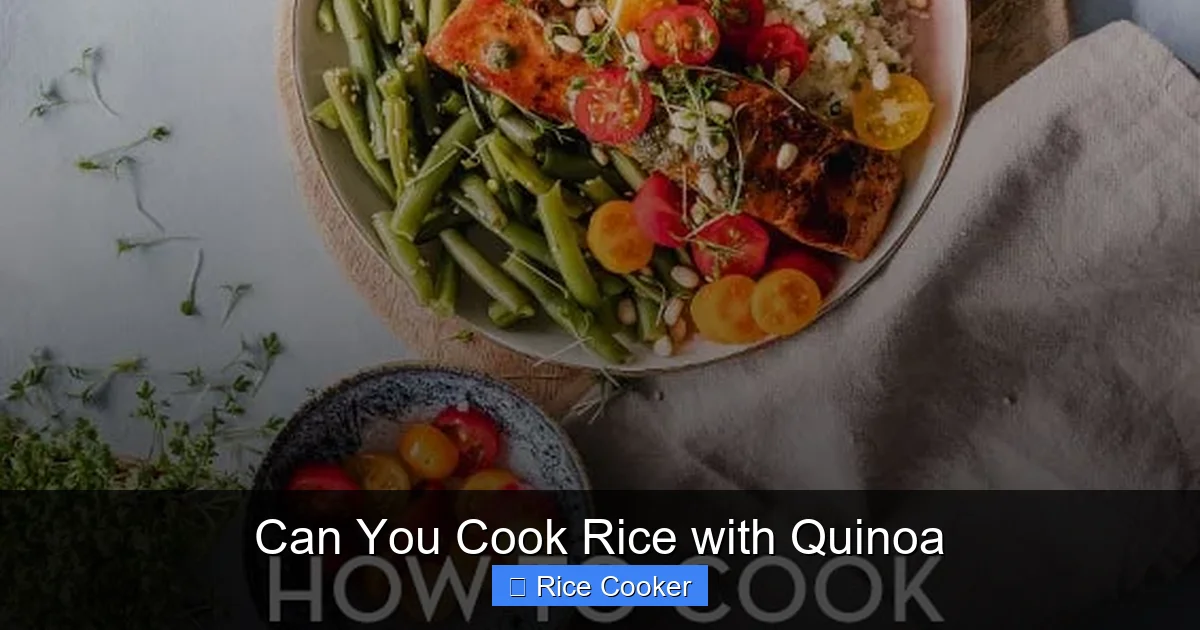
Yes, you can absolutely cook rice with quinoa—it’s a delicious, nutritious way to combine two powerhouse grains. Whether you’re using a rice cooker or stovetop method, this combo boosts protein, fiber, and flavor. Perfect for busy weeknights or meal prep, this blend is versatile, satisfying, and easy to make.
Key Takeaways
- Yes, it’s possible: Rice and quinoa can be cooked together using the same methods, offering a balanced texture and nutrition.
- Protein powerhouse: Quinoa adds complete protein to rice, making the dish more filling and suitable for vegetarians.
- Flavor enhancement: The nutty taste of quinoa complements plain rice, creating a richer, more complex dish.
- Easy meal prep: Cook once, eat all week—this combo is ideal for salads, bowls, or side dishes.
- Texture control: Adjust water ratios and cooking time to achieve your preferred softness or chewiness.
- Uses beyond sides: Use this mix in casseroles, stir-fries, or as a base for grain bowls.
- Suitable for rice cookers: Most modern rice cookers handle both grains without issue when proper settings are used.
📑 Table of Contents
- Can You Cook Rice with Quinoa? Absolutely—Here’s How!
- Why Combine Rice and Quinoa?
- How to Cook Rice with Quinoa: Step-by-Step Guide
- Adjusting Ratios for Different Results
- Common Mistakes and How to Avoid Them
- Creative Ways to Serve Rice with Quinoa
- Meal Prep Made Easy
- Health Benefits of Eating Rice with Quinoa
- Frequently Asked Questions
Can You Cook Rice with Quinoa? Absolutely—Here’s How!
Have you ever stared into your pantry, wondering what to make for dinner, only to find you have both white rice and quinoa? You’re not alone. These two grains are staples in many kitchens, but can they work together? The short answer: yes, you can cook rice with quinoa. In fact, combining them opens up a world of culinary possibilities that are both nutritious and delicious.
Quinoa, often called a “superfood,” is celebrated for its high protein content and complete amino acid profile. Rice, on the other hand, is a carb-rich staple that’s quick and familiar. When paired, they create a balanced, satisfying dish that’s perfect for everything from simple dinners to gourmet meals. Whether you’re using a rice cooker or cooking on the stove, blending these grains is easier than you might think—and the results are worth it.
This article will walk you through everything you need to know about cooking rice with quinoa. We’ll cover the basics, share pro tips, explore different cooking methods, and even suggest creative ways to use your new favorite grain blend. So grab your measuring cups and let’s get started!
Why Combine Rice and Quinoa?
Before diving into the how-to, let’s talk about why you’d want to mix these two grains in the first place. It’s not just about saving time or using up ingredients—though those are nice bonuses. Combining rice and quinoa creates a nutritionally complete meal with benefits you won’t get from either grain alone.
Visual guide about Can You Cook Rice with Quinoa
Image source: kitchencuddle.com
Nutritional Synergy
Rice is mostly carbohydrates and low in protein. Quinoa, by contrast, contains about 8 grams of protein per cooked cup—more than most vegetables. When you cook rice with quinoa, you get a dish that’s higher in protein, fiber, and essential minerals like magnesium and iron. This makes it ideal for athletes, vegetarians, or anyone looking to improve their overall diet.
Additionally, quinoa has a slightly crunchy bite and nutty flavor that cuts through the mildness of rice. Together, they create a textural contrast that keeps meals interesting. No more boring, one-note sides!
Cooking Efficiency
If you’re already planning to cook rice, adding quinoa means you can prepare two grains at once—especially handy if you’re feeding a crowd or doing meal prep. Many rice cookers can handle both grains simultaneously, saving you time and effort. Plus, since both grains absorb water similarly, they can often be cooked together without much adjustment.
How to Cook Rice with Quinoa: Step-by-Step Guide
Ready to try it? Here’s a simple, foolproof method to cook rice with quinoa using common kitchen tools. We’ll start with the stovetop method, then show you how to do it in a rice cooker.
Visual guide about Can You Cook Rice with Quinoa
Image source: cdn.projectmealplan.com
Stovetop Method
- Measure Your Grains: For every 1 cup of uncooked rice, use ½ cup of uncooked quinoa. This ratio gives a balanced texture and flavor.
- Rinse the Quinoa: Always rinse quinoa under cold water to remove its natural coating called saponin, which can taste bitter. Use a fine-mesh strainer.
- Add Water: Use 2 cups of water for every 1 cup of rice and ½ cup of quinoa. You may adjust slightly based on desired consistency.
- Bring to a Boil: In a medium pot, combine grains, water, and a pinch of salt. Bring to a rolling boil over high heat.
- Simmer Covered: Reduce heat to low, cover the pot, and simmer for 15–18 minutes, or until all liquid is absorbed.
- Rest and Fluff: Turn off the heat and let sit for 5 minutes. Then fluff with a fork before serving.
Pro Tip: If you prefer softer quinoa, soak it in water for 15 minutes before cooking. This shortens cooking time and improves digestibility.
Rice Cooker Method
If you own a rice cooker, you’re in luck. Most models handle mixed grains well—but check your manual first to confirm compatibility.
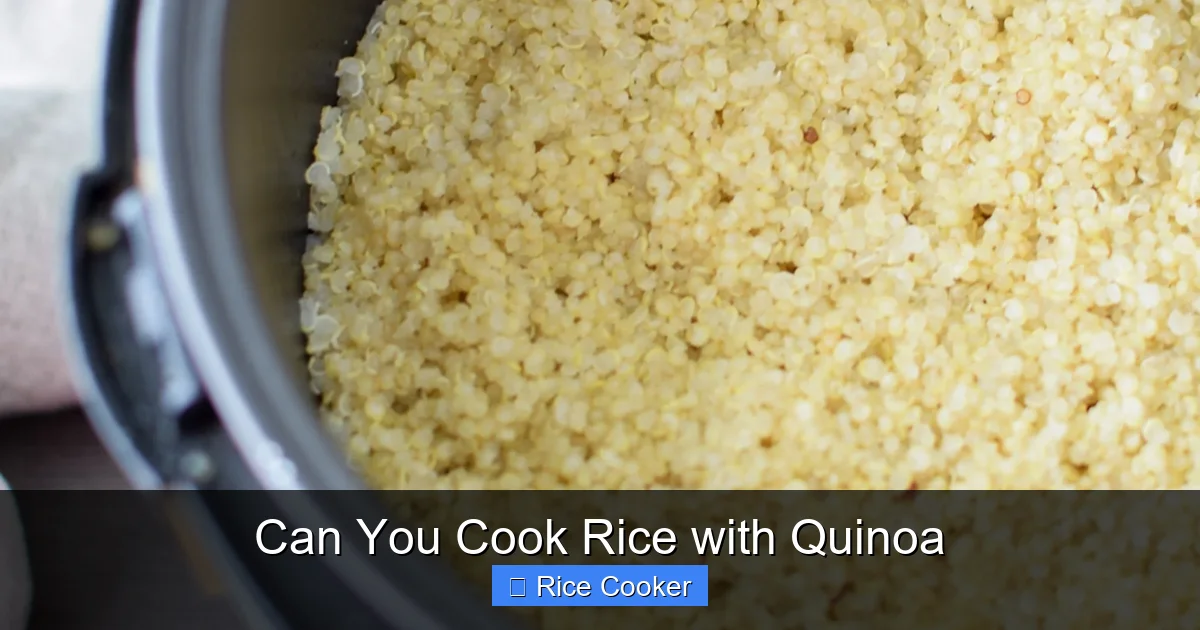
- Prepare Ingredients: Rinse quinoa thoroughly. Measure rice and quinoa in a 2:1 ratio (e.g., 1 cup rice + ½ cup quinoa).
- Add Liquid: Pour in 2 cups of water (or follow your rice cooker’s standard water-to-grain ratio).
- Cook: Place the mixture in the inner pot, close the lid, and select the “white rice” or “mixed grain” setting if available. If not, use the default setting.
- Wait and Enjoy: Once the cycle ends, let the pressure release naturally for 5–10 minutes before opening.
Note: Some rice cookers have a “brown rice” or “quick cook” mode that works better for quinoa due to its firmer texture. Experiment to find your ideal setting.
Adjusting Ratios for Different Results
While 2:1 (rice to quinoa) is a great starting point, you don’t have to stick to it rigidly. Adjusting the ratio changes the texture, flavor, and nutritional profile of your dish.
More Quinoa = More Protein & Crunch
Try a 1:1 ratio for a bolder, chewier bite. This works especially well in grain bowls, where the extra protein keeps you full longer. Just remember to increase water slightly—quinoa can absorb more liquid than rice.
Less Quinoa = Milder Taste
A 3:1 ratio keeps things closer to traditional rice. Ideal if you’re introducing quinoa to kids or picky eaters. The dish will still benefit from added nutrients but remain light and fluffy.
For Creamy Texture
Reduce water by ¼ cup and add a splash of milk or broth during the last 5 minutes of cooking. This mimics risotto-style richness—perfect for cold weather or comfort meals.
Common Mistakes and How to Avoid Them
Even experienced cooks make mistakes when trying something new. Here are the most frequent pitfalls when cooking rice with quinoa—and how to fix them.
Overcooking Quinoa
Quinoa can become mushy if boiled too long. To prevent this, avoid lifting the lid during cooking and resist the urge to stir. Let it rest after cooking to allow steam to finish softening the grains gently.
Not Rinsing Quinoa
Skipping the rinse leaves a soapy, bitter taste. Always rinse quinoa before cooking—even if the package says “no rinse required.”
Incorrect Water Ratio
Too little water = dry, hard grains. Too much = soupy mess. Start with the standard ratio and adjust next time based on results. Keep a log if you’re experimenting!
Using Old or Stale Grains
Old rice loses moisture; old quinoa becomes chalky. Store both in airtight containers away from light and heat. Buy small batches if you don’t use grains frequently.
Creative Ways to Serve Rice with Quinoa
The beauty of this blend is its versatility. Once mastered, you can use it in countless recipes beyond plain side dishes.
Grain Bowls
Top your cooked mix with roasted veggies, grilled chicken, avocado, and a tahini dressing. Add a fried egg for extra protein. Lunch or dinner, done in 30 minutes!
Sushi Rice Alternative
Use cooled rice-quinoa blend as a base for homemade sushi rolls. The slight chewiness holds shape better than plain rice, and the added protein is a bonus.
Stuffing and Filling
Mix cooked grains with herbs, dried fruit, nuts, and spices to stuff bell peppers, tomatoes, or even tortillas for wraps.
Breakfast Porridge
Warm the cooked grains with almond milk, cinnamon, and berries for a hearty morning bowl. Quinoa adds staying power—great for busy days.
Salads
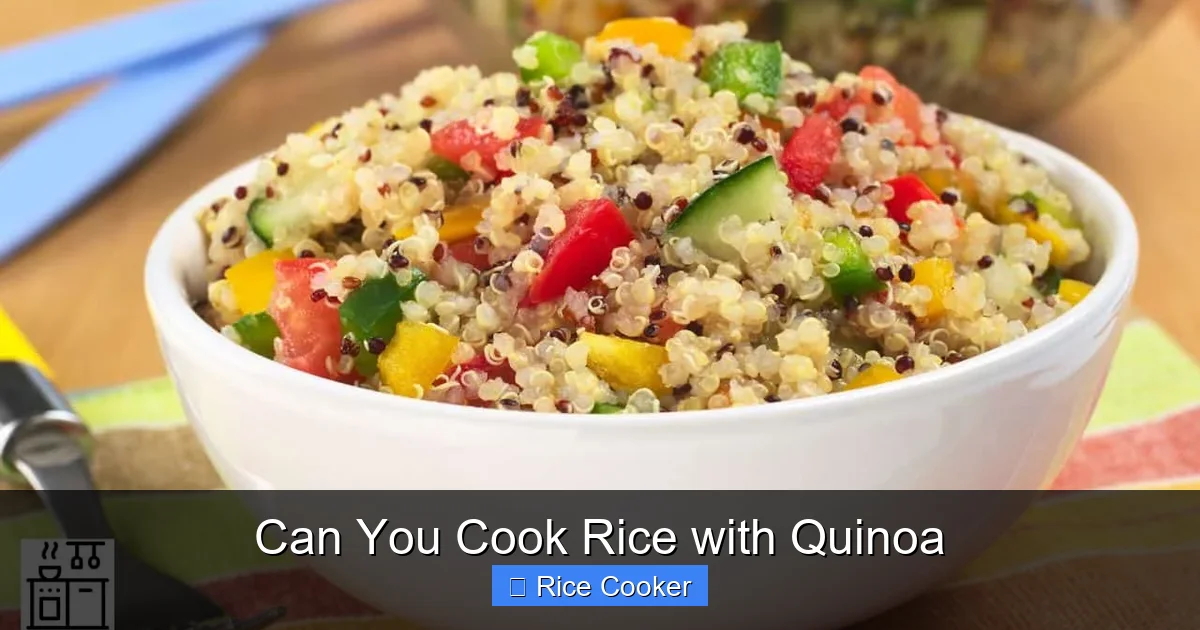
Chill the cooked mix and toss with cucumber, cherry tomatoes, feta, and lemon vinaigrette. A refreshing, protein-packed lunch.
Meal Prep Made Easy
One of the biggest advantages of cooking rice with quinoa is how well it lends itself to meal prep. Cook a big batch at the start of the week and enjoy it across multiple meals.
Storage Tips
Store cooked grains in an airtight container in the fridge for up to 5 days. For longer storage, freeze in portions for up to 3 months. Reheat gently on the stove with a splash of water to restore moisture.
Batch Cooking
Cook 4–6 servings at once using a large pot or multiple rice cooker cycles. Divide into containers labeled with dates and contents. Perfect for busy professionals or families.
Reheating
Never microwave without covering—it dries out quickly. Instead, steam over boiling water for 3–5 minutes or reheat on the stove with a lid to trap moisture.
Health Benefits of Eating Rice with Quinoa
Beyond being tasty, this grain combo offers real health advantages that go beyond basic nutrition.
Complete Proteins
Unlike most plant-based foods, quinoa provides all nine essential amino acids. Pairing it with rice enhances protein quality, making it a rare example of a complete protein source in vegetarian diets.
Blood Sugar Control
The fiber in quinoa slows sugar absorption, helping stabilize blood glucose levels. Combined with rice’s moderate glycemic index, this blend supports metabolic health.
Digestive Health
Both grains contribute insoluble fiber, promoting regular bowel movements and supporting gut bacteria diversity. Quinoa also contains prebiotic compounds that feed beneficial gut microbes.
Heart Health
Magnesium and potassium in quinoa support healthy blood pressure. Fiber helps lower LDL cholesterol. Regular consumption may reduce risk factors for heart disease.
Frequently Asked Questions
Is it safe to cook rice and quinoa together in a rice cooker?
Yes, most rice cookers can handle both grains. Just ensure your model doesn’t have special settings that might affect performance. Use the standard white rice setting and rinse quinoa first.
How much water do I use for rice and quinoa?
Use 2 cups of water for every 1 cup of rice and ½ cup of quinoa. Adjust ±¼ cup based on your preferred texture and grain type (e.g., jasmine vs. basmati).
Can I substitute brown rice for white rice?
Absolutely! Brown rice takes longer to cook, so increase cooking time by 5–10 minutes or use the “brown rice” setting on your rice cooker. The blend will be even heartier.
Do I need to soak quinoa before cooking?
Soaking isn’t required but helps reduce cooking time and improves digestibility. Simply soak in water for 15–30 minutes before proceeding with your recipe.
Can I cook rice with quinoa in a Instant Pot?
Yes! Use the “white rice” or “manual” setting. Follow the same water ratios and resting instructions as with a rice cooker. Natural release works best.
Will this work with instant rice or pre-cooked quinoa?
Pre-cooked quinoa can be mixed with instant rice—just reduce total cooking time. However, fresh grains give the best texture and flavor. Avoid reconstituting instant rice unless necessary.
Frequently Asked Questions
Is it safe to cook rice and quinoa together in a rice cooker?
Yes, most rice cookers can handle both grains. Just ensure your model doesn’t have special settings that might affect performance. Use the standard white rice setting and rinse quinoa first.
How much water do I use for rice and quinoa?
Use 2 cups of water for every 1 cup of rice and ½ cup of quinoa. Adjust ±¼ cup based on your preferred texture and grain type (e.g., jasmine vs. basmati).
Can I substitute brown rice for white rice?
Absolutely! Brown rice takes longer to cook, so increase cooking time by 5–10 minutes or use the “brown rice” setting on your rice cooker. The blend will be even heartier.
Do I need to soak quinoa before cooking?
Soaking isn’t required but helps reduce cooking time and improves digestibility. Simply soak in water for 15–30 minutes before proceeding with your recipe.
Can I cook rice with quinoa in a Instant Pot?
Yes! Use the “white rice” or “manual” setting. Follow the same water ratios and resting instructions as with a rice cooker. Natural release works best.
Will this work with instant rice or pre-cooked quinoa?
Pre-cooked quinoa can be mixed with instant rice—just reduce total cooking time. However, fresh grains give the best texture and flavor. Avoid reconstituting instant rice unless necessary.