
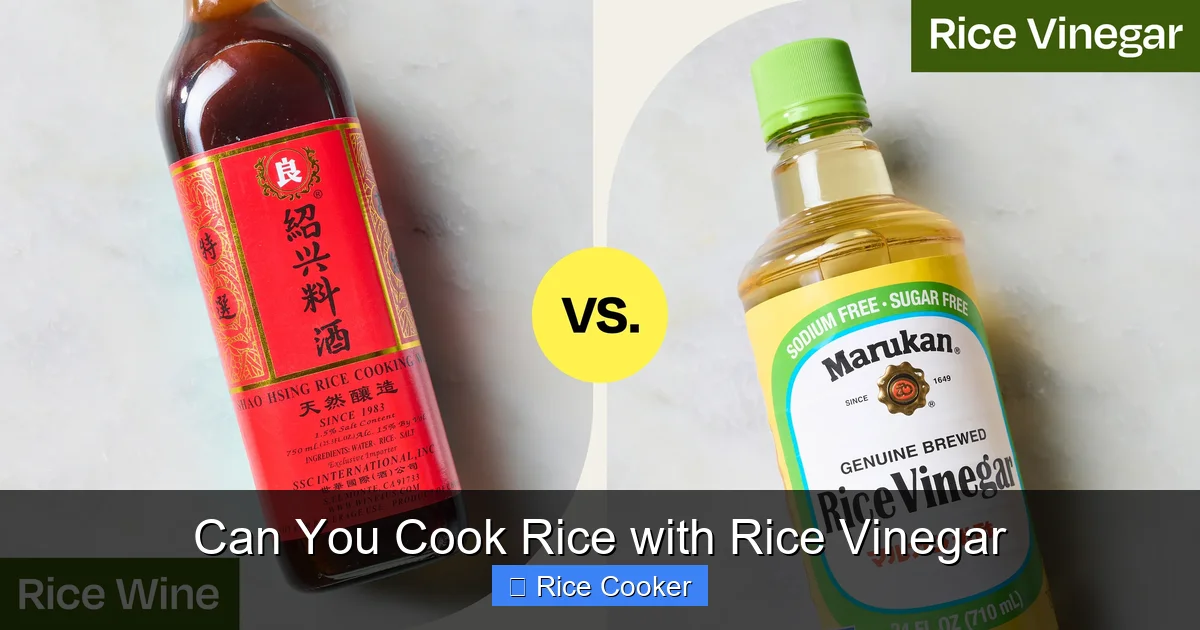
Can you cook rice with rice vinegar? Yes, but not by boiling them together like water. Instead, rice vinegar enhances flavor when used as a seasoning or soaking agent, not as a cooking liquid. It adds subtle acidity without altering the rice’s texture or structure when applied correctly.
Using rice vinegar during or after cooking can improve taste, aid digestion, and even help remove excess starch from certain rice types. However, it won’t replace water in the cooking process and should be added in moderation to avoid a sour flavor.
This guide explains safe and effective ways to incorporate rice vinegar into your rice dishes—whether you’re using a rice cooker, stovetop, or microwave—so you can enjoy better-tasting rice every time.
Key Takeaways
- Rice vinegar cannot replace water: You cannot boil rice and rice vinegar together like water. Rice requires liquid to absorb and cook properly, and rice vinegar lacks the volume and properties needed for proper hydration.
- It improves flavor and aroma: Adding a small amount of rice vinegar after cooking enhances the natural sweetness and umami of rice, especially in sushi or fried rice.
- Helps reduce stickiness: Soaking rice in diluted rice vinegar before cooking can make grains less sticky, ideal for sushi or steamed rice that needs separation.
- Safe for most rice types: Works well with white rice, brown rice, jasmine, basmati, and even instant rice when used appropriately.
- Use in moderation: Too much rice vinegar can make rice overly acidic or slimy. A few tablespoons per cup of rice is sufficient.
- Best added post-cooking: For most recipes, add rice vinegar right after fluffing rice to preserve its delicate flavor and prevent overcooking.
- Enhances digestibility: The mild acidity can support digestion and may reduce bloating when consumed with meals.
📑 Table of Contents
- Introduction: The Surprising Role of Rice Vinegar in Cooking Rice
- Understanding Rice Vinegar: Types and Uses
- Can You Actually Cook Rice with Rice Vinegar? The Short Answer
- The Right Way to Use Rice Vinegar When Making Rice
- Which Type of Rice Vinegar Should You Use?
- Benefits of Using Rice Vinegar in Rice Preparation
- Common Mistakes to Avoid When Using Rice Vinegar with Rice
- Practical Recipes: How to Cook Rice with Rice Vinegar
- Can Rice Vinegar Replace Water Entirely?
- Storage Tips for Rice and Rice Vinegar
- Conclusion: Rice Vinegar Is Your Rice’s New Best Friend
Introduction: The Surprising Role of Rice Vinegar in Cooking Rice
Have you ever wondered if you can cook rice with rice vinegar? It sounds strange at first—why would someone add vinegar to something that usually ends up soft, fluffy, and mildly sweet? After all, rice is typically cooked in plain water, sometimes with a pinch of salt or a pat of butter. But rice vinegar, that tangy, golden-brown liquid commonly used in sushi rolls, stir-fries, and pickled vegetables, has a unique place in Asian cuisine. And yes—there are legitimate ways to use it when making rice. Not by boiling it, mind you, but by incorporating it thoughtfully to elevate flavor, texture, and even health benefits.
Rice vinegar isn’t just for sushi anymore. In modern kitchens, it’s gaining popularity among home cooks who want to experiment with flavor profiles, improve meal balance, or simply make their rice more digestible. Whether you’re using a traditional rice cooker or simmering on the stovetop, understanding how and when to use rice vinegar can transform an ordinary side dish into something extraordinary. This article dives deep into everything you need to know about cooking rice with rice vinegar—what works, what doesn’t, and how to do it right.
Understanding Rice Vinegar: Types and Uses
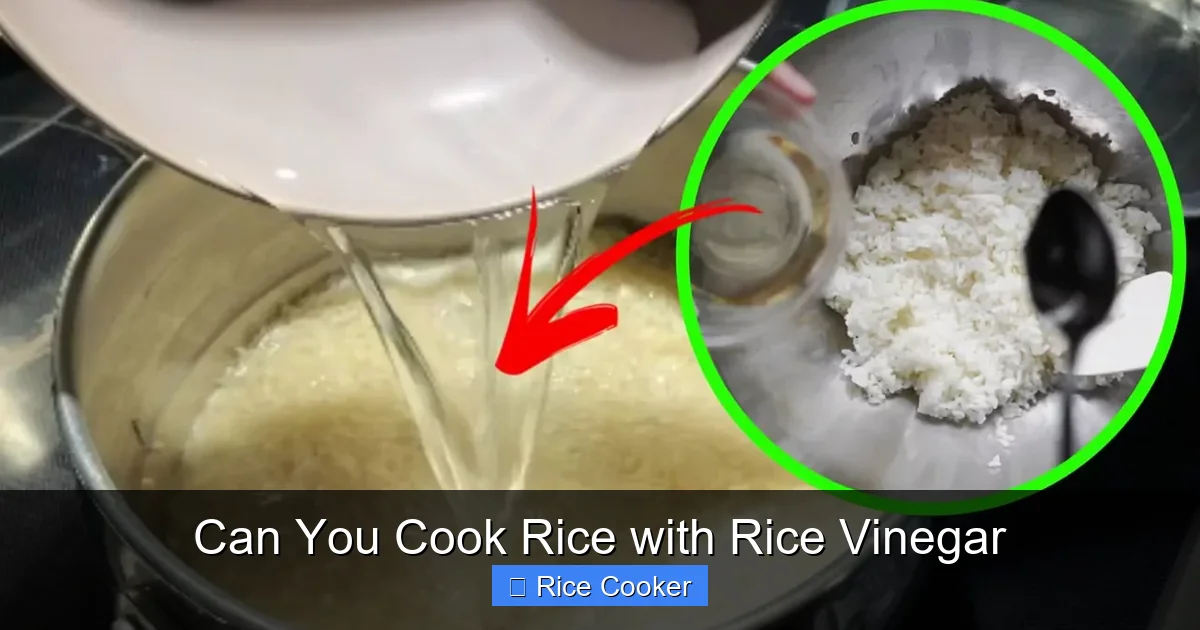
Visual guide about Can You Cook Rice with Rice Vinegar
Image source: howtofeelgood.net
Before we get into the nitty-gritty of cooking rice with rice vinegar, let’s clarify what rice vinegar actually is and why it’s so versatile in the kitchen.
What Is Rice Vinegar?
Rice vinegar is a mild, light-colored vinegar made by fermenting rice starch. Unlike distilled vinegar, which can be harsh and overpowering, rice vinegar has a gentle, slightly sweet flavor with a hint of acidity. It’s commonly used in East and Southeast Asian cuisines—particularly in Japan, Korea, and Vietnam.
There are several types of rice vinegar:
– White rice vinegar: Made from white rice, it’s the most common type. Mild and clean, perfect for sushi and marinades.
– Red (or black) rice vinegar: Fermented longer, giving it a deeper color and richer, more complex flavor. Often used in Chinese cooking.
– Aged rice vinegar: A premium version fermented for years, offering a mellow sweetness and low acidity—ideal for dressings and dipping sauces.
Each type has its own role in cooking, and knowing which one to use depends on your recipe and desired outcome.
Why Use Rice Vinegar in Cooking?
Beyond its use in sushi, rice vinegar serves multiple purposes:
– Adds brightness and balance to savory dishes
– Helps tenderize proteins in marinades
– Enhances the flavor of pickles and vegetables
– Can reduce the heaviness of rich meals
– Improves the texture of certain rice types by cutting through starch
When it comes to rice, the goal isn’t to cook it *with* vinegar, but to use vinegar to enhance the rice after it’s done. Think of it like seasoning a steak—you don’t cook it in salt, but you sprinkle it at the end for maximum impact.
Can You Actually Cook Rice with Rice Vinegar? The Short Answer
Visual guide about Can You Cook Rice with Rice Vinegar
Image source: allrecipes.com
The quick answer is: no, you shouldn’t cook raw rice in rice vinegar like you would in water.
Rice requires a large volume of liquid to absorb and cook evenly. Water provides both volume and the right chemical environment for starch gelatinization—the process that turns uncooked rice into fluffy, edible grains. Vinegar, on the other hand, is mostly acetic acid and lacks the necessary volume and neutral pH to support proper cooking.
If you tried to boil white rice in undiluted rice vinegar, you’d likely end up with mushy, overly acidic grains that taste sour and unpleasant. The rice might not cook through, or it could become too soft and clumpy.
However, this doesn’t mean rice vinegar has no place in rice preparation. On the contrary—it plays a crucial role in improving flavor, texture, and even nutritional value when used correctly.
The Right Way to Use Rice Vinegar When Making Rice
So if you can’t cook rice *with* rice vinegar like water, how should you use it?
There are three main methods:
1. **Post-cooking seasoning**
2. **Pre-soaking technique**
3. **Marinating or flavoring cooked rice**
Let’s explore each in detail.
Method 1: Post-Cooking Seasoning – The Classic Sushi Approach
After your rice is fully cooked and still warm, this is where rice vinegar shines. This method is most popular in Japanese cuisine, especially for making sushi rice.
Here’s how it works:
1. Cook your rice as usual—using a rice cooker or stovetop with measured water.
2. Once cooked, transfer the rice to a wide bowl or wooden sushi tub.
3. While the rice is still warm (not hot), drizzle in rice vinegar gradually—about 1–2 tablespoons per cup of rice.
4. Gently fold the rice with a cut bamboo paddle or spoon, fanning it occasionally to cool and aerate.
5. Add a pinch of sugar and salt to balance the flavor.
6. Let it sit for 10–15 minutes to absorb the flavors.
This process gives the rice a glossy sheen, balanced flavor, and the perfect texture for rolling. The vinegar doesn’t alter the cooking process—it seasons the finished product.
Pro Tip: Never add vinegar to cold rice. The grains will absorb unevenly, and the flavor will be off.
Method 2: Pre-Soaking for Less Sticky Rice
Want rice that separates beautifully—like for fried rice or risotto-style dishes? Try soaking your rinsed rice in a diluted vinegar solution.
Here’s the process:
1. Rinse your rice thoroughly under cold water until the water runs clear.
2. Place the rinsed rice in a bowl and cover it with room-temperature water.
3. Add 1 tablespoon of rice vinegar per 2 cups of water.
4. Let it soak for 15–30 minutes.
5. Drain the rice and cook as normal.
This technique helps break down surface starch slightly, resulting in cleaner-tasting grains that don’t clump together. It’s especially useful for short-grain rice like sushi or arborio (used in risotto).
Note: This method works best with white rice. Brown rice has a harder outer bran layer and may not respond as well.
Method 3: Marinating or Flavor-Infusing Cooked Rice
For dishes like tabbouleh-inspired rice salads, grain bowls, or even leftover rice repurposed into fried rice, you can toss cooked rice with a light vinaigrette made from rice vinegar.
Example:
– Mix 1 part rice vinegar, 2 parts olive oil, a dash of soy sauce, and minced herbs.
– Toss with cooled cooked rice, cherry tomatoes, cucumber, and herbs.
– Chill for at least 30 minutes before serving.
This adds complexity and refreshment without affecting texture. Since the rice is already cooked, the vinegar simply seasons and brightens the dish.
Which Type of Rice Vinegar Should You Use?
Not all rice vinegars are created equal—and your choice can affect the final taste of your rice.
White Rice Vinegar – Best for Sushi and Delicate Dishes
White rice vinegar is mild, clear, and slightly sweet. It doesn’t darken the rice or add color, making it ideal for sushi, onigiri (rice balls), and steamed rice that needs to look pristine.
Use it when:
– Making sushi rice
– Wanting a neutral base for rice bowls
– Preparing delicate desserts (like rice puddings with a hint of acidity)
Red Rice Vinegar – Bold Flavor for Savory Meals
Red rice vinegar has a deeper hue and a richer, almost fruity flavor due to longer fermentation. It pairs well with robust dishes like Korean bibimbap or Chinese fried rice.
Use it when:
– Cooking fried rice with bold seasonings
– Making pickled vegetables to serve alongside rice
– Wanting a slightly bolder acidity in grain bowls
Aged Rice Vinegar – Subtle Sweetness for Dressings
Aged rice vinegar is the most refined—low in acidity and high in sweetness. It’s rarely used for cooking rice directly but excels in salad dressings or glazes.
Use it when:
– Making rice vinegar-based sauces
– Balancing sweet dishes
– Creating gourmet presentations
Benefits of Using Rice Vinegar in Rice Preparation
Beyond flavor, there are several practical and health-related reasons to consider adding rice vinegar to your rice routine.
Improved Digestion
The mild acidity of rice vinegar can stimulate digestive enzymes, helping your body break down food more efficiently. This is especially helpful if you eat large portions of rice regularly, as it may reduce bloating and gas.
Studies suggest that consuming vinegar with meals can improve post-meal glucose responses and satiety—though more research is needed specifically on rice vinegar.
Reduced Stickiness
As mentioned earlier, soaking rice in a diluted vinegar solution can help minimize stickiness. This makes it easier to fluff rice by hand and prevents clumping—perfect for serving at gatherings or packing in bento boxes.
Enhanced Nutrient Absorption
Some nutrients in rice, like iron and certain B vitamins, are better absorbed in an acidic environment. A splash of rice vinegar may help unlock these nutrients, boosting overall dietary efficiency.
Mold Prevention
Rice left out at room temperature can spoil quickly due to mold growth. A light mist of rice vinegar on cooled rice can act as a natural preservative, extending shelf life by a day or two.
Common Mistakes to Avoid When Using Rice Vinegar with Rice
Even experienced cooks can go wrong when experimenting with rice vinegar. Here are some frequent errors to watch out for:
1. Adding Too Much Vinegar
Too much rice vinegar can overwhelm the dish, turning it sour or slimy. Start with small amounts—1 tablespoon per cup of rice—and adjust to taste.
2. Adding Vinegar to Cold Rice
Cold rice absorbs vinegar unevenly, leading to patchy flavor. Always add vinegar to warm or lukewarm rice.
3. Using Distilled White Vinegar Instead
Distilled vinegar is harsh, sharp, and lacks the subtlety of rice vinegar. It can ruin the balance of delicate dishes like sushi rice.
4. Skipping the Sugar or Salt Balance
Vinegar is acidic—it needs sweetness or salt to shine. Always pair rice vinegar with a touch of sugar (brown or white) and salt when seasoning rice.
5. Not Fanning the Rice
When making sushi rice, fanning while adding vinegar helps evaporate excess moisture and creates a glossy finish. Skipping this step results in dull, wet rice.
Practical Recipes: How to Cook Rice with Rice Vinegar
Ready to try it yourself? Here are two simple, foolproof recipes.
Recipe 1: Perfect Sushi Rice (Using Rice Vinegar)
Ingredients:
– 2 cups sushi rice (short-grain)
– 2 ¼ cups water
– 3 tbsp white rice vinegar
– 1½ tsp fine sea salt
– 1 tsp sugar
Instructions:
1. Rinse rice in cold water until water runs clear. Drain.
2. Combine rice and water in a rice cooker or pot. Bring to a boil, then reduce heat, cover, and simmer for 18 minutes (or follow your rice cooker’s settings).
3. Remove from heat; let stand 10 minutes, uncovered.
4. In a small saucepan, gently warm vinegar, salt, and sugar until dissolved. Don’t boil.
5. Transfer hot rice to a wooden bowl. Drizzle warm vinegar mixture over rice.
6. Using a cut bamboo paddle, gently fold in vinegar while fanning rice with a fan or paper to cool and aerate.
7. Let rest 10 minutes before serving.
Recipe 2: Tangy Fried Rice with Rice Vinegar
Ingredients:
– 3 cups cooked jasmine or long-grain rice (day-old works best)
– 2 tbsp rice vinegar
– 1 tbsp soy sauce
– 1 tsp sesame oil
– 2 green onions, chopped
– 1 clove garlic, minced
– 1 tsp sugar
– Salt to taste
Instructions:
1. Heat oil in a wok or skillet over medium-high heat.
2. Sauté garlic until fragrant (10 seconds).
3. Add rice and break up clumps with a spatula.
4. Stir in vinegar, soy sauce, and sugar. Cook 2–3 minutes until heated through.
5. Remove from heat and mix in green onions.
6. Taste and adjust with more vinegar or salt if needed.
Serve immediately with your favorite protein and veggies.
Can Rice Vinegar Replace Water Entirely?
Absolutely not. While rice vinegar has water-like qualities, it lacks the volume and neutral pH required for proper starch gelatinization. Cooking rice in pure rice vinegar would result in:
– Unevenly cooked grains (some hard, some mushy)
– Overly sour flavor
– Poor texture and appearance
– Potential safety concerns (improper hydration can encourage bacterial growth)
Always use water as your primary cooking liquid. Rice vinegar should only supplement—never substitute.
Storage Tips for Rice and Rice Vinegar
To get the most out of your rice and rice vinegar:
– Store unopened rice vinegar in a cool, dark place. Once opened, keep refrigerated.
– Cooked rice with rice vinegar should be used within 2 days if kept covered.
– For longer storage, portion rice into containers, press plastic wrap directly onto the surface (to prevent drying), and refrigerate.
Freezing is possible, but texture may suffer upon thawing.
Conclusion: Rice Vinegar Is Your Rice’s New Best Friend
So, can you cook rice with rice vinegar? Not in the traditional sense—but yes, in many creative and delicious ways. By using rice vinegar as a seasoning, soaking agent, or finishing touch, you can dramatically improve the flavor, texture, and even nutritional value of your rice dishes.
Whether you’re making sushi, fried rice, or just a simple bowl of steamed rice, a little rice vinegar goes a long way. It adds brightness, balances richness, and brings out the natural sweetness of the grain.
Remember: the key is moderation, timing, and the right technique. Don’t rush the process—especially when making sushi rice. Take your time fanning and folding, and always taste as you go.
With these tips, you’re ready to elevate your rice game. Next time you reach for a jar of rice vinegar, think beyond pickles and sushi. Let it inspire your next pot of rice.
Frequently Asked Questions
Can I cook rice with rice vinegar instead of water?
No, rice vinegar cannot replace water entirely. Rice requires a large volume of liquid to cook properly, and vinegar lacks the necessary quantity and neutral pH for starch gelatinization. Using pure rice vinegar will result in mushy, sour-tasting rice that’s difficult to eat.
How much rice vinegar should I use per cup of rice?
For most recipes, use 1 to 2 teaspoons of rice vinegar per cup of cooked rice. If you’re soaking rice beforehand, use 1 tablespoon of vinegar per 2 cups of water. Adjust based on your taste preference, but start small to avoid over-acidifying the dish.
Does rice vinegar make rice taste sour?
Only if used in excess. When added in moderation—especially after cooking—rice vinegar adds a pleasant tang that balances sweetness and enhances flavor without dominating the palate. Pair it with a pinch of sugar or salt to maintain balance.
Can I use red rice vinegar instead of white for sushi rice?
Yes, but it will give your rice a reddish tint and a stronger, fruitier flavor. Traditional sushi rice uses white rice vinegar for its neutral appearance and mild taste. Red rice vinegar works better in fried rice or grain bowls.
Is it safe to leave rice with rice vinegar out overnight?
Generally, no. Rice left at room temperature for more than 2 hours can grow harmful bacteria. If you’ve seasoned rice with rice vinegar, store it in the refrigerator within 1 hour of cooking. Consume within 2 days.
Can rice vinegar help reduce rice stickiness?
Yes! Soaking rinsed rice in a diluted solution of rice vinegar (1 tbsp per 2 cups water) for 15–30 minutes before cooking can help reduce surface starch, resulting in less sticky, cleaner-tasting grains—ideal for sushi or fried rice.