
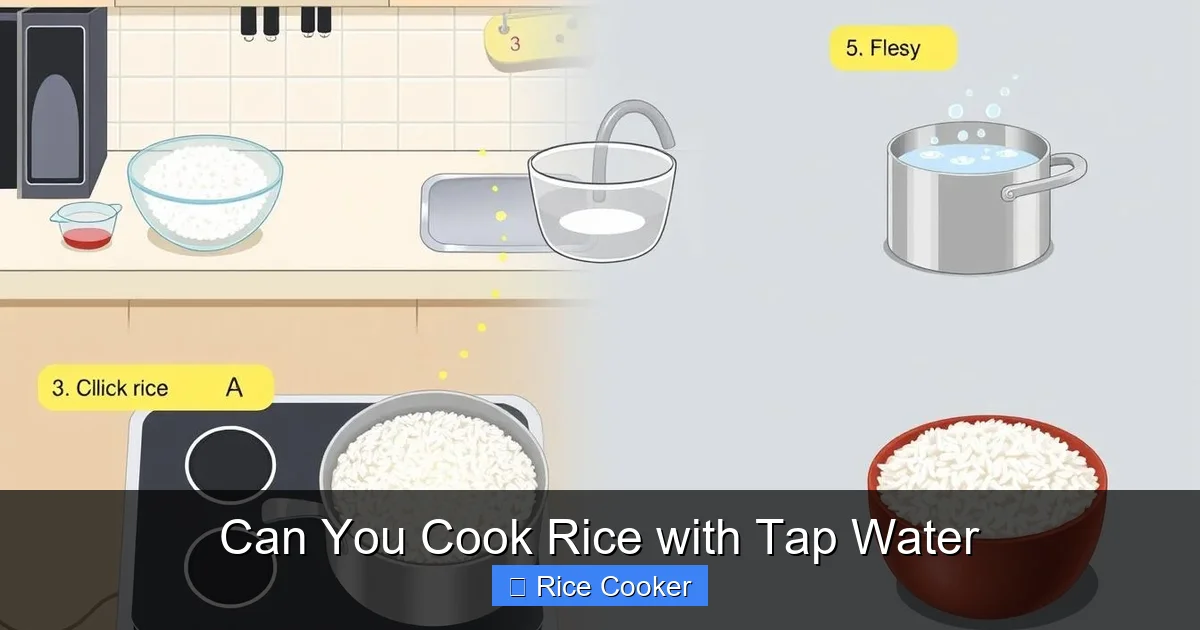
Can you cook rice with tap water? Absolutely—most people do it daily. However, water quality can impact flavor, texture, and safety. In this guide, we’ll explore whether tap water is safe, how it compares to bottled or filtered water, and practical tips to ensure your rice turns out fluffy and delicious every time using a rice cooker.
Key Takeaways
- Tap water is generally safe for cooking rice in most developed countries due to regulated municipal treatment.
- Water hardness and mineral content affect rice texture—soft water yields softer grains; hard water can make rice gummy.
- Chlorine and additives may impact taste, though boiling removes most of it before cooking.
- Filtered or bottled water often produces better-tasting rice, especially for long-grain varieties like jasmine or basmati.
- Using tap water is cost-effective and convenient, making it ideal for everyday cooking.
- Always rinse rice before cooking regardless of water source to remove excess starch.
- Adjust water ratios slightly if using very soft or hard tap water for optimal results.
📑 Table of Contents
- Can You Cook Rice with Tap Water? A Complete Guide for Perfect Everyday Meals
- Is Tap Water Safe for Cooking Rice?
- How Tap Water Affects Rice Texture and Taste
- Practical Tips for Using Tap Water in Your Rice Cooker
- Common Myths About Cooking Rice with Tap Water
- When Should You Avoid Tap Water?
- Cost-Benefit Analysis: Tap Water vs. Filtered/Bottled Water
- Final Thoughts: Embrace Convenience Without Sacrificing Quality
Can You Cook Rice with Tap Water? A Complete Guide for Perfect Everyday Meals
Have you ever wondered whether the water you use to cook rice actually matters? If you’re using a rice cooker at home—and chances are, you are—you’re probably pouring in whatever water comes from your tap. After all, it’s convenient, free, and readily available. But does it really work just as well as bottled or filtered water?
The short answer: yes, you can cook rice with tap water. Most people do, and they’ve been doing it for generations without major issues. But understanding the nuances behind that decision can help you serve up consistently better rice. From mineral content to chemical additives, the type of water you use plays a subtle but meaningful role in how your rice turns out—fluffy, separate, or clumpy.
In this article, we’ll dive deep into everything you need to know about using tap water in your rice cooker. Whether you’re a beginner learning how to use a rice cooker or a seasoned home cook looking to optimize your technique, you’ll find practical advice, science-backed insights, and easy tips to elevate your rice game—without breaking the bank or your routine.
Is Tap Water Safe for Cooking Rice?
Regulation and Safety Standards
In many countries—especially in North America, Europe, and parts of Asia—tap water is heavily regulated by government agencies such as the Environmental Protection Agency (EPA) in the U.S., Health Canada, or the European Food Safety Authority (EFSA). These bodies enforce strict standards on drinking water, including limits on contaminants like lead, bacteria, nitrates, and heavy metals.
Visual guide about Can You Cook Rice with Tap Water
Image source: tastingtable.com
This means that tap water intended for human consumption is generally safe to drink, and by extension, safe to use for cooking rice. The process of boiling rice typically involves heating the water to temperatures above 100°C (212°F), which kills any harmful microorganisms that might be present.
What About Contaminants?
That said, not all tap water is created equal. Depending on where you live, your water supply may contain trace amounts of minerals, chlorine, fluoride, or even agricultural runoff. While these levels are usually within legal limits, they can still influence the final texture and flavor of your rice.
For example:
- High mineral content (hard water) can leave a slight film or make rice feel sticky.
- Chlorine, commonly used as a disinfectant, has a distinct taste that some people notice in food—though it largely evaporates during boiling.
If you’re concerned about purity, consider checking your local water quality report. Many cities publish annual reports online showing contaminant levels. This simple step gives you peace of mind and helps you decide whether additional filtration is worthwhile.
How Tap Water Affects Rice Texture and Taste
The Science Behind Starch and Water Interaction
Rice absorbs water during cooking through a process called gelatinization. As heat breaks down the rice’s outer layer, starch molecules swell and release into the surrounding liquid, transforming the grain from hard to soft. The balance between absorbed and retained water determines whether your rice is fluffy or mushy.
Visual guide about Can You Cook Rice with Tap Water
Image source: pastureandpearl.com
Now, here’s where water quality comes into play: the mineral composition of tap water influences how efficiently starch releases and how evenly heat distributes. For instance, water rich in calcium or magnesium (common in hard water areas) can interfere with starch absorption, leading to uneven cooking or a chalky mouthfeel.
Comparing Tap Water to Filtered or Bottled Water
Many culinary experts recommend using filtered or spring water for cooking rice—not because tap water is unsafe, but because it offers more consistent results. Here’s why:
- Consistency: Bottled or filtered water contains predictable mineral levels, reducing variability in each batch.
- Flavor neutrality: Unlike tap water, which may carry chlorine or metal tastes, purified water allows the natural flavor of the rice to shine.
- Texture control: Soft water (low mineral content) tends to yield lighter, fluffier rice, while hard water can create denser grains.
That said, unless you’re preparing delicate dishes like risotto or sushi rice, the difference may be negligible for everyday meals. And let’s be honest—most home cooks prioritize convenience over perfection when it comes to weekday dinners.
Practical Tips for Using Tap Water in Your Rice Cooker
Step-by-Step Guide
Cooking rice with tap water doesn’t require special techniques—just a few smart adjustments to maximize quality:
- Rinse the rice first: Place your rinsed rice in a bowl, cover it with cold tap water, and swirl gently. Drain and repeat 1–2 times to wash away excess surface starch. This prevents clumping and ensures even cooking.
- Use the right ratio: Stick to standard proportions (e.g., 1 cup rice : 1.5 cups water) unless your recipe specifies otherwise. Over time, you’ll develop a sense of how your tap water behaves.
- Let the water sit: Allow tap water to rest uncovered for 10–15 minutes before use. This lets chlorine evaporate, improving taste.
- Check your water hardness: If your area has very soft or very hard water, consider adjusting the water-to-rice ratio slightly. Soft water may need less added liquid; hard water might benefit from a bit more.
Choosing the Right Rice Type
Different rice varieties respond differently to water quality. Long-grain types like basmati or jasmine are particularly sensitive to impurities because their slender shape amplifies texture flaws. Short-grain or sushi rice, which have higher amylopectin content, tend to hold together better despite minor water variations.
If you frequently cook aromatic or specialty rices, investing in filtered water could pay off in improved aroma and separation. But again—for white or brown rice cooked in standard rice cookers, tap water works just fine.
Common Myths About Cooking Rice with Tap Water
Myth #1: “Tap Water Makes Rice Gummy”
This belief stems from anecdotal experiences in areas with high mineral content. While hard water *can* contribute to stickiness, the real culprit is often improper rinsing or incorrect water ratios. With proper technique, tap water won’t ruin your rice.
Myth #2: “Bottled Water Is Always Better”
Not necessarily. Some bottled waters are simply filtered tap water with added minerals (like Fiji or Evian). Others come from natural springs but may lack consistency. Unless labeled specifically as “spring” or “purified,” bottled water isn’t inherently superior.
Myth #3: “You Must Boil Tap Water First”
Boiling tap water before adding rice is unnecessary for safety reasons—rice cookers reach temperatures hot enough to kill pathogens. However, boiling can remove chlorine and improve taste if that’s a concern.
When Should You Avoid Tap Water?
Signs Your Tap Water May Not Be Suitable
While rare, there are situations where tap water might not be ideal for cooking:
- Recent infrastructure changes: Construction near water mains can temporarily introduce sediment or chemicals.
- Old plumbing systems: Lead pipes or corroded fixtures may leach metals into your water.
- Unusual odor or color: Strong smells (rotten eggs = sulfur) or cloudy appearance warrant caution.
If you suspect contamination, run cold water for 1–2 minutes before collecting it for cooking, or use a certified water filter. When in doubt, bottled water is always a safe backup.
Cost-Benefit Analysis: Tap Water vs. Filtered/Bottled Water
Economic Considerations
Let’s talk money. A typical household uses about 6–8 gallons of water per day for cooking and cleaning. If you switched entirely to bottled water, that would cost roughly $15–$20 monthly—plus environmental waste from plastic bottles.
On the other hand, installing a basic pitcher filter ($20–$40) reduces costs to pennies per gallon and eliminates single-use plastics. Advanced under-sink systems offer even greater savings over time.
Bottom line: using tap water saves money and resources, provided your municipality meets safety standards.
Final Thoughts: Embrace Convenience Without Sacrificing Quality
Cooking rice with tap water is not only possible—it’s practical, economical, and perfectly acceptable for most home cooks. The key lies in awareness: understand your water source, adjust your technique accordingly, and don’t overcomplicate things.
Whether you’re whipping up a quick side dish or preparing a festive meal, your rice cooker will perform reliably with tap water. Just remember to rinse your rice, follow recommended ratios, and trust your instincts. After all, great cooking starts with confidence—not complicated rituals.
So go ahead—fill that measuring cup with tap water, add your rinsed rice, and press start. Your family will never know (or care), as long as the rice is tender, separated, and full of flavor.
Frequently Asked Questions
Is it unhealthy to cook rice with tap water?
No, cooking rice with tap water is generally healthy as long as your local water supply meets safety standards. Municipal water is treated to remove harmful contaminants, and boiling rice further reduces any risks. However, if you notice unusual odors, colors, or taste, consider using filtered water instead.
Does tap water change the taste of rice?
Tap water can subtly affect rice flavor, especially if it contains chlorine, fluoride, or high mineral content. Chlorine may leave a faint chemical aftertaste, while hard water can alter texture. Rinsing rice thoroughly and letting tap water sit before use minimizes these effects.
Should I boil tap water before adding rice?
Boiling tap water isn’t necessary for safety since rice cookers heat water beyond boiling point. However, boiling for 1–2 minutes before adding rice can remove chlorine and improve taste, particularly if you’re sensitive to off-flavors.
What type of rice benefits most from filtered water?
Delicate, long-grain varieties like basmati, jasmine, and sushi rice benefit most from filtered or bottled water because their slender shape magnifies texture flaws caused by impurities. Short-grain or instant rices are less affected by water quality.
How do I know if my tap water is too hard for cooking?
Hard water feels slippery on skin and leaves mineral spots on dishes. If your rice tends to be gummy or sticky despite proper rinsing, or if you see scale buildup in kettles, your water may be too hard. Consider testing with a home kit or contacting your water provider.
Can children and babies safely eat rice cooked with tap water?
Yes, as long as the tap water is approved for drinking. Infants and young children rely heavily on safe water sources, so always verify your local water quality report. If uncertain, use filtered or boiled tap water for infant formula or baby food.