
Can you cook rice with vinegar? Absolutely! Adding vinegar during or after cooking rice is a common technique used by chefs and home cooks alike. It enhances flavor, improves texture, and even helps preserve the rice. Whether you’re making sushi, fried rice, or a savory side dish, vinegar can transform your plain grains into something extraordinary. Let’s dive into the science, methods, and delicious possibilities of cooking rice with vinegar.
Can you cook rice with vinegar? The short answer is yes—but the real question is: should you? And if so, how? This might sound strange at first. After all, rice is typically cooked with water, salt, and maybe butter or oil. But vinegar? That’s usually reserved for dressings, marinades, or pickling. So why would anyone add vinegar to rice?
Well, vinegar has been used in rice cooking for centuries, especially in East and Southeast Asian cuisines. From sushi rice in Japan to fragrant coconut rice in Thailand, vinegar plays a subtle yet essential role. It doesn’t just add acidity—it changes the way rice feels and tastes. In this article, we’ll explore everything you need to know about cooking rice with vinegar, from the science behind it to practical tips and recipe ideas.
Whether you’re using a rice cooker, stovetop, or microwave, whether you’re making sticky sushi rice or fluffy jasmine rice, understanding how vinegar interacts with rice can take your cooking to the next level. Let’s get started!
Key Takeaways
- Vinegar adds flavor and brightness: A splash of vinegar can elevate plain rice, giving it a tangy, aromatic quality perfect for Asian-inspired dishes.
- It affects texture and stickiness: Vinegar slightly alters starch structure, reducing stickiness and improving grain separation—ideal for dishes like sushi or fried rice.
- Cooking method matters: You can add vinegar during boiling, at the end of cooking, or after steaming. Each method yields different results.
- Different vinegars offer unique flavors: White vinegar is neutral and effective, while rice vinegar adds authentic taste, especially in sushi rice.
- Health benefits are minimal but present: Vinegar may support digestion and blood sugar control, though its impact on cooked rice is modest.
- Too much vinegar ruins the dish: Balance is key—start with small amounts and adjust to taste.
- It’s not just for sweet rice: Vinegar pairs surprisingly well with savory dishes too, including pilafs, grain bowls, and stir-fries.
📑 Table of Contents
- The Science Behind Cooking Rice with Vinegar
- Types of Vinegar You Can Use for Cooking Rice
- How to Cook Rice with Vinegar: Step-by-Step Methods
- Recipes That Work Best with Vinegar-Rice
- Common Mistakes to Avoid
- Health Considerations: Is It Safe?
- Tips for Perfect Vinegar Rice Every Time
- Conclusion: Yes, You Should Try It
The Science Behind Cooking Rice with Vinegar
To understand why vinegar works in rice, we need to look at what happens inside those tiny grains. Rice contains starch, primarily amylose and amylopectin. When heated in water, these starches absorb moisture, swell, and eventually gelatinize, turning the raw grain into cooked rice.
Vinegar, which is mostly acetic acid, interferes with this process in a few interesting ways. First, the acidity lowers the pH of the cooking environment. This slightly inhibits the activity of enzymes that cause starch retrogradation—the process where cooked rice becomes firm or chewy as it cools. As a result, rice cooked with a touch of vinegar tends to stay softer and less gummy over time.
Second, the acid helps break down some of the starch molecules, making the rice slightly less sticky. This is especially useful when you want individual grains to separate, rather than clump together. Think of sushi rice—it needs to be clingy enough to hold together when rolled, but not so sticky that it becomes mushy.
Finally, vinegar enhances flavor by balancing the natural sweetness of rice with a bright, tangy note. It acts like a seasoning agent, deepening the overall taste without overwhelming it.
So while vinegar doesn’t cook the rice itself, it significantly influences both texture and taste. That’s why professional chefs often use it in their recipes—not just as an afterthought, but as a deliberate ingredient.
Types of Vinegar You Can Use for Cooking Rice
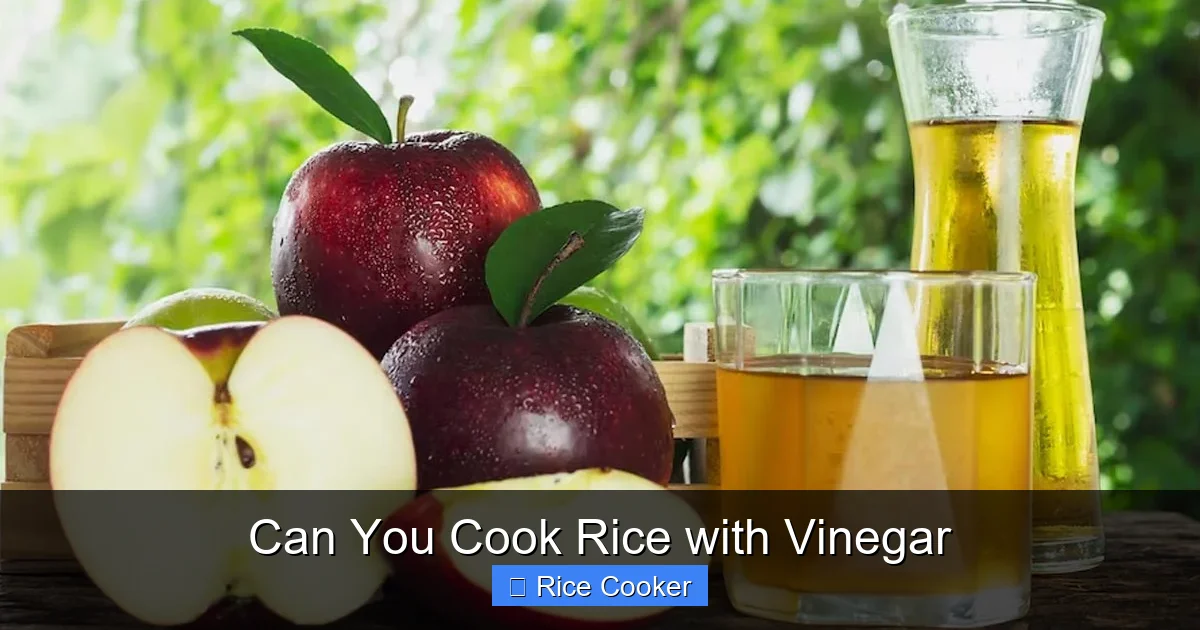
Visual guide about Can You Cook Rice with Vinegar
Image source: images.onlymyhealth.com
Not all vinegars are created equal, and the type you choose can dramatically affect the outcome. Here’s a quick guide to the most common options:
White Distilled Vinegar
This is the most neutral and widely available option. With a sharp, clean acidity, it doesn’t add any color or complex flavors. It’s ideal if you want to enhance the rice’s natural taste without altering it. However, because it’s so strong, you need to use it sparingly—just a teaspoon per cup of rice should do the trick.
Rice Vinegar (Japanese or Sushi Vinegar)
This is the gold standard for sushi rice. Made from fermented rice, rice vinegar has a mild, slightly sweet flavor that complements rice beautifully. It’s commonly sold in two forms: plain (used for cooking) and seasoned (already mixed with sugar and salt). If your recipe calls for “sushi rice,” chances are it includes rice vinegar.
Balsamic Vinegar
While not traditional for rice, balsamic vinegar can add a rich, fruity depth to certain dishes—like brown rice pilafs with roasted vegetables. Because it’s dark and strong, use it in small amounts and only for savory recipes. Too much will make the rice taste syrupy or overly sweet.
Lemon Juice or Apple Cider Vinegar
These work in a pinch, especially if you’re making a quick side dish. Lemon juice adds a fresh citrus note, while apple cider vinegar brings a mild, fruity tang. Just remember: they’re less concentrated than distilled vinegar, so you might need a bit more to achieve the same effect.
For most home cooking, white vinegar or rice vinegar is your best bet. They’re affordable, easy to find, and versatile.
How to Cook Rice with Vinegar: Step-by-Step Methods
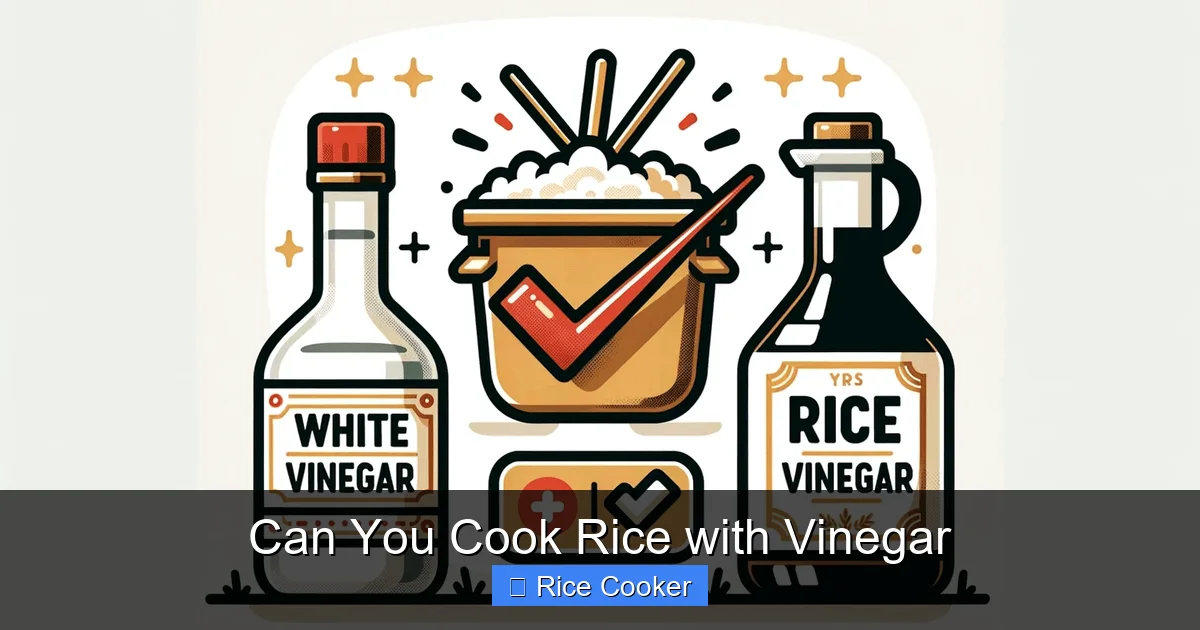
Visual guide about Can You Cook Rice with Vinegar
Image source: expertreviewsbestricecooker.com
You don’t need fancy equipment to cook rice with vinegar. Whether you’re using a pot, rice cooker, or microwave, here are several reliable methods.
Method 1: Adding Vinegar During Boiling
This method gives the vinegar time to mix evenly throughout the rice.
1. Rinse your rice under cold water until the water runs clear.
2. Combine rinsed rice with 1.5 cups of water (or broth for extra flavor) in a saucepan.
3. Add a pinch of salt and bring to a boil.
4. Once boiling, reduce heat to low, cover, and simmer for 15–18 minutes, depending on the type of rice.
5. Remove from heat and stir in 1 teaspoon of vinegar (adjust to taste).
6. Let the rice sit, covered, for 5–10 minutes before fluffing with a fork.
This method works well for pilafs, stir-fry bases, or any dish where you want the vinegar’s flavor to blend into the whole batch.
Method 2: Adding Vinegar at the End of Cooking
This approach preserves more of the vinegar’s aroma and prevents it from evaporating too early.
1. Cook the rice as usual, using the standard water-to-rice ratio.
2. Once the rice is tender and the water is absorbed, remove it from heat.
3. Stir in the vinegar along with a knob of butter or a drizzle of olive oil.
4. Cover and let it rest for 5 minutes to allow the flavors to meld.
This is the preferred method for sushi rice, where you want a clean, balanced taste without any harsh acidity.
Method 3: Using Vinegar Water (Pre-Cook Soak)
Some chefs soak rice in lightly salted, vinegary water before cooking. This softens the outer layer of starch and improves texture.
1. Mix 1 cup of rice with 1.5 cups of water and 1 teaspoon of vinegar.
2. Let it soak for 20–30 minutes.
3. Drain and cook as usual.
This method is great for delicate rices like jasmine or basmati, which benefit from extra softening.
Method 4: In a Rice Cooker
Most modern rice cookers have a keep-warm function, making them perfect for adding vinegar at the end.
1. Add rice and water to the inner pot.
2. Select the appropriate setting (white rice, brown rice, etc.).
3. Once the cycle ends, open the lid and stir in the vinegar.
4. Close the lid and let it sit for 10 minutes on “warm” to help the flavors settle.
Pro tip: Some rice cookers come with a steamer basket—you can even add herbs or citrus slices to infuse subtle aromatics while the rice cooks.
Recipes That Work Best with Vinegar-Rice
Now that you know how to cook rice with vinegar, let’s talk about where it shines. Here are five delicious applications:
Sushi Rice (Moto)
This is the classic example. After cooking short-grain rice, mix it with seasoned rice vinegar (vinegar + sugar + salt), gently fold it in, and let it cool. The result? Perfectly plump, slightly sticky grains that cling together without being glue-like.
Vietnamese Coconut Rice
Combine jasmine rice with coconut milk and a splash of rice vinegar. The tang balances the richness of the coconut, creating a light, aromatic side dish.
Mexican Arroz Rojo
Cook rice with tomatoes, onions, garlic, and a dash of white vinegar. The acidity cuts through the tomato’s sweetness and adds brightness.
Thai Basil Fried Rice
Stir-fry leftover rice with soy sauce, fish sauce, and a squeeze of lime or rice vinegar. The acid wakes up the flavors and prevents the rice from tasting flat.
Spanish Paella Rice
Use short-grain rice with saffron, chicken broth, and a splash of white wine vinegar. The vinegar enhances the saffron’s floral notes and keeps the rice from becoming too heavy.
Each of these recipes uses vinegar not just as a flavoring, but as a key component that defines the dish’s character.
Common Mistakes to Avoid
Even experienced cooks can go wrong when using vinegar in rice. Here are some pitfalls to watch out for:
Using Too Much Vinegar
Start with 1 teaspoon per cup of rice. Taste as you go. Overdoing it leads to a sour, unpleasant bite that overwhelms the dish.
Skipping the Salt
Vinegar needs balance. Without salt, the acidity can feel unbalanced. Always season your rice with a pinch of salt—it makes the vinegar shine.
Adding Vinegar Before the Rice Is Fully Cooked
If you add vinegar too early, especially during boiling, it may not distribute evenly and could evaporate before the rice is ready.
Using Vinegar on Long-Grain Brown Rice
Brown rice has a nuttier flavor and takes longer to cook. While vinegar can still work, it’s less common and may clash with the earthy notes. Stick to short-grain or medium-grain varieties for best results.
Not Letting the Rice Rest
After adding vinegar, always let the rice sit. This allows the flavors to integrate and the texture to stabilize.
By avoiding these mistakes, you’ll ensure your rice turns out perfectly every time.
Health Considerations: Is It Safe?
You might wonder: can you eat vinegar every day? And is it safe to cook rice with it regularly?
The short answer: yes. Vinegar has been consumed safely for thousands of years. In fact, studies suggest that moderate consumption may support digestive health, aid in blood sugar regulation, and even promote satiety.
However, because vinegar is acidic, people with acid reflux, GERD, or sensitive stomachs should use it cautiously. Drinking undiluted vinegar or consuming large amounts can irritate the esophagus or worsen symptoms.
When added to cooked rice, however, the acidity is greatly reduced. Plus, rice itself is a low-acid food, so the combination is generally well-tolerated.
That said, if you have a medical condition or are on medication (especially for diabetes or heartburn), consult your doctor before making vinegar a regular part of your diet.
Tips for Perfect Vinegar Rice Every Time
Want consistent results? Follow these expert tips:
- Measure carefully: Use a kitchen scale or measuring spoons for accuracy.
- Taste test: Always sample the rice before serving—adjust with more salt or vinegar if needed.
- Use room-temperature vinegar: Cold vinegar can shock the hot rice, causing uneven mixing.
- Store properly: Leftover vinegar rice can be kept in the fridge for up to 3 days. Reheat gently with a splash of water to restore moisture.
- Experiment: Try different vinegars in the same base recipe to discover your favorite flavor profile.
Conclusion: Yes, You Should Try It
So, can you cook rice with vinegar? Absolutely. And now you know that doing so isn’t just possible—it’s beneficial. Vinegar transforms rice by enhancing flavor, improving texture, and adding complexity. Whether you’re aiming for the delicate balance of sushi rice or the zesty kick of a Mexican pilaf, vinegar is a powerful ally in the kitchen.
Don’t be afraid to experiment. Start with a small batch, use rice vinegar or white vinegar, and adjust to your taste. Your taste buds—and dinner guests—will thank you.
Next time you reach for the rice cooker, consider adding a splash of vinegar. You might just discover a new favorite dish.
Frequently Asked Questions
Can I use any type of vinegar to cook rice?
You can use various types, including white vinegar, rice vinegar, or balsamic, but each imparts a different flavor. For subtlety and balance, rice vinegar or white vinegar is best. Stronger vinegars like balsamic should be used sparingly.
Does vinegar change the color of rice?
No, vinegar does not significantly alter the color of rice. It remains white or golden, depending on the variety. However, very dark vinegars like balsamic may leave a slight tint if used in large amounts.
Is it okay to eat vinegar rice every day?
Yes, in moderation. Vinegar has potential health benefits, and when used in cooking, the acidity is reduced. However, individuals with acid reflux or sensitive digestion should limit intake.
Why do Japanese chefs use vinegar in sushi rice?
Vinegar helps balance the sweetness of rice, prevents it from becoming too sticky, and enhances freshness. It also contributes to the characteristic tangy flavor of sushi.
Can I substitute lemon juice for vinegar in rice?
Yes, lemon juice works as a substitute and adds a bright, citrusy note. Use about the same amount, but taste as you go—citrus can be more intense than vinegar.
Will vinegar make my rice sour?
Only if you use too much. A small amount enhances flavor without overpowering the dish. Always start with a teaspoon per cup and adjust gradually.