
Shirataki rice is not real rice—it’s a low-carb, high-fiber alternative made from konjac root. While it doesn’t look like traditional rice, it can be cooked in a rice cooker with the right method. This guide walks you through how to prepare it perfectly, avoid common mistakes, and enjoy delicious, guilt-free meals.
Key Takeaways
- Shirataki rice isn’t actual rice: It’s made from glucomannan fiber derived from the konjac plant, giving it a unique texture and zero net carbs.
- It requires pre-cooking prep: Always rinse and boil shirataki rice before cooking in your rice cooker to remove its natural odor and improve texture.
- Adjust water ratios carefully: Use more water than usual since shirataki absorbs moisture but doesn’t cook like grains.
- Flavor absorption matters: Because shirataki is porous, it soaks up sauces and seasonings well—great for stir-fries, curries, or bowls.
- Storage is easy: Refrigerate leftovers in an airtight container for up to 5 days; it stays firm and fresh.
- Ideal for keto & low-carb diets: One cup of cooked shirataki rice contains only about 10 calories and 2g of net carbs.
- Not suitable for gluten-free soy sauce: Many soy sauces contain wheat—check labels if avoiding gluten.
📑 Table of Contents
- Can You Cook Shirataki Rice in a Rice Cooker?
- What Is Shirataki Rice?
- Why People Use Shirataki Rice
- Preparing Shirataki Rice Before Cooking
- How to Cook Shirataki Rice in a Rice Cooker
- Troubleshooting Common Issues
- Creative Ways to Enjoy Shirataki Rice
- Nutritional Comparison: Shirataki vs. Regular Rice
- Storage Tips for Leftover Shirataki Rice
- Final Thoughts: Should You Use a Rice Cooker?
Can You Cook Shirataki Rice in a Rice Cooker?
So you’ve heard about shirataki rice—a popular low-carb, keto-friendly substitute for regular rice that’s gaining traction in health-conscious kitchens. But here’s the thing: shirataki rice isn’t actually rice at all. It’s made from the root of the konjac plant, which is then processed into a gelatinous, translucent noodle-like product. Despite its unusual appearance and texture, many people are curious whether they can use their trusty rice cooker to prepare it.
The short answer? Yes—you can absolutely cook shirataki rice in a rice cooker! However, it’s not as simple as just pouring water and hitting “cook.” Shirataki has unique properties that require a bit of prep work to transform it into something palatable and tasty. In this comprehensive guide, we’ll walk you through everything you need to know—from what shirataki rice really is, why it’s so popular, how to prepare it properly, and step-by-step instructions for using your rice cooker safely and effectively.
What Is Shirataki Rice?
A Plant-Based Alternative That’s Low in Carbs
Shirataki rice is part of the shirataki family—a group of products also including shirataki noodles (known as “konnyaku”) and other fiber-rich substitutes. These items get their name from the Japanese words “shira” (white) and “taki” (waterfall), referencing their clear, flowing appearance when submerged in liquid. The main ingredient is glucomannan, a type of soluble fiber extracted from the roots of the konjac plant (Amorphophallus konjac), native to Southeast Asia.
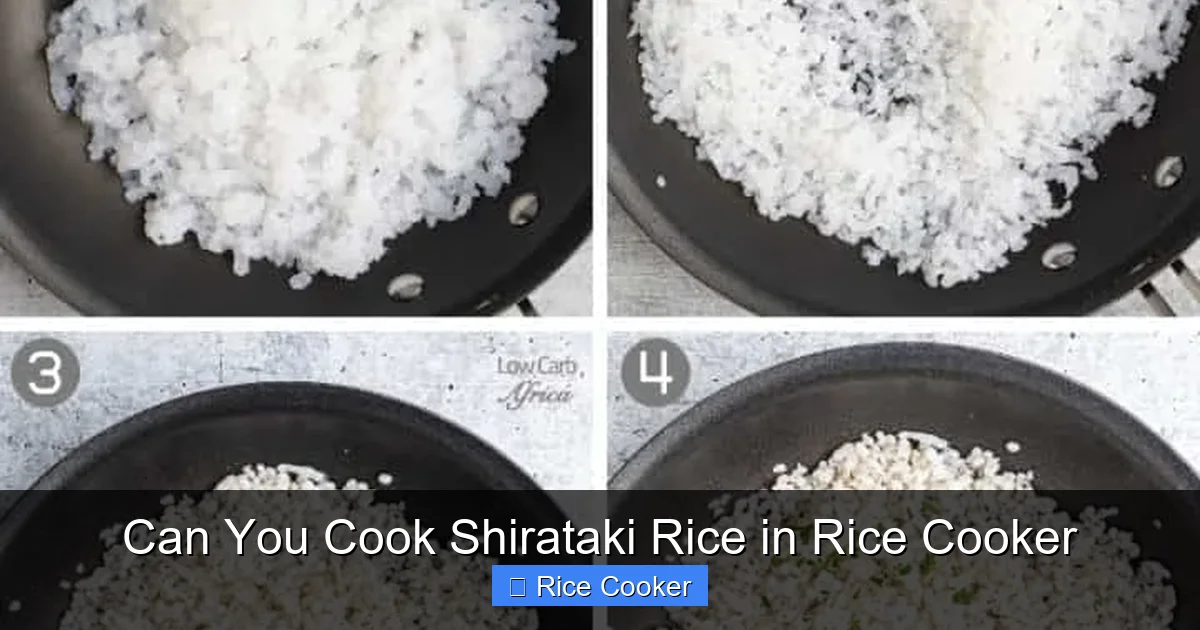
Visual guide about Can You Cook Shirataki Rice in Rice Cooker
Image source: lowcarbafrica.com
One of the biggest selling points of shirataki rice is its nutritional profile. A typical serving contains around 10–15 calories, less than 1 gram of fat, almost no sugar, and only about 2 grams of net carbohydrates. That makes it a favorite among those following ketogenic, paleo, low-carb, or diabetic-friendly diets. Unlike traditional rice—which packs over 45 grams of carbs per cup—shirataki offers a way to enjoy familiar textures without the blood sugar spike.
Texture and Appearance: What to Expect
If you’ve never seen shirataki rice before, it might surprise you. It looks like thick, jelly-like pearls floating in water or oil. When raw, it has a slightly slimy, rubbery consistency and a faint odor reminiscent of ammonia or seaweed—this is completely normal and comes from the glucomannan extract used during manufacturing. The good news is that these traits disappear once it’s heated and rinsed properly.
After cooking, shirataki transforms dramatically. It becomes firmer, chewier, and takes on the flavor of whatever it’s cooked with. Some describe it as similar to tofu in texture, while others compare it to slightly spongy rice noodles. It doesn’t expand like real rice, so don’t expect volume increases. One package usually yields about one cup of prepared shirataki rice.
Why People Use Shirataki Rice
Health Benefits Beyond Just Being Low-Carb
While weight loss support is often the primary reason people choose shirataki rice, there are additional health benefits worth noting. Glucomannan fiber is known for promoting digestive health by supporting regular bowel movements and feeding beneficial gut bacteria. It may also help lower cholesterol levels and improve insulin sensitivity over time.

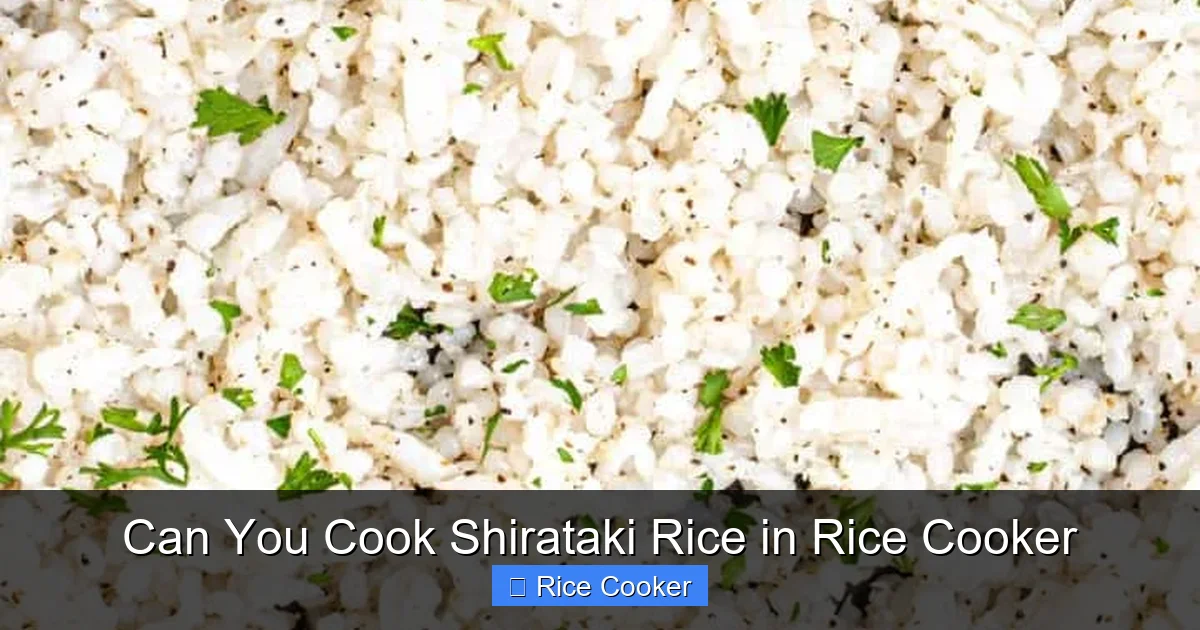
Visual guide about Can You Cook Shirataki Rice in Rice Cooker
Image source: lowcarbafrica.com
Another advantage is satiety. Because shirataki absorbs liquids easily, it fills you up faster and keeps you feeling full longer—without adding extra calories. This makes it ideal for portion control strategies. Plus, it’s naturally vegan, gluten-free (when made without cross-contamination), and free from common allergens.
Culinary Versatility
Don’t let its strange origins fool you—shirataki rice works surprisingly well in many dishes. It’s excellent in stir-fries, fried rice recipes, grain bowls, sushi rolls (as a rice replacement), and even casseroles. Its neutral taste means it won’t overpower bold flavors, making it perfect for absorbing sauces, spices, and herbs.
Many chefs recommend pairing shirataki with umami-rich ingredients like mushrooms, soy sauce, garlic, ginger, and sesame oil to enhance its flavor profile. Because it doesn’t have the same starch content as rice, it holds up better under heat without becoming mushy—though overcooking can still lead to toughness.
Preparing Shirataki Rice Before Cooking
Why Prepping Is Essential
Before you even think about turning on your rice cooker, you must prepare the shirataki rice. Skipping this step leads to off-putting odors, gummy textures, and overall poor results. The key is removing the residual liquid (called “mizu” or water) that helps preserve the product and eliminating any impurities.
Step-by-Step Prep Instructions
- Rinse thoroughly: Open the package and pour the contents directly into a fine-mesh strainer. Rinse under cold running water for at least 30 seconds to 1 minute. Scrub gently with your fingers to dislodge any debris.
- Boil briefly: Place the rinsed shirataki in a small pot, cover with water or broth, and bring to a gentle simmer over medium heat. Let it cook for 2–3 minutes. This kills any lingering bacteria and further reduces odor.
- Drain and cool: Remove from heat, drain well, and allow to cool slightly. Pat dry with paper towels or a clean cloth to remove excess moisture.
Pro tip: If you’re short on time, you can skip the boiling step and just rinse vigorously—but boiling ensures maximum freshness and safety.
How to Cook Shirataki Rice in a Rice Cooker
Choosing the Right Mode
Most modern rice cookers come with multiple settings—basic white rice, brown rice, quick cook, steam, etc. For shirataki rice, select the “white rice” or “normal” setting. Avoid using the “quick cook” function unless your machine specifically allows for shorter times, as shirataki doesn’t need much cooking anyway.
Water Ratio Guidelines
This is where things get tricky. Unlike real rice, shirataki doesn’t absorb water like grains do. Instead, it sits in liquid and slowly releases its own moisture. Too little water results in dry, hard clusters; too much creates a soupy mess. Here’s a general rule:
- For every 1 cup of drained shirataki rice, use between 1.5 to 2 cups of water or broth.
- Start with 1.5 cups and adjust based on your desired consistency.
Note: Do not add salt or seasonings directly to the water—they won’t penetrate evenly. Season the finished dish instead.
Detailed Cooking Process
- Add ingredients: Place the prepped shirataki rice into the inner pot of your rice cooker. Pour in the measured water.
- Close lid and start: Secure the lid tightly and press the “Cook” button. Wait until the cycle completes—usually takes 15–20 minutes.
- Let it rest: Once done, let the cooker sit unplugged for another 5–10 minutes. This allows steam to redistribute and improves texture.
- Fluff and serve: Gently fluff with a fork or chopsticks. Taste and adjust seasoning as needed.
Optional enhancement: Add a teaspoon of oil (like sesame or avocado) to the water to prevent sticking and boost flavor absorption.
Troubleshooting Common Issues
Gummy or Slimy Texture
If your shirataki rice turns out too sticky or slimy, it’s likely due to insufficient rinsing or overcooking. Try increasing the rinsing time next time and reduce boiling duration slightly. Also, ensure you’re using enough water—not too little!
Mushy or Overcooked Result
Overcooking causes shirataki to break down and become rubbery rather than tender. Stick to the 2–3 minute boil and avoid long simmering. After rice cooker completion, consume immediately or refrigerate quickly to halt further softening.
Off Odor Persists
If the fishy smell lingers despite proper prep, try soaking the rinsed shirataki in lemon juice or vinegar for 5 minutes before boiling. Acid neutralizes the amine compounds responsible for the odor.
Sticking to the Pot
Non-stick rice cooker pots should prevent sticking, but adding a splash of oil or using parchment paper can provide extra insurance. Never use metal utensils to scrape the bottom—they can damage the coating.
Creative Ways to Enjoy Shirataki Rice
Keto Fried Rice
Heat a tablespoon of coconut oil in a skillet, add diced onions, carrots, peas, and protein of choice. Stir in cooked shirataki rice, soy sauce, garlic powder, and a pinch of turmeric. Cook for 5–7 minutes until heated through. Garnish with green onions and sesame seeds.
Asian-Inspired Grain Bowl
Combine warm shirataki rice with shredded cabbage, edamame, sliced cucumber, and grilled chicken. Top with a drizzle of tamari, sriracha mayo, and crushed peanuts for crunch.
Low-Carb Sushi Rolls
Spread cooked shirataki rice on nori sheets, layer with avocado, cucumber, and smoked salmon. Roll tightly and slice into bite-sized pieces. Serve with pickled ginger and wasabi.
Hearty Vegetable Soup Base
Add shirataki rice to miso soup, ramen broth, or vegetable stew toward the end of cooking. It adds bulk without altering the flavor much.
Nutritional Comparison: Shirataki vs. Regular Rice
| Nutrient | Shirataki Rice (1 cup) | White Rice (1 cup, cooked) |
|---|---|---|
| Calories | 10–15 | 205 |
| Total Carbohydrates | 2g | 45g |
| Net Carbs* | 2g | 43g |
| Fiber | 1g | 0.6g |
| Sugar | 0g | 0g |
| Protein | 0g | 4g |
| Fat | 0g | 0.4g |
*Net carbs = total carbs minus fiber
This comparison shows why shirataki is such a game-changer for carb-conscious eaters. Even though it lacks protein and some nutrients found in whole grains, its ability to mimic rice’s texture at near-zero cost makes it valuable in many dietary plans.
Storage Tips for Leftover Shirataki Rice
Once cooked, store shirataki rice in an airtight container in the refrigerator for up to 5 days. It remains firm and doesn’t spoil easily due to its high fiber content. Reheat gently in a microwave or stovetop with a splash of water to restore moisture. Avoid freezing unless you plan to use it within a month—texture changes may occur.
Final Thoughts: Should You Use a Rice Cooker?
Using a rice cooker for shirataki rice is totally feasible and convenient—especially if you already own one. While it requires a few extra steps compared to traditional rice, the payoff is worth it for anyone looking to cut carbs without sacrificing meal satisfaction. Just remember: preparation is key. Rinsing, brief boiling, and mindful water ratios will set you up for success.
If you’re new to shirataki, start with simple recipes like seasoned rice or veggie stir-fry. As you gain confidence, experiment with fusion dishes, salads, or even desserts (yes, there are keto-friendly versions!). With practice, you’ll master the art of transforming this humble fiber powerhouse into delicious, satisfying meals.
Frequently Asked Questions
Is shirataki rice safe to eat?
Yes, shirataki rice is FDA-approved and safe for consumption. It’s made from konjac root fiber and undergoes processing to remove any potentially harmful residues. Always check packaging for certifications like organic or non-GMO if preferred.
Does shirataki rice taste like rice?
Not exactly—it has a neutral flavor and a chewy, tofu-like texture. Unlike real rice, it doesn’t have a nutty or starchy taste. Its bland profile allows it to absorb seasonings well, making it versatile in various cuisines.
Can diabetics eat shirataki rice?
Absolutely. With minimal impact on blood glucose levels, shirataki rice is suitable for diabetics seeking low-glycemic alternatives. Monitor portion sizes and pair with protein and healthy fats to maintain stable glucose readings.
How long does shirataki rice last?
Unopened packages typically last 1–2 years past the manufacture date. Once opened, use within 5–7 days and keep refrigerated. Cooked shirataki rice lasts up to 5 days in the fridge.
Is shirataki rice gluten-free?
Most brands are gluten-free, but always verify labels. Cross-contamination can occur during production. Choose certified gluten-free options if you have celiac disease or severe sensitivities.
Can I eat raw shirataki rice?
No—it’s best avoided in raw form due to its slimy texture, strong odor, and potential bacterial presence. Always rinse and cook before consumption to ensure safety and palatability.