
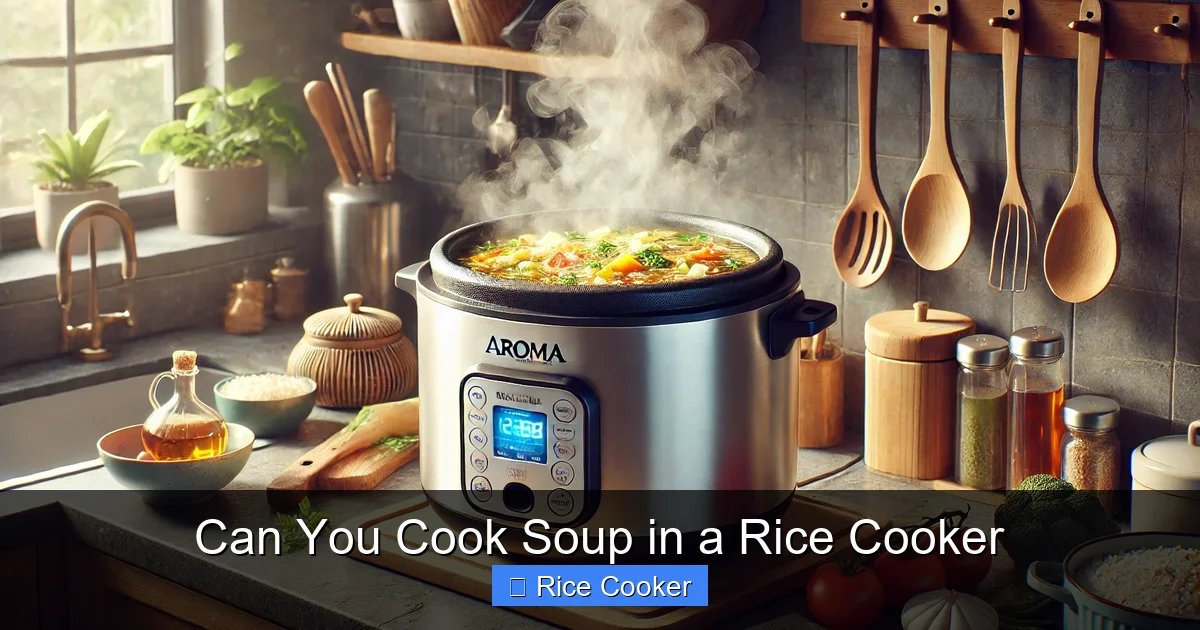
Yes, you can cook soup in a rice cooker! This handy kitchen gadget, best known for making perfect rice, is surprisingly capable of creating flavorful, nourishing soups with minimal effort. Whether you’re whipping up a quick broth or simmering a rich stew, your rice cooker can handle it—no stovetop required. With the right ingredients and settings, you’ll enjoy restaurant-quality soups with zero stress.
Key Takeaways
- Soup cooking is possible: Your rice cooker can simmer, boil, and steam soups just like a pot on the stove.
- Versatile settings help: Use the “Cook” or “Soup” mode (if available) for best results, and avoid overfilling.
- Time-saving and energy-efficient: Cook soup hands-free while doing other tasks—perfect for busy days.
- Customizable textures: Adjust liquid levels and cooking times to control thickness and doneness.
- Clean-up is easy: Most rice cookers have non-stick inner pots that are dishwasher-safe.
- Great for meal prep: Make large batches and store portions for lunches or dinners later.
- Perfect for beginners: No advanced skills needed—just add ingredients and press start.
📑 Table of Contents
- Can You Really Cook Soup in a Rice Cooker?
- Understanding Your Rice Cooker’s Capabilities
- Essential Tips for Cooking Soup in a Rice Cooker
- Simple Soup Recipes You Can Make in a Rice Cooker
- Troubleshooting Common Issues
- Benefits of Using a Rice Cooker for Soup
- Creative Uses Beyond Traditional Soup
- Final Thoughts: Should You Cook Soup in a Rice Cooker?
Can You Really Cook Soup in a Rice Cooker?
If you’ve ever looked at your rice cooker and wondered, “Is this thing only for sticky white rice?”—you’re not alone. For years, rice cookers were seen as one-trick ponies, but modern models are far more versatile than their simple design suggests. One of the most surprising capabilities? Cooking soup.
Yes, you read that right—your rice cooker can do more than just make fluffy jasmine rice or savory brown rice. With a little know-how, it can become your go-to appliance for preparing warm, comforting soups, broths, and even stews. No stovetop? No problem. Want to multitask while dinner simmers away? Your rice cooker has you covered.
In this article, we’ll walk you through everything you need to know about making soup in a rice cooker: from basic techniques to creative recipe ideas, troubleshooting tips, and expert advice. Whether you’re a college student with limited kitchen tools, a busy parent needing a hands-off meal, or a foodie looking to expand your culinary repertoire, this guide will show you how to turn your rice cooker into a soup-making powerhouse.
Understanding Your Rice Cooker’s Capabilities
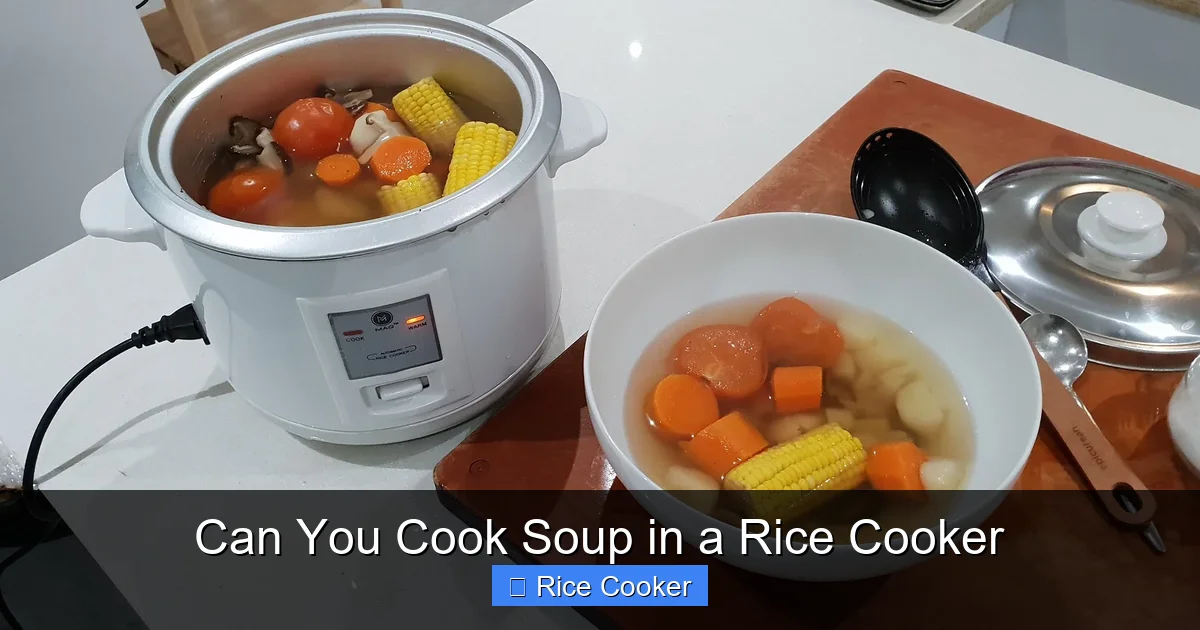
Visual guide about Can You Cook Soup in a Rice Cooker
Image source: storables.com
Before diving into recipes, it’s important to understand what your rice cooker can—and can’t—do when it comes to cooking soup.
Most rice cookers operate using heat cycling: they heat up, maintain temperature, then automatically switch to “warm” once the cooking cycle completes. This means they’re excellent for simmering liquids, as long as the water doesn’t evaporate too quickly. Unlike stovetops, which provide direct, consistent heat, rice cookers rely on convection and conduction within the insulated pot.
Types of Rice Cookers and Their Features
Not all rice cookers are created equal. Some are basic, while others come with advanced functions like fuzzy logic, pressure cooking, or dedicated soup modes.
– Basic Rice Cookers: These typically have a single “Cook” button and a “Keep Warm” function. They work fine for simple soups like chicken noodle or vegetable broth.
– Advanced Models: Look for features like “Soup,” “Porridge,” or “Steam” settings. These use different heating patterns to prevent scorching or ensure even cooking.
– Pressure Rice Cookers: Similar to Instant Pots, these can reduce cooking time significantly and are ideal for tough cuts of meat in stews.
Knowing your model helps you choose the right approach. Even a basic model can make great soup—it just might take a bit more attention.
Why People Think Rice Cookers Can’t Make Soup
There’s a common misconception that rice cookers can’t handle liquids well because they’re designed for dry grains. But here’s the truth: rice cookers are essentially sealed pots with precise temperature control. When filled with enough liquid—usually 1.5 to 2 cups per serving—they create a gentle, even simmer.
The key is avoiding evaporation. Since the lid traps steam, moisture stays inside, helping the soup cook evenly without drying out.
Essential Tips for Cooking Soup in a Rice Cooker
Visual guide about Can You Cook Soup in a Rice Cooker
Image source: ovenspot.com
Ready to give it a try? Follow these practical tips to get the best results every time.
Use the Right Amount of Liquid
Unlike boiling on the stove, where you lose liquid to evaporation, rice cookers retain most of the water. That means you don’t need to add extra broth or water. A good rule of thumb: use about 4–6 cups of liquid for a standard 10-cup rice cooker. Too much liquid can dilute flavors; too little risks burning.
For example, a classic chicken noodle soup might call for 5 cups of broth, chicken pieces, noodles, and seasonings. The rice cooker will absorb what it needs, leaving you with a perfectly balanced bowl.
Cut Ingredients into Even Pieces
Rice cookers don’t stir, so unevenly cut vegetables or meat can lead to some chunks being undercooked while others burn. Chop onions, carrots, and celery into uniform sizes. Dice chicken or beef into bite-sized pieces so everything cooks at the same rate.
Pro tip: Brown meat first in a pan before adding it to the rice cooker. This adds depth to the flavor base—something your rice cooker alone can’t achieve.
Don’t Overfill the Inner Pot
Most rice cookers have a maximum fill line—typically around two-thirds full. Overfilling can cause spills during boiling or prevent proper heat circulation. If your soup starts bubbling over, reduce the heat by switching to “Warm” temporarily, then resume cooking once it settles.
Timing Is Key
Soups generally take longer to cook in a rice cooker than on the stove because the heat is gentler. Plan for 30–60 minutes depending on the ingredients. Tough vegetables like potatoes may need 45 minutes; soft greens like spinach can be added near the end.
Always check for doneness before turning off the cooker. Insert a fork into the largest piece of meat or vegetable—it should pierce easily.
Add Delicate Ingredients Late
Things like fresh herbs, leafy greens, or pasta break down quickly. Add them in the last 5–10 minutes of cooking to preserve texture and nutrients. This prevents mushiness and ensures vibrant color and taste.
Simple Soup Recipes You Can Make in a Rice Cooker
Now for the fun part—actual recipes! Here are five easy, crowd-pleasing soups you can whip up with just a few ingredients.
Classic Chicken Noodle Soup
This timeless comfort food gets a modern twist in the rice cooker.
Ingredients:
– 1 lb boneless chicken thighs (cut into cubes)
– 4 cups low-sodium chicken broth
– 2 carrots (diced)
– 2 celery stalks (diced)
– 1 medium onion (chopped)
– 2 cloves garlic (minced)
– 1 cup egg noodles
– Salt, pepper, and dried thyme to taste
Instructions:
1. Combine all ingredients except noodles in the rice cooker.
2. Cook on “Normal” setting for 45 minutes.
3. Stir in noodles and cook an additional 10–15 minutes until tender.
4. Season to taste and serve hot.
This version saves time on chopping and cleanup, and the result is just as hearty as stovetop soup.
Hearty Vegetable Soup
Veggie lovers rejoice! This plant-based soup is packed with fiber and flavor.
Ingredients:
– 2 tbsp olive oil (optional, for browning)
– 1 onion (chopped)
– 3 carrots (diced)
– 2 celery stalks (diced)
– 2 zucchini (diced)
– 1 bell pepper (diced)
– 4 cups vegetable broth
– 1 can diced tomatoes (14 oz)
– 1 tsp dried oregano
– Salt and pepper to taste
Instructions:
1. Heat oil in a pan, sauté onion, carrots, and celery for 5 minutes.
2. Transfer everything to the rice cooker with remaining ingredients.
3. Cook for 40–50 minutes.
4. Stir in zucchini and bell pepper in the last 10 minutes.
5. Serve with crusty bread.
Creamy Tomato Basil Soup
Crave something rich and velvety? Try this no-blender version.
Ingredients:
– 2 cans crushed tomatoes
– 1 onion (chopped)
– 3 garlic cloves
– 1 cup heavy cream or coconut milk
– 2 tbsp tomato paste
– 1 tsp sugar (to balance acidity)
– Fresh basil leaves
– Salt and black pepper
Instructions:
1. Sauté onion and garlic in the rice cooker pot (use the “Sauté” function if available).
2. Add all other ingredients except cream and basil.
3. Cook for 30 minutes.
4. Stir in cream and cook 5 more minutes.
5. Garnish with fresh basil before serving.
Beef Stew in a Hurry
Who says stews need hours? This version delivers tender meat and thick sauce fast.
Ingredients:
– 1 lb stew beef (cut into cubes)
– 3 potatoes (diced)
– 2 carrots (diced)
– 1 onion (chopped)
– 4 cups beef broth
– 2 tbsp flour
– 1 tsp rosemary
– Salt and pepper
Instructions:
1. In a pan, sear beef until browned (optional but recommended).
2. Place all ingredients in the rice cooker.
3. Cook for 50–60 minutes.
4. Thicken sauce with a slurry of 1 tbsp cornstarch + 2 tbsp water if desired.
Asian-Inspired Ginger Soy Broth
Light, aromatic, and perfect for noodle bowls.
Ingredients:
– 4 cups chicken or vegetable broth
– 1-inch piece ginger (julienned)
– 2 green onions (chopped)
– 1 tbsp soy sauce
– 1 tsp sesame oil
– Optional: tofu, udon noodles, nori
Instructions:
1. Combine all ingredients except green onions and sesame oil.
2. Cook for 20–25 minutes.
3. Stir in sesame oil and green onions just before serving.
Troubleshooting Common Issues
Even with the best intentions, things can go wrong. Here’s how to fix them.
My Soup Is Too Thin
If your soup lacks body, try reducing it on the stove after cooking. Simmer uncovered for 10–15 minutes to concentrate flavors and thicken slightly. Alternatively, mix 1 tbsp flour with 2 tbsp cold water, stir into soup, and cook 5 more minutes.
Food Is Burning at the Bottom
This usually happens with high-starch foods like oats or grains. Always use a thin layer of liquid and stir occasionally. For soups with pasta or rice, add them toward the end to prevent sticking.
The Rice Cooker Turns Off Too Early
Some models stop when they detect a certain level of starch or foam. To avoid this, avoid adding too much flour or starch-rich ingredients early. Also, ensure the pot is clean and free of residue.
Odor Lingers After Use
Rice cooker smells can stick around if not cleaned properly. After cooking, rinse the inner pot immediately and wash with warm, soapy water. Let it air-dry before storing.
Benefits of Using a Rice Cooker for Soup
Why bother making soup in a rice cooker when you have a stove?
Energy Efficiency
Rice cookers use less electricity than ovens or stovetops. According to the U.S. Department of Energy, electric rice cookers are among the most energy-efficient appliances for cooking grains and liquids.
Hands-Free Convenience
Once you press “Start,” you can walk away. Perfect for busy schedules or multitasking. While your soup simmers, you can prep salads, fold laundry, or watch TV.
Consistent Results
No more guessing “is it done yet?” Rice cookers regulate temperature automatically, reducing the risk of overcooking or burning. It’s like having a personal sous chef.
Easy Clean-Up
The non-stick coating on most inner pots makes scrubbing a breeze. Many are dishwasher-safe, saving you time.
Space-Saving
Ideal for small kitchens, dorm rooms, or RVs where counter space is limited. No need for multiple pots.
Creative Uses Beyond Traditional Soup
Think outside the bowl! Your rice cooker can do so much more.
Risotto
Stir constantly on stovetop? Not necessary. Add arborio rice and broth gradually in the rice cooker, stirring occasionally. Creamy perfection in half the time.
Porridge and Oatmeal
Overnight oats are nice, but cooked oats are warmer and tastier. Just combine oats, milk, cinnamon, and fruit, then let it cook for 30 minutes.
Hard-Boiled Eggs
Place eggs in the cooker with enough water to cover. Cook for 15–18 minutes. Chill in ice water before peeling.
Steamed Dumplings or Vegetables
Use the steaming basket (if included) to cook dumplings, broccoli, or fish alongside your soup.
Infused Oils and Broths
Slow-cook herbs and spices in oil or broth to make flavored bases for dressings or sauces.
Final Thoughts: Should You Cook Soup in a Rice Cooker?
Absolutely. While a stovetop gives you more control over high-heat searing and rapid boiling, the rice cooker offers unmatched convenience, consistency, and simplicity. It’s especially useful for beginners, those with mobility issues, or anyone who wants one-pot meals without constant supervision.
With the right ingredients and a little creativity, your rice cooker can become the unsung hero of your kitchen. From creamy chowders to Asian broths, the possibilities are endless.
So next time you reach for a can of soup, pause. Grab your rice cooker instead. Chop a few veggies, toss in some protein, and let science do the rest. You might just discover your new favorite way to eat warm, homemade goodness—with zero stress.
Frequently Asked Questions
Can any rice cooker make soup?
Yes, most rice cookers can make soup, especially those with a “Cook” or “Soup” setting. Even basic models work well for simple broths and stews. Just avoid overfilling and monitor liquid levels.
How long does it take to cook soup in a rice cooker?
It usually takes 30 to 60 minutes, depending on ingredients. Tougher meats and root vegetables need longer, while delicate greens cook quickly. Always check for doneness before finishing.
Do I need to add extra water when cooking soup?
No, rice cookers retain most of the liquid. Start with the amount called for in your recipe—usually 4–6 cups per batch. Evaporation is minimal due to the sealed lid.
Can I make cream-based soups in a rice cooker?
Yes! Just add dairy near the end of cooking to prevent curdling. Stir gently and avoid high heat. Heavy cream or coconut milk works beautifully.
Will my rice cooker burn the soup?
Burning is rare if you use enough liquid and don’t overfill. Stir occasionally, especially when adding starchy ingredients like rice or pasta. Browning meat first also helps prevent sticking.
Can I cook frozen ingredients directly in the rice cooker?
Yes, but increase cooking time by 10–15 minutes. Frozen vegetables or meat may require extra time to fully defrost and cook through.