

Yes, you can absolutely cook spaghetti noodles in a rice cooker! It’s a simple, hands-off method that yields perfectly cooked pasta with minimal effort. This clever kitchen hack saves time and cleanup while delivering consistent results.
Key Takeaways
- You can cook spaghetti in a rice cooker: It’s not just for rice—your rice cooker works great for pasta too.
- It saves time and energy: No need to monitor a pot or clean extra dishes after cooking.
- The process is simple: Add water, noodles, and cook on the standard setting.
- Drain excess water properly: A colander or strainer is essential for finished texture.
- Best for single servings: Ideal for one or two people due to size limitations.
- Seasonings add flavor: Add oil or salt during cooking to enhance taste and prevent sticking.
- Cleaning is easy: Most rice cookers are dishwasher-safe for quick cleanup.
📑 Table of Contents
- Can You Cook Spaghetti Noodles in a Rice Cooker?
- Why Use a Rice Cooker for Pasta?
- What You’ll Need Before Starting
- Step-by-Step Guide: How to Cook Spaghetti in a Rice Cooker
- Troubleshooting Common Issues
- Tips for Perfect Results Every Time
- How Does This Method Compare to Traditional Cooking?
- Creative Ways to Use Your Rice Cooker Beyond Spaghetti
- Final Thoughts: Is It Worth Trying?
Can You Cook Spaghetti Noodles in a Rice Cooker?
Have you ever found yourself staring at a pot of boiling water, wondering if there’s an easier way to cook spaghetti? Or maybe you’re just curious—can you use your rice cooker for something other than rice? The short answer? Absolutely! Cooking spaghetti in a rice cooker is not only possible but also surprisingly effective. It’s a game-changer for busy weeknights when you want pasta fast, with minimal fuss.
We all know rice cookers are fantastic tools for making fluffy white rice, but their versatility goes far beyond grains. With the right technique, your rice cooker can handle spaghetti, linguine, fettuccine—pretty much any long noodle. The magic lies in the even heat distribution and automatic shut-off feature, which prevents overcooking. Plus, it frees up your stovetop for other tasks like sauces or side dishes.
In this article, we’ll walk you through everything you need to know about cooking spaghetti noodles in a rice cooker. From measuring water and choosing the right amount of pasta to troubleshooting common issues, we’ve got you covered. Whether you’re a college student, a parent juggling meals, or just someone who loves kitchen hacks, this method will save you time and stress. Let’s dive in!
Why Use a Rice Cooker for Pasta?
At first glance, using a rice cooker for spaghetti might seem unconventional. After all, pasta belongs on the stove, right? But there are several compelling reasons why this method stands out. First and foremost, convenience is king. Instead of standing over a bubbling pot, stirring constantly, you can set it and forget it. Your rice cooker does all the work while you prep toppings, chop veggies, or even take a breather.
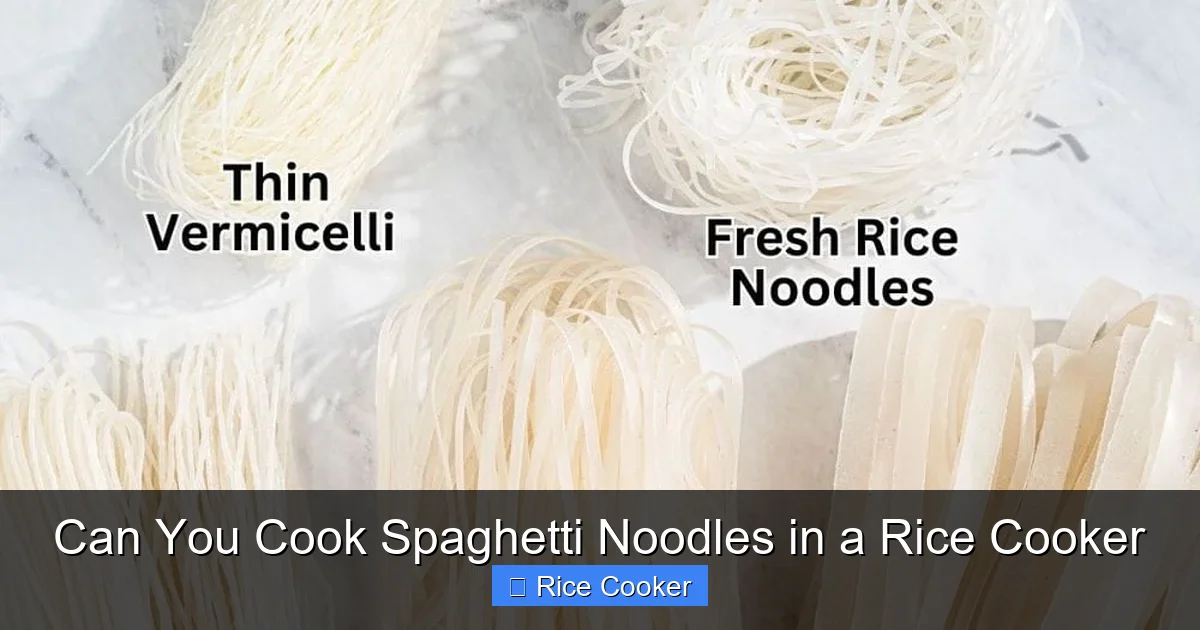
Visual guide about Can You Cook Spaghetti Noodles in a Rice Cooker
Image source: savorysweetspoon.com
Another advantage is consistency. Rice cookers maintain a steady temperature, reducing the risk of burnt noodles or unevenly cooked strands. You won’t have to worry about watching the clock or adjusting heat levels. And because the cooker automatically switches to “warm” mode once cooking is done, you avoid overcooking—something that’s easy to do on the stove.
Plus, using a rice cooker means fewer dishes to wash. You only need one pot (the rice cooker itself), and most models have non-stick inner pots that make cleanup a breeze. For those living alone or preparing a light meal, this efficiency is invaluable. So yes—this isn’t just a quirky trick; it’s a practical solution backed by real-world benefits.
What You’ll Need Before Starting
Before you start cooking, gather these essentials. Having everything ready ensures a smooth process from start to finish. Don’t skip prepping—it makes a big difference in timing and results.
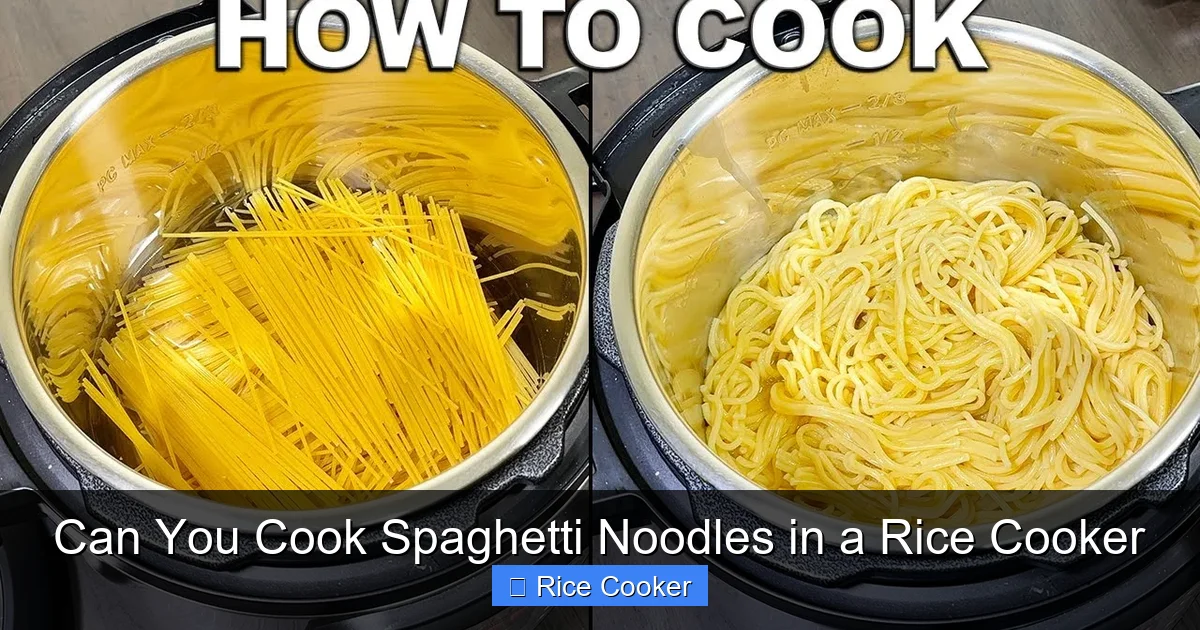
Visual guide about Can You Cook Spaghetti Noodles in a Rice Cooker
Image source: i.ytimg.com
Essential Equipment
First, confirm your rice cooker has a standard “Cook” button and holds at least 1 liter of liquid. Older models may lack precise controls, so newer digital ones work best. Also, check if the inner pot is removable and dishwasher-safe—this simplifies cleanup later.
Next, grab a fine-mesh strainer or colander. Draining the noodles properly separates them from excess starchy water, which keeps them from becoming mushy. A wooden spoon or tongs helps transfer noodles without breaking them.
Ingredients Checklist
- Spaghetti noodles (about 85–100 grams per person)
- Water (typically 3–4 cups per 85g of pasta)
- Salt (optional but recommended—adds flavor)
- Olive oil or cooking spray (to prevent sticking)
Pro tip: Use high-quality dried spaghetti for best texture. Fresh pasta may behave differently due to higher moisture content. Stick with store-bought or boxed varieties unless you’re experienced with alternative methods.
Step-by-Step Guide: How to Cook Spaghetti in a Rice Cooker
Ready to try it? Follow these clear steps for foolproof results every time. We’ll break it down into manageable parts so even beginners feel confident.
Step 1: Measure Water Accurately
For every 85 grams (about 1 cup) of dry spaghetti, use 3 to 4 cups of cold water. Too little water leads to clumping; too much extends cook time unnecessarily. Start with 3.5 cups per cup of pasta as a baseline.
Add the water to the inner pot first. Then sprinkle in salt if desired—about 1 teaspoon per liter of water enhances flavor without oversalting. If your rice cooker doesn’t have markings, measure separately beforehand.
Step 2: Add Noodles and Optional Additives
Gently place the spaghetti into the water. Avoid breaking it—long strands cook more evenly. Some chefs add a splash of olive oil (1–2 tablespoons) to reduce sticking, though this isn’t always necessary.
Note: Never cover the lid tightly before cooking. Steam needs to escape slightly, especially during the initial heating phase. Just leave it open about an inch until bubbles form, then close it fully.
Step 3: Select the Right Setting
Press the “Cook” button. Standard settings work fine—no need for “Pasta” modes (which some advanced models offer). Let the cycle run uninterrupted for 8–12 minutes, depending on thickness and brand instructions.
If your rice cooker has timer functions, delay starting until you’re ready. This prevents accidental cooking during preheating phases.
Step 4: Drain and Serve Immediately
Once the cycle ends and the cooker switches to “Warm,” immediately remove the inner pot. Carefully drain the noodles using a strainer. Shake gently to remove excess water—don’t rinse unless you plan to toss with sauce right away.
Toss with your favorite marinara, pesto, or Alfredo sauce while still warm. The residual heat continues cooking gently, ensuring perfect texture.
Troubleshooting Common Issues
Mistakes happen—even seasoned cooks encounter hiccups. Here’s how to fix the most frequent problems when cooking spaghetti in a rice cooker.
Problem: Noodles Are Sticky or Clumpy
This usually means insufficient water or inadequate stirring during early stages. Always use enough liquid and consider opening the lid briefly during first minute to stir lightly. Alternatively, use a cooking spray on the inner pot before adding water.
Problem: Undercooked or Overcooked Noodles
Cook time varies by model and noodle brand. If undercooked, return to cooker for another 2–3 minutes. If overdone, they’ll be mushy—so timing is key. Keep notes on what works for your setup.
Problem: Rice Cooker Smells Like Burnt Pasta
This indicates scorching at the bottom. Next time, ensure water covers noodles by at least 2 inches. Also, avoid overcrowding—stick to recommended quantities.
Bonus Tip: Save Leftover Cooking Water
If you accidentally add too much water, don’t discard it! Strain noodles, then reserve the starchy liquid. It adds body to sauces and helps bind ingredients when mixed back in.
Tips for Perfect Results Every Time
Want consistent, restaurant-quality spaghetti without the hassle? These pro tips will elevate your rice cooker pasta game.
Use the Right Amount of Salt
Salt not only seasons the noodles but also affects cooking speed slightly. Dissolve it completely before adding pasta. Taste test halfway through cooking if unsure.
Don’t Skip the Oil (Optional)
A light coating of olive oil prevents sticking without making noodles greasy. Spray or swirl just 1 tablespoon into the water before adding pasta.
Break Long Strands Gently
While whole strands cook well, slightly shorter pieces (half-length) help with even absorption. Bend spaghetti against a countertop instead of snapping to preserve integrity.
Experiment with Timing
Different brands recommend varying cook times. Start checking at 8 minutes. Al dente lovers should aim for 9–10 minutes; softer eaters may prefer 11–12.
Pair with Quick Sauces
Rice cooker pasta shines with fast sauces—marinara, pesto, or olive oil and garlic. Avoid heavy cream-based sauces that require constant stirring on the stove.
How Does This Method Compare to Traditional Cooking?
Is cooking spaghetti in a rice cooker truly comparable to boiling on the stove? Let’s compare both methods across key factors.
Time Efficiency
Both methods take roughly the same total time (including prep and cleanup). However, rice cooker wins in hands-off convenience. No constant monitoring required.
Cleanup Difficulty
Rice cooker edges out traditional pots. One pan = less scrubbing. Inner pots are often non-stick and dishwasher-safe.
Noodle Texture
Results are nearly identical when done correctly. Some report slightly fluffier noodles due to even heating, but personal preference plays a role.
Energy Use
Modern rice cookers consume less power than keeping a pot simmering. They also shut off automatically, reducing waste.
Suitability for Larger Groups
Traditional stovetop wins here. Most rice cookers max out around 6–8 cups of water, limiting batch size. For family dinners, multiple batches or larger appliances may be needed.
Creative Ways to Use Your Rice Cooker Beyond Spaghetti
Once you master spaghetti, expand your repertoire. Your rice cooker is secretly versatile.
Cook Other Pasta Types
Linguine, fettuccine, and angel hair work similarly. Avoid short noodles like penne or rigatoni—they tend to clump.
Make Rice Dishes
Try risotto (with broth added gradually), fried rice, or biryani. Some models even have “Pasta” presets.
Bake Simple Recipes
Check recipes for rice cooker cakes or steamed fish. Heat distribution mimics gentle oven cooking.
Reheat Leftovers
Add a splash of water to leftover pasta and reheat on “Warm” for 5–7 minutes. Fluffy, not soggy!
Final Thoughts: Is It Worth Trying?
Cooking spaghetti in a rice cooker isn’t revolutionary, but it’s undeniably useful. It’s perfect for solo diners, small families, or anyone craving quick, reliable pasta without kitchen chaos. While it may not replace your stovetop entirely, it’s a valuable addition to your culinary toolkit.
Give it a try tonight. Measure your water, add the noodles, press “Cook,” and enjoy hands-free perfection. You might just discover your new go-to method for easy, delicious meals.
Frequently Asked Questions
Can you cook spaghetti noodles in a rice cooker?
Yes, you can cook spaghetti noodles in a rice cooker. Simply add water, noodles, and optional salt or oil, then use the standard “Cook” setting. Drain excess water afterward for perfectly cooked pasta.
How much water do I need to cook spaghetti in a rice cooker?
Use 3 to 4 cups of water for every 85 grams (about 1 cup) of dry spaghetti. This ensures even cooking without clumping. Adjust based on your rice cooker’s size and desired consistency.
Do I need to add oil when cooking spaghetti in a rice cooker?
Adding a small amount of olive oil (1–2 tablespoons) helps prevent sticking, but it’s optional. Many cooks skip it since draining properly removes excess starch.
How long does it take to cook spaghetti in a rice cooker?
Most rice cookers take 8–12 minutes to cook spaghetti. Check near the end and adjust time slightly based on your preferred doneness (al dente vs. soft).
Can I cook other types of pasta in a rice cooker?
Long noodles like linguine, fettuccine, and angel hair work best. Short shapes like penne or rotini tend to clump and aren’t ideal for this method.
Is it safe to reuse the inner pot of my rice cooker for pasta?
Yes, as long as the inner pot is dishwasher-safe and designed for cooking liquids. Always clean it thoroughly after use to prevent residue buildup.