
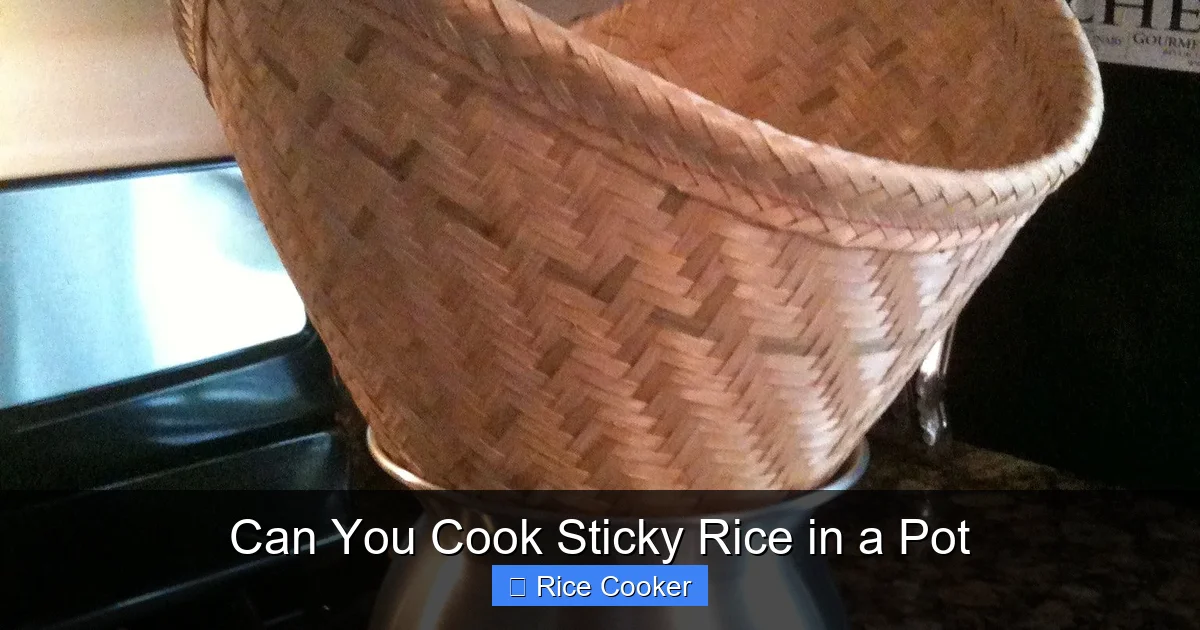
You absolutely can cook sticky rice in a pot, and it tastes just as delicious as when made in a rice cooker. With the right technique, water ratio, and cooking method, you’ll get that signature chewy texture and rich aroma without any special equipment. Whether you’re preparing a traditional Asian dish or just craving something sweet and comforting, this guide shows you how to do it like a pro—right on your stovetop.
Cooking sticky rice might sound intimidating if you’re used to fluffy long-grain white rice, but the truth is—you don’t need a fancy rice cooker to make it. In fact, many home cooks have been making perfect sticky rice on their stovetops for generations. The secret lies not in expensive gadgets, but in understanding the unique nature of short-grain or glutinous rice and mastering a few simple steps. Whether you’re whipping up mango sticky rice for dessert or serving it alongside grilled meats, knowing how to cook it right in a regular pot makes life so much easier.
Sticky rice, often called glutinous rice despite its name (it contains no gluten), has a high starch content that gives it that characteristic chewiness when cooked properly. Unlike jasmine or basmati rice, which separate easily, sticky rice binds together thanks to those sticky starches. This quality makes it ideal for dishes like zongzi (sticky rice dumplings wrapped in bamboo leaves) or Thai mango sticky rice. But here’s the catch: if you use too much water, burn it, or skip rinsing, your rice could turn into a gloopy mess—or worse, dry out completely. Don’t worry though! With the right approach, you’ll be able to recreate restaurant-quality sticky rice using nothing more than your everyday kitchen pots.
Key Takeaways
- Yes, you can cook sticky rice in a pot—no rice cooker required. With proper technique, you’ll achieve the same soft, cohesive texture.
- Use the right water-to-rice ratio, typically 1:1 for short-grain varieties like glutinous or sushi rice, to prevent mushiness or dryness.
- Rinsing is essential to remove excess starch, which helps keep the grains from clumping and improves overall flavor.
- A tight-fitting lid and low heat are key—this traps steam and ensures even cooking without boiling away too quickly.
- Let it rest after cooking (covered) for 10–15 minutes; this allows moisture to distribute evenly and makes fluffing easier.
- Add flavor with broth or coconut milk instead of plain water for richer, more aromatic results.
- Sticky rice is versatile—perfect for desserts, savory dishes, or even breakfast bowls when cooked properly in a pot.
📑 Table of Contents
The Science Behind Sticky Rice
Before we jump into recipes and techniques, let’s talk about *why* sticky rice behaves differently. It all comes down to the type of grain you’re using. Most people refer to it as “sticky rice,” but technically, it’s called **glutinous rice**—a misnomer because it doesn’t contain gluten like wheat does. Instead, it’s packed with amylopectin, a form of starch that becomes very sticky when heated and mixed with water. That’s why it holds together so well!
Short-grain varieties like Japanese sushi rice or Chinese glutinous rice are best for achieving that desirable stickiness. Long-grain types won’t give you the same result—they’ll stay loose and separate instead of forming a cohesive ball. So always check your package label or ask your grocer for short-grain or glutinous rice if you want authentic texture.
When you rinse the rice before cooking, you wash away some of that surface starch. This step is crucial because too much starch can lead to overly gluey clumps. But don’t overdo it—rinsing removes impurities and excess starch without stripping away all the flavor compounds that help the rice absorb liquid evenly during cooking.
Choosing the Right Pot
Visual guide about Can You Cook Sticky Rice in a Pot
Image source: thumbs.dreamstime.com
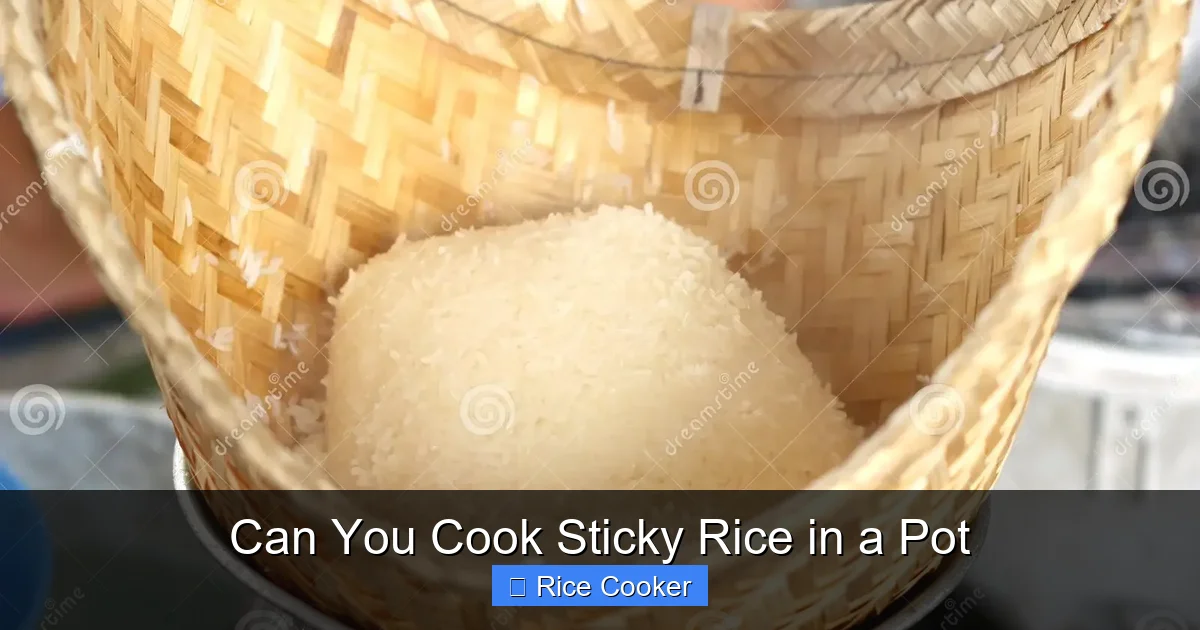
Not every pot works equally well for cooking sticky rice. You want one with a heavy bottom (like stainless steel or cast iron) to ensure even heat distribution and avoid hot spots that could scorch the bottom. A tight-fitting lid is also non-negotiable—sticky rice needs consistent steam to cook through without drying out.
Ideally, choose a pot slightly larger than the amount of rice you’re cooking. If the pot is too big, the rice may sit in a thin layer and dry out; if it’s cramped, the rice won’t expand properly during cooking. A standard saucepan with a volume of 2–3 quarts usually works great for 1–2 cups of uncooked rice.
Also consider whether your stove has good temperature control. Gas burners offer better precision than electric coils, especially when reducing heat halfway through cooking. Electric stoves can sometimes struggle to maintain low simmer temperatures, leading to uneven results.
Step-by-Step Guide: How to Cook Sticky Rice in a Pot
Visual guide about Can You Cook Sticky Rice in a Pot
Image source: fitfoodiefinds.com
Follow these simple steps to make foolproof sticky rice every time:
1. Measure Your Rice Accurately
For every cup of uncooked short-grain or glutinous rice, measure out exactly one cup of water. This 1:1 ratio is standard and reliable across most recipes. Some chefs prefer adding a splash of coconut milk instead of water for extra richness, but stick with water first until you master the basics.
2. Rinse Thoroughly Under Cold Running Water
Place the measured rice in a fine-mesh strainer or large bowl filled with cold water. Swirl the rice gently with your fingers—don’t scrub! You’re looking to remove surface starch while keeping the kernels intact. Repeat until the water runs relatively clear—usually 2–3 rinses are enough. Drain completely before proceeding.
3. Combine Rice and Water in the Pot
Transfer the rinsed rice to your prepared pot. Add the measured water (or liquid of choice). Give it a quick stir to distribute everything evenly.
4. Bring to a Boil Over High Heat
Cover the pot with its lid and bring the mixture to a rolling boil over high heat. Stir once at the beginning if you notice rice sticking to the bottom—but try not to break the grains. Once boiling, reduce the heat to the lowest possible setting.
5. Simmer Gently for 15 Minutes
Keep the lid firmly in place and let the rice simmer undisturbed for 15 minutes. Resist the urge to peek or stir! The goal is to trap steam inside and cook the rice slowly from the bottom up.
6. Turn Off Heat and Let Rest
After 15 minutes, turn off the heat and cover the pot again. Allow the rice to rest for 10–15 minutes. This resting period lets residual steam finish cooking the center of each grain and makes the rice easier to handle later.
7. Fluff and Serve
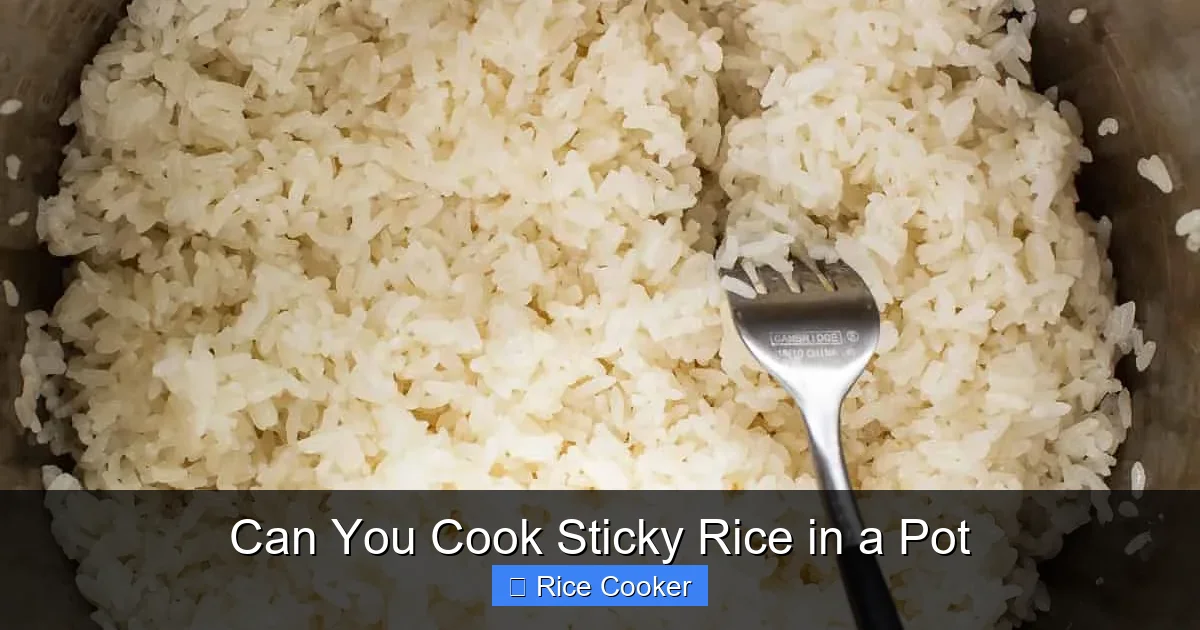
Remove the lid carefully (watch out for escaping steam!). Use a wooden spoon or rice paddle to gently fluff the rice. Avoid pressing down—just lift and turn. Serve immediately or keep warm under a clean kitchen towel if needed.
Troubleshooting Common Mistakes
Even experienced cooks occasionally run into issues when making sticky rice. Here’s how to fix them:
– **Rice is too dry or hard**: This happens when there isn’t enough water or the heat was too high. Next time, increase the water slightly (try 1¼ cups per cup of rice) and reduce the heat more aggressively after bringing it to a boil.
– **Rice is too wet or mushy**: Too much water or over-stirring can cause this. Stick to the 1:1 ratio and avoid lifting the lid during cooking. If it’s already done and too wet, spread it out on a baking sheet and bake at 300°F (150°C) for 10 minutes to evaporate excess moisture.
– **Grains are broken or stuck to the bottom**: Use a non-reactive pot material (stainless steel, enamel, or cast iron work best), and don’t stir too vigorously. Also, make sure you’re using fresh rice—old rice can be harder and more prone to breaking.
– **Lacks flavor or aroma**: Try cooking the rice in chicken or vegetable broth instead of water. Or add a bay leaf, cinnamon stick, or a pinch of salt during the initial cooking phase.
Flavor Variations and Creative Uses
Once you’ve nailed the basic method, you can experiment with different liquids and additions to elevate your sticky rice:
Coconut Milk Sticky Rice
Substitute half the water with full-fat coconut milk for a creamy, fragrant version popular in Southeast Asian cuisine. Add a pinch of salt and maybe a teaspoon of sugar for balance. Cook as usual—the richness enhances the natural sweetness of the rice.
Sweet Red Bean Paste Stuffed Rice
After cooking, divide the rice into small portions and wrap each around a spoonful of sweet red bean paste (anko). Roll into balls and serve chilled—a beloved Japanese or Korean treat.
Savory Seasoned Rice
Mix in soy sauce, sesame oil, chopped scallions, or diced mushrooms during the last minute of cooking for a savory side dish. Great with grilled fish or stir-fries.
Mochi-Like Texture (for Desserts)
For ultra-chewy mochi-style rice, cook the rice as directed, then transfer it to a food processor or mortar-and-pestle setup. Pound or blend until smooth and stretchy—then shape into desired forms.
Storage and Reheating Tips
Leftover sticky rice can be stored in an airtight container in the fridge for up to 3 days. When reheating, sprinkle a few drops of water over the top, cover loosely with foil, and microwave for 30 seconds at a time until warmed through. Alternatively, steam it briefly over boiling water for a softer texture.
Avoid reheating in the microwave without adding moisture—it tends to dry out quickly. And never store sticky rice in plastic bags, which can trap condensation and promote mold growth.
Final Thoughts: Why This Method Works
Cooking sticky rice in a pot is not only possible—it’s actually quite rewarding once you understand the process. While rice cookers automate timing and temperature, using a stovetop gives you full control over every step. Plus, you likely already own the necessary tools, saving money and space.
The key takeaway? Patience and precision matter more than equipment. Measure carefully, rinse thoroughly, use low heat after boiling, and let the rice rest. These small details transform ordinary short-grain rice into something extraordinary—soft, tender, and delightfully sticky when eaten fresh.
Whether you’re making it for a holiday feast, a casual dinner, or a sweet snack, mastering this technique opens up a world of culinary possibilities. And who knows? Maybe next time you’ll surprise yourself by trying it with black garlic, roasted vegetables, or even chocolate chips!
—
Frequently Asked Questions
Can I use regular white rice instead of glutinous rice?
No, regular long-grain white rice won’t give you the same sticky texture. Glutinous or short-grain rice contains the right starch structure to bind together when cooked.
Do I really need to rinse the rice?
Yes! Rinsing removes excess surface starch, preventing overly sticky or gummy results. It also helps the rice cook more evenly.
How much water should I use per cup of rice?
Use a 1:1 ratio—one cup of water for every cup of uncooked rice. Adjust slightly based on your pot’s evaporation rate and desired consistency.
Why does my sticky rice come out mushy?
This usually means too much water was used or the heat was too high during cooking. Stick to the recommended ratios and keep the lid on tightly.
Can I cook sticky rice in a rice cooker instead?
Absolutely! Just follow the same water-to-rice ratio and rinse instructions. Many rice cookers have a “sticky rice” setting for convenience.
Is sticky rice healthy?
It’s calorie-dense due to its carbohydrate content, but it provides sustained energy. Pair it with protein and vegetables for a balanced meal. Always enjoy it in moderation.